A rolling display for archivists makes sense when the work moves between labs, storage, and gallery floors and the team needs one screen that can travel with the task. The benefit is not museum magic, but less setup friction, a steadier view near the object, and a faster handoff between comparison, note entry, and review.

Why Rolling Displays Fit Museum Workflows
Museum work rarely stays at one desk. In preservation labs, storage areas, and gallery floors, staff often switch between reference images, catalog fields, and object handling in the same session. A mobile screen can reduce the time spent shuttling between fixed stations, which is why a rolling display for archivists can be useful even when the workflow itself stays familiar.
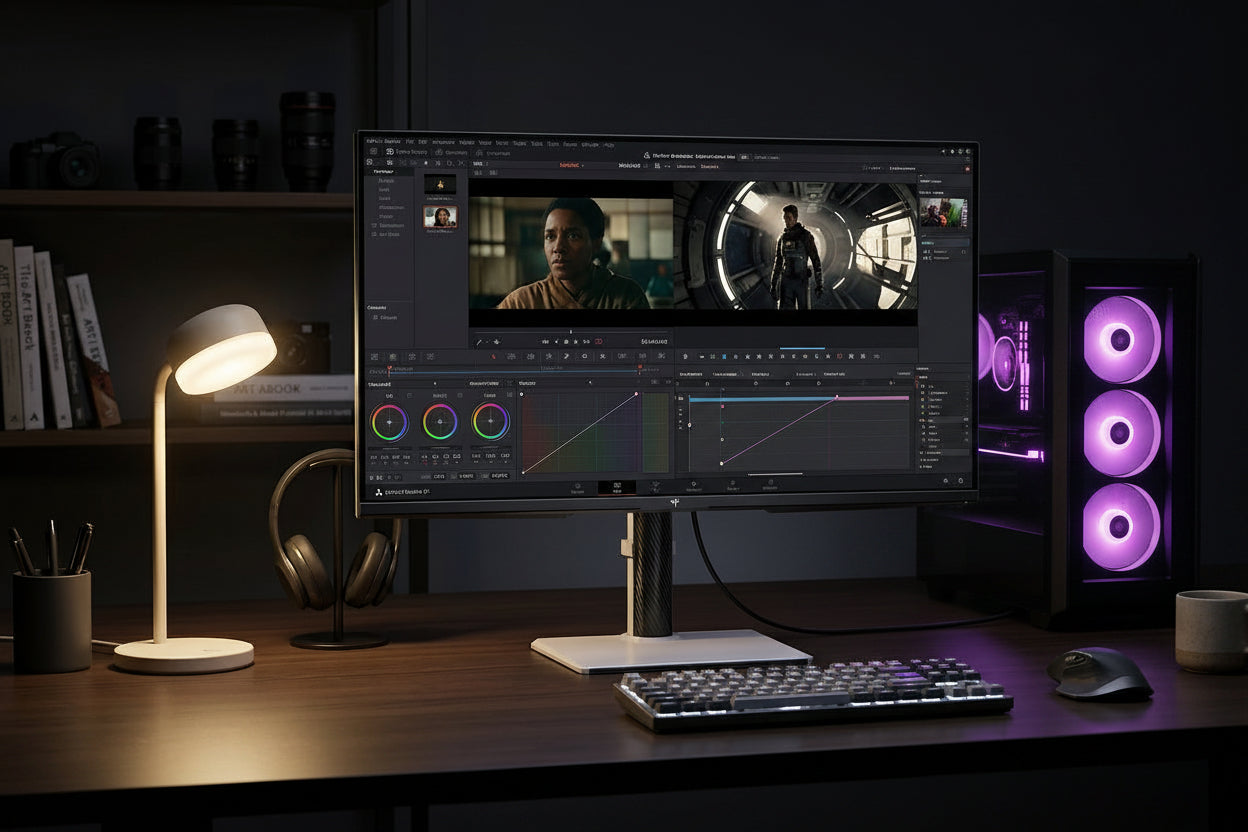
High resolution matters most when the team is comparing fine detail, checking image annotations, or entering metadata while staying close to the object. KTC’s Mobile Touch Screen collection is a relevant category if you want to browse portable touch displays rather than commit to a single model immediately.
A practical rule is simple: if your team spends more time moving people and materials than actually reviewing content, mobility may matter as much as resolution. If the display will live at one fixed workstation, a rolling model is less compelling.
Where Archivists Use It Most
A rolling display for archivists is most useful when one screen supports several steps in the same workflow. The value is not just that the display moves, but that the same view can follow the task from object review to documentation without forcing a restart at each station.

Artifact Comparison at the Worktable
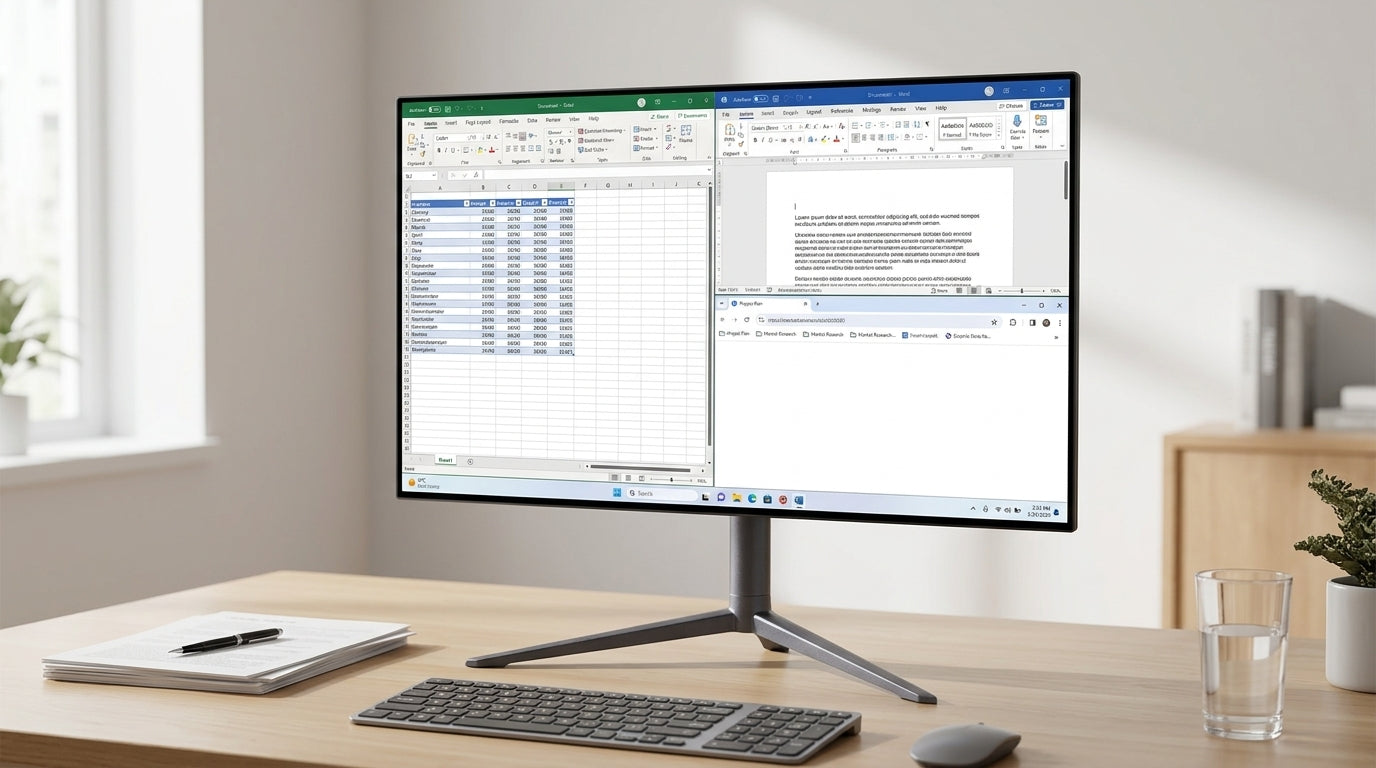
For side-by-side reference images, a larger screen can make comparison easier to follow in a shared room. KTC’s KTC MEGAPAD 32" 4K Android 14 Google EDLA Smart Touch Monitor with 8550mAh Battery is the closer match when the emphasis is on a bigger canvas and a 4K panel. That does not guarantee better macro work by itself, but it does give more room for two documents, labels, or image windows.
Metadata Entry Beside the Object
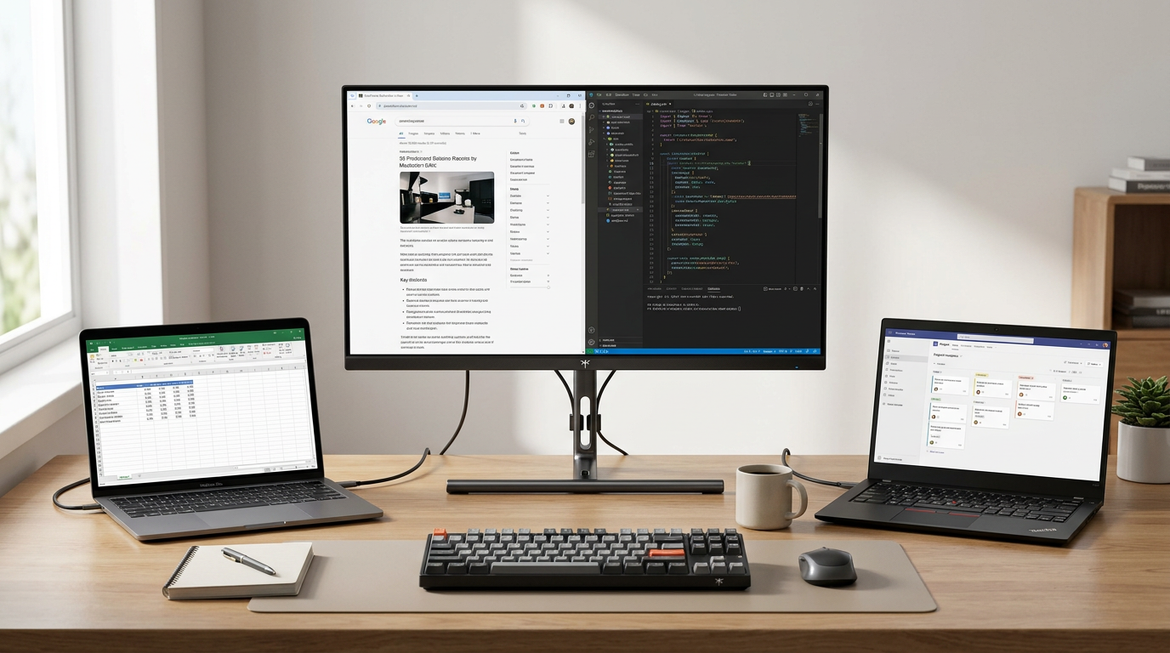
When the team is typing fields while staying next to the object, the main friction is not pixel count alone. It is whether the display can stay close enough to be useful without blocking the workflow. A 27-inch model is often easier to place in tighter rooms, especially when the task is mainly reading and entering text rather than running several large panes at once.
Gallery-Floor Reference and Review
Gallery-floor use changes the decision. A display that rolls between spaces can support quick consultation or ad hoc review, but the team should still think about traffic flow, cable routing, and whether the device can be positioned without interrupting visitors or staff movement. If a screen has to be moved often, simpler placement may matter more than maximum diagonal size.
Shared Review Sessions With Colleagues
Shared review sessions are where the mobile format becomes most visible. In practice, people gather around whatever screen is easiest to see and easiest to reposition. That is why rolling displays show up in other room-to-room workflows too, such as the way mobile screens reduce setup friction in rolling display clinics, the way a rolling teleprompter setup can follow a presenter instead of forcing the presenter to stay put, and similar patterns in MegPad for 2026 Healthcare: Scaling Mobile Triage Hubs.
Choosing Size, Resolution, and Mobility
The choice between 27-inch and 32-inch is usually a workflow decision, not a spec contest. The 27-inch MEGAPAD uses FHD resolution and is easier to move and place in tighter rooms. The 32-inch MEGAPAD uses 4K resolution, which is the better fit when the team needs more screen space for side-by-side documents or detailed review.
| Workflow need | 27-inch FHD MEGAPAD | 32-inch 4K MEGAPAD |
|---|---|---|
| Frequent room-to-room movement | Easier to handle and place | Still mobile, but bulkier |
| Side-by-side reference viewing | Works for lighter comparison | Better fit for larger comparison layouts |
| Tight work areas | Easier to fit near the task | Needs more space |
| Detail-heavy review | Adequate when the workflow is simple | Better when more on-screen space helps |
| Shared viewing with colleagues | Good for compact groups | Better when several people need a larger view |
| Battery and mobility emphasis | Stronger fit when portability matters most | Stronger fit when clarity and canvas matter more |
That comparison is why a 32-inch model is usually the safer first choice for detail-heavy review, while the 27-inch model is the more practical compromise if the display must move often or live in tighter rooms. The broader All Monitors collection is useful if you want to compare portable models before narrowing the size.
Integration Checks Before Rollout
Before a museum uses a rolling display for archivists in live work, the team should verify the pieces that actually affect daily use.
- Check whether the collection management system, browser tools, or installed apps behave correctly on the Android-based environment before the first live session.
- Test login flow, document editing, and any required network access in the same room where the screen will be used.
- Confirm that casting, Type-C input, and any wired display path work with the museum’s own hardware stack.
- Map the movement path so the stand, cables, and traffic flow do not interfere with handling or staff movement.
- If the workflow depends on a privacy switch or camera behavior, test it directly instead of assuming the default state will match the session.
The manual steps for the 32-inch model show that wired input, source switching, and battery behavior all deserve a real-room test before rollout.
Pilot It in a Real Workspace
- Start with one room, one task, and one small group of users. That keeps the pilot specific enough to judge instead of turning into a vague trial.
- Measure setup time, movement, battery behavior, and input switching under normal working conditions, not in an idealized demo.
- Time cataloging, image comparison, and note entry to see whether the display actually reduces friction.
- Decide whether the screen should become a shared mobile station or remain a limited-use tool.
For a pilot, the 27-inch model is the safer test when room-to-room movement is the main concern. The 32-inch model makes more sense when the pilot is meant to answer whether a larger 4K canvas improves review sessions. If the team needs a smaller linked reference point, KTC MEGAPAD 27" FHD Android 14 Google EDLA Smart Touch Monitor with 9500mAh Battery is the more portable starting place.
A useful decision sentence here is: if the pilot is about mobility first, choose the 27-inch setup; if the pilot is about detail visibility and shared viewing, choose the 32-inch setup. If neither condition is true, the category may be unnecessary.
FAQs
Q1. How Does a Rolling Display Help Archivists During Object Review?
It helps most when the team wants to keep reference material, notes, and the object in the same working area. The benefit is less movement between fixed stations and less context switching. It is still a tool, not a substitute for good cataloging practice or a better workflow design.
Q2. What Screen Size Works Best for Museum Curation Work?
The 27-inch option is easier to move and place in tighter rooms. The 32-inch option is usually better when multiple windows, side-by-side documents, or larger shared viewing matter more. If the display will rarely move, size becomes less important than layout and software fit.
Q3. Can a Mobile MegPad Fit Into Existing Cataloging Workflows?
Sometimes, but the museum should verify it first. Login behavior, browser access, app support, and any network-dependent tools need to be tested in the actual workspace. If those steps fail, the display may still be useful as a reference screen, but not as a primary workflow device.
Q4. Why Does 4K Matter for Artifact Comparison?
4K is useful because it gives more room for detail, annotations, and side-by-side viewing. That said, it does not guarantee better conservation imaging by itself. Viewing distance, lighting, source image quality, and the software used for comparison still shape the result.
Q5. Can a Rolling Display Be Shared Between Lab and Gallery Use?
Yes, if the team defines movement paths, setup routines, storage, and cleanup in advance. Shared use is most plausible when the screen can move without disrupting traffic or changing the workflow too much. If the rooms have very different requirements, a single shared unit may become more trouble than it is worth.
The Best Fit Depends on Movement, Not Just Screen Size
For a rolling display for archivists, the choice comes down to how often the screen moves and how much on-screen space the task needs. The 27-inch model is better when mobility and placement are the main constraints. The 32-inch 4K model is better when detail review and shared viewing matter more. If the workflow cannot prove that need in a pilot, the safer answer is to keep testing before buying. In practice, run a short movement audit first: count room changes per session and note whether two open windows or a single reference pane dominates the task. Match the model to those two numbers rather than to diagonal size alone.