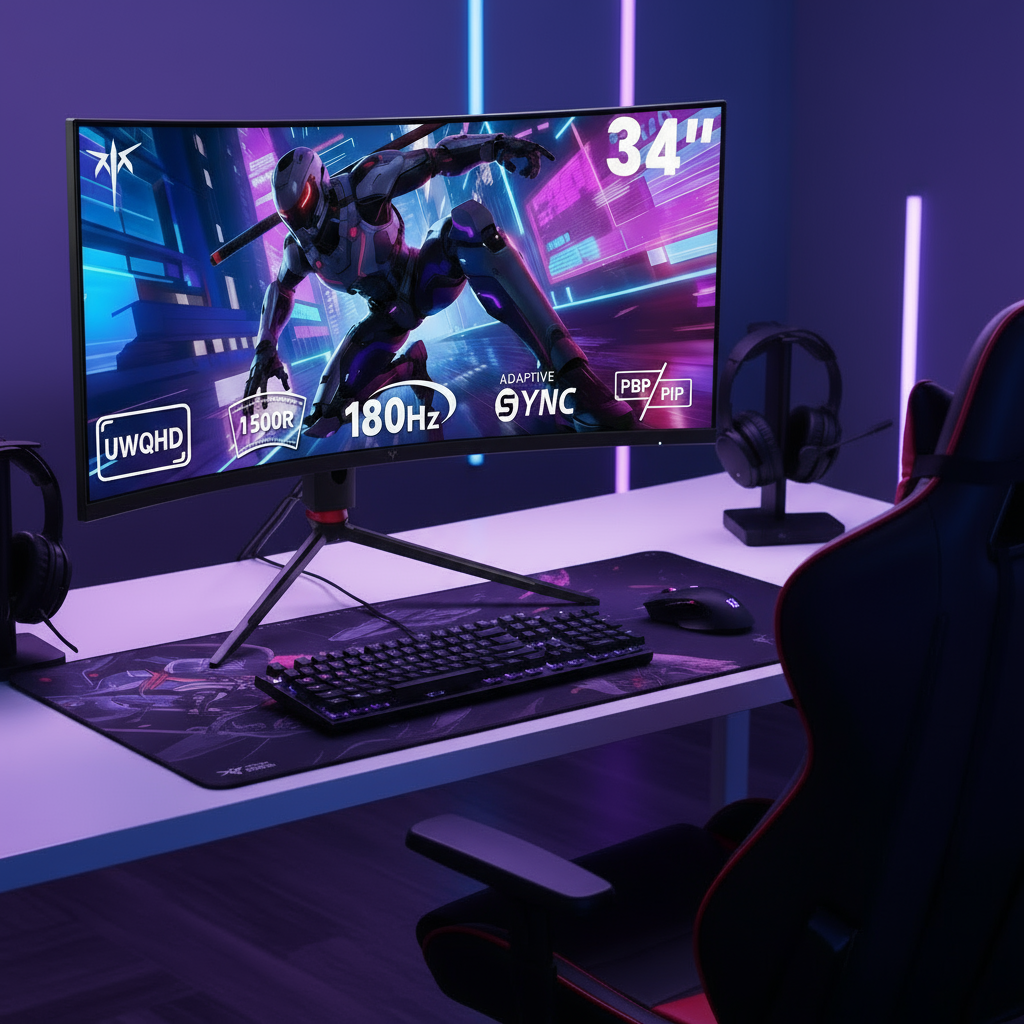




For Adaptive Sync to work, your GPU, monitor port, cable, and display settings all need to support variable refresh rate. For most PC gaming monitors, DisplayPort is the safest choice; HDMI works well when both ends support a modern version with VRR.
Start With the Sync Type
Adaptive Sync lets the monitor adjust its refresh rate to match the GPU’s frame output, reducing tearing and uneven motion. In real setups, support depends on the exact GPU, monitor, input port, cable, and display setting.
For many PC monitors, DisplayPort remains the most reliable route because variable-refresh support is often tied to that input, depending on the monitor, as noted in monitor-connection comparisons. Some newer displays support VRR over HDMI, but you still need to confirm the exact model and port.
DisplayPort: The Safer PC Gaming Choice
For a desktop gaming rig, choose DisplayPort when available. It was built around PC monitor use, supports high refresh rates well, and is commonly the cleanest path for Adaptive Sync on 144Hz, 165Hz, 240Hz, and ultrawide displays.
DisplayPort 1.2 is usually enough for 1440p at moderate high refresh rates, while DisplayPort 1.4 is a stronger match for 1440p at very high refresh rates or 4K gaming. DisplayPort also supports variable-refresh behavior and monitor-focused features such as daisy-chaining, which makes it useful for gaming desks and productivity setups alike.
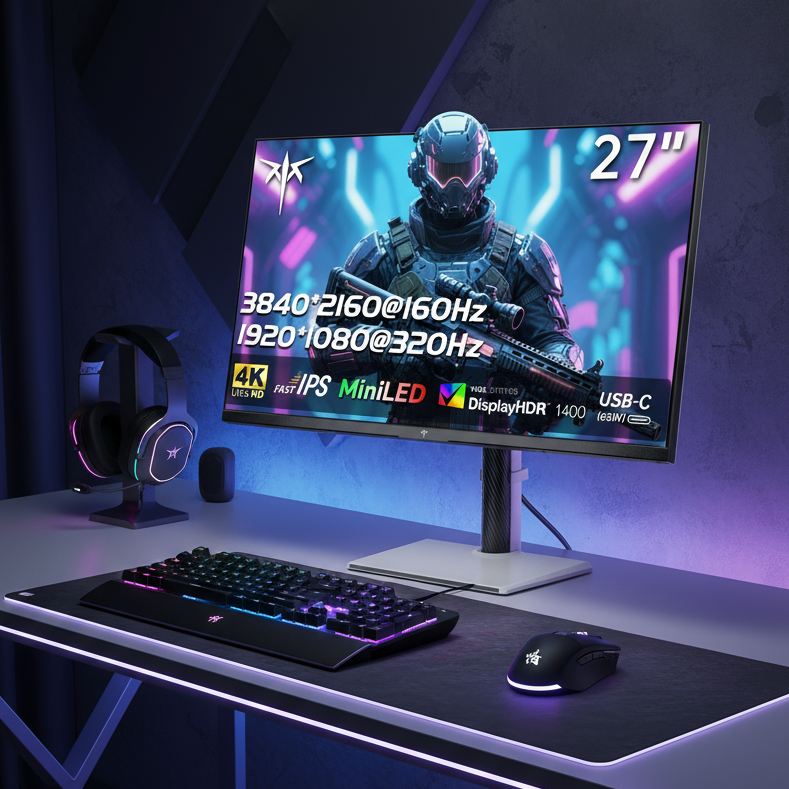
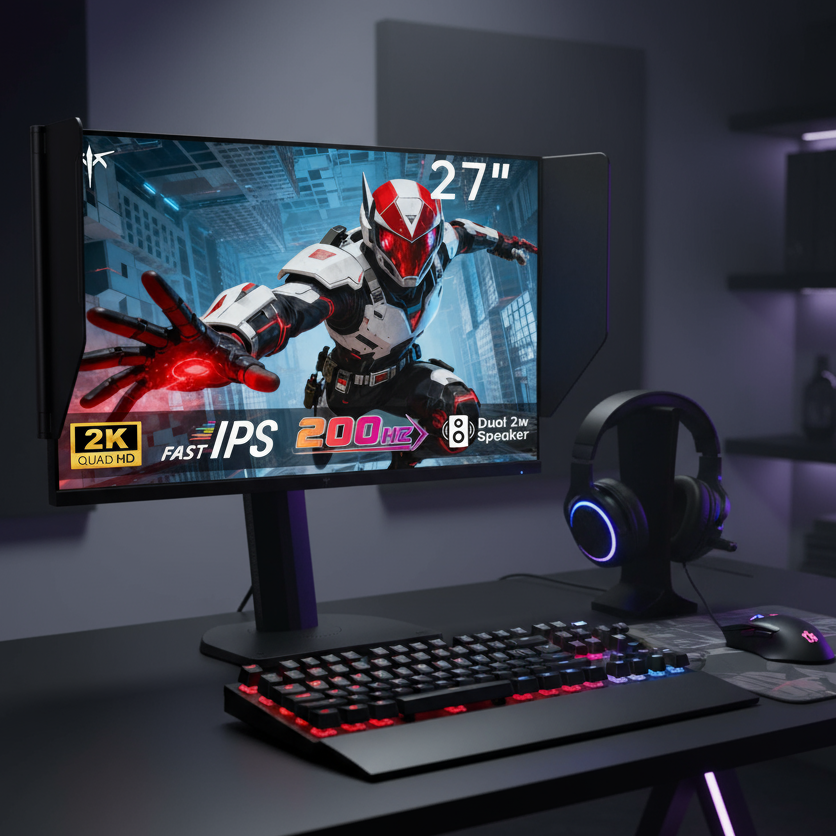
A practical example: if you bought a 27-inch 1440p 165Hz gaming monitor, use the included DisplayPort cable first. It gives you the best chance of unlocking the full refresh rate and Adaptive Sync toggle without extra troubleshooting.
HDMI: Great for Consoles, TVs, and Modern Displays
HDMI is the universal connector. It is common on game consoles, TVs, laptops, office displays, projectors, and portable screens, so it wins on compatibility.
For Adaptive Sync, version matters. HDMI 2.1 includes gaming-focused features such as Variable Refresh Rate, while older HDMI connections may cap refresh rate or skip VRR support depending on the device. A cable overview notes that HDMI 2.1 can support 4K at 120Hz, which is why it matters for current game consoles and premium 4K gaming monitors.
Use HDMI when your monitor or console specifically supports HDMI VRR. For a living-room 4K 120Hz setup, a certified Ultra High Speed HDMI cable is the value-protecting choice.

USB-C and Portable Screens
USB-C can be excellent, but it is not automatically a gaming display connection. The USB-C port must support video output, usually through DisplayPort Alt Mode, and the cable must be full-featured rather than charge-only.
This matters most for laptops, handheld PCs, and portable smart screens. A USB-C portable monitor may carry video and power through one cable, but Adaptive Sync support depends on the display controller, GPU, and refresh-rate capability. For gaming, wired USB-C or HDMI is still better than wireless casting because latency matters.

“USB-C cable” describes the connector shape, not the video standard, so always check whether the port carries DisplayPort, HDMI Alt Mode, or another video-capable mode.
Quick Buying Checklist
Before you blame the monitor, check the whole signal chain:
- GPU output: DisplayPort, HDMI 2.1, or USB-C video support.
- Monitor input: Adaptive Sync supported on that specific port.
- Cable rating: certified DisplayPort or correct HDMI bandwidth.
- Refresh setting: enable the monitor’s maximum refresh rate in the operating system or GPU software.
- Monitor menu: turn on Adaptive Sync, VRR, or the display’s equivalent setting.

For most PC gamers, the best first move is simple: plug in DisplayPort, enable Adaptive Sync in the monitor menu, then activate VRR in your GPU control panel. For console and TV-style setups, use HDMI 2.1 and verify VRR support on both the display and device.