Blue light is not automatically worse from a monitor than from a smartphone. In real use, phones often hit your eyes more intensely because they sit much closer, while monitors more often create discomfort through longer sessions, glare, brightness, and poor setup.
If your eyes feel tired after a late-night gaming session or a long workday split between a desk monitor and a cell phone, the question is practical, not academic. One sleep study on students found that reducing nighttime smartphone blue light improved average PSQI sleep scores from 6.83 to 3.93, which is a meaningful shift from “bad” to “good” sleep. Here is how to compare monitor and phone exposure in the real world and what to buy or change if comfort matters.
The Short Answer: Distance Usually Matters More Than Screen Type
Viewing distance can matter more than screen size alone because digital-device concern is driven by proximity, usage time, and cumulative daily exposure, not just by whether the screen is called a monitor or a phone. A company notes that holding a display twice as close can quadruple light intensity, which helps explain why a small phone can compete with or exceed a much larger monitor in practical exposure.
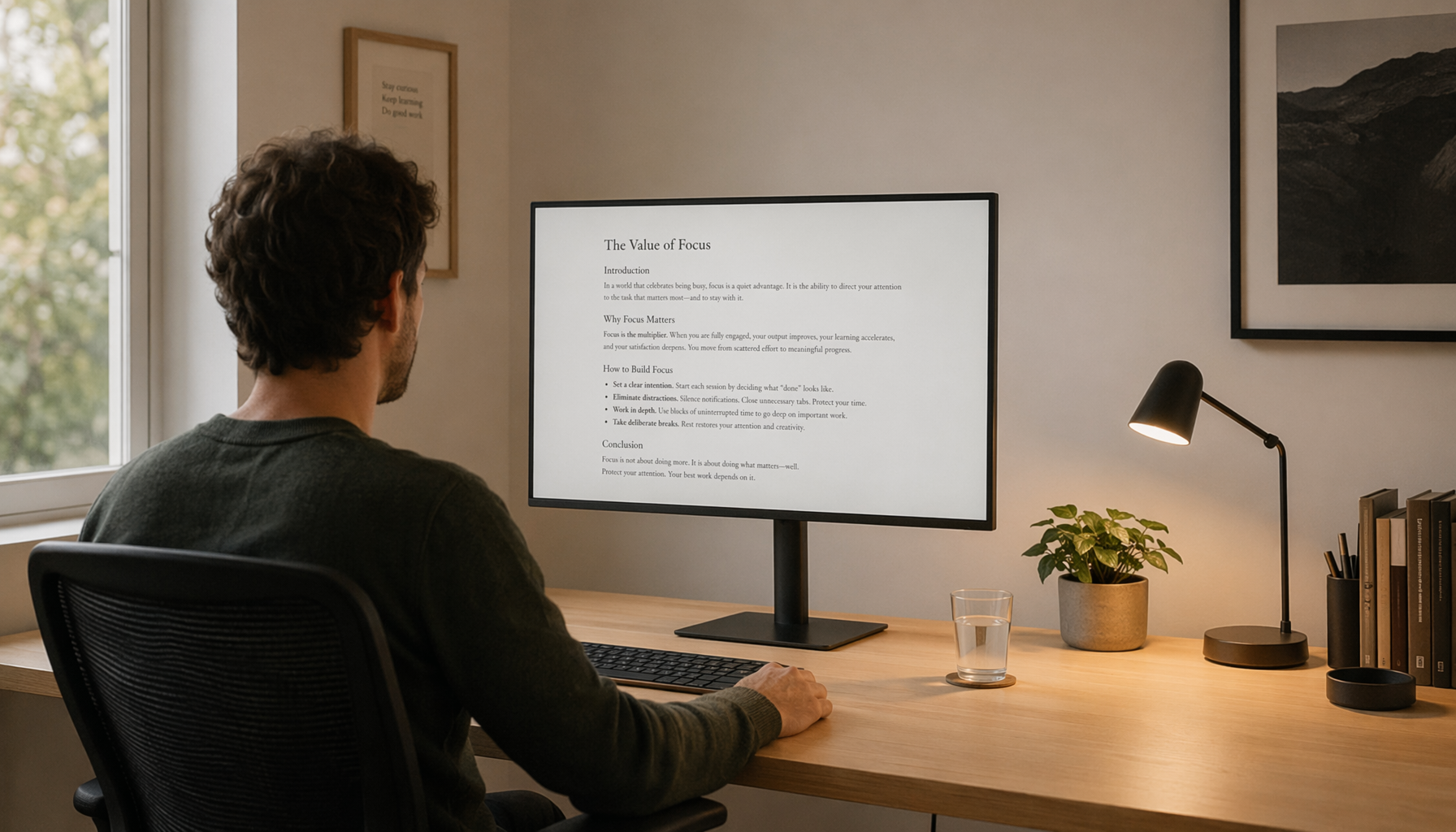
Phone users commonly view screens at about 30 cm, or roughly 12 inches, while monitor guidance typically puts the screen about an arm’s length away, with a brand recommending at least 20 inches. In plain terms, a 27-inch monitor across a desk is not automatically harsher than a 6-inch phone near your face in bed.

Monitor blue light is minimal compared with sunlight, and the evidence for permanent eye damage from screen blue light remains mixed. The better-supported issue is sleep disruption and visual discomfort, especially when exposure happens at night or in long, uninterrupted sessions.
Why Monitors Often Feel Worse Even If Phones Are Closer
Digital eye strain is linked to prolonged screen use, and blue light is only one piece of that problem. Brightness, glare, reduced blinking, sustained focus, and poor ergonomics all contribute to dry eyes, blurred vision, headaches, and facial fatigue. That is why a desk setup can feel worse by 5:00 PM even if your phone is technically closer when you use it.
Computer users often face 6 to 9 hours of screen time or more, plus glare and posture issues, while some adults may spend up to 19 hours a day in front of screens overall. In a typical workflow, a buyer may use a 27-inch office monitor for eight hours, a gaming monitor for two more, and then scroll a phone before bed. The monitor may drive most daytime discomfort, while the phone may be the bigger sleep problem.
Prolonged screen use can reduce blink rate by nearly half, which speeds tear evaporation and makes eyes feel scratchy and tired. That matters for monitors because people often stare continuously at spreadsheets, code, or game HUDs without the natural breaks that happen during more casual phone use.
Smartphones Are Usually the Bigger Sleep Risk at Night
Reducing blue light from smartphone screens at night improved subjective sleep quality in a study of medical students ages 20 to 22. The average PSQI score improved from 6.83 to 3.93, alongside easier sleep onset and better daytime functioning. That does not prove phones are always “worse,” but it is strong practical evidence that late-night phone habits are a high-yield target.
Evening blue light exposure can delay melatonin release, and smartphones combine several risk factors at once: close viewing distance, dark-room use, and the habit of holding the screen inches from the face. A bright phone at 11:30 PM usually creates a more direct sleep challenge than a well-set monitor used earlier in the day.

Blue-light filters and night modes help, but color tradeoffs are real. Testing cited there found that monitor blue-light modes reduce short-wavelength output, while a platform night mode can reduce it even more, though warmer images can hurt color accuracy. For gamers, creators, or buyers comparing displays, that means you should use stronger warm filtering at night, not all day when image fidelity matters.
What This Means When Buying a Monitor
Eye-friendly monitors are defined by more than blue-light filtering because comfort also depends on flicker control, adjustable brightness, color temperature, resolution, and ergonomics. A brand makes the same point by framing monitor comfort as a package that includes flicker-free behavior, low blue light, ambient-light adaptation, and anti-glare design.
Display flicker, glare, and brightness mismatch are key contributors to computer vision symptoms. For a buyer, that means an eye-care monitor should have a flicker-free backlight, matte or anti-glare coating, height and tilt adjustment, and easy access to low-blue-light presets in the on-screen menu. A model like the a brand 27” 4K IPS 60Hz Low blue Light Home&Office Monitor is one example of that kind of setup, but brightness, viewing distance, and late-night phone use still matter more than the preset itself.

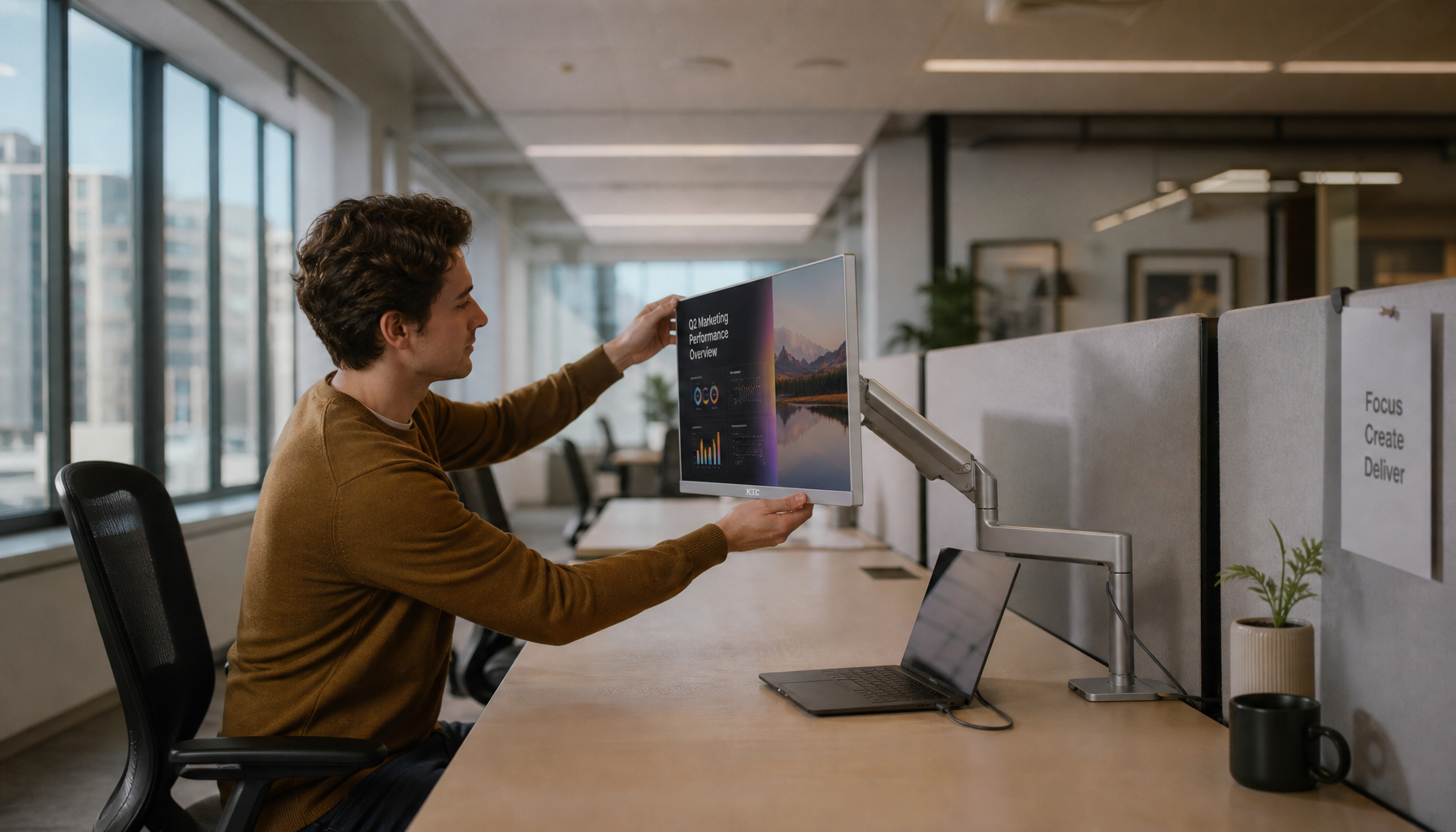
For most users, 24 to 27 inches is a practical comfort range, while 32 inches can work well if you sit farther back or multitask heavily. Higher resolution also helps on larger screens because a 4K panel can reduce the need to zoom and scroll, which lowers visual friction during long office or editing sessions.
Do Gaming, Ultrawide, and Portable Monitors Change the Answer?
High-refresh-rate monitors can improve long-session comfort because refresh rate affects how smoothly images update, and a brand recommends at least 120 Hz for long-term use. A 144 Hz or 165 Hz gaming monitor is not automatically worse for blue light; in many setups it can actually feel easier on the eyes than a lower-refresh display with more visible flicker or motion discomfort.
Curved and ultrawide displays can reduce distortion and widen the field of view, which may make long viewing more comfortable. The tradeoff is behavioral: immersive screens can keep you engaged longer, so total exposure time may increase even if the panel itself is well designed.
Portable monitors need stricter setup discipline because people often place them too close and too low. That recreates some of the same convergence and neck-strain issues seen with phones. If you use a portable monitor for travel or a dual-screen laptop setup, keep it at least 20 inches away when possible and match brightness to the room instead of leaving it on a harsh default setting.
Monitor vs. Smartphone: Real-World Comparison
Factor |
Smartphone |
Standard Monitor |
Gaming/Ultrawide Monitor |
What it means for buyers |
Typical viewing distance |
About 12 inches |
About arm’s length |
About arm’s length, sometimes farther on larger screens |
Closer devices can create higher effective exposure |
Session pattern |
Short bursts, often late at night |
Long work sessions |
Long work or gaming sessions |
Phones often affect sleep; monitors often drive daytime strain |
Blue-light concern |
High at bedtime |
Moderate in daytime use |
Similar to standard monitors |
Timing matters as much as device type |
Comfort risks beyond blue light |
Convergence demand, neck bend |
Glare, blinking less, fixed focus |
Same plus longer immersion |
Ergonomics and breaks matter more on larger displays |
Helpful features |
Night mode, larger text |
Flicker-free, anti-glare, adjustable stand |
120 Hz+, flicker-free, low blue light, ergonomic stand |
Buy for full eye comfort, not just blue-light claims |
Color tradeoff with filters |
Warmer image |
Warmer image |
Warmer image may affect games and creative work |
Use strong filtering mainly in the evening |
Action Checklist for Display Buyers
- Set your monitor about an arm’s length away, or at least 20 inches, with the top slightly below eye level.
- Match brightness to the room instead of using maximum brightness during office work or nighttime gaming.
- Use low-blue-light or night modes after sunset, especially on your phone.
- Prioritize flicker-free, anti-glare monitors with height and tilt adjustment over blue-light marketing alone.
- Choose 120 Hz or higher if you spend long hours gaming or tracking motion on screen.
- Take a 20-second distance break every 20 minutes and add a longer 10-minute break about every 30 minutes if your eyes feel dry or tight.

FAQ
Q: Is a gaming monitor worse than a smartphone for blue light?
A: Not by default. A gaming monitor is usually farther away, which lowers effective exposure, but long sessions can still create more overall discomfort if brightness, glare, and breaks are poorly managed.
Q: Do low blue light modes solve eye strain?
A: No. They can reduce short-wavelength output and may help at night, but eye strain also comes from flicker, glare, posture, dry eyes, and uninterrupted focus.
Q: Should I avoid high-refresh-rate monitors if I am worried about eye comfort?
A: Usually no. A well-tuned 120 Hz to 165 Hz monitor can feel more comfortable than a lower-refresh screen, especially for motion-heavy use, as long as the panel also has good brightness control and flicker-free behavior.
Final Takeaway
The better question is not “monitor or smartphone?” but “how close, how bright, how long, and what time of day?” Phones are often the bigger late-night sleep disruptor because they are held much closer, while monitors are more often the bigger source of daytime eye fatigue because people use them for hours without fixing glare, flicker, brightness, or posture.
If you are shopping for a monitor, focus on eye-care fundamentals first: flicker-free performance, anti-glare coating, ergonomic adjustment, easy low-blue-light presets, and enough resolution and refresh rate to reduce visual friction. That approach protects comfort more effectively than chasing blue-light claims in isolation.