A calibrated monitor does not become inaccurate when the room light changes, but your perception of white balance, contrast, and shadow detail can shift enough to make it look wrong.
Ever calibrate a monitor at night, feel good about it, then wonder the next morning why the same gaming or ultrawide display suddenly looks too warm or too cool? That happens in real setups, especially when a desktop monitor is profiled in a dark room and then used beside a laptop in a bright office. The goal here is to help you separate true calibration problems from room-light problems, then set up or buy a monitor that stays easier to trust.
Why a Calibrated Monitor Can Still Look Wrong
Your profile stays the same, but your eyes do not
A single ICC profile is usually enough for a self-emitting monitor, because ambient light changes perceived color more than the panel’s actual output. That matters whether you are using a 27-inch desktop display, a 240 Hz gaming monitor, or a portable monitor on a hotel desk.
The practical problem is white adaptation. Under warmer room lighting, a properly calibrated D65-style display can look bluish or harsh. Under cooler daylight-like lighting, that same display can look yellowish or soft. The monitor did not drift; your visual system changed its reference for “white.”
Calibration targets still need to fit the room you use most often. Typical monitor targets remain around 80 to 120 nits, a D65 or D55 white point, and gamma 2.2. For most monitor buyers, that means choosing one sensible target for the primary workspace and controlling the room, instead of creating separate profiles for every lamp state.
When a different result points to bad measurement
If calibration results change dramatically between lights-on and lights-off sessions, the issue may be the measurement, not the monitor. The colorimeter should sit flush against the panel so it reads only screen light; if ambient light leaks into the sensor, the profile can be skewed.

That is why many calibration instructions still recommend no direct light on the screen and often a darkened room during measurement. A forum example from a calibration-tool setup shows how easily brightness and warmth comparisons become confusing when a calibrated desktop display is judged next to an uncalibrated laptop under much brighter everyday lighting.
How Warm, Neutral, and Cool Room Light Change What You Notice
Warm room light usually makes a calibrated display look cooler
In a warm evening room, whites on a calibrated monitor often look slightly blue by comparison. On a gaming monitor, that can make HUD elements feel sharper but also make skin tones or neutral grays seem less natural. On a creator-oriented monitor, the same shift can tempt you to “fix” an image that was not actually wrong.
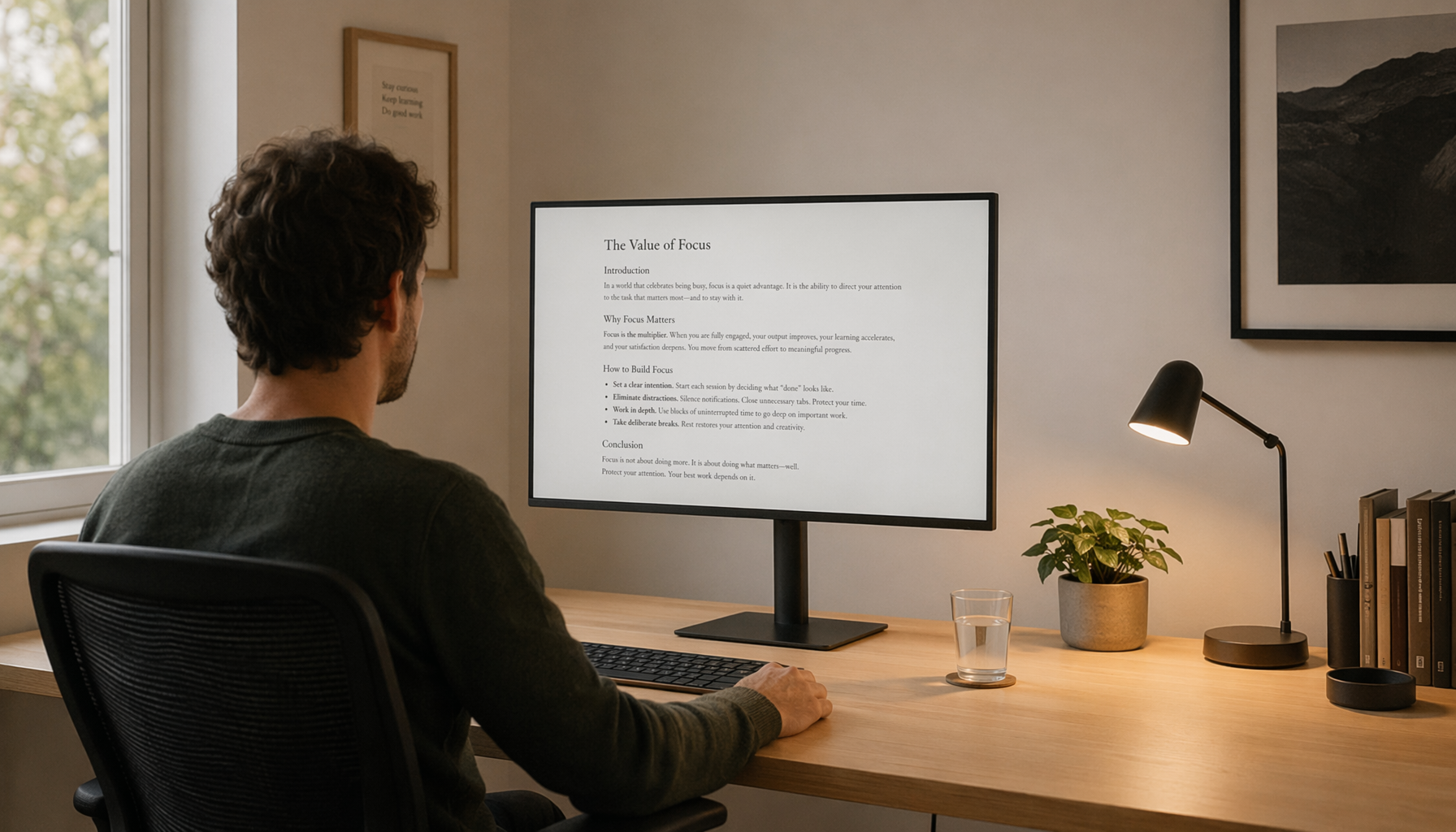
A workspace-lighting workflow built around diffuse, moderate, stable light is the safest approach. Neutral surroundings also help. Gray walls, gray desktop UI elements, and less color spill from LEDs reduce the chance that your eyes adapt to the room instead of the display.
Cool room light can make the screen feel warmer and flatter
Under cool, daylight-like lighting, a calibrated display can appear warmer than expected. This is one reason a factory sRGB mode can look “cleaner” at one time of day and “off” at another, even when the calibrated mode is technically closer to the target.
The same source discussion that recommends matching white point to ambient lighting also notes that surround brightness affects preferred gamma. Darker surroundings often suit something closer to 2.4, while brighter surroundings tend to feel more natural closer to 2.2 or even 2.0. For mainstream monitor use, gamma 2.2 remains the safest default, but the reason some users describe a monitor as “crushed” at night and “washed out” by day is often the room, not the panel.
Brightness Matters as Much as Color Temperature
A portable monitor brightness guide makes an important point for buyers: higher brightness does not directly expand color gamut, but it does improve perceived contrast and make subtle differences easier to see in bright environments. That is why a calibrated 250-nit office monitor can look excellent in a controlled room and disappointing near a sunny window.

For desk monitors, 250 to 350 nits is usually enough for home-office use, but that range assumes reasonable control over the room. If you work in mixed lighting, near a window, or under bright overhead LEDs, more brightness headroom gives you a better chance of keeping a calibrated image readable without blowing out your eyes after dark.
Viewing condition |
What a calibrated display often looks like |
Useful monitor target |
|
Dark room gaming |
Too bright, harsher contrast, more eye fatigue |
Lower brightness, stable gamma |
Fine low-end brightness control |
Neutral daytime office |
Most accurate and easiest to trust |
Around 80 to 120 nits for color work |
Good factory sRGB mode |
Bright room or co-working space |
Washed-out blacks, weaker contrast |
More brightness headroom |
300+ nit screen |
Portable or near-outdoor use |
Hard to see, color judgments less reliable |
High visible brightness |
400+ nit screen |
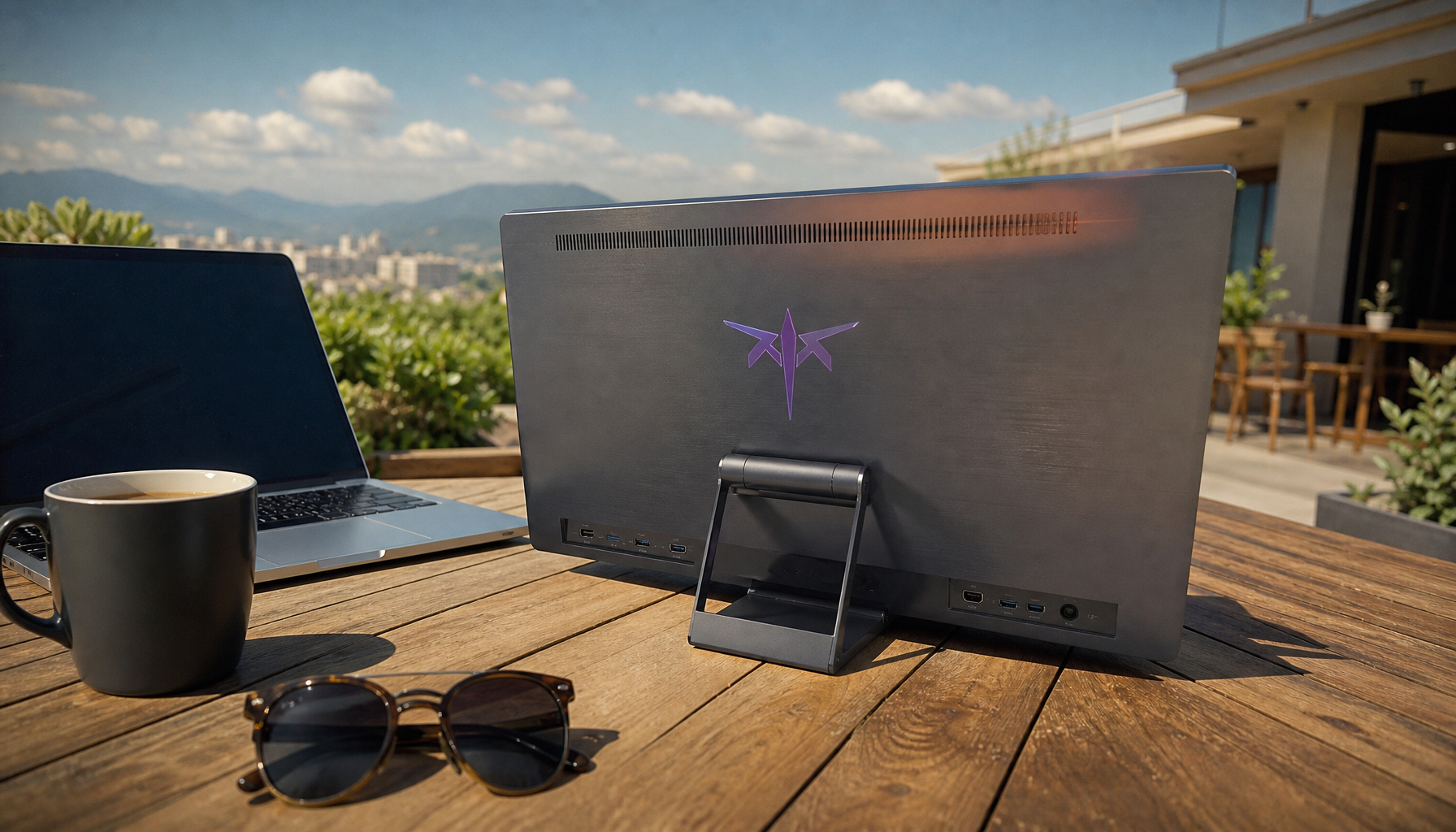
For portable monitors, the buying math is stricter. The same brightness guidance suggests 300+ nits for cafes, libraries, and co-working spaces, with 400+ nits much more useful outdoors or in very bright rooms. That matters more than minor spec-sheet claims about color when your real problem is simply seeing the image clearly enough to trust it.
Bias Lighting Helps More Than Most People Expect
A light behind the monitor is different from a light on your desk
Bias lighting is indirect light behind the display, not a bright lamp above it and not a front-facing bulb bouncing off the panel. Its job is simple: reduce the jump between a bright screen and a dark wall so your eyes are not constantly adapting to extremes.

That helps in two ways. First, perceived contrast becomes steadier, so dark scenes in games and movies feel less punishing. Second, eye fatigue drops because the screen is no longer the only bright object in view. This is especially useful on gaming monitors that ship far too bright out of the box; one long-running example in the bias-lighting discussion had LCD brightness reduced to 25 out of 100.
What to avoid in real monitor setups
Direct overhead light is still a bad idea because it creates reflections and glare. That is true whether you are using a flat 27-inch IPS display or a large ultrawide. A bright point source in your field of view does more damage to comfort than a soft, even background glow.
A monitor light bar can still be useful for keyboard or desk illumination, especially if it has adjustable warm, neutral, and daylight-like presets and avoids shining directly into the panel. It just should not replace bias lighting behind the monitor when your goal is color consistency and lower fatigue.

What to Look for When Buying a Monitor for Changing Light
For a desktop or gaming monitor, prioritize a wide usable brightness range, a trustworthy sRGB mode, and enough on-screen controls to quickly adjust luminance without wrecking color. A calibration tool remains one of the more established tools if you want to verify results, check profile accuracy, or manage multiple displays with the same instrument.
For portable monitors, brightness is often the deciding feature. Battery-powered convenience is nice, but a dim panel becomes frustrating fast once you leave a controlled room. Some portable displays also include ambient-light-aware adjustment, and a forum example around the portable monitor model from a brand shows why that can matter in sunlight or field work, even if the underlying panel is not exceptional.
For ultrawide monitors, the best buying advice is partly an inference from the glare and surround-light evidence above: the larger the bright surface in front of you, the more important stable room lighting becomes. A 34-inch or 49-inch display benefits more from neutral wall color, careful placement away from direct light, and space for proper bias lighting than a smaller office monitor does.
FAQ
Q: Do I need separate calibration profiles for day and night?
A: Usually no. A single profile is enough for most self-emitting monitors. It is better to control room lighting and adjust screen brightness than to keep switching profiles.
Q: Why does my calibrated gaming monitor look too warm at night?
A: Warm room light changes your visual reference for white. The display may still be correct, but next to warm lamps it can look cooler, sharper, or slightly unnatural.
Q: Is higher brightness the same as better color?
A: No. Higher brightness does not directly improve gamut, but it can make contrast and subtle detail easier to see in bright environments. That is why a 400+ nit portable monitor is easier to trust in a cafe than a dimmer one.
Practical Next Steps
If you want a calibrated monitor to stay believable across real-world use, treat the room as part of the display system. Most problems come from mismatched room light, excessive factory brightness, or glare, not from a bad ICC profile.
- Calibrate with the sensor flush against the screen so ambient light does not leak into the reading.
- Pick one main target for your usual workspace instead of creating profiles for every lighting change.
- Keep direct light off the panel and avoid bright overhead reflections.
- Add soft bias lighting behind the monitor for night gaming and long editing sessions.
- Use lower brightness at night and more brightness headroom during the day.
- For portable monitors, buy at least a 300+ nit panel for indoor travel use and aim for 400+ nits if bright environments are common.
References
- a photography Q&A platform: monitor profiles and ambient light
- a company: portable monitor brightness levels
- a photography forum: calibration with room lights on or off
- a calibration tool
- a photo-graphics publication: monitor color calibration
- a platform: monitor light bar
- a robotics forum: external screen under sunlight
- a tech blog: bias lighting
- a tech forum: bias lighting and gaming monitor setup