OLED burn-in prevention starts with one simple rule: reduce static UI exposure first, then use the panel's protection features as support. If you use the same OLED for spreadsheets by day and games by night, the main risk is not OLED itself, but leaving taskbars, browser chrome, launchers, and HUDs in the same place for hours.

Why Burn-In Anxiety Hits Mixed-Use Desks
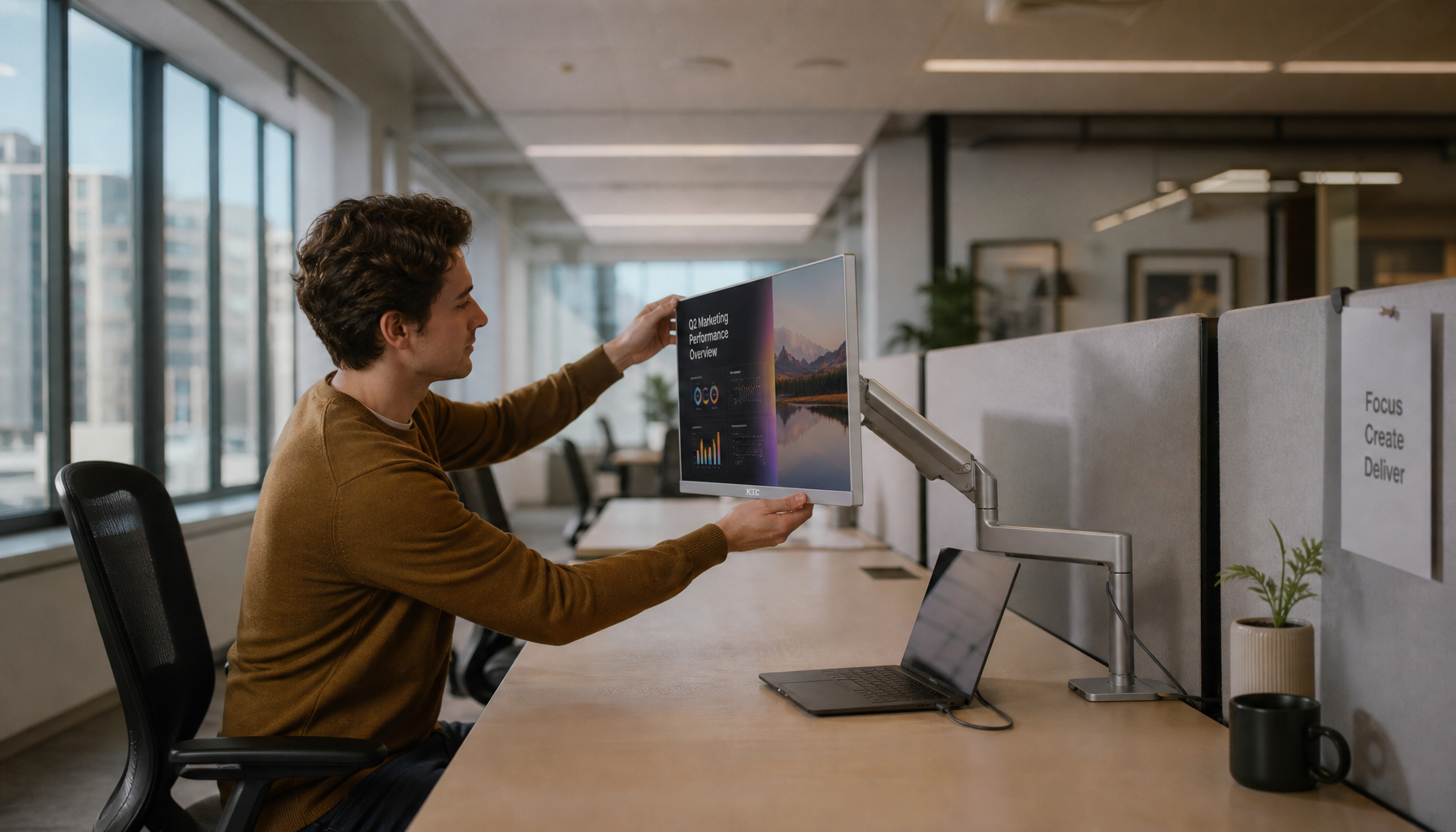
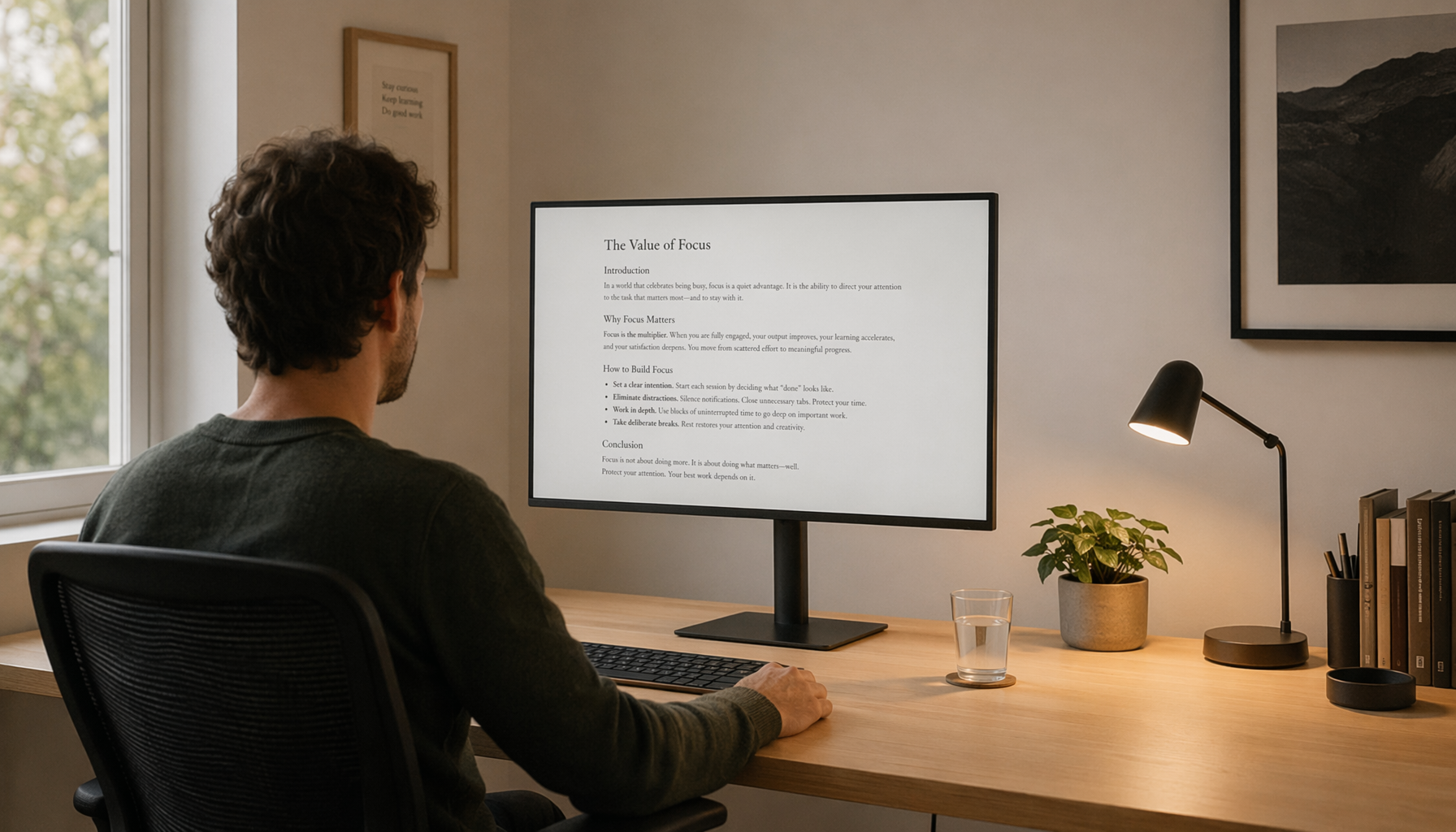
For mixed-use buyers, the worry is usually about repeated patterns, not one dramatic mistake. Daytime work tends to keep the same windows in place, while evening gaming adds HUDs, mini-maps, status bars, and launcher screens. Those repeated overlays are why OLED burn-in prevention matters more on a shared desk than on a TV used mostly for changing video content.
The practical goal is not to make the monitor feel fragile. It is to lower the time that static elements stay frozen in the same spot. If you want a broader shopping path while you compare panel types, the Gaming Monitor category is a reasonable place to start, but it should be treated as a browse path, not proof that every model is equally suited to long static work.
A useful decision sentence for this topic is: if your desk is 8 hours of office windows plus 2 to 4 hours of games, the prevention problem is real; if your use is mostly video, the worry is usually lower. Another one is: if the same taskbar, dock, or HUD sits in one place all day, habits matter more than marketing claims.

Set the Display for Lower Static Wear
Keep this section practical: the best OLED settings for mixed work and play are the ones that reduce exposure without making the screen annoying to use.
Brightness and HDR Discipline
Brightness should be set as low as feels comfortable for the room, then nudged up only when the room gets brighter or the content demands it. Running OLED at maximum brightness all day is usually unnecessary for office work, and it can make static elements more visually persistent. That is why the firmware-first buying strategy is relevant here: OSD flexibility and sensible controls often matter more than chasing peak brightness alone.
For mixed desks, the cleanest rule is simple. Use a comfortable baseline for documents and browsing, then raise brightness only when the game or room light calls for it. If the room is dim, lower brightness further rather than relying on HDR mode to solve every scene.
Pixel Shift, Screen Savers, and Sleep Timers
Pixel shift, screen move, auto-dim, screen savers, and short sleep timers help, but they are support tools, not a complete fix. They are most useful when your desk sits idle between meetings or when you step away often. If the panel can go dark during breaks, that is better than leaving the same content up forever.
The main boundary is convenience. If a feature interrupts focus or creates too much friction, it is less likely to be used consistently. In real use, a shorter sleep timer and a reliable screen saver usually do more for daily habit change than a feature you have to remember to start manually.
Refresh Rate, Text Clarity, and Comfort
Refresh rate mainly affects motion smoothness, so do not treat it as a burn-in setting by itself. For gaming, keep the mode that preserves motion clarity and responsiveness, then manage static exposure through layout, brightness, and breaks. For desktop work, text clarity can matter as much as motion, which is why How OLED Subpixel Layout Affects Text Clarity on Desktop is a useful follow-up if text rendering is your biggest concern.
If you are torn between panel styles, RGB OLED vs. WOLED in Monitors is worth reading next. The decision flip is straightforward: if desktop text is your main annoyance, panel behavior matters more; if gaming response is your priority, motion and latency matter more than tiny text differences.
Build a Workday That Spreads Wear
A good workflow lowers risk without making the monitor feel restricted. The easiest habits are the ones you can keep on a busy day.
- Move static windows during the day. Shift the taskbar, resize docked panels, or alternate browser positions so the same icons do not sit in the same place for hours.
- Let the screen go dark during breaks. Lunch, calls, and focus resets are the easiest times to stop showing the same content continuously.
- Use more motion when it fits the task. Full-screen video, dynamic wallpapers, and rotated content can help when you are not doing detailed office work.
- Clean up before gaming. Hide especially static overlays, launchers, and desktop widgets when you switch into a game session, then bring them back only if work needs them.
- Schedule panel maintenance for idle time. Pixel refresh or panel maintenance is easier to live with overnight than in the middle of a work sprint.
The key judgment is this: if you can move static elements a few times a day, OLED becomes far easier to live with. If your workflow is locked to one fixed dashboard all day, you need either stronger habits or a different display class.
Match Panel Features to Mixed Use
This is where the buying decision gets sharper. Not every OLED feature helps in the same way, and not every "protection" feature solves the real problem.
| Feature | What It Does For Mixed Use | When It Matters Most | Caveat To Watch |
|---|---|---|---|
| Brightness control | Keeps static UI less aggressive during long work blocks | Bright offices, all-day productivity | Too much brightness defeats the point |
| Pixel shift / screen move | Nudges the image so the same pixels are not always used identically | Long desk sessions with fixed UI elements | Helpful, but not a substitute for good habits |
| Screen saver / sleep timer | Stops the panel from sitting on one image during idle time | Meetings, lunch, and step-away breaks | Must be short enough to actually get used |
| Ergonomics | Makes it easier to change distance, angle, or posture | Shared desks and changing viewing positions | Comfort helps, but it does not remove static content risk |
| Text clarity | Reduces eye strain and makes office work easier to tolerate | Spreadsheets, browser work, coding, and docs | Depends on panel behavior, scaling, and viewing distance |
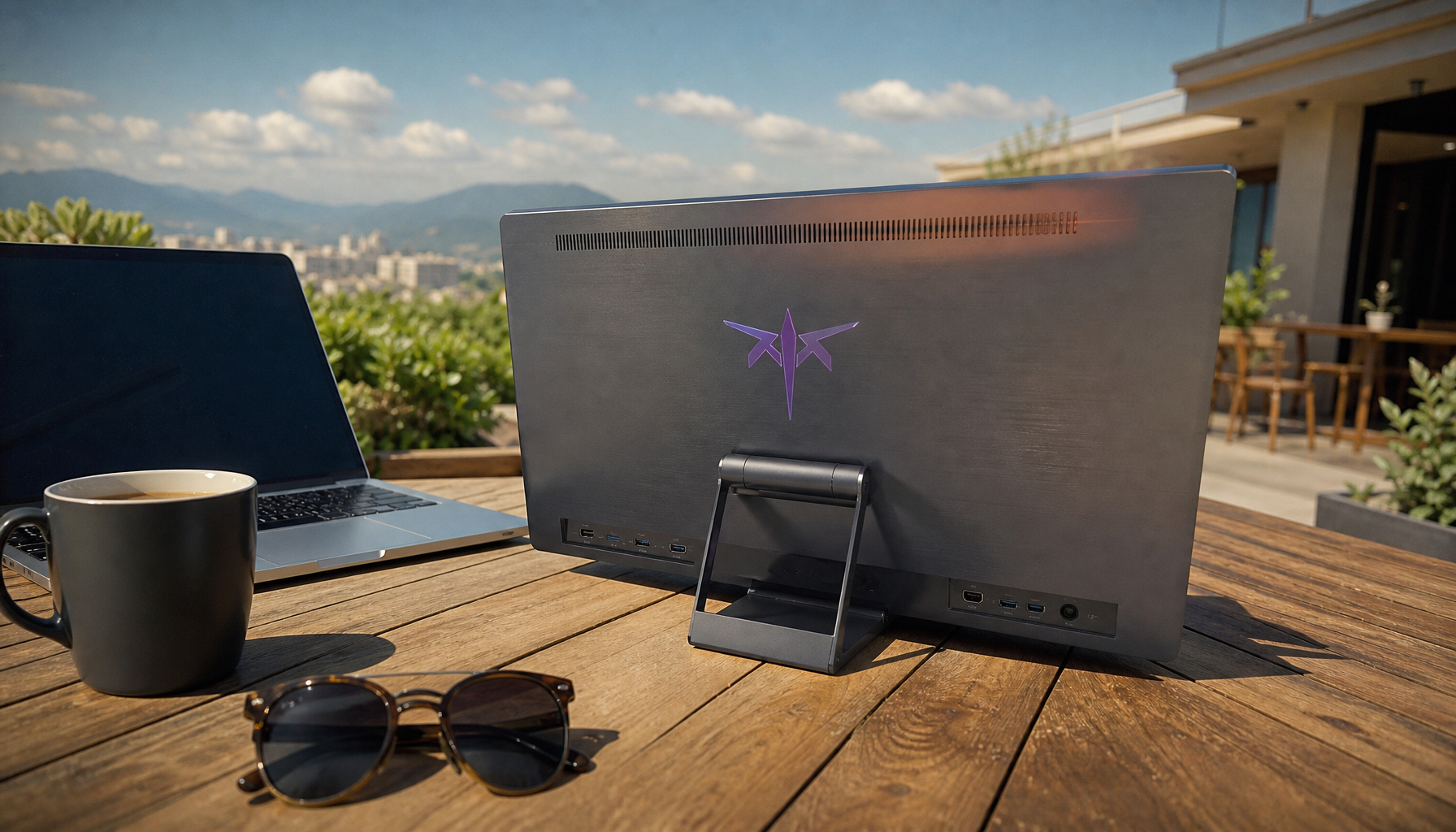
If you want a featured OLED option that fits a mixed-use desk without sounding like a generic pitch, KTC OLED 27" 2K 240Hz/0.03ms USB-C Gaming Monitor | G27P6 is the relevant store-side example to check. Its documented anti-burn-in nano-textured glass, 27-inch 2K OLED panel, 240Hz refresh rate, USB-C support, and ergonomic design make it a practical fit for buyers who change posture often, but it is still an OLED and still benefits from careful habits.
For comparison shopping, the All-OLED Monitor collection is the narrowest browse path if you specifically want OLED options, while the broader LCD Monitors category is better if you are still deciding whether OLED is the right compromise for your desk.
The decision line is worth stating plainly: if your workday is text-heavy and static, higher pixel density and usable ergonomics are valuable; if you are mostly gaming, the motion advantage matters more and the workflow compromises are easier to accept. If you are not ready to manage static content at all, a non-OLED monitor may be the lower-stress choice.
Pick the Right OLED for Shared Desk Duty
For a work-plus-gaming routine, the right OLED setup is usually the one that lowers friction, not the one with the flashiest spec sheet.
- Prefer higher pixel density if you spend most of the day in documents, dashboards, or browser tabs. Sharper desktop rendering makes OLED easier to live with.
- Prefer useful ergonomics if you change posture, desk distance, or viewing angle often. A monitor that is easy to position is easier to use correctly.
- Prefer clear controls or a documented maintenance routine if you want protection features you will actually remember.
- Check for specific anti-burn-in language instead of vague reassurance.
- Choose a non-OLED display if your desk is mostly fixed UI, spreadsheets, or always-on dashboards and you do not want to manage habits.
If you want a broader shopping comparison, All Monitors is the general catch-all browsing path, but it is best used after you have decided whether OLED habits fit your routine.
A useful filter is this: if you expect to keep the same monitor for years and still want gaming-first image quality, OLED can make sense; if you want the lowest-maintenance office setup possible, a non-OLED option is usually easier.
Use a Final Burn-In Checklist
Before you settle into daily use, run this quick check:
- Set brightness to a comfortable baseline for the room.
- Turn on pixel shift or screen move if the monitor includes it.
- Set a sleep timer or screen saver that actually triggers during breaks.
- Move taskbars, docks, and static panels so they do not stay in one place all day.
- Hide launchers, overlays, and HUDs when they are not needed.
- Learn when panel maintenance runs so you do not interrupt it during work.
- Watch for early persistence signs and adjust habits quickly instead of waiting months.
FAQs
Q1. How Often Should I Run Pixel Refresh on an OLED Monitor?
Use the monitor's own prompt or cycle instead of forcing refresh manually on a schedule. If no clear guidance is visible, run maintenance during overnight idle time and avoid starting it in the middle of a workday.
Q2. What Brightness Level Is Safest for Mixed Work and Gaming?
Use the lowest brightness that stays comfortable in your room, then raise it only when the scene or lighting requires it. For office work, most people can go lower than they do for games or bright daylight.
Q3. Can I Leave Static Windows Open for a Full Workday?
Yes, but do not leave them unchanged for hours every day. Shift the layout during breaks, move the taskbar or dock when practical, and hide especially static panels when you step away.
Q4. Does Higher Refresh Rate Increase Burn-In Risk?
Not by itself. Static content, brightness, and time on screen matter more. You can keep higher refresh enabled if you also manage the desktop layout and brightness sensibly.
Q5. Should I Buy OLED or a Non-OLED Monitor for Work and Gaming?
Choose OLED when gaming and image quality matter enough to support a few protection habits. If your desk is mostly spreadsheets, dashboards, or fixed UI all day, a non-OLED monitor is usually the lower-maintenance choice.
Related Resources
Track early signs with Display Aging Signals: Tracking Brightness Drift Before It Affects Workflows before they affect color-critical tasks. Review Why QD-OLED Monitors Still Show Text Fringing in Early 2026 if desktop clarity is a daily concern. Compare panel longevity factors in Why Do Some OLED Monitors Use White OLED with Color Filters Instead of RGB? when weighing mixed-use trade-offs.