Yes, but USB-C 2.0 alone is not enough. Your phone needs a real video path, such as DP Alt Mode, a supported adapter, or wireless casting.
Plug in your phone, see the monitor wake up, and get “No Signal”? That is the classic USB-C trap: the connector fits, the phone may charge, but video still may not pass. With the right compatibility check, cable, power setup, and fallback method, you can know before buying whether your phone can drive a portable screen.
The Short Answer: USB-C 2.0 Is Not the Deciding Factor
USB-C 2.0 describes the data speed of the USB connection, not whether the phone can send video. The important question is whether the phone’s USB-C port supports video output, usually DisplayPort Alternate Mode, often shortened to DP Alt Mode.
A one-cable USB-C connection is the cleanest setup for a phone and portable monitor, but both devices must support compatible USB-C video. If the phone only supports charging and USB 2.0 data over that port, the monitor will not receive a video signal through a normal USB-C display cable.
That is why two phones with the same oval USB-C port can behave completely differently. A flagship or productivity-focused phone may launch a desktop-style mode or screen mirroring on an external monitor, while a budget phone with USB-C 2.0 may only charge the monitor or detect a connected accessory.
USB-C 2.0 vs USB-C Video: The Critical Difference

USB-C is the physical connector. USB 2.0 is a data standard. DP Alt Mode is a video capability. Those three things are related, but they are not interchangeable.
A phone can have a USB-C port and still lack display output. A cable can fit and still be charge-only. A monitor can have USB-C and still require the correct input port, external power, or a video-rated cable. In practice, the entire chain must support video: phone, cable, monitor, and sometimes power source.
This is where buyers get burned. A USB-C port is only a connector type, and the slowest or least capable part in the chain decides what actually works. For storage, that may mean slow transfer speeds. For portable monitors, it can mean no picture at all.
Here is the practical distinction.
Term |
What It Means |
Why It Matters |
USB-C |
The reversible port shape |
It does not guarantee video |
USB 2.0 |
A lower-speed USB data mode |
It may handle charging and basic data, but not display output by itself |
DP Alt Mode |
Video over USB-C |
This enables many one-cable portable monitor setups |
Software-based display adapter |
Adapter-based video over USB data with software |
Useful when the phone lacks native DP Alt Mode, but app support and latency vary |
HDMI adapter |
Converts phone output to HDMI when supported |
Often needs separate power and may not support touch |
How to Check Whether Your Phone Can Drive a Portable Monitor
Start with the exact phone model, not the brand. “USB-C phone” is not specific enough. Manufacturers often vary display-output support by model family and price tier.
A USB-C screen mirroring setup is most common on flagship, foldable, gaming, and productivity-focused phones. Many lower-cost phones with USB-C ports do not support native video output.
For a real-world test, use a known video-capable USB-C cable and a known compatible portable monitor. If the monitor works with a laptop or handheld gaming device through the same cable but not with your phone, the phone is likely the limiting factor. If the phone detects something but the monitor stays blank, accessory detection is probably working while video output is not.
Also check the phone’s software features. Some phones offer a desktop-style mode, while others only mirror the screen. A desktop-style mode is usually better for productivity because it supports a larger workspace, window-like behavior, and smoother keyboard and mouse use.
What Happens If Your Phone Only Has USB-C 2.0 and No DP Alt Mode?
If your phone has USB-C 2.0 and no wired video output, a standard USB-C portable monitor cable will not work for video. You may still have three practical routes, but each has trade-offs.
The first fallback is an adapter that uses software-based mirroring. This can work over regular USB data because the phone sends compressed display data through an app and adapter rather than native DisplayPort video. It is useful for office dashboards, slides, web browsing, and document review, but it is not the first choice for gaming or color-critical creative work because latency, app compatibility, and copy-protection limits can get in the way.

The second fallback is HDMI mirroring through a phone-compatible adapter. A portable monitor connection method may use a single USB-C cable, an adapter-based connection, or wireless screen mirroring, depending on what the phone supports. Adapter setups often require external USB power, and touch input from the portable monitor usually will not pass back to the phone.
The third fallback is wireless casting through screen mirroring hardware. This is convenient for video watching, presentations, and casual use, but it adds lag and depends on Wi-Fi stability. For competitive gaming, fast mouse movement, cloud gaming, or precise design work, wireless is the weakest option.
Best Setup for Productivity, Gaming, and Travel

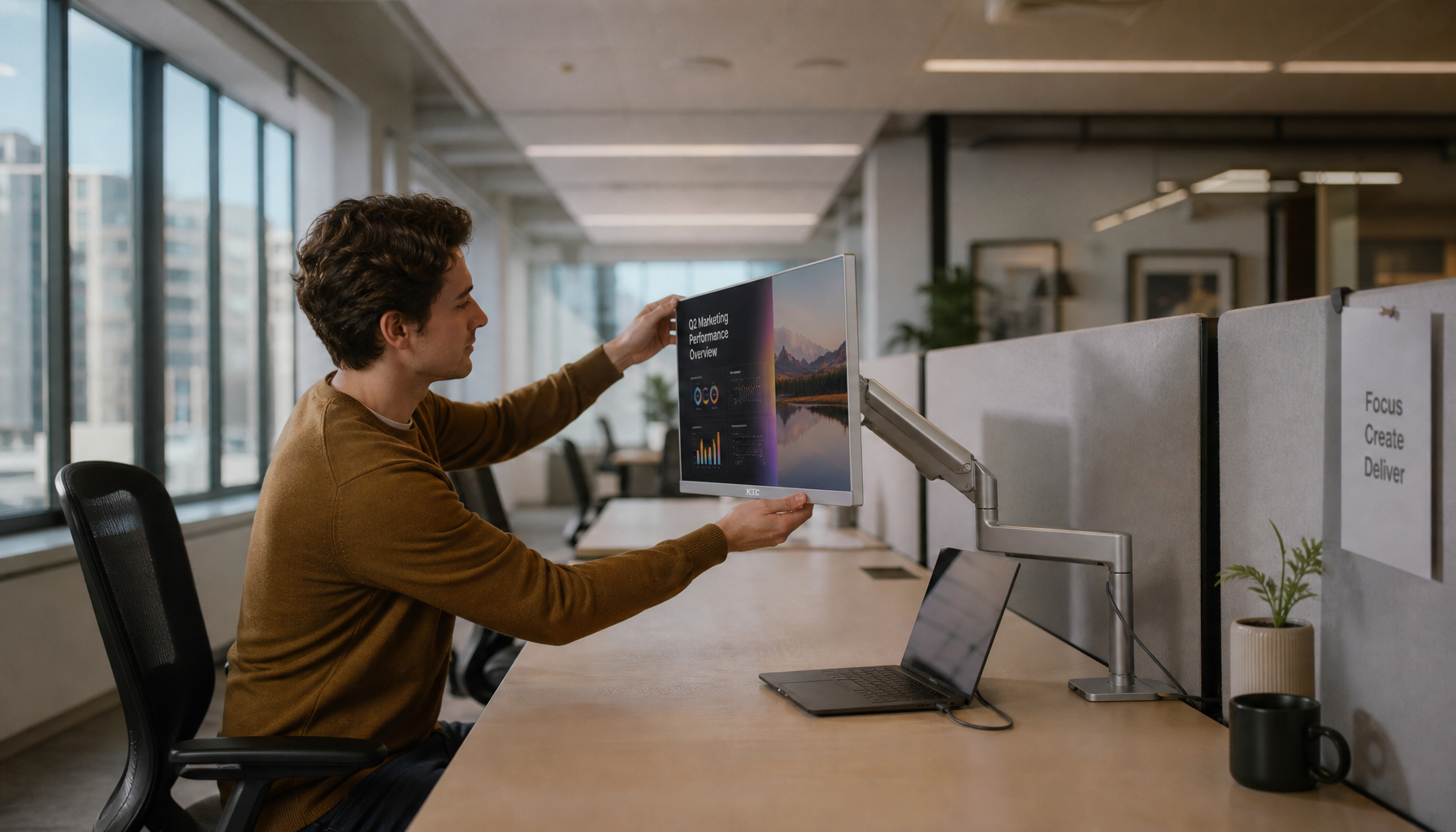
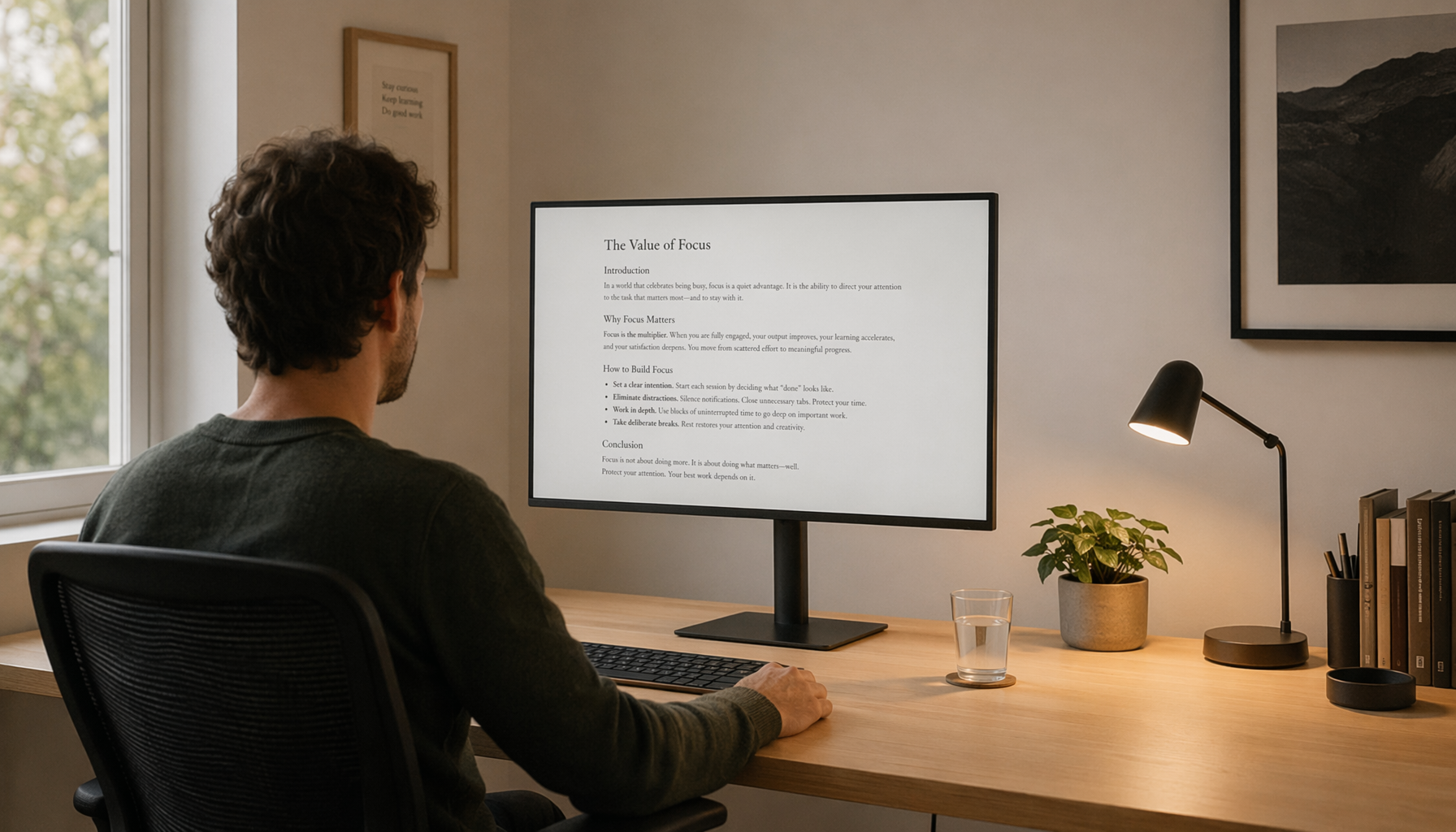
For productivity, the ideal setup is a phone with DP Alt Mode, a portable monitor with full-featured USB-C input, a short video-capable USB-C cable, and external power connected to the monitor. If the monitor supports power pass-through, one cable may carry video while power flows through the display and into the phone. That setup keeps the phone battery alive during long work sessions.
For gaming, wired video matters more. A wired connection reduces latency, and portable monitor buyers should look for refresh rates such as 120Hz or 144Hz, response time around 5ms or lower, and compatibility with the device they plan to use. A USB-C 2.0 phone without native video output is not a strong foundation for serious gaming on a portable monitor.
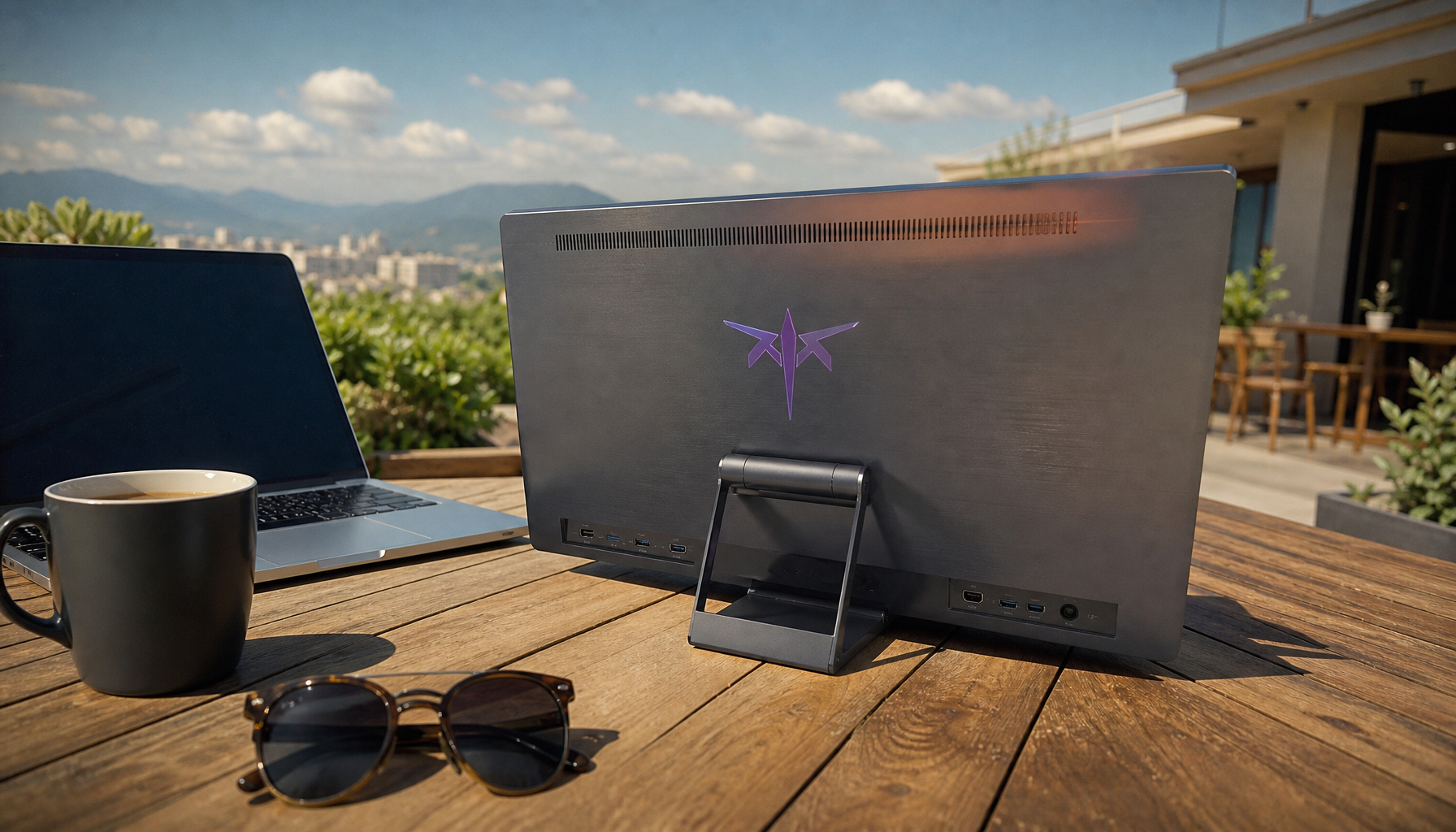
For travel, weight and power behavior matter as much as picture quality. A common 15.6-inch 1080p portable monitor is usually the value sweet spot because it fits easily in a backpack, works for spreadsheets and streaming, and does not demand as much power as a high-refresh or 4K screen. If your phone cannot power the monitor reliably, carry a compact wall charger or power bank that can feed the display directly.
What to Buy If Your Smartphone Is the Limiting Factor
If your phone supports DP Alt Mode, buy a portable monitor with USB-C video input, HDMI as a backup, and power pass-through if possible. Touchscreen support is a bonus, but verify phone compatibility because touch is not guaranteed across phone models.
If your phone does not support DP Alt Mode, do not pay extra for a USB-C-only portable monitor expecting it to solve the problem. Choose a model with HDMI input and separate power, then pair it with the correct adapter or wireless dongle. The portable monitor category is crowded with 15.6-inch 1080p displays, smart-cover stands, speakers, USB-C, and HDMI, so the smarter buy is the one that matches your phone’s actual output path.
For creative review, prioritize screen quality over the thinnest chassis. For office productivity, prioritize stable power, readable brightness, and a stand that does not collapse on a small desk tray. For gaming, prioritize refresh rate, input compatibility, and latency before chasing resolution.
Troubleshooting a Blank Portable Monitor

If the screen stays black, first add external power to the portable monitor. Many phones cannot supply enough power for a display, especially at higher brightness. Then confirm that the monitor is set to the correct input, usually USB-C or HDMI.
Next, swap the cable. Charging cables are a common failure point because some USB-C cables only handle charging and USB 2.0-class data. A video-capable cable should explicitly support display output, not just fast charging.
If the monitor flickers, lower brightness, refresh rate, or resolution if those controls are available. If touch does not work, assume that video and touch are separate compatibility questions. If paid streaming apps show a black screen, app-level restrictions may be blocking mirrored output; try a free video platform or a local file to confirm the hardware path first.
FAQ
Can USB-C 2.0 carry video?
Not by itself. USB-C 2.0 can support charging and basic data, but portable monitor video usually requires DP Alt Mode, HDMI output support, software-based display output, or wireless casting.
Will a USB-C to HDMI adapter fix every phone?
No. A USB-C to HDMI adapter only works when the phone supports video output through that port, unless the adapter uses a software-based display system that the phone supports.
Can I use a desktop-style phone mode with a portable monitor?
Yes, if your phone supports it. A desktop-style mode is one of the strongest phone-to-monitor experiences because it gives you a larger workspace instead of simple phone mirroring.
Is wireless casting good enough?
It is fine for presentations, streaming, and casual viewing. For gaming, typing-heavy work, or design review, wired output is more reliable and responsive.
Final Verdict
A smartphone with USB-C 2.0 can work with a portable monitor only when the phone has a real video path. Check DP Alt Mode first, use a video-rated cable, power the monitor separately when needed, and treat adapters or wireless casting as fallbacks. The reliable setup is not the one with the newest-looking port; it is the one where every part of the chain is built to carry video.