A USB-C KVM monitor can simplify a MacBook and gaming PC desk by letting one screen, keyboard, and mouse serve both computers. The catch is that convenience depends on the exact port mix, cable path, and whether you need charging, video, and USB switching all at once. That is why the safest approach is to treat it as a compatibility check, not a universal one-cable promise.

What a USB-C KVM Monitor Solves
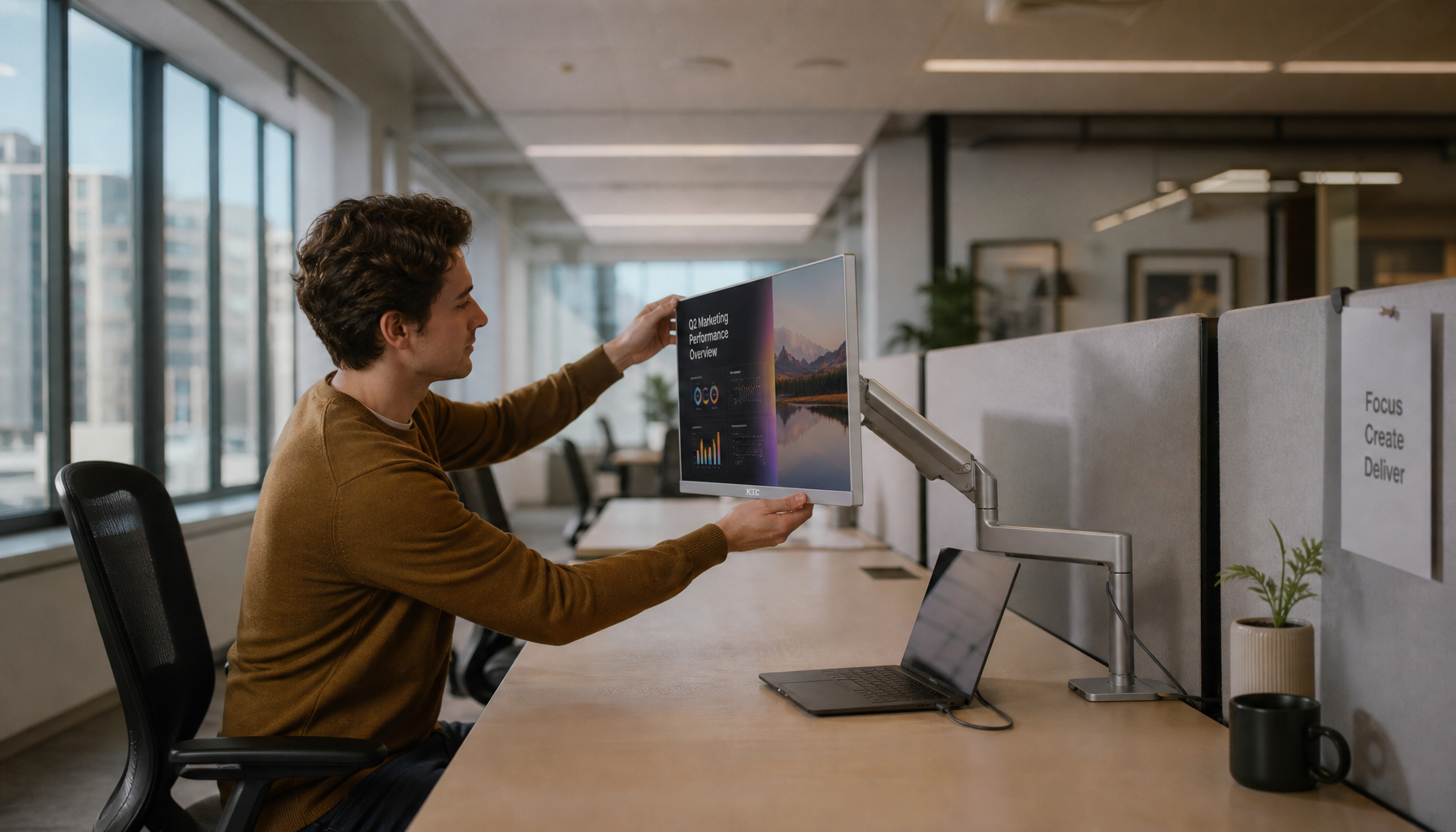
A USB-C KVM monitor lets a single set of peripherals, usually a keyboard and mouse, switch between two computers without constantly unplugging cables. In a MacBook and gaming PC setup, that can mean less desk clutter, fewer dock layers, and faster switching between work and play. A simple KVM-style layout is especially useful when you want one monitor for Mac and Windows setup without turning the desk into a cable swap station.
What it does not solve is compatibility by itself. Your MacBook still has to support the display path you want, your gaming PC still needs the right video output, and the monitor still has to accept the ports and modes you plan to use. A good USB-C KVM monitor setup feels simple only after those pieces line up.
For a broader look at the switching concept, the idea behind a built-in KVM workflow is mostly about reducing friction, not eliminating setup checks.
Ports That Matter Most
The main question is not just whether the monitor has USB-C. It is whether the ports you need are available on both sides of the desk and whether each cable is carrying the function you expect. For a MacBook, that may include display, charging, and USB data. For a gaming PC, the priority is often the cleanest video path and the right refresh-rate support.
USB-C Video and Charging
Apple notes that a USB-C display can charge a MacBook only when the display path also supports USB Power Delivery. That matters because charging wattage and video output are separate checks. A monitor may accept USB-C video but still not supply enough power for your laptop, or it may charge well but not behave the way you expected for display output.
For everyday buying, that means you should verify your MacBook's video-out support and the monitor's PD rating before assuming a single cable will do everything. If the Mac side is your main work path, this is the first spec to confirm.
DisplayPort and HDMI for the PC
For the gaming PC, DisplayPort is often the safer default when you care about higher refresh-rate headroom. RTINGS' DisplayPort vs. HDMI overview is a good reminder that HDMI still works in many setups, but port version, GPU support, and the monitor's input mode all affect the result. In practice, the right answer is whichever path your GPU and monitor both support cleanly.
That means you should not assume the same cable choice is best for both computers. MacBook convenience often points toward USB-C, while the PC side may be cleaner on DisplayPort.
Upstream USB and KVM Control
USB peripheral switching is separate from video switching. The monitor can show an image on both computers, but the keyboard and mouse may still stay tied to one machine until the upstream USB or Type-C data link is set correctly. That is a common frustration on hybrid desks, because the screen appears to work while the KVM layer does not.
The practical check is simple: get one direct video path working first, then connect the USB upstream path and test the switch behavior. If the peripherals do not move with the screen, the problem is usually routing, not the monitor panel itself.
The multi-device desk approach is easiest when you separate video, data, and charging into three different checks.
Trade-Offs Between Work and Gaming
| Priority | What To Optimize | What It Helps Most | Where It Can Fall Short |
|---|---|---|---|
| Mac-first work | Sharp text, stable desktop layout, and simple USB-C convenience | Writing, spreadsheets, creative work, and long work sessions | May give up some gaming headroom if you pick a work-first signal path |
| Mixed work and play | Flexible modes that switch between sharpness and smoother motion | A balanced MacBook plus gaming PC desk | Usually requires more attention to port choice and mode switching |
| Gaming-first | Higher refresh-rate headroom and the cleanest PC signal path | Competitive play and smoother motion on the Windows machine | Can be a poorer fit if you spend most of the day in Mac apps and text-heavy work |
The key trade-off is that creator-friendly and gaming-first setups do not optimize the same thing. A monitor can be excellent for Mac work and still be a less ideal fit for esports speed, or it can be fast for gaming and merely adequate for Mac productivity. That is why the best USB-C KVM monitor is the one that matches your primary use, not the one with the most impressive spec sheet.
For many buyers, the hidden trade-off is cable simplicity versus signal flexibility. A more direct connection path often reduces confusion, but it also means you need to plan the desk around that path instead of expecting one cable to solve everything.
How to Wire a MacBook and Gaming PC
- Start with one direct video cable from the monitor to the MacBook or the gaming PC, not through a dock or extender.
- Confirm the monitor is on the correct input before changing any other settings.
- Test the MacBook path first if that is the daily work device, because it is where single-cable expectations are most likely to show up.
- Test the gaming PC separately with its preferred video path, usually DisplayPort when the hardware supports it cleanly.
- Add the USB upstream connection only after the image is stable on both devices.
- Verify that the keyboard and mouse actually switch, not just the image.
- If a long run is part of your setup, review USB-C cable extension limits before assuming a passive cable will hold up.
- Only after the basic setup works should you add extra adapters, hubs, or switch accessories.
That order keeps troubleshooting simple. If the screen does not light up, you know the video path is the issue. If the screen works but the peripherals do not switch, you know the upstream USB path needs attention. That separation saves time and avoids buying the wrong accessory first.
Where the KTC H27P3 Fits
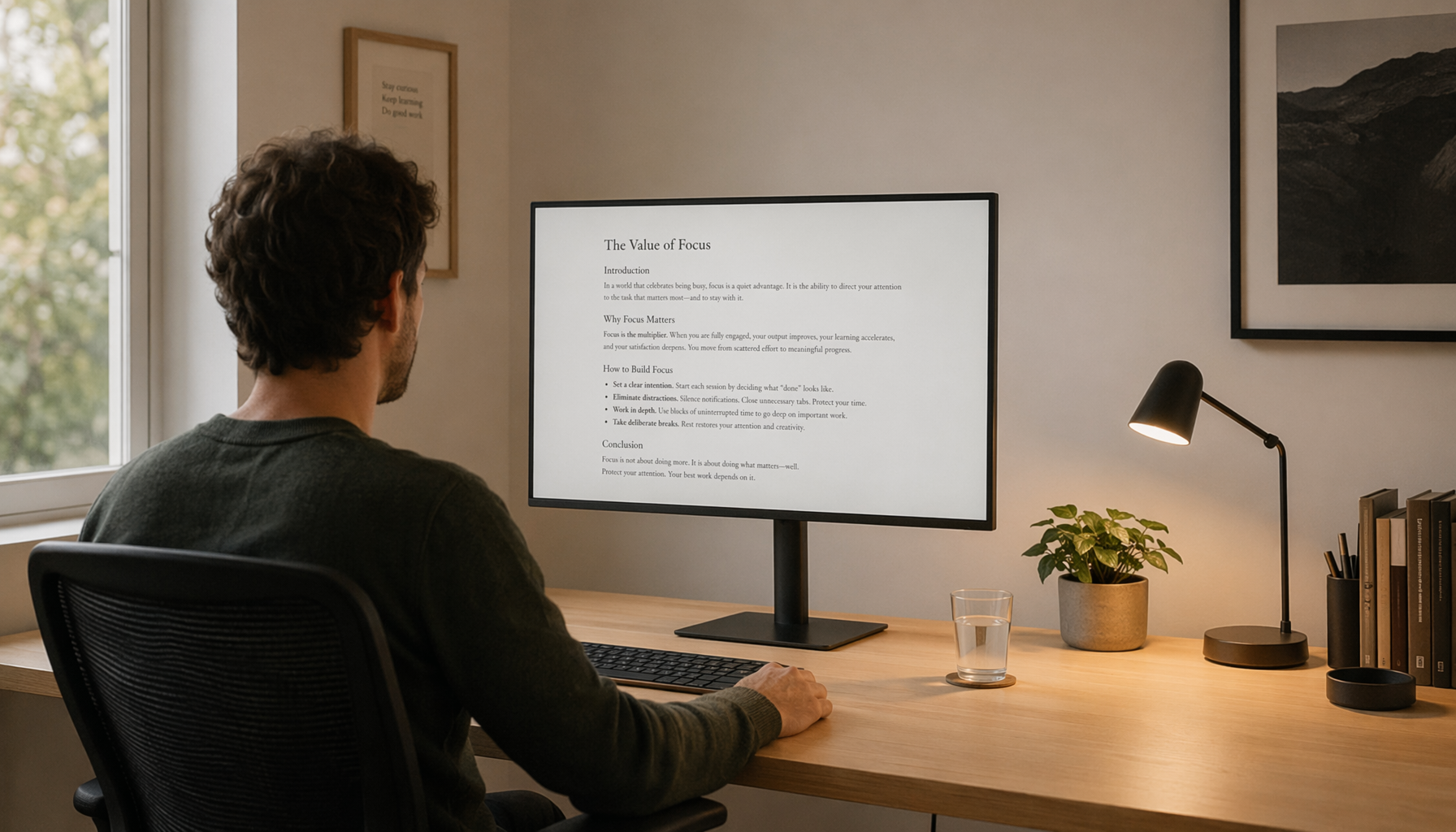
The KTC 27" 5K@60Hz 2K@120Hz Home&Office Monitor | H27P3 fits this kind of hybrid desk when the Mac side matters as much as the gaming side. Its 5K@60Hz mode is better aligned with text-heavy Mac work, while its 2K@120Hz mode gives the PC side a smoother option when gaming or general motion clarity matters more.
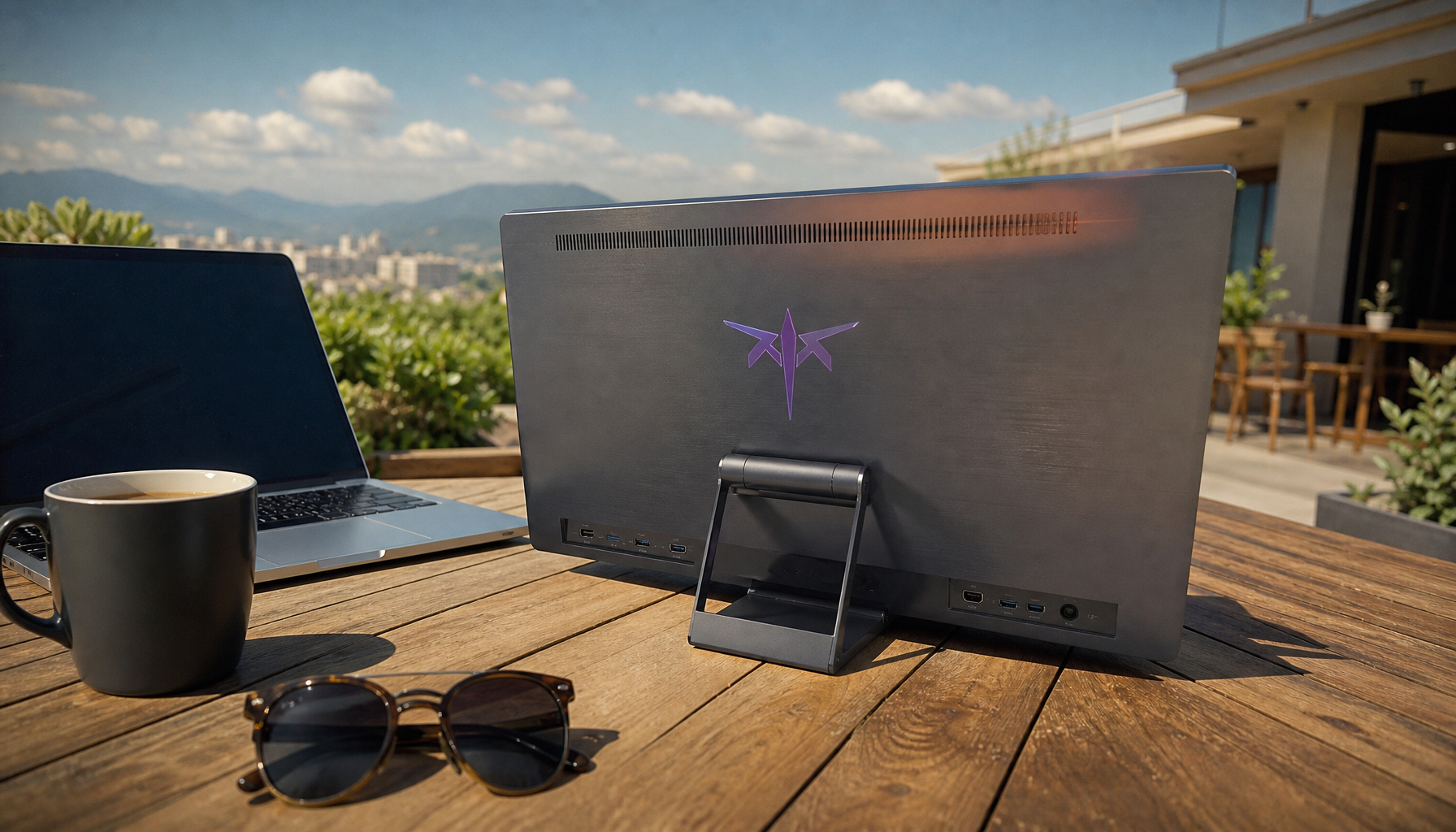
It also includes the port mix that makes a hybrid connection easier to plan: 1x HDMI 2.0, 1x DP 1.4, 1x Type-C 65W, 2x USB 3.0, and earphone out. The listed Type-C PD support goes up to 65W, which is useful if you want to reduce charger clutter on the MacBook side. That said, it is still a fit-first choice, not a universal answer for every MacBook and gaming PC combination.
If you want sharper Mac work and a cleaner desk more than maximum esports speed, the H27P3 is a reasonable monitor path to check. If your priority is chasing the highest possible PC refresh rate, a gaming-first display class may be a better match.
Final Compatibility Checklist
Before you buy, verify the MacBook's display support, the gaming PC's port version, the monitor's input layout, and whether the cable you plan to use is rated for the path you want. Then check whether you need charging, audio pass-through, or USB peripheral switching, because each one can change the wiring plan. If any of those pieces are unclear, start with a direct cable and add complexity later.
For browsing next steps, compare 4K and 5K high-refresh options if you want a sharper work path, or check the gaming monitor lineup and office monitor options if you want to narrow the desk setup by use case.
For a shopper who wants one monitor for Mac and Windows setup, the best next step is usually to compare the monitor's actual inputs against the two devices you already own. If the pieces line up, a USB-C KVM monitor can be a clean answer. If they do not, you will usually save money by fixing the port path first instead of forcing the setup.
FAQs
Can a MacBook and Gaming PC Share One USB-C KVM Monitor?
Usually, yes, but only if the MacBook supports the display path, the gaming PC has a compatible output, and the monitor's KVM or USB switching is wired correctly. The image can work while the peripherals do not, so it helps to check both layers separately before buying.
Do I Need DisplayPort for the Gaming PC?
Not always, but DisplayPort is often the safer first choice for a gaming PC when higher refresh-rate headroom matters. HDMI can still be the right answer if that is the best-supported port on your GPU and monitor. The real test is the exact combination of hardware and cable version.
Will One USB-C Cable Handle Display, Charging, and Peripherals?
It can in some setups, but only when the monitor, cable, and source device all support video, data, and USB Power Delivery together. If one of those pieces is missing, you may still get image output without charging or peripheral switching.
Why Does My Keyboard or Mouse Not Switch With the Screen?
That usually means the upstream USB link or KVM selection is not set the way you expected. Video switching and USB switching are different parts of the chain, so a working picture does not guarantee the keyboard and mouse are routed correctly.
What Should I Check Before Buying for a MacBook Hybrid Desk?
Check the MacBook's video-out support, the PC's port version, whether the monitor supplies enough USB-C power, and whether the input layout matches your plan. If you need frequent switching and clean cabling, the setup should be judged by the whole path, not just by the monitor page.