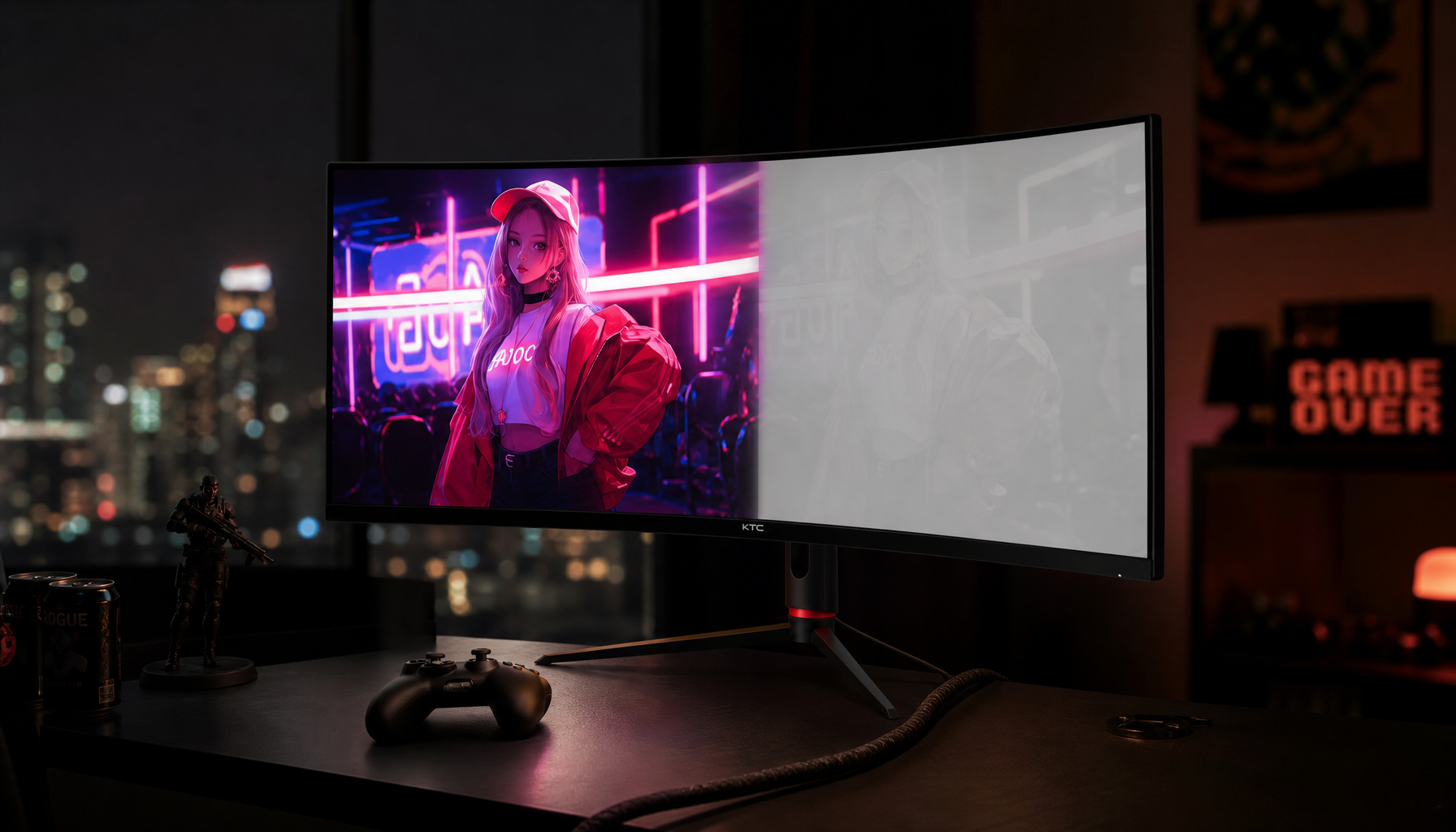
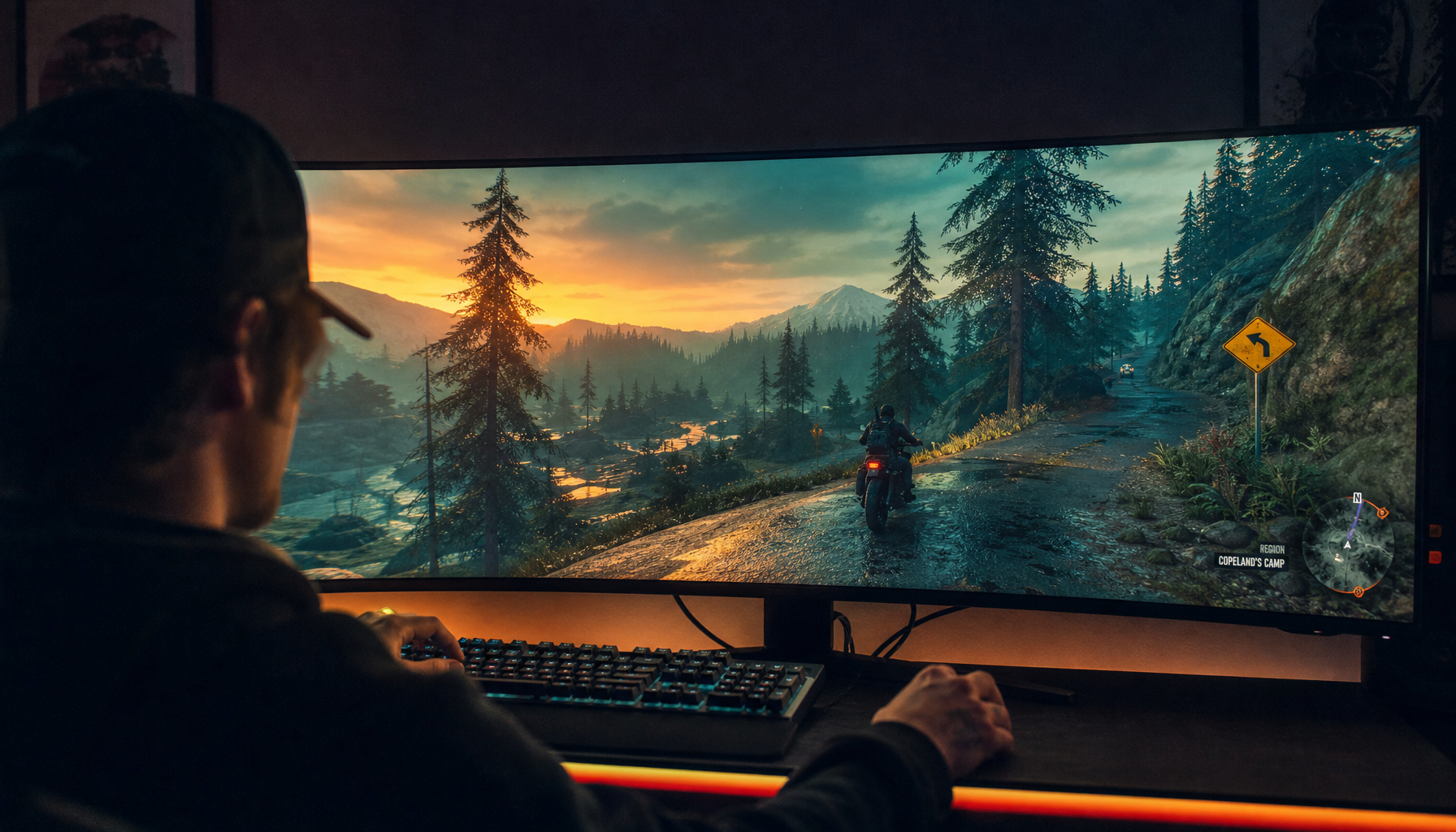
You may feel alert right after shutting down because screen stimulation, task momentum, bright light, and gaming or work pressure can temporarily cover fatigue. The crash comes when that stimulation drops and your real sleep debt, eye strain, mental load, or dehydration catches up.
Ever power off your monitor after a late ranked session or a long spreadsheet push, feel oddly sharp, then hit a wall 45 to 90 minutes later? A practical reset built around dimmer light, a real cooldown, hydration, and a firm screen cutoff can make that next-hour crash less predictable and less punishing. Here is how to read the signal and tune your display routine without giving up performance.
The Short Answer: Your Monitor Did Not Give You Energy
A monitor can make you feel switched on, but it does not refill your energy system. Brightness, motion, notifications, competitive pressure, and rapid task switching can keep your brain engaged even when your body is already tired. That is why the moment after shutdown can feel clean and focused, while the next hour can feel like someone pulled the battery.
The pattern is especially common after high-refresh gaming, deadline work, late-night editing, or multitasking across several windows. Adults already spend over seven hours per day looking at screens, so the crash often reflects the total day, not only the final session.
What “Alert After Shutdown” Usually Means
Screen Stimulation Can Mask Fatigue
During an intense monitor session, your attention is constantly pulled by motion, contrast, color, messages, timers, opponents, or unfinished work. Gaming focus guidance often frames performance as energy management rather than raw intensity, because fatigue from eye strain, dehydration, and mental overuse can slow decisions even while you still feel locked in.
That false-alert state is similar to driving on a fast highway at night. While the road demands attention, you feel awake. Once you park, the body finally notices the debt. If your last hour included a competitive match, live dashboard, editing timeline, or several chat windows, shutdown removes the stimulation but not the fatigue it was hiding.

Blue Light and Late Brightness Can Delay the Sleep Signal

Blue light is not magic, and not every late screen causes the same effect, but screen light near bedtime can interfere with the body’s sleep rhythm. Digital wellbeing guidance commonly recommends avoiding screens at least one hour before bed because blue-light exposure may disrupt sleep and increase mental fatigue.
The result can feel backward. You turn the display off and feel awake because your sleep signal was delayed. Then, as the room gets darker and stimulation drops, tiredness arrives all at once. This is why you can feel fine at 11:15 PM, walk away from the desk, and feel drained by 12:00 AM.
Multitasking Adds a Hidden Cognitive Bill
Multiple monitors, ultrawides, and portable second screens can be excellent tools when they reduce window switching. The problem is not screen area itself; it is unmanaged attention. Constant notifications, social feeds, and multitasking can overload the brain, and screen-time productivity research notes that multitasking decreases efficiency rather than improving it.
A clean dual-screen setup with a document on one side and reference material on the other can feel calm. A chaotic setup with chat, email, video, analytics, and a game launcher all visible can keep your nervous system on standby. The crash is often the receipt for that attention switching.
The Display-Side Triggers That Make the Crash Worse
Brightness That Matches Daytime, Not Nighttime
Many monitors ship bright enough to punch through showroom lighting. That does not mean the same setting belongs in a dark bedroom at 10:30 PM. Gaming-settings guidance often recommends moderate brightness and lower settings in dark rooms to balance visibility against eye strain, along with warmer color temperature for long sessions.
For a simple test, dim your monitor during the final hour until a white document no longer feels like a lamp. If you use a portable smart screen beside a laptop, dim both panels; leaving the smaller display bright can keep the same alerting effect alive.
High-Pressure Sessions Without a Cooldown
Competitive gaming, live trading, late work reviews, and urgent messages can all create a pressure loop. Gaming focus advice recommends a cooldown after long sessions, with the 90/10 rhythm as a practical benchmark: about 90 minutes of play or work, then a 10-minute reset.
That reset should not be another feed. Stand up, look across the room, drink water, and let your hands and eyes leave the task. The difference is practical: finishing a match at 11:00 PM and immediately checking short videos keeps the system hot, while ending at 10:50 PM and using 10 minutes for water, dim light, and cleanup gives the brain a landing zone.
Eye Strain That Feels Like Tiredness Later
Digital eye strain can show up as dry eyes, blurred vision, headaches, and heavy focus after long screen use. The standard 20-20-20 habit is simple because it is measurable: every 20 minutes, look at something 20 ft away for 20 seconds. Screen-time reduction guidance repeatedly recommends the 20-20-20 rule as a low-cost way to reduce strain.

In real use, that means two micro-breaks during a 45-minute work sprint and four or five during a longer gaming block. It sounds small, but it prevents your display from becoming a fixed-distance stare test.
How to Fix the One-Hour Crash Without Killing Performance
Build a Shutdown Ramp, Not a Hard Stop

A hard stop works for discipline, but the body often responds better to a ramp. In the last 30 to 60 minutes, lower brightness, switch to warmer color, close nonessential apps, and move from performance tasks to low-stakes cleanup. If you were gaming, stop ranked or competitive modes first and use the final minutes for settings, inventory, notes, or tomorrow’s queue.
This protects performance because you are not asking your brain to go from full-speed reaction mode to sleep mode in one step. For office users, the equivalent is closing dashboards and chat first, then ending with a written task list or a short review. Productivity guidance supports improving the quality of necessary screen time rather than treating all screen use as harmful, especially when screens are required for work.
Tune the Monitor for the Room You Are Actually In

Your best daytime display setting is not your best nighttime display setting. For work, a 27-inch 1440p monitor is often a balanced productivity setup because it provides useful window space without overwhelming a shallow desk, while a 32-inch 4K or 34-inch ultrawide can help deep work when text clarity and side-by-side layouts matter. But comfort still depends on brightness, reflection control, height, distance, and whether the panel dominates your field of view.
Hybrid-work monitor guidance recommends matching screen size and resolution to the task, with 27-inch 1440p as a strong default for many workers. If your crash happens mainly at night, do not blame size first. Try a lower brightness preset, warmer color mode, reduced glare, and a clear end-of-day layout before replacing the display.
Trigger |
Why It Feels Good First |
Why You Crash Later |
Better Setting or Habit |
Bright display at night |
Keeps attention sharp |
Delays the tired signal |
Dim the screen and use warmer color |
Ranked gaming or urgent work |
Raises focus and pressure |
Leaves no cooldown |
Stop high-stakes tasks 30 minutes earlier |
Multitasking across screens |
Feels productive |
Increases mental load |
Keep only task-critical windows visible |
No eye breaks |
Maintains flow |
Builds strain |
Use 20-20-20 during long sessions |
Caffeine plus low water |
Feels like energy |
Can turn into a slump |
Pair late drinks with water |
Use Your Extra Screens With Intent
A second monitor or ultrawide can reduce context switching when it holds stable reference material. Productivity notes on multiple displays describe them as useful for keeping documents, dashboards, logs, or references visible without constant minimizing and reopening, and dual or triple setups can support specialized workflows when the role truly needs parallel information.
The downside is exposure and distraction. If the second screen becomes a permanent notification wall, it is no longer a productivity display; it is a fatigue amplifier. Keep the primary task directly ahead, put reference content to the side, and hide messaging during deep work. For portable smart screens, use them as temporary task panels rather than always-on clutter.
When the Crash Is a Setup Problem, Not a Willpower Problem
A poor workspace makes the monitor feel more tiring than it should. Bad chair height, glare, clutter, weak airflow, and notifications all add load. Workspace optimization guidance links a better physical and digital environment with focus, comfort, and productivity, especially when routines include breaks and screen-free recovery.
A practical audit takes five minutes. Sit at your normal distance and open a white page, a dark page, and your most common app. If you squint, lean forward, crane your neck, or feel pulled toward side notifications, the setup is taxing you. Adjust height so your posture stays neutral, remove glare, keep water in reach, and use a single visible clock so sessions do not silently stretch.
Should You Use Night Mode, Blue-Light Glasses, or a New Monitor?
Night mode is worth using because it is free and easy, but it is not a complete sleep strategy. Blue-light filters and glasses may help some users, while evidence on their effectiveness is mixed in productivity-focused summaries. The more reliable move is behavioral: lower brightness, reduce stimulation, and stop interactive screen use earlier.
A new monitor helps when your current display causes readable text problems, harsh reflections, poor ergonomics, or the wrong size-resolution match. It will not fix late-night overstimulation by itself. For office work, prioritize adjustable height, sharp text, reflection handling, USB-C convenience if you use a laptop, and enough workspace for your real tasks. For gaming, prioritize refresh rate, response behavior, adaptive sync, and a panel type that fits your play style, but still create a cooldown preset for the last session of the night.
A Simple 60-Minute Recovery Protocol

For the final hour before bed, treat the display like performance gear entering cooldown. First, finish competitive or high-pressure work early, then lower brightness and warm the color. Next, close secondary screens or move them to static reference only. During the final 20 minutes, leave the desk if possible, hydrate, stretch, and use paper for any last notes.
If you must keep working, change the task type. Reading a final document, planning tomorrow, or reviewing a checklist is less stimulating than live chat, ranked play, editing, or rapid tab switching. The goal is not to fear screens. The goal is to make the screen stop pretending you are more rested than you are.
FAQ
Is feeling alert after turning off my monitor always a sleep problem?
Not always. It can be delayed fatigue from focus, posture, dehydration, eye strain, or overstimulation. Sleep disruption is more likely when the pattern happens at night, especially after bright screens close to bedtime.
Are gaming monitors worse for this than office monitors?
Not automatically. A high-refresh gaming monitor can keep motion smooth and attention engaged, but an office display with constant notifications can be just as draining. The bigger factor is how bright, intense, late, and interruption-heavy the session is.
Should I stop using screens an hour before bed?
That is a strong default when the crash affects sleep or next-day focus. If a full hour is unrealistic, start with a 30-minute shutdown ramp and make the last screen task calmer, dimmer, and less interactive.
Your monitor is a performance tool, not an energy source. Use it aggressively when the task demands immersion, then give your eyes, attention, and sleep rhythm a deliberate exit path. The best setup is not the brightest or biggest one; it is the one that lets you perform cleanly and recover on schedule.