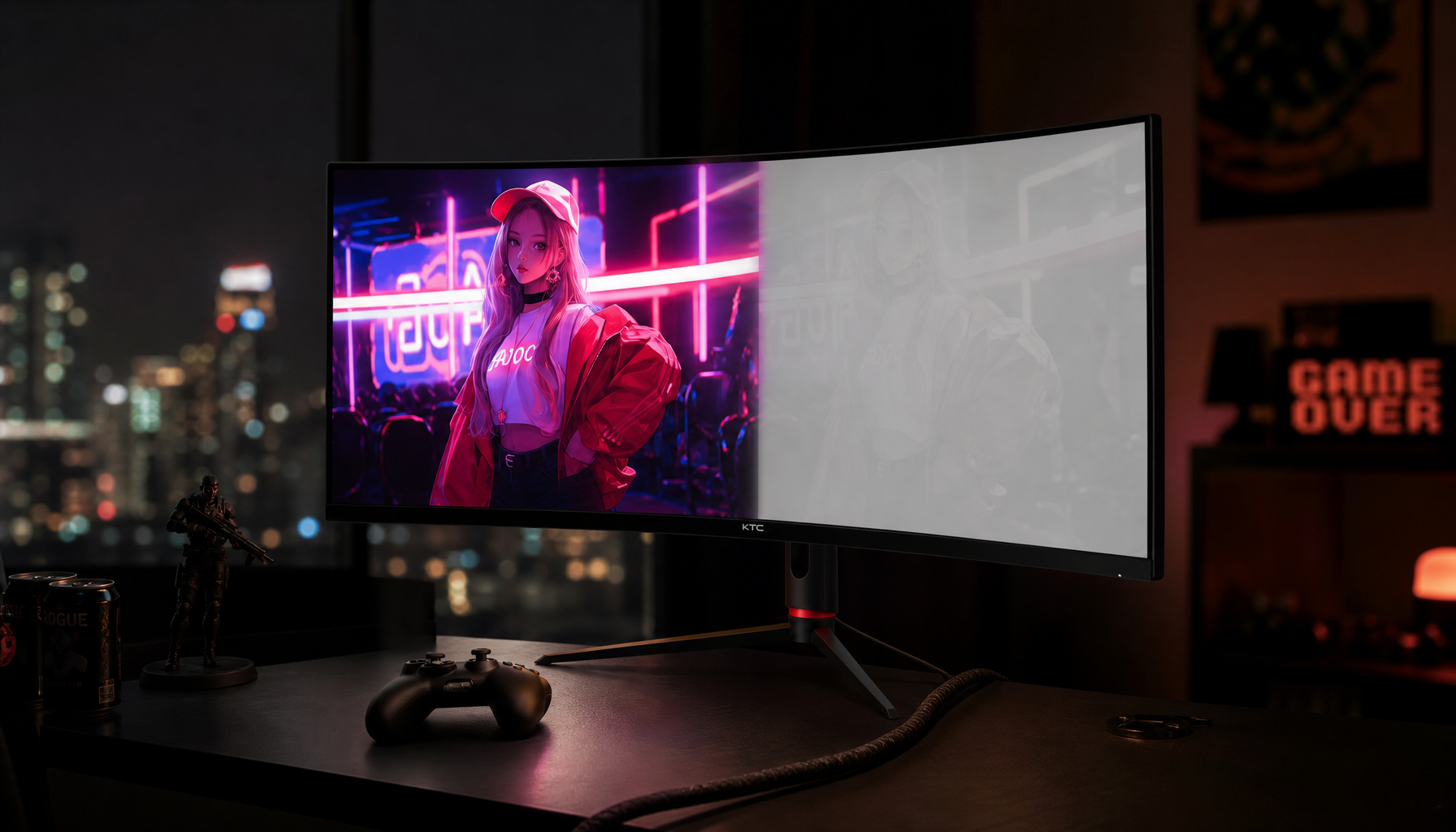
Black levels look different because adaptive brightness systems change screen light output based on room lighting or on-screen content, so the same “black” may be lifted, crushed, dimmed, or made to look deeper from one scene to the next.
Does your game suddenly look murky in a dark hallway, or does a spreadsheet look crisp until a dark app window makes the whole screen sink? In practical testing, the fix is often immediate: lock the display to a stable brightness mode, then judge blacks again under the same room lighting and content. You’ll learn what is actually changing, when adaptive brightness helps, and how to tune it for gaming, office work, creative editing, and portable screens.
The Core Reason: Your Display Is Not Holding Light Output Constant
Black level is the amount of light a display emits when it is supposed to show black. On an OLED, each pixel can shut off individually, so black can be truly dark. On most LCD-based monitors, including IPS, VA, quantum-dot LCD, and many Mini-LED displays, a backlight shines through the panel, and the panel tries to block that light. That means black is never just “black”; it is the result of backlight strength, panel leakage, gamma, local dimming behavior, ambient light, and software processing.
The biggest shift happens when Content Adaptive Backlight Control, often called CABC, enters the picture. Content Adaptive Backlight Control adjusts the backlight based on the image being shown, not just the room. A mostly dark desktop may trigger dimming to save power, while a white document may push the backlight higher. Your monitor is effectively changing the lighting behind the image while you are trying to judge the image.
That is why a black loading screen in a game can look satisfyingly deep, then the next scene can reveal washed-out shadows. It is also why a laptop on battery may make dark editing panels or video timelines look flatter than they do while plugged in. The display pipeline is chasing efficiency and comfort, while your eyes are chasing consistency.
Adaptive Brightness vs. Content-Adaptive Brightness
Adaptive brightness is usually based on ambient light. A sensor reads the room and raises brightness near a window or lowers it in a dark bedroom. Content-adaptive brightness responds to what is on screen. A bright webpage, dark game menu, movie scene, or large black editor panel can all trigger different behavior.
This distinction matters because the symptom feels different. Ambient-based dimming tends to change when you move rooms, open blinds, or block the light sensor. Content-based dimming changes when you open a new app, switch from a white webpage to a dark interface, or watch a movie with alternating bright and dark scenes.
Feature |
What It Reads |
Why Blacks Change |
Best Use |
Ambient adaptive brightness |
Room light |
Screen luminance shifts to match the environment |
Travel, classrooms, casual laptop use |
Content-adaptive brightness |
On-screen image |
Backlight or pixel output shifts scene by scene |
Battery saving, portable screens, media devices |
Local dimming |
Zones of image brightness |
Dark zones dim while bright zones stay high |
HDR movies, Mini-LED gaming |
Eye-care brightness intelligence |
Room light and sometimes content |
Comfort tuning may reduce perceived contrast |
Long office sessions, reading, evening use |
A monitor’s brightness is measured in nits, and higher nit values simply mean a brighter screen. Monitor brightness matters, but maximum brightness is not the same as stable black performance. For SDR office work and color-sensitive production, consistent luminance and accurate color often matter more than chasing the highest peak number.
Why Blacks Can Look Washed Out, Crushed, or Unstable
When adaptive brightness lowers the backlight on an LCD, the whole image gets darker. The display or GPU may compensate by remapping tones so highlights remain visible. That compensation can lift blacks, compress midtones, or reduce perceived contrast. The result is a screen that looks technically bright enough but visually dull.
When the algorithm gets more aggressive, it can do the opposite: dark areas become too dark, and shadow detail disappears. In a competitive shooter, that can hide enemies in corners. In an RPG or horror title, it can make atmosphere feel richer but reduce practical visibility. In photo editing, it can trick you into over-brightening shadows because the panel is not showing a stable reference.
Gamma is a major reason this is so visible. Gamma affects midtones and shadows, so even a small shift can make black look deeper, gray, or muddy. A display can appear more dramatic without being more accurate, especially if a preset boosts contrast while adaptive brightness is also active.
Panel Type Changes How Noticeable the Effect Is
LCD, OLED, Mini-LED, and quantum-dot LCD displays do not behave the same way. A standard LCD uses a shared backlight, so content-adaptive backlight changes affect the entire screen. VA panels often start with stronger native contrast than IPS, so their blacks may look deeper, but they can still shift when the backlight changes. IPS panels usually offer better viewing consistency, yet blacks can look gray in dark rooms because more backlight leakage is visible.
OLED is different because it is self-emissive. OLED pixels can turn off to create true black, so adaptive behavior is less about a shared backlight and more about pixel brightness management, automatic brightness limiting, tone mapping, and power control. Mini-LED sits in the middle: it is still LCD, but with many dimming zones that can darken parts of the screen. That can improve black depth, but it may also create blooming around bright objects or change shadow detail depending on the local dimming mode.
For a simple example, imagine a Mini-LED gaming monitor showing a black cave with a bright torch. With local dimming set high, the cave may look deep and cinematic, but the torch may glow into nearby shadows. With local dimming off, the torch edge may look cleaner, but the whole cave may look more gray. Neither mode is universally correct; the right choice depends on whether you value immersion, competitive visibility, or image fidelity.

When Adaptive Brightness Helps
Adaptive brightness is not a bad feature. For portable smart screens, laptops, and battery-powered work setups, it can be genuinely useful. CABC exists because the backlight is one of the largest power draws in many LCD devices, and lowering it intelligently can reduce heat and extend runtime. That matters when you are working from a coffee shop, using a USB-C portable monitor, or running a laptop away from an outlet.
It can also improve comfort. In a dark room, a screen that stays too bright can make blacks feel harsh because the surrounding room is much darker than the display. A 2022 Sensors study on night viewing found that low screen brightness produced the lowest reported visual fatigue in a dark environment, while medium and high brightness increased fatigue risk. That does not mean you should always dim everything; it means brightness should match the environment and task.
Eye-care systems use the same idea. Some eye-care brightness features may use sensors, and sometimes content awareness, to reduce harsh brightness and improve comfort during long reading or office sessions. For email, documents, dashboards, and web research, that can be a good trade if the transitions are subtle.
When You Should Turn It Off
Disable adaptive brightness when consistency matters more than battery life. That includes photo editing, video grading, e-commerce image review, UI design, print preparation, and any workflow where black, shadow, and color decisions need to stay repeatable. A creator display should not change its luminance just because you opened a darker panel layout.
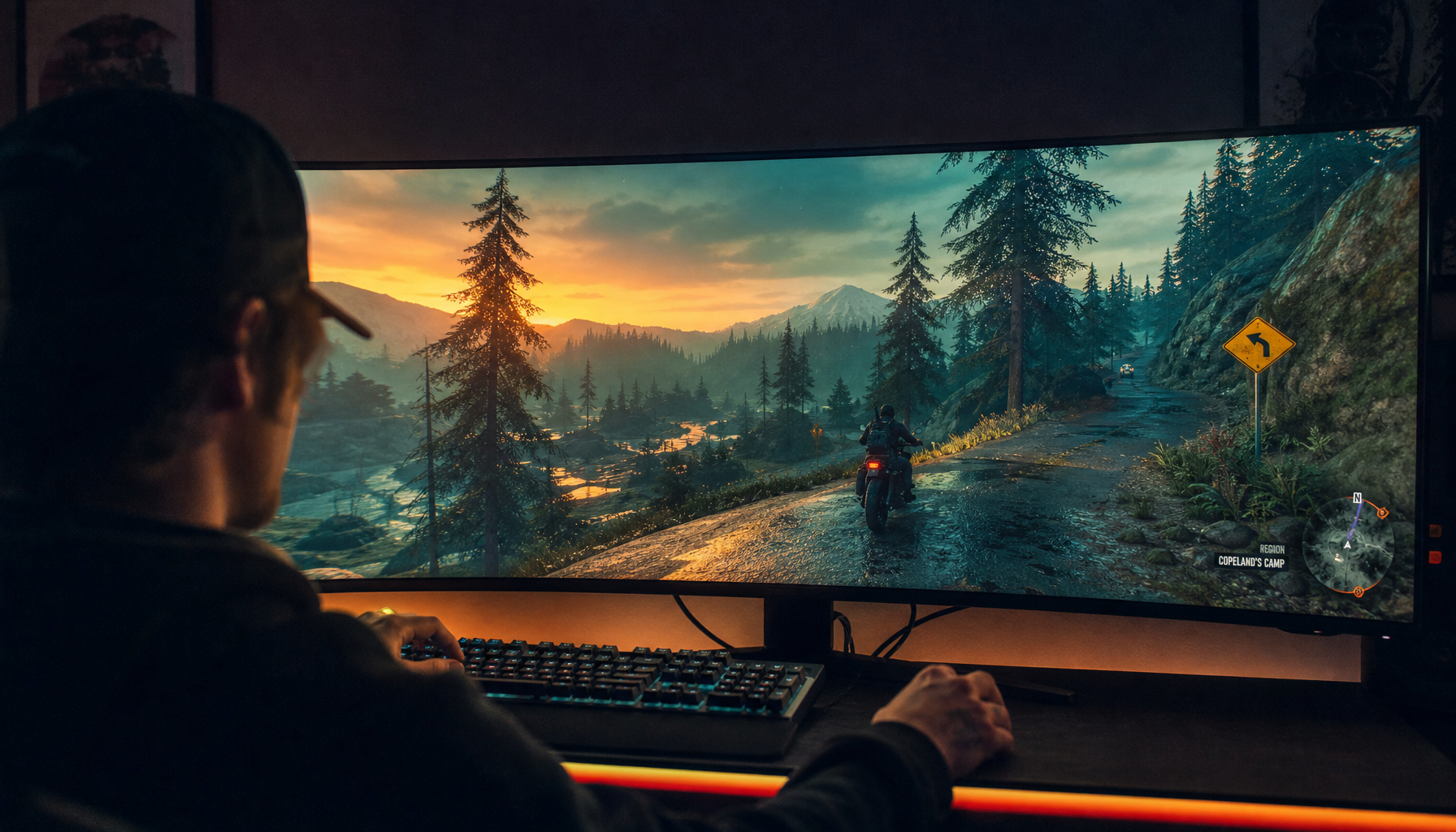
Gaming is more nuanced. For story-driven HDR games, local dimming or intelligent brightness can increase immersion. For competitive gaming, unstable blacks are a liability. If the display dims during a dark map, raises black levels during bright HUD scenes, or hides shadow detail after a scene transition, turn off content-adaptive brightness and tune black equalizer, gamma, and brightness manually.
Office users should also be selective. If your monitor mostly handles documents and spreadsheets, ambient brightness can be helpful. If you use dark-mode code editors, financial dashboards, CAD tools, or video calls all day, content-based dimming can become distracting because the desktop brightness changes as windows move around.
Practical Setup for Stable Black Levels
Start by separating room brightness from content brightness. Set your monitor to a Custom, User, Standard, or sRGB-like mode, then disable dynamic contrast, eco mode, smart brightness, content-adaptive brightness, and aggressive local dimming if your goal is stable SDR work. On laptops, check operating system display brightness settings, battery saver, graphics control panels, and device utilities because the content-adaptive toggle is sometimes outside the obvious display menu.

Next, set brightness by environment. For a normal home office, many users land around 50% to 70% brightness, while a dark room may need much less. The point is not the exact percentage; it is matching the screen to the room so black does not look gray from glare or crushed from excessive dimming. A practical method is to compare a white document on screen with a sheet of white paper under the same desk lighting and adjust until they feel similar in intensity.
For gaming, keep the signal path stable. Avoid switching between HDR and SDR, variable refresh and fixed refresh, or very different presets mid-session. Display presets can change brightness, gamma, black level, HDR tone mapping, local dimming, adaptive sync, and refresh behavior, so one Game button may be changing far more than color. Build one stable gaming preset, then adjust gamma and black stabilizer only as needed.
For portable monitors, use a two-mode approach. On outlet power, use a fixed brightness mode for consistent blacks. On battery, use moderate adaptive brightness if runtime matters, but turn it off when reviewing photos, slides, brand colors, or dark video scenes. Portable screens often have tighter power limits, so their adaptive behavior can be more visible than on a desktop monitor.
Quick Diagnostic: Is It the Panel, the Room, or the Feature?
Open a black test image or a dark scene, then switch between a full white document and the dark content several times. If the whole display gradually dims or brightens, content-adaptive brightness is likely active. If black looks worse only during the day or near a window, glare and ambient light are probably lifting perceived black. If black looks gray in a dark room even with adaptive features off, that is likely the panel’s native contrast limit.
Now plug in the laptop if you are on battery. If blacks and contrast suddenly stabilize, the behavior is probably tied to power saving. If nothing changes, look at monitor OSD settings, GPU software, HDR state, local dimming, and color presets. The most reliable test is consistency: same room, same brightness, same content, same preset.
Final Word
Adaptive brightness makes displays more efficient and often more comfortable, but it can also make black levels feel inconsistent because the screen is actively changing the light behind or within the image. For everyday productivity, use it gently; for competitive play and color-critical work, lock the display down and tune blacks manually. A great screen should serve the task, not keep renegotiating the image while you work or play.