







2304-Zone Precision Dimming
4K Mini-LED M27P6S
Glossy clarity with vivid contrast
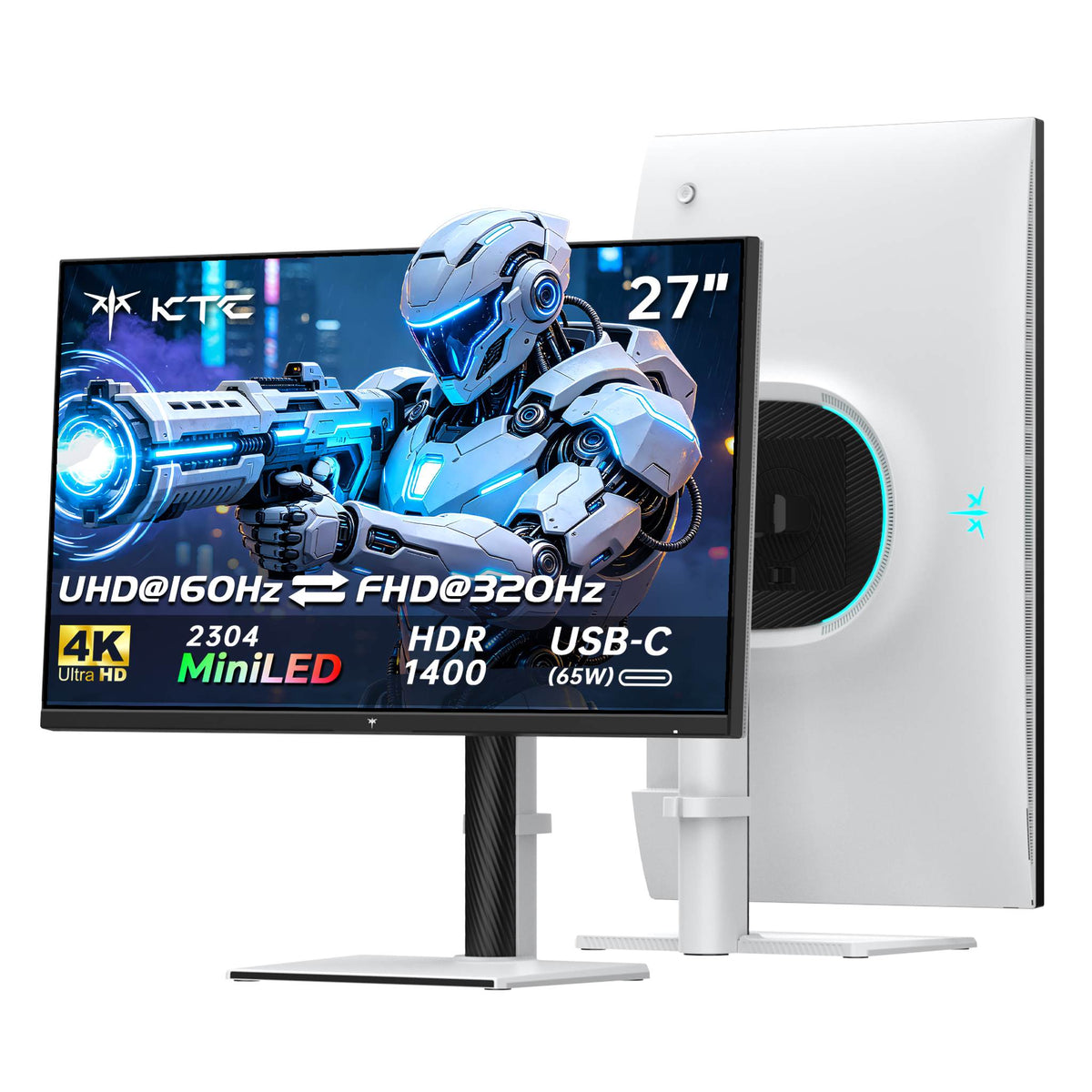
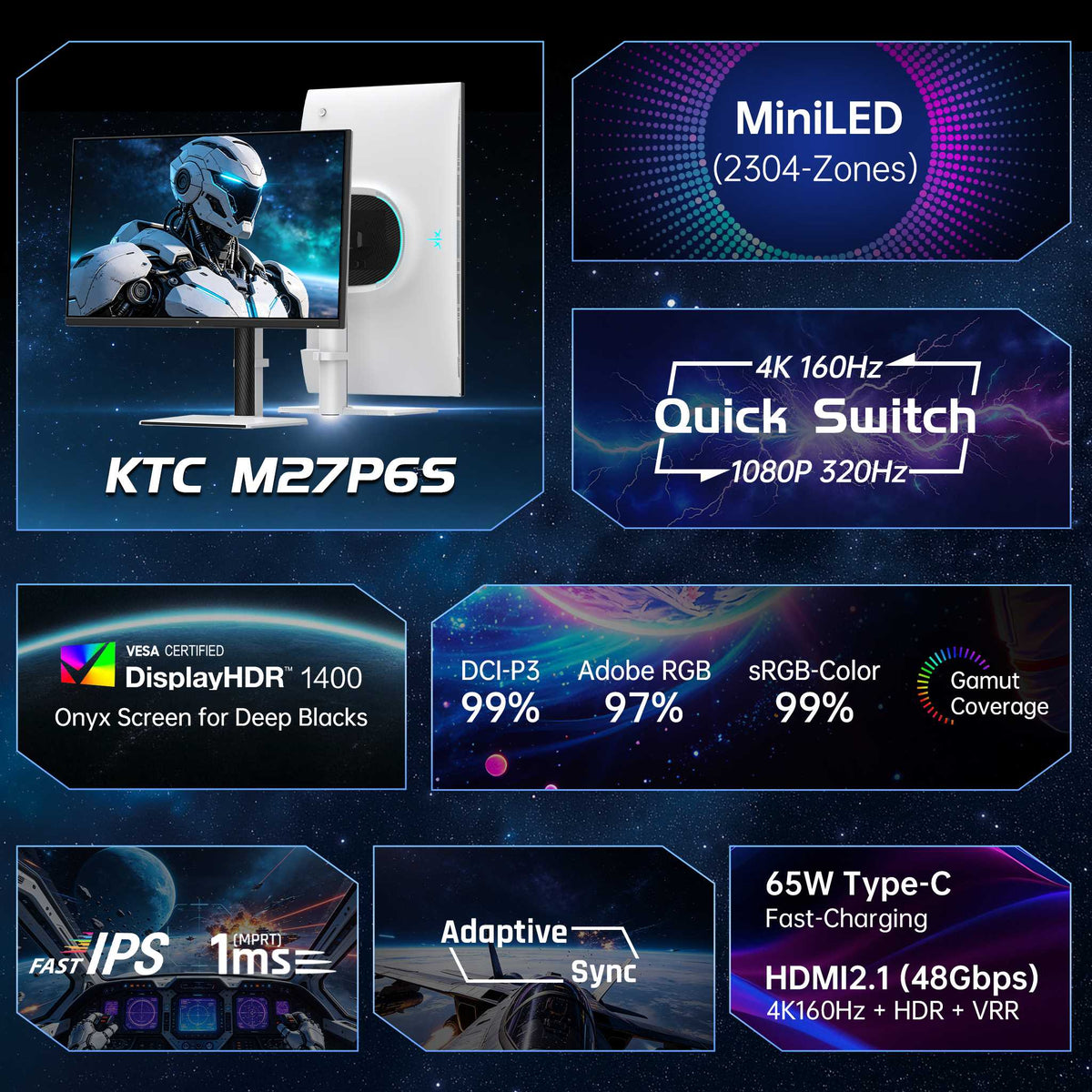
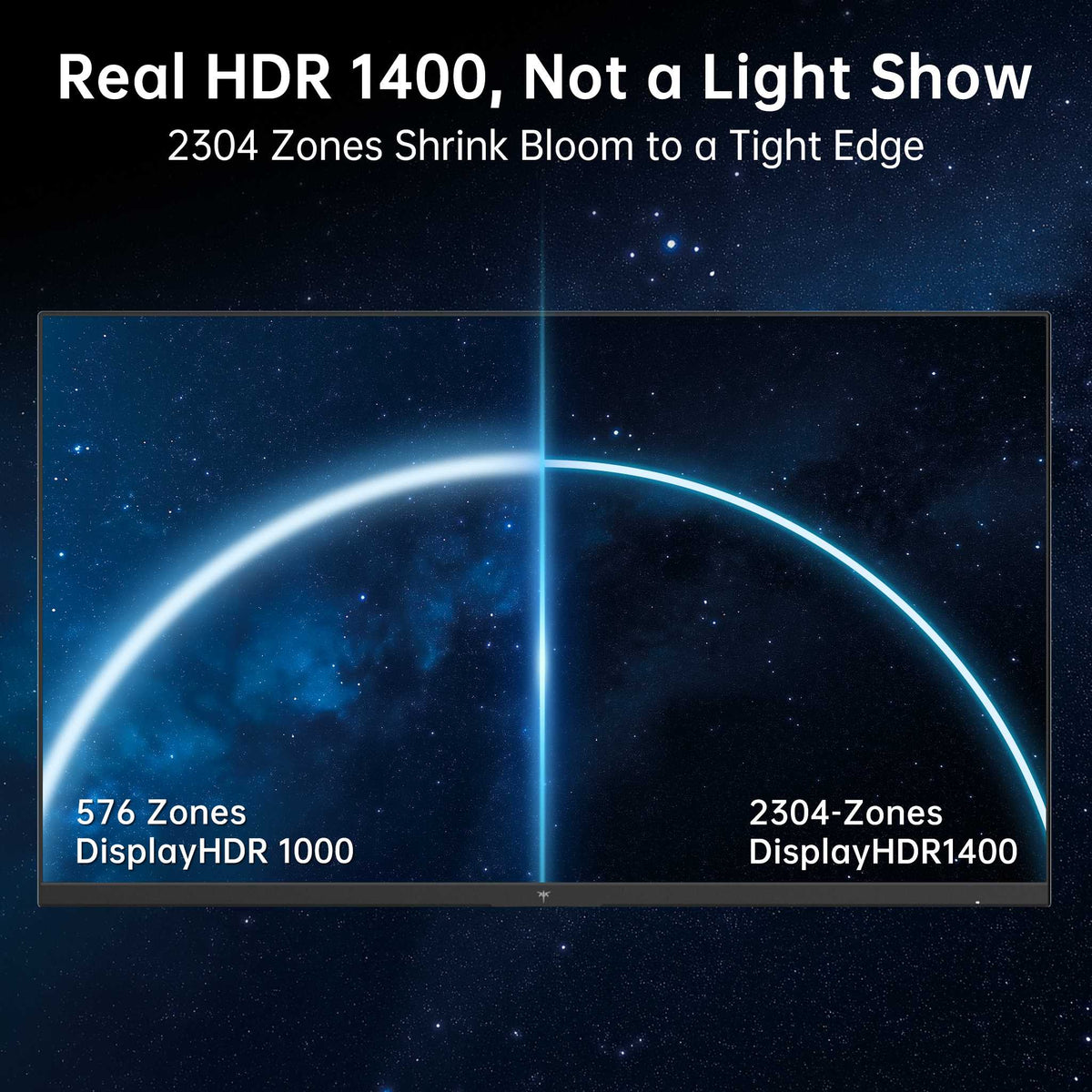
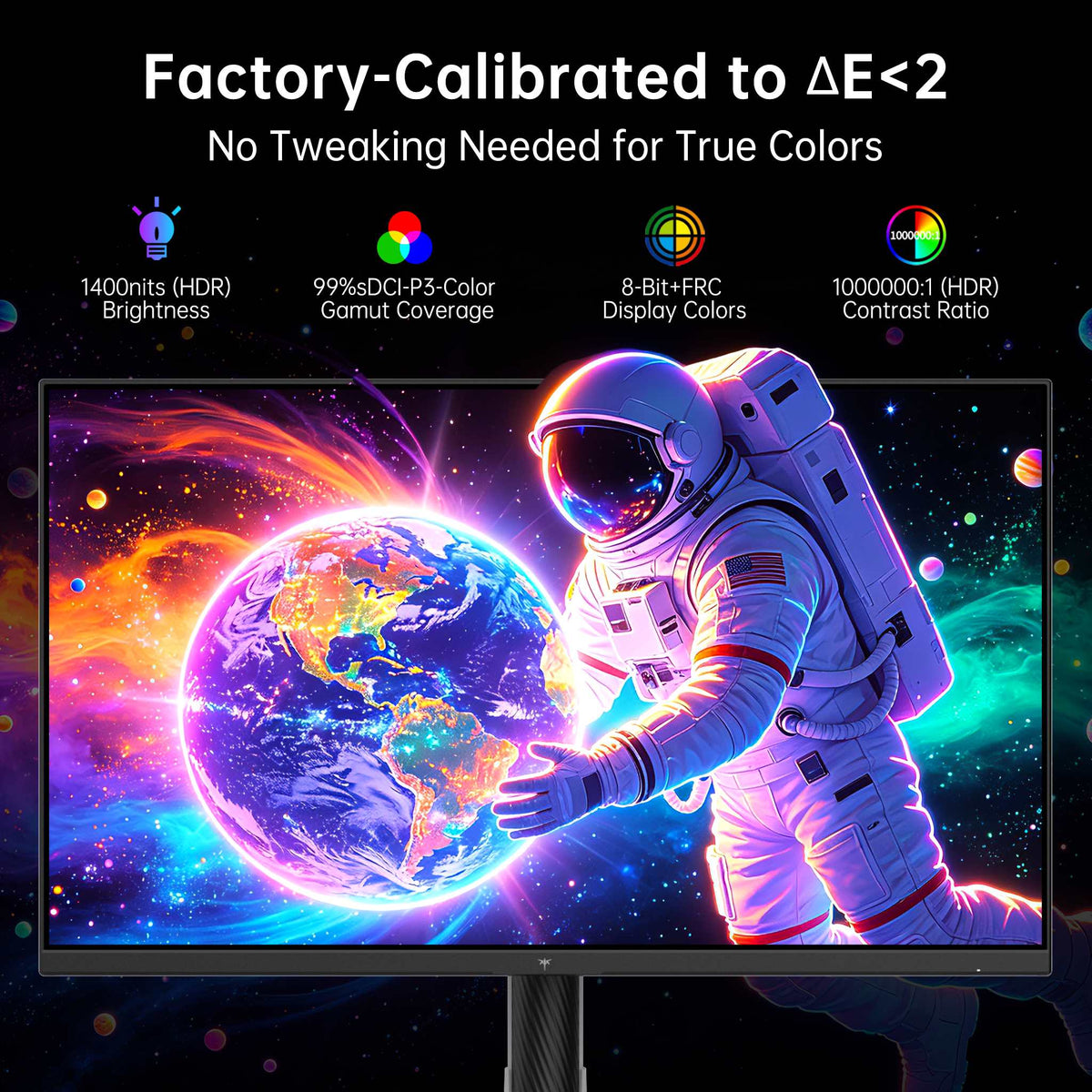
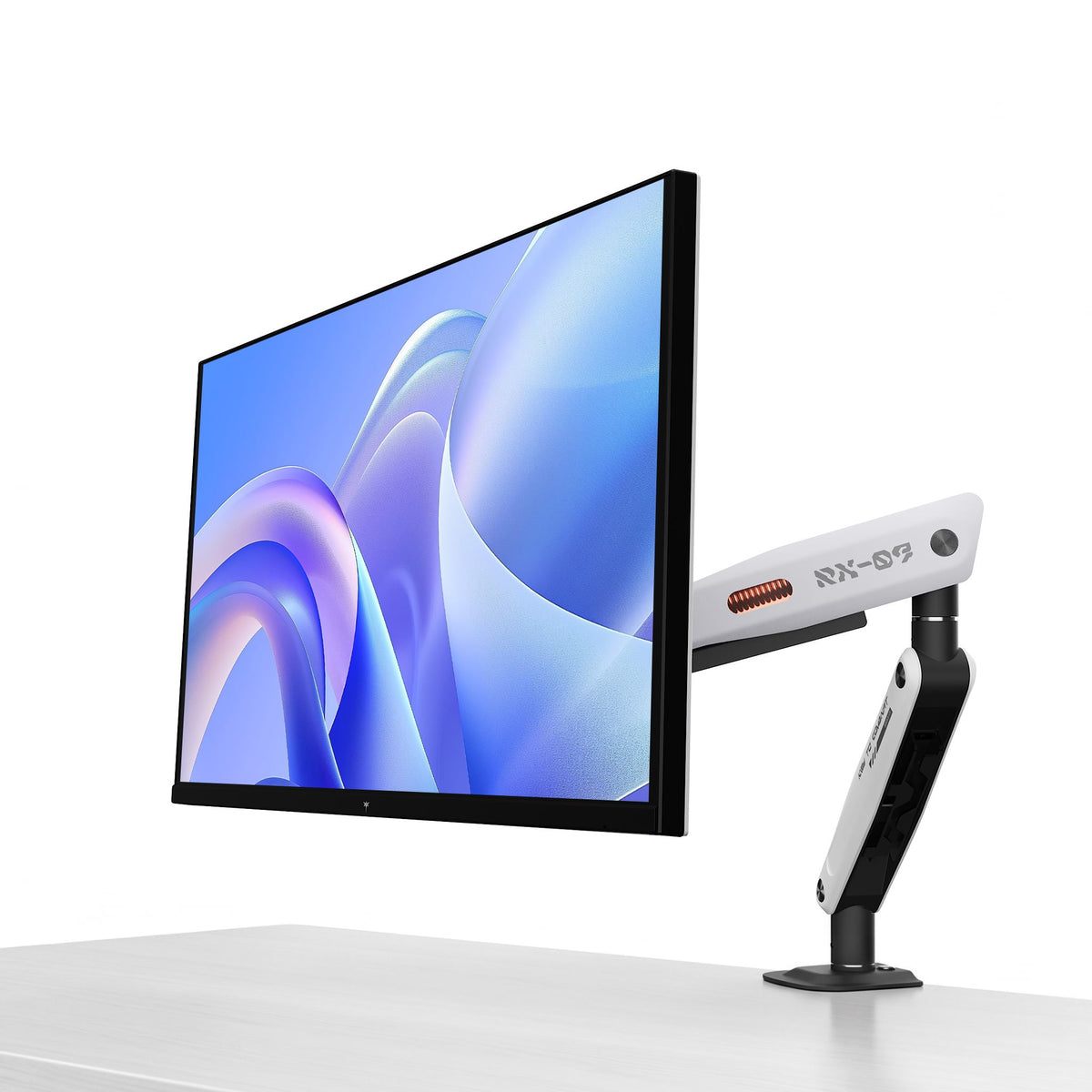
【2,304-Zone Mini LED Backlight】When a dark dungeon and a bright explosion appear on screen at the same time, most monitors compromise one for the other. 2,304 independent local-dimming zones let the M27P6S control each region separately, hitting 1,000,000:1 contrast and 1400 nits peak HDR brightness simultaneously. You see detail in the shadows without blowing out the highlights.
【Obsidian Glossy Panel】The glossy Fast IPS surface reduces halo bleeding around bright objects, keeping edges clean and contrast sharp. Colors render with more depth and saturation than a matte finish allows. A 1.8% anti-reflective coating keeps ambient glare in check, so the glossy surface stays usable in real lighting conditions.
【99% DCI-P3 Coverage & High Color Volume】Color-critical work — photo editing, video grading, or games with dense environments — demands accuracy across the full brightness range, not just at mid-tones. 99% DCI-P3 and 97% Adobe RGB coverage, backed by Mini LED precision, keeps colors consistent from deep blacks to peak whites. What you calibrate is what you get.
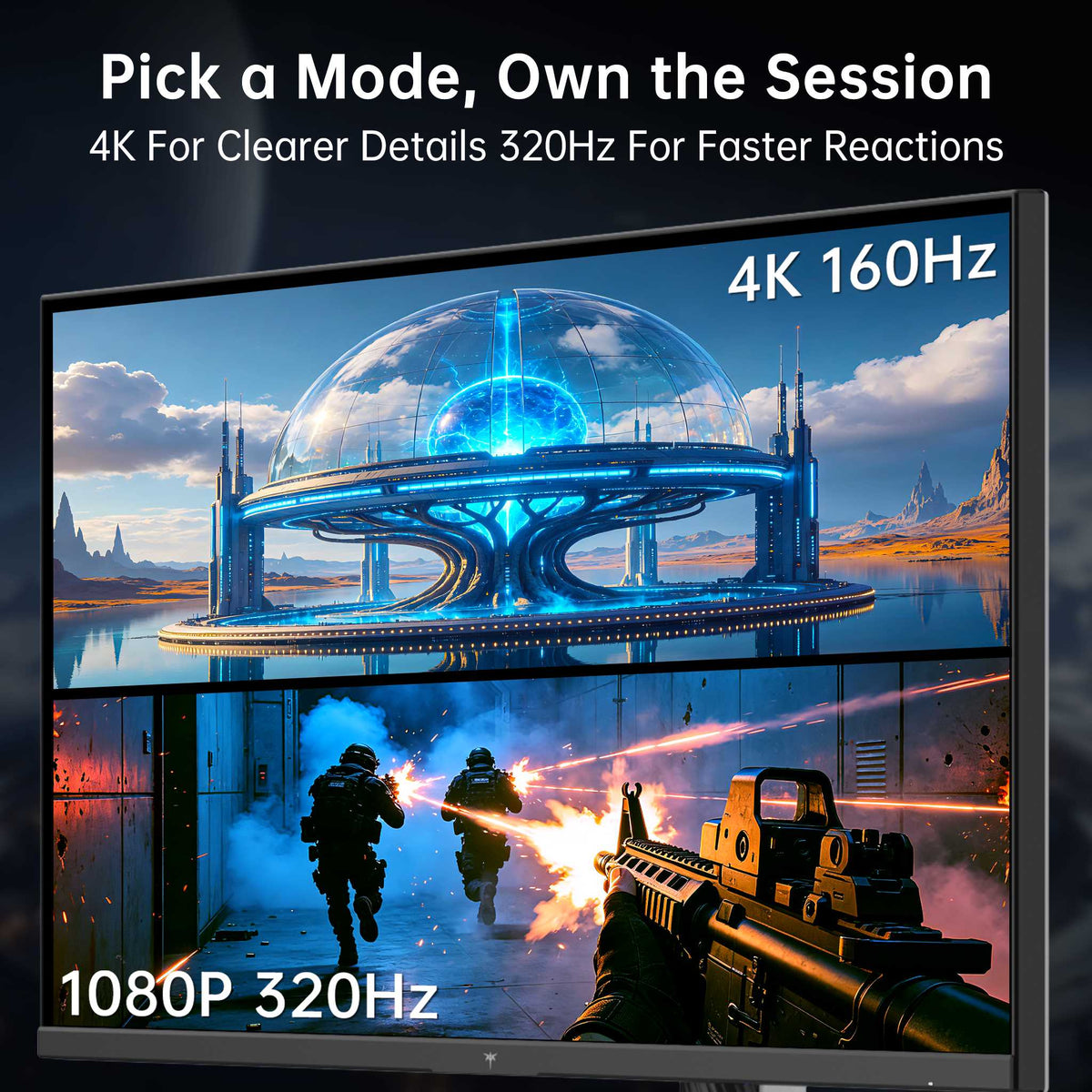
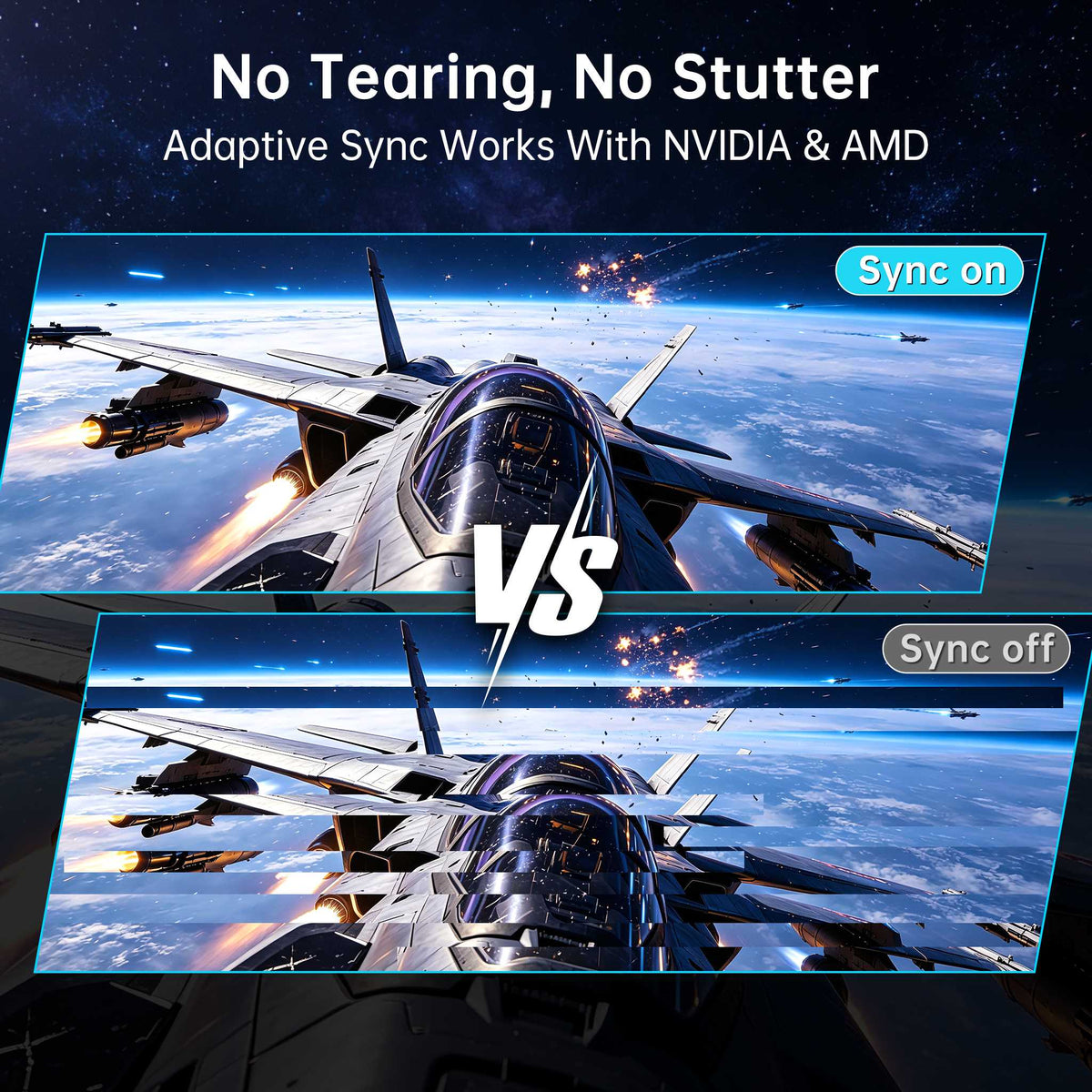
【4K at 160Hz or 320Hz Dual Mode】Open-world titles reward resolution; competitive shooters reward frame rate. The M27P6S runs 3840×2160 at 160Hz for detailed, immersive gameplay, and switches to 320Hz when reaction time matters more than pixel count. 1ms response and Adaptive Sync at both modes.
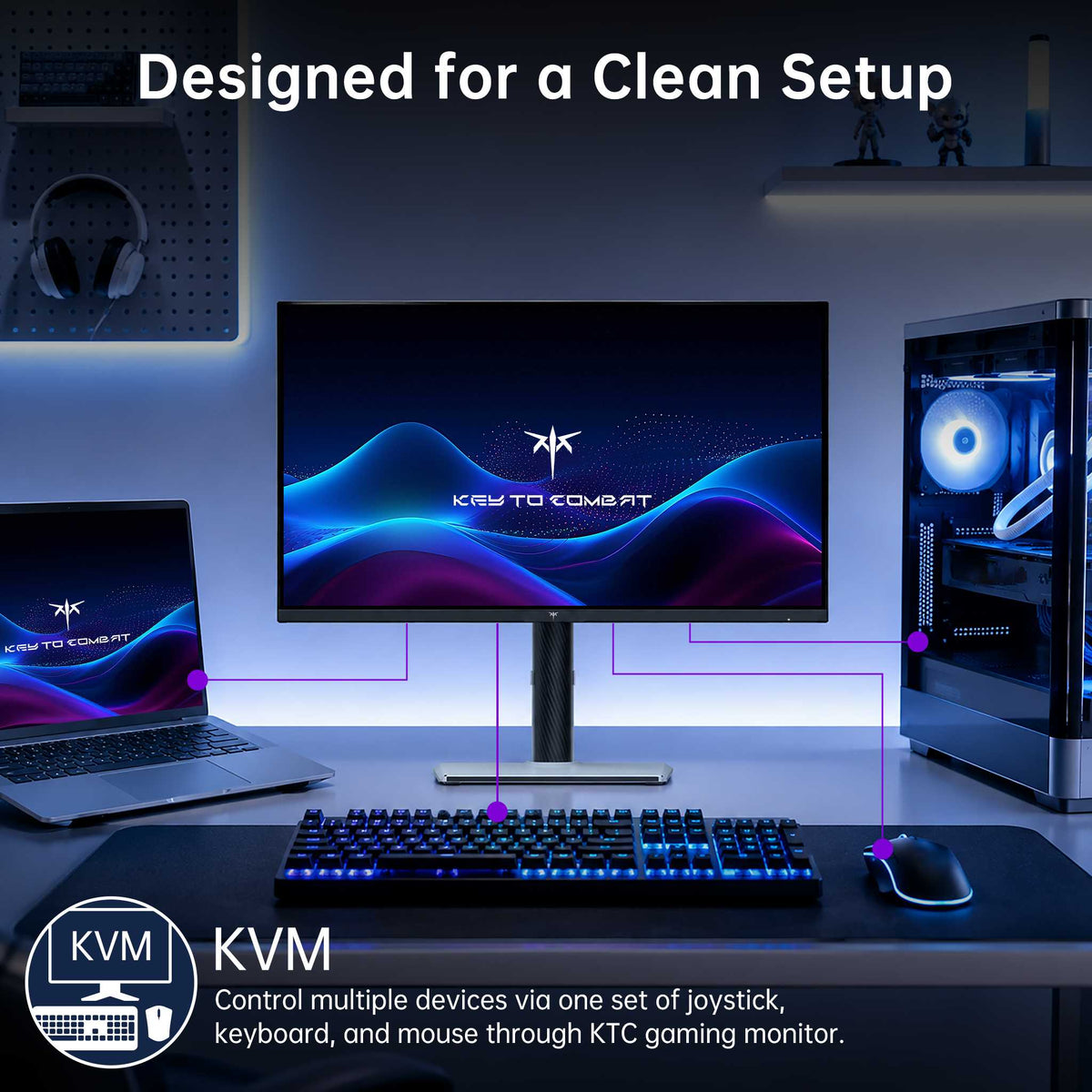
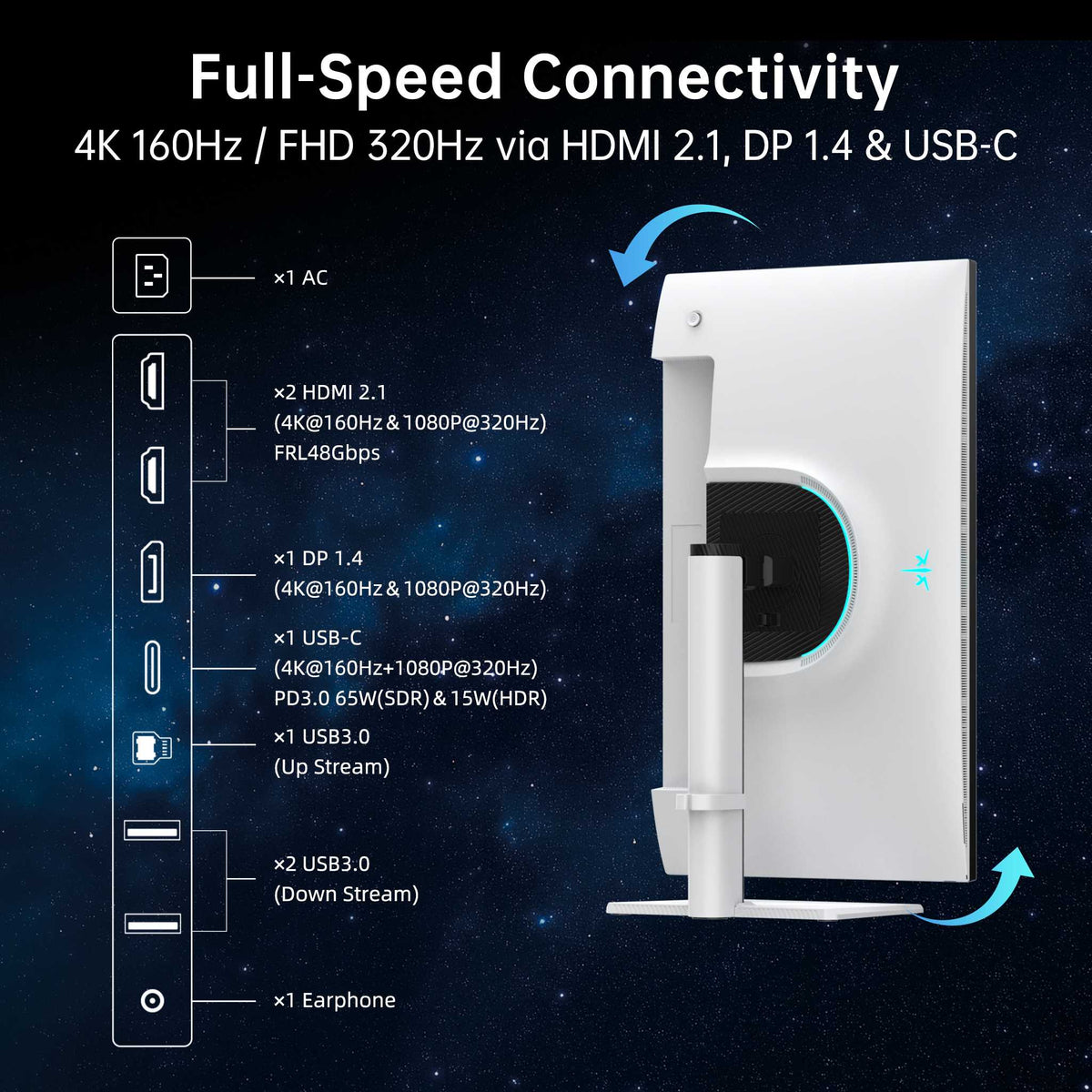
【Connectivity & Ergonomics】A single desk handles a gaming PC, a console, and a work laptop — the M27P6S connects all three without a hub. Dual HDMI 2.1 for 4K console output, DisplayPort 1.4 for full 160Hz PC performance, and USB-C with 65W charging for one-cable laptop use. Height, tilt, swivel, and pivot adjustment lets you dial in the exact position for long sessions.
Model:M27P6S
Screen Size:27-Inch
Aspect Ratio:16:9
Panel:Fast IPS
Size:617*547mm*211mm
Maximum Resolution:3840x2160
Viewing Angle:178º
Brightness(TYP):1400cd/㎡ (HDR)
Color Gamut Coverage:99% DCI-P3(1976) /99% sRGB(1931) / 97% Adobe RGB(1976)
Power:DC 24V / 5A , 100 V ~ 240 V/AC, 50/60 Hz
Static Contrast:1000000:1(HDR)
Dispaly Colors:8bit+FRC
Refresh Rate:160Hz / 320Hz
I/O Ports:2×HDMI2.1, 1×DP1.4, 3×USB3.0, 1xType C, 1×Earphone out


2304-Zone Precision Dimming
4K Mini-LED M27P6S
Glossy clarity with vivid contrast


Perfect Visual Performance
Display Panel
Experience our 27-inch flat display with advanced Mini LED backlight: precise dimming, stunning contrast, deep blacks, vibrant colors, minimal light bleed. Crisp details, vivid visuals—perfect for immersion and precision.


Perfect Game Performance
4K Dual Mode
Enjoy ultra-smooth, responsive gameplay across every genre with dual refresh modes, delivering 160Hz at 4K, 320Hz at 1080p, and a 1ms response time.



True-to-Life Colors
Enjoy brighter highlights, deeper contrast, and richer shadow detail, bringing explosions, sunlight, and other HDR scenes to life with greater realism and impact.

Before

After

Wide Color Gamut

Exquisite Design and Rich Interface


M27P6 vs M27P6S — which to buy Both are Mini LED with HDR1400 and 1,000,000:1 contrast. M27P6 (1,152 zones, matte IPS, Quantum Dot color) suits general gaming, streaming, and everyday HDR use at better value. M27P6S (2,304 zones, glossy Obsidian panel) suits color-critical work, dark-scene-heavy gaming, and viewers who want deeper blacks and richer saturation — best in controlled, non-glary lighting since the glossy finish is more reflective.
Dual-mode means the monitor supports two distinct resolution/refresh-rate combinations that you toggle between via the OSD menu, not simultaneously. The tradeoff is inherent to display engineering: lower resolution needs less data per frame, which is how the panel reaches the higher refresh rate.
It means the backlight is split into 2,304 independently controlled segments that dim or brighten based on what's shown in that region, enabling high contrast and high peak brightness at once. More zones generally improve blooming control.
Blooming is well-controlled at this zone count — highlights stay tightly contained instead of spreading into dark areas, so most users won't notice it in everyday HDR use. Minor bleed can still occur in extreme cases, but it's far less visible than on lower-zone Mini LED panels.
OLED gives true per-pixel blacks with no blooming but has lower sustained brightness and real long-term burn-in risk with static content. Mini LED trades a bit of dimming precision for much higher sustained brightness and no burn-in risk. Choose OLED for the deepest blacks in dark-room viewing; choose Mini LED for brightness, longevity, and HDR punch in normal lighting.