If you are weighing ktc monitor risk tolerance, the real question is not whether a value monitor is "good" in the abstract. It is whether you are comfortable with a little more uncertainty in support, packaging, or feature fit if the price and specs make sense for your use case. That is the right way to judge a value monitor purchase before checkout, and it is the simplest way to frame ktc monitor value.

What Risk Tolerance Means for Monitor Buyers
Risk tolerance is the amount of uncertainty you are willing to accept to reach the result you want, and that definition maps cleanly to monitor shopping: lower price or stronger specs can be worth it if you can live with more ownership uncertainty. The NIST definition of risk tolerance gives the cleanest starting point for a ktc monitor risk tolerance decision.
That matters because a monitor purchase is never just a panel purchase. In a value brand comparison, you are also judging the support path, return effort, and how much polish you expect after the sale. Deloitte's value-seeking consumer framing is useful here because it treats value as more than sticker price.
In the current market, buyers are more willing to compare the full value equation, not just the headline spec sheet, which is why a monitor can look attractive on paper and still be a poor personal fit if the purchase journey feels too uncertain. PwC's current consumer-value context supports that broader decision frame.
For most shoppers, the first check is simple: would you rather save money, or would you rather reduce the chance of post-purchase hassle? If you strongly prefer predictability, a value monitor is not automatically a bad idea, but it deserves more scrutiny before checkout. If you are comfortable handling a return, support email, or a few setup compromises, the risk profile may be fine.
A helpful rule of thumb is this: if a monitor needs to be perfect out of the box for you to feel good about it, your risk tolerance is low. If you mainly care that the screen fits your desk and use case, your risk tolerance is higher. That is the decision layer to keep in mind before you even look at a specific model.
OEM monitor value evaluation framework is a useful follow-up if you want a broader method for comparing price, panel quality, ergonomics, and support.
Where Value Monitor Risk Usually Shows Up
The biggest ktc monitor value tradeoffs usually fall into four buckets: support friction, warranty clarity, cosmetic acceptance, and feature mismatch. None of these is a deal-breaker by itself. The question is whether the sum of them matches your comfort level.
A value-seeking consumer may accept simpler service if the price and specs are strong enough, but that does not mean support terms stop mattering. A low-friction shopping experience often feels invisible until something goes wrong, and that is when patience becomes part of the value equation.
Support Friction and Warranty Clarity
Support friction matters most for first-time buyers and anyone who does not want to chase email threads after a problem shows up. If you are comfortable with a more manual recovery process, that can be an acceptable tradeoff, but it should be a conscious one rather than an afterthought. The factory-direct warranty guide is useful background for comparing what happens when support is less retail-like.
That said, unclear warranty steps are a warning sign, not a feature. Before buying, check how claims are handled, where you would contact support, and what proof you would need if something arrived wrong. If the process feels hard to understand while you are still shopping, it will feel harder later.
Cosmetic Tradeoffs and Packaging Expectations
Cosmetic tolerance is separate from product function. Display standards such as pixel error classes show that some sub-pixel defects can fall within recognized tolerance classes, which helps set expectations for what counts as a standards-based variation versus a true arrival problem.
That does not mean buyers should shrug off every flaw. It means you should decide in advance what you consider acceptable: a plain box, a minor blemish, or a small visual imperfection on a panel can feel very different to different shoppers. If you know you will return the unit for any cosmetic surprise, your risk tolerance is lower than the average value shopper.
Feature Gaps That Matter More Than Price
This is where many buyers misjudge value monitors. A small savings can disappear fast if the port mix, stand style, refresh rate, or size does not fit the actual setup. In practice, the wrong feature set is often a bigger regret trigger than a slightly simpler warranty.
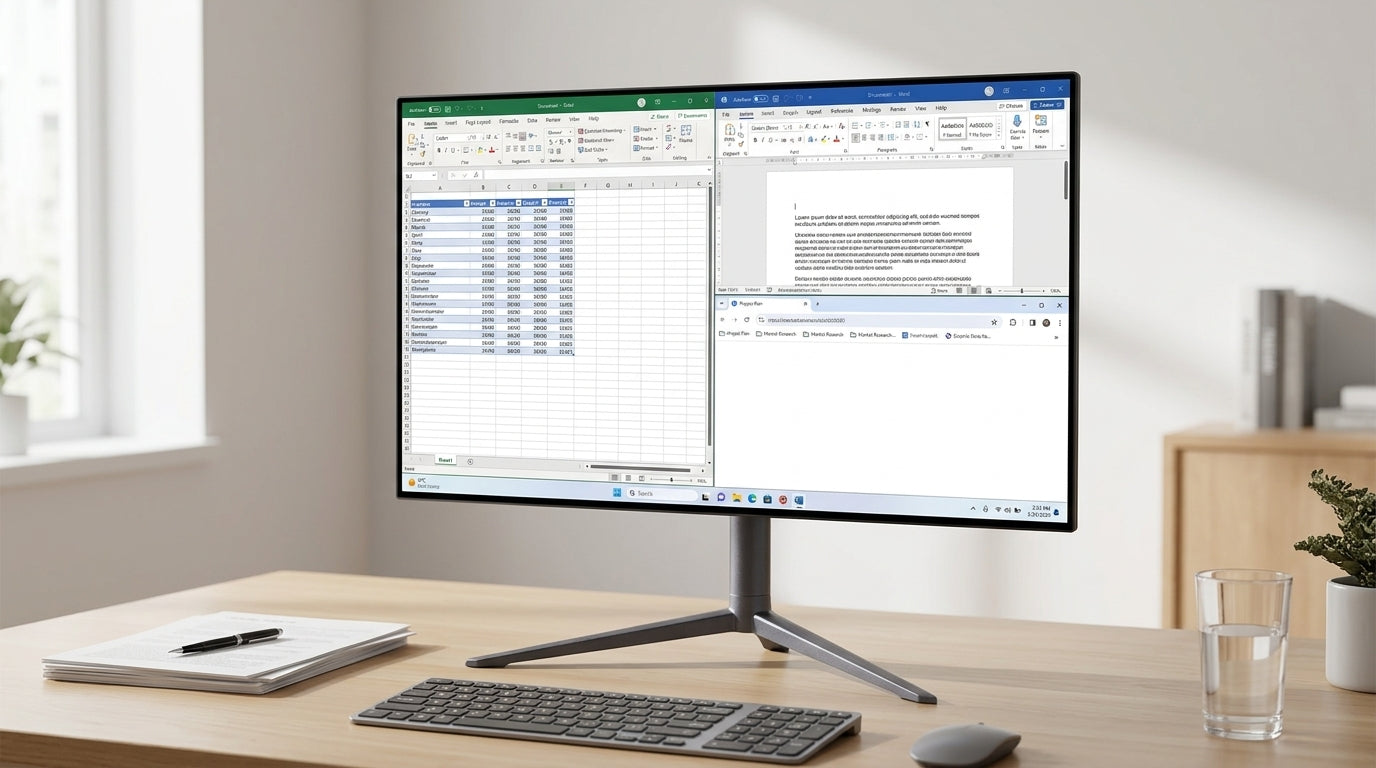
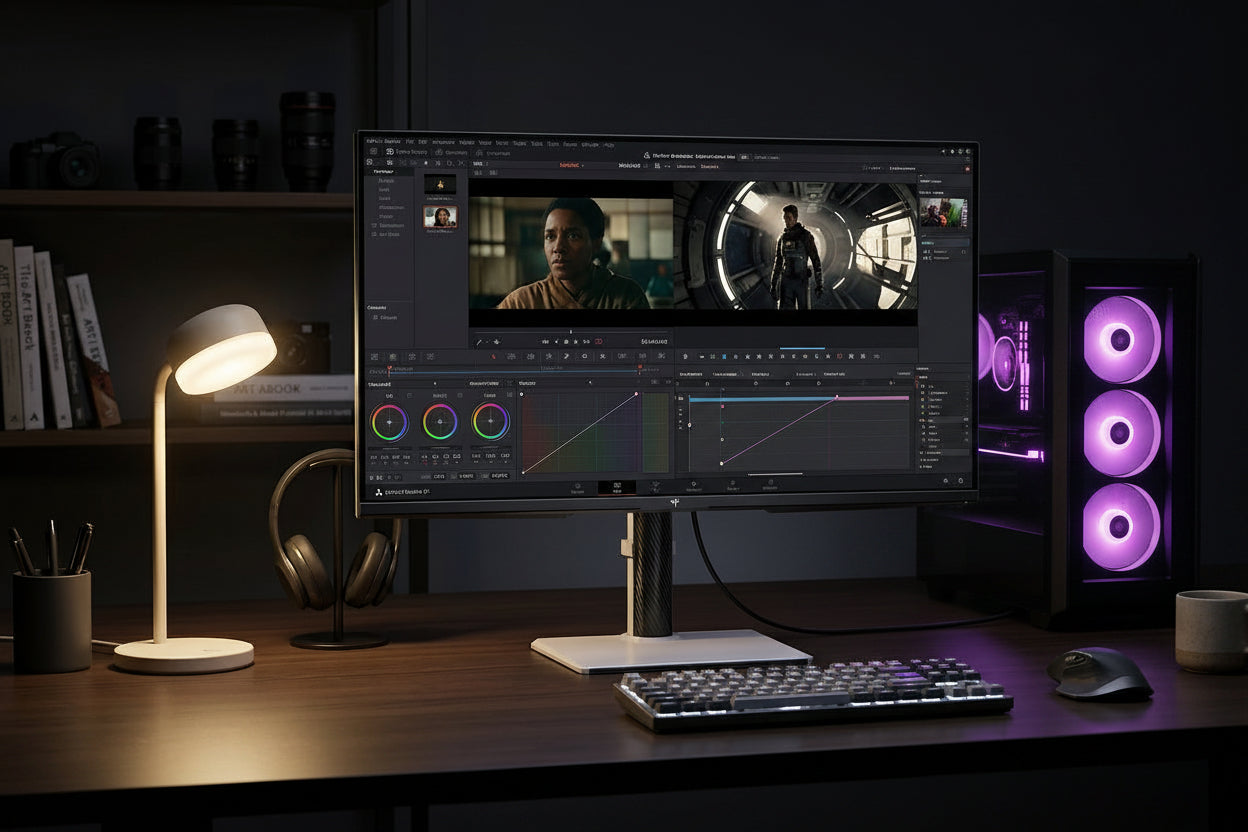
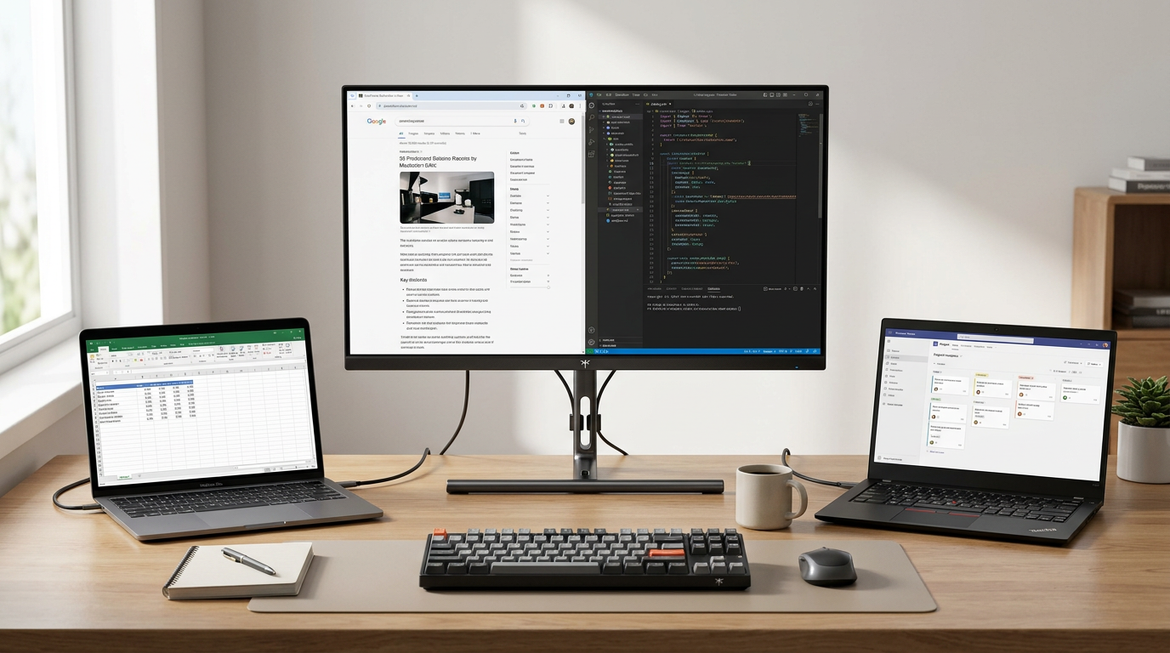
For PC gamers, the key question is whether the monitor's refresh mode matches the games you play. For office buyers, the more useful question is whether the stand and size work on your desk for long sessions. For console gamers, the question shifts again toward input support and whether the screen is meant for a couch distance or a desk.
The broader 4K office monitor range can help you compare value options without locking in a single model too early.

How to Score Your Personal Fit
Use this quick ktc monitor risk tolerance check before you add anything to cart. Give yourself one point for each "yes," then use the total as a fit signal rather than a perfect score.
- Support tolerance: Would you still feel okay if you had to contact support, wait, or gather proof before a fix?
- Cosmetic tolerance: Can you accept a plain unboxing experience or minor variation if the panel itself is acceptable?
- Spec must-haves: Does the monitor clearly match your real use case, not just the biggest number in the listing?
- Return patience: Are you willing to compare, wait, or return the unit if it misses the mark?
- Setup complexity: Will the stand, ports, and desk layout work without extra purchases or awkward compromises?
If you answer "no" to two or more of those checks, keep shopping. That is the simplest boundary. If you answer "yes" to most of them, the monitor may fit your tolerance, even if the brand is less familiar than a bigger-name alternative.
For a shopper who wants a cleaner support path, The OEM Support Manual is a good place to review how direct factory assistance works before you buy.
| Buyer Type | Risk Category That Matters Most | Keep Shopping If... |
|---|---|---|
| First-time buyer | Support friction | You want a very simple claim path and no learning curve |
| Budget PC gamer | Feature mismatch | The refresh rate or port mix does not match your actual games |
| Home office shopper | Setup comfort | The stand, height, or desk fit will create daily annoyance |
| Value-focused console gamer | Cosmetic tolerance | You expect a premium unboxing or zero compromise on finish |
| Confident value shopper | Support friction | You cannot absorb a longer or more manual recovery process |
That table is meant to clarify the likely pattern, not to rank buyers. In a value monitor decision, the "best fit" is the shopper whose biggest concern is also the one the monitor handles well enough.
Which KTC Models Fit Different Tolerance Levels
When you compare KTC options, the right question is not which model is "best" overall. It is which model matches the amount of support or setup friction you can live with. A lower-risk fit usually means more complete ergonomics and a clearer use case. A more aggressive value fit usually means you accept tighter tradeoffs in exchange for a better spec-to-price ratio.
The store's broader lineup makes that pattern easy to see. If you want a more conservative buyer fit, the 4K office monitor range and the factory-direct warranty guide are good context pages before you narrow down to a specific screen.
| Buyer profile | What they tolerate | What matters most | Example KTC model(s) |
|---|---|---|---|
| Lowest-friction buyer | Low support friction, low setup friction | Clear support terms, easier desk fit, straightforward use | H27P27 or H27T27 |
| Value-first office buyer | Some service simplicity tradeoff | Text clarity, desk comfort, basic reliability | H27P27, H27D9 |
| Competitive gamer | Moderate feature tradeoff, low cosmetic concern | High refresh, responsive feel, simple stand | H25T7, H27T22C-3, H27E6 |
| Mixed-use 4K gamer | Moderate support tolerance, moderate feature tolerance | 4K detail, strong gaming modes, usable ergonomics | H27P6 |
| Higher-risk, spec-chasing buyer | High tolerance for tradeoffs if the spec sheet is strong | Maximum refresh or a dual-mode feature set | H25X7, H27E6 |
KTC H27P6 is the most natural featured example here because it sits in the middle: a 27-inch 4K dual-mode monitor with 4K 160Hz and 1080p 320Hz modes, 90W USB-C, a 3-year warranty, 30-day returns, and 1-4 business day shipping. That does not make it the universal answer. It does make it a reasonable example for buyers who want stronger specs and can accept some value-brand evaluation work before checkout.
For a buyer who wants the lowest possible hassle, a simpler office-oriented monitor may feel safer. For a buyer who wants a stronger gaming spec mix and is willing to verify fit first, H27P6 can make sense. The key is that the monitor should match your tolerance, not force you to develop more tolerance after the purchase.
What to Check Before You Add to Cart
Before you buy, verify the details that usually create regret later. This is the shortest practical checklist for ktc monitor risk tolerance:
- Warranty: Confirm the length and what you would need to provide if you make a claim.
- Returns: Check the window and whether you are comfortable using it if the fit is off.
- Support path: Make sure you know where help starts, not just that help exists.
- Desk fit: Confirm the stand height, footprint, and whether your desk can handle it.
- Source-device compatibility: Make sure your PC, console, or laptop can actually use the mode you want.
- Budget comparison: Ask whether a slightly higher-priced monitor would remove a risk that matters to you.
If one of those checks feels weak, pause and compare another model instead of forcing the purchase. A value monitor only makes sense when the tradeoff is intentional.
If the H27P6 is still on your short list, look at the product page and confirm that its feature set matches your setup before checkout. That is the right way to use a value monitor decision frame: verify the fit, then decide.
FAQs
How Do I Know If I Have High Risk Tolerance for a Monitor Buy?
You likely do if you can accept a simpler support path, a plain unboxing experience, or a few feature compromises as long as the screen fits your actual use case. If you need the buying experience to feel polished and predictable, your tolerance is probably lower.
What Support Details Should I Confirm Before Buying a Value Monitor?
Check the warranty length, claim steps, return window, and the exact contact path you would use if something went wrong. The important part is not just that support exists, but that you can picture yourself using it without confusion.
Can a Lower-Priced Monitor Still Be a Good Fit for Daily Work?
Yes, if the resolution, size, and stand comfort match your desk and you do not need premium extras. Daily work buyers usually regret the wrong ergonomics more than they regret a modestly simpler feature set.
Why Do Cosmetic Tradeoffs Matter Less to Some Buyers Than Others?
Some shoppers care most about panel performance and price, while others want a clean unboxing and zero visible surprises. The right threshold is personal: if a small cosmetic issue would bother you every day, treat that as a real risk, not a minor detail.
Can I Use This Assessment to Compare KTC Against Other Value Brands?
Yes. Compare the same three things across every brand: support friction, cosmetic tolerance, and feature fit. Price alone does not tell you whether one option is safer for your situation.
Final Takeaway
The smartest ktc monitor risk tolerance check is simple: decide how much support friction, cosmetic variation, and feature mismatch you can live with before you shop. If those tradeoffs feel acceptable, a value monitor can be a good fit. If they feel annoying now, they usually feel worse after checkout. Use the checklist, verify the policy details, and only buy when the screen matches your actual tolerance. This is the practical side of ktc monitor value.