OEM monitor value decision framework means checking whether the monitor fits your use case, not just whether it costs less. A lower price can be rational when the panel, ports, firmware behavior, and support terms already cover the job, but it is a weaker deal if you need extra accessories, better ergonomics, or a specific input mode that the cheaper model cannot handle.

What Makes an OEM Monitor Good Value
A good-value OEM monitor is one that gives you the performance you will actually use without adding friction you will feel every day. That is why panel sourcing matters, but only as one part of the picture. The display market is dominated by a few primary panel makers, so shared hardware can narrow the value gap without proving that two monitors are equal in QA, firmware, or support quality. Display Panel Manufacturers In The World is a useful reminder that branding is not the whole story.
The practical question is simpler: does the monitor clear your use-case ceiling at a price that still stays low after shipping, stands, mounts, and other setup costs? If yes, OEM monitor value is real. If not, the lower sticker price can be a false saving.
For readers who want a deeper method, the OEM monitor value framework is a helpful next step. The point is not to assume cheaper is better. The point is to separate branding from the parts that affect daily use.
The Four Checks That Matter Most
Before you compare price tags, run four checks in order. This keeps the decision grounded in how the monitor will behave on your desk instead of how the listing reads on paper.

| Check | What to verify | Why it changes value |
|---|---|---|
| Panel and spec fit | Resolution, refresh rate, panel type, size, and HDR claims | Tells you whether the screen matches the job you are buying it for |
| Firmware and input behavior | OSD controls, input switching, overdrive, port support, and compatibility | Affects daily convenience and whether advertised modes are easy to use |
| Support, warranty, and returns | Defect language, return window, and service process | Changes the real risk if something arrives wrong or feels off |
| Total ownership cost | Shipping, accessories, stand quality, and mount needs | Shows whether the lower price stays lower after setup |
Panel and Spec Fit
Start with the job, then read the spec sheet. A 4K monitor is not automatically a better value than a 1440p monitor if the buyer mostly scrolls documents, plays casual games, or uses a fixed desk setup. The right spec is the one that clears your real need without paying for unused headroom.
That is also where port standards become a hard gate. If you want 4K at 120Hz or higher, you need HDMI 2.1 bandwidth or DSC over DisplayPort 1.4. If a cheaper monitor lacks that path, it is not a bargain for that use case, even if the sticker price looks strong.
Firmware and Input Behavior
For real daily use, OSD and firmware behavior matter because they control overdrive, color presets, and input switching. A monitor with clunky menus can still be technically fine, but it may feel annoying if you switch inputs often or rely on different modes throughout the day. The OSD and firmware basics are worth understanding because convenience is part of value.
This is especially important for gamers and mixed-use buyers. If the display can hit the refresh rate only through one port, or if the preferred mode needs a specific cable path, the savings may disappear into setup friction. In that case, the cheaper monitor is not really cheaper in practice.
Support, Warranty, and Returns
Support is part of value because it changes how much risk you carry after checkout. Pixel defect language is a good example. ISO 9241-307 categorizes pixel defects into classes, and that helps you interpret what a policy is actually saying. It does not promise a perfect panel or a generous replacement policy by itself, so it is best read as terminology guidance rather than a quality guarantee. ISO 9241-307 Pixel Defect Classes Explained is the cleanest reference point.
If you are comparing similar-looking monitors, support and return terms often decide whether the lower price is worth the gamble. That is why readers should also check the support and warranty expectations before treating a low sticker price as a complete value story.
Total Ownership Cost
Ownership cost includes more than the monitor itself. LCD Panels & Monitors Procurement and Pricing Environment supports a simple rule: factor in shipping, included accessories, and any ergonomic upgrades you may need if the included stand is basic.
This matters because a cheap monitor can stop being cheap once you add a VESA arm, adapter, or better cable. It can also go the other way. A modestly pricier monitor with a better stand or a more useful port layout may end up being the better value if it avoids those extra purchases.
How KTC Fits Different Buyer Needs
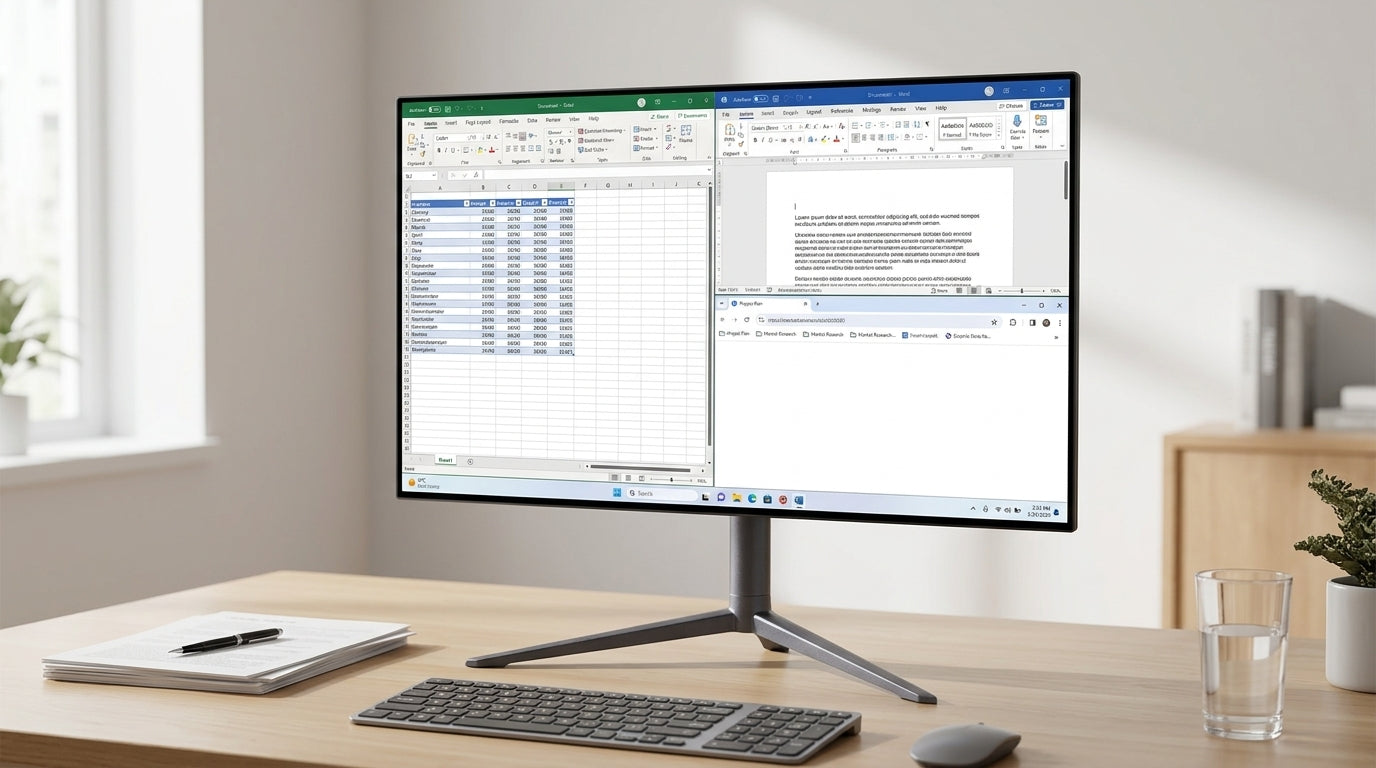
KTC is best used here as a neutral example of how different buyer lanes map to different value outcomes. The right choice depends on whether you need office clarity, high-refresh gaming, ultrawide workspace, or Mini-LED HDR performance. The table below keeps the comparison practical rather than promotional.
| Buyer need | Best-fit model | Why it fits | Main tradeoff to notice |
|---|---|---|---|
| Budget QHD office or study use | H27T27 | 27-inch 1440p, 100Hz, dual HDMI, and a low entry price make it a practical office-first option | Tilt-only stand means fixed-desk buyers should check whether they need an arm or extra height adjustment |
| Affordable 4K home office or creator-adjacent work | H27P27 | 27-inch 4K with IPS, 60Hz stability, and a price that stays close to office-monitor territory | Not the right lane if you want high-refresh gaming or advanced ergonomic adjustability |
| Mixed-use 4K desk with gaming on the side | H27P6 | 4K at 160Hz, HDMI 2.1, full ergonomics, and dual-mode flexibility make it strong for buyers who switch between work and play | It costs more than office-only models, so it makes sense only if you will actually use the higher refresh and sharper canvas |
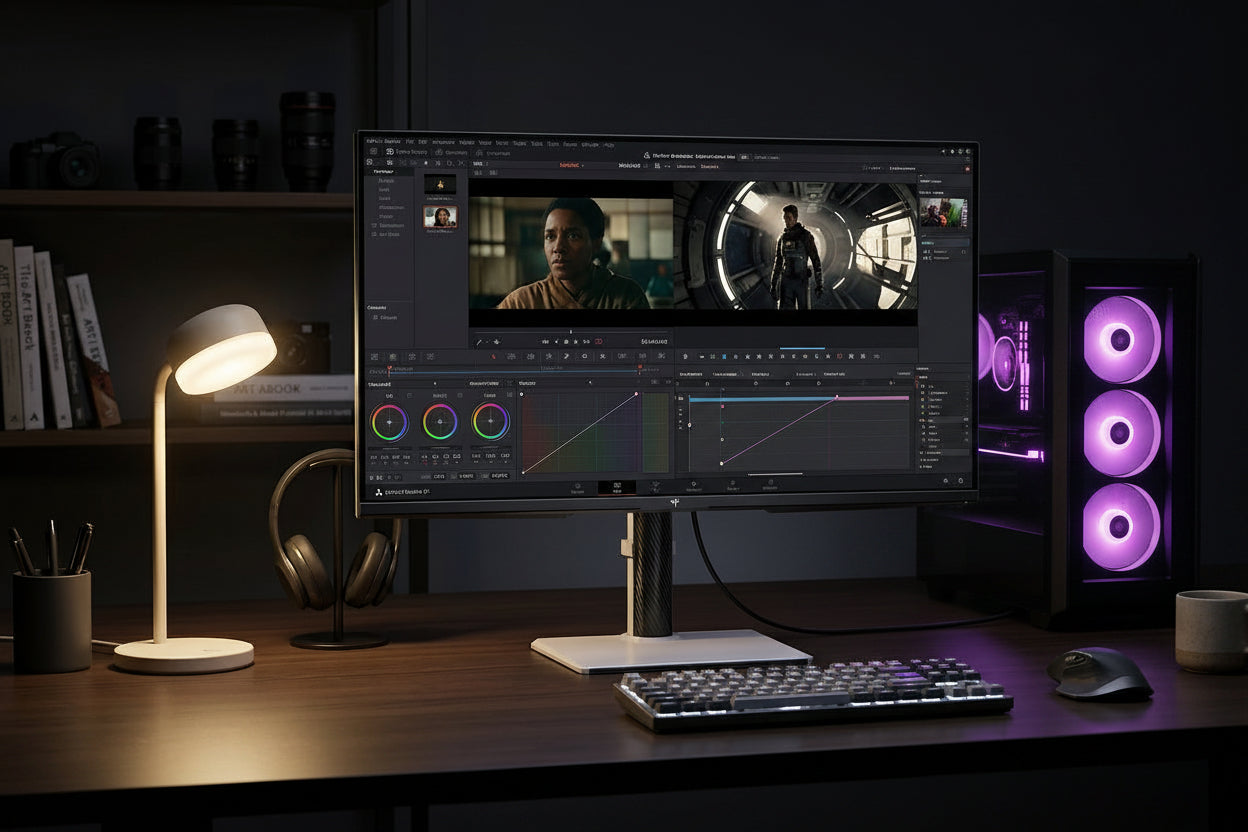
| 1440p gaming with premium HDR impact | M27T6S | Mini-LED, HDR1000, 200Hz, and full ergonomics make it a strong fit for players who value contrast and motion | The feature set is richer than a simple gaming panel, so it is easiest to justify if HDR and color work matter too |
| 4K HDR gaming and creator work | M27P6 | 4K, 160Hz, HDMI 2.1, Mini-LED, and full adjustment support a premium all-around setup | It is only the better value if you need its full capability; otherwise, a lower-tier monitor may cover the same job for less |
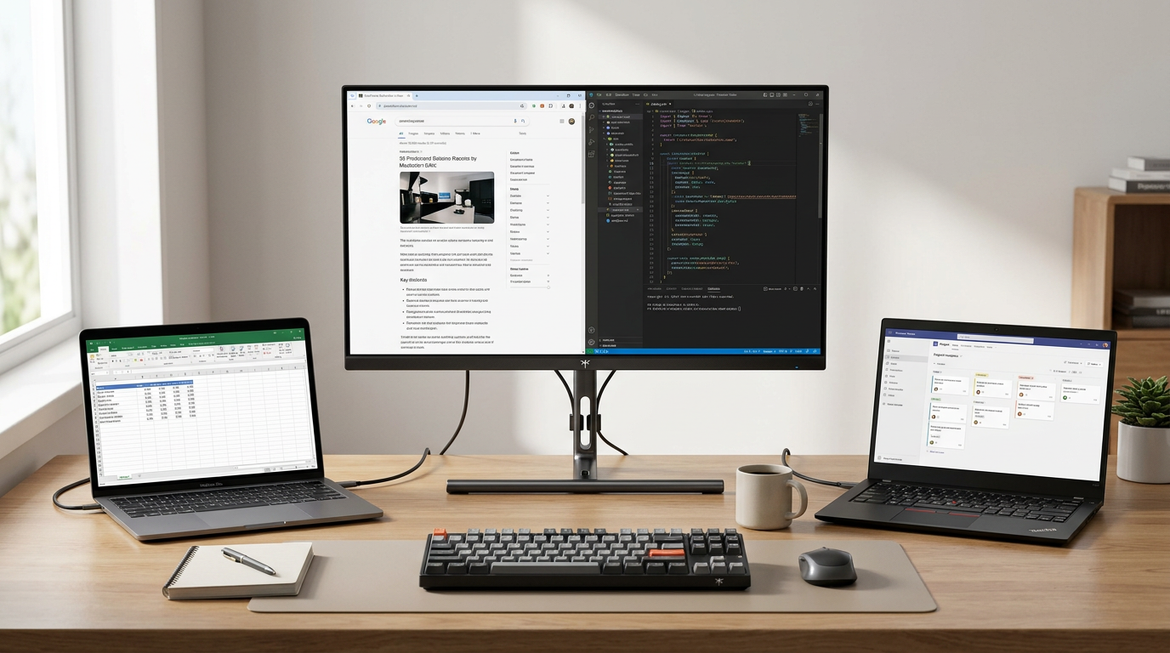
| Ultrawide multitasking and immersive gaming | H34S18S | 34-inch ultrawide 3440×1440, 180Hz, and PIP/PBP make it useful for racing, multitasking, and split-device setups | Ultrawide only pays off when your desk space and software use can benefit from the extra width |
The neutral lesson is simple: pay for the lane you actually live in. If you want office clarity, the office monitor collection is the right browsing path. If you are shopping for play-first setups, the gaming monitor collection is the more relevant category.
When a Lower Price Is the Better Buy
- Choose the cheaper monitor when the screen already covers your required resolution, refresh rate, and desk fit. If you will not use HDR, extreme refresh, or wide color, paying extra often adds little day-to-day value.
- Choose the cheaper monitor when your setup is fixed and simple. A basic stand can be fine if you do not need height, swivel, or portrait rotation.
- Spend more when the input path matters. If you need 4K at 120Hz or higher, verify HDMI 2.1 or DSC over DisplayPort 1.4 before treating a lower price as a win.
- Spend more when OSD and input switching will be used constantly. Small firmware annoyances become real costs if you change modes often.
- Spend more when added purchases erase the savings. A monitor that needs a better arm, a better cable, or a different mount may end up costing more than the first listing suggested.
- Spend more when support and return terms are part of your comfort level. That extra buffer can matter more when the price gap between two models is small.
A useful rule is this: cheaper is rational when the monitor already clears the job and does not create recurring friction. If it does, the lower price is only half of the story.
A Practical Pre-Purchase Checklist
- Confirm the use case first. Decide whether this is for office work, gaming, mixed use, or ultrawide multitasking.
- Check the resolution and refresh rate against the device you will use. Do not assume the monitor can hit the headline mode on every input.
- Verify the port path. For higher-end gaming modes, make sure your cable and source support the needed bandwidth.
- Look at the stand and mounting plan. If the included base is basic, add the cost of a VESA arm or better desk setup.
- Read the defect and return language carefully. Pixel policy terms tell you what the seller means by acceptable variation, not what you wish it meant.
- Add shipping and accessories to the total before comparing prices.
- Compare one last time against the next better model. If the upgrade fixes a real problem you will feel every day, the more expensive option may be the better value.
For buyers who want a deeper support refresher, the warranty process guide is worth a look before checkout. If you want a fast pre-buy filter, the OEM monitor buying checklist keeps the final pass short.
Final Takeaway
OEM monitor value is not about chasing the lowest price. It is about buying the cheapest monitor that still fits your use case, connects correctly, feels usable every day, and stays affordable after setup costs. If you can check those boxes, the lower price is a real win. If you cannot, spend more where the extra money removes friction you will notice.
FAQs
How Do I Tell Whether an OEM Monitor Is Good Value?
Good value means the monitor matches your real needs for resolution, refresh rate, ergonomics, and support cost. If a cheaper model already fits the job and does not force extra spending, it is usually the better buy. If it misses one of those basics, the savings can be misleading.
What Specs Matter Most for Factory-Direct Monitors?
Resolution, refresh rate, panel type, and ports usually matter most, but only after you decide what you are using the monitor for. A high-refresh panel is useful for gaming, while sharp text and a stable stand matter more for office work. Specs only help when they match the lane.
Why Does Support Matter So Much in a Lower-Priced Monitor?
Support changes the risk of the purchase. Return timing, defect handling, and replacement process all affect how painful a bad unit would be. A slightly higher price can be easier to justify if the support path reduces hassle and uncertainty after delivery.
Can a Cheaper Monitor Be Better for Gaming or Office Use?
Yes, if the cheaper monitor already reaches the mode you need. For office work, that often means clear text and a comfortable setup. For gaming, it means the right refresh rate and port support. Paying more only helps when it fixes a real limitation you would otherwise notice.
What Should I Check Before Adding a Monitor to Cart?
Check use case fit, port compatibility, stand or arm needs, shipping, and return terms. Then compare the model against one step up. If the more expensive option solves a problem you were already worried about, it may be the safer value choice.
Conclusion
If you want a quick next step, compare the shortlist against the OEM monitor buying checklist and choose the model that clears your real use case with the least added friction.