A rolling smart display is best understood as a mobile touch screen on wheels, not as a TV, tablet, or monitor in disguise. In U.S. homes, the rolling smart display category usually makes sense when the screen needs to move room to room, but still needs to feel large enough for shared use and touch interaction. The key question is fit, not hype.

What a Rolling Smart Display Is
The cleanest way to define a rolling smart display is as a large touch display mounted on a wheeled stand, with built-in smart features that let it move through a home more easily than a fixed screen. Ars Technica's look at the rise of giant tablets on wheels is a good shorthand for the category: it is a hybrid screen, not a formal standards class.
That hybrid label matters because shoppers often compare it to the wrong product first. A TV is usually tied to one room. A tablet is built for handheld use. A monitor is usually desk-first. A rolling smart display sits in between those categories, which is why it can feel useful in a kitchen, bedroom, family room, or home office when the screen does not belong in only one spot.
For most buyers, the real benefit is flexibility. If you need one screen that can move with the household, this category is worth a look. If you want a fixed theater screen or a carry-everywhere device, it may feel awkward instead of convenient. That is the first decision filter.
The category also shows up under search terms like mobile touch screen display for home use or what is a rolling Android display. Those phrases point to the same basic idea: a shared screen that trades some specialization for movement and easier room-to-room use. If you want to browse the broader category, the mobile touch screen collection is the most direct starting point.
How It Differs From a TV, Tablet, and Monitor
The easiest way to compare the category is by what each device does best. A rolling smart display usually wins when the screen has to move. A TV usually wins for fixed living-room viewing. A tablet usually wins for handheld convenience. A monitor usually wins for desk-first precision.

| Device Type | Mobility | Touch Use | Shared Viewing | Desk Fit | Best Fit Scenario |
|---|---|---|---|---|---|
| Rolling smart display | High, because it moves on wheels | Strong, because touch is central | Good for shared household use | Moderate, not a desk-only device | Room-to-room use, mixed entertainment, light productivity |
| TV | Low, because it stays in one place | Low or absent | Strong for fixed viewing | Weak for desk use | Living-room entertainment and wall-mounted setups |
| Tablet | High, because it is handheld | Strong, because touch is native | Weak for group use | Weak for desk-first work | One-person use on the go or on the couch |
| Monitor | Low, because it is usually stationary | Low to moderate | Weak to moderate | Strong for desk-first work | Office work, fixed gaming, productivity, and tight workflows |
That middle-ground positioning is why shoppers get confused. Wirecutter's portable TV monitor review frames these products as useful in some households, but not as universal replacements for every screen type. That is the right mindset here too.
What this means in practice is simple: if you need a screen that can change rooms and still feel substantial, the category makes sense. If your main need is a permanent entertainment display, a handheld personal screen, or a desk monitor with a fixed posture, one of those other device types will usually be the cleaner fit.
Rolling Smart Display vs. TV, Tablet, and Monitor
A quick comparison of where each device type tends to fit best in a U.S. home.
View chart data
| Scenario | Mobility | Touch use | Shared viewing | Desk fit | Best-fit scenario |
|---|---|---|---|---|---|
| Rolling smart display | 3 | 3 | 3 | 2 | 3 |
| TV | 1 | 1 | 3 | 1 | 2 |
| Tablet | 3 | 3 | 1 | 1 | 2 |
| Monitor | 1 | 1 | 1 | 3 | 3 |
Where the MegPad Fits in a U.S. Home
One concrete example of the category is the KTC MEGAPAD 27" FHD Android 14 Google EDLA Smart Touch Monitor with 9500mAh Battery. It is a 27-inch FHD touch display with wheels, a 9500mAh battery, an 8MP camera, Android 14 with Google EDLA, 8GB RAM, 128GB storage, and 4×5W stereo speakers. Those are product facts, not category rules, so they should be read as one model's setup rather than a promise for every rolling smart display.
In a living room-to-bedroom setup, that kind of product can make sense when different people want the same screen in different rooms at different times. The convenience is not "portable" in the tablet sense. It is more like roll it where you need it, use it there, then move it again without rearranging the room.
In kitchens and shared spaces, the category can also be practical for recipes, casual streaming, family content, or quick browsing. A CNET look at giant Android screens in the kitchen helps explain why this works: the value is not just screen size, it is having a visible, shared display where a wall mount would be inconvenient or unnecessary.
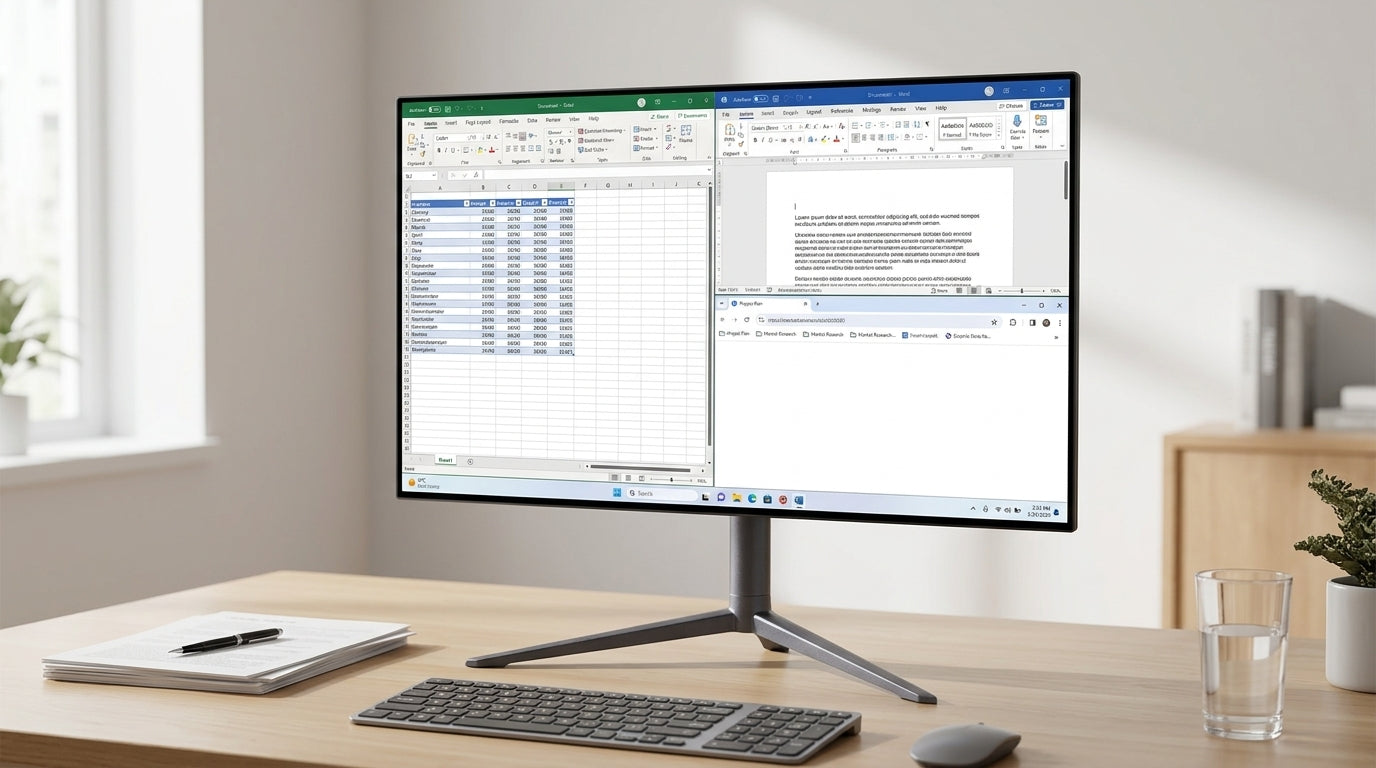
For work-from-home use, the MegPad's built-in camera, wired laptop projection support, and Android-based software stack make it a flexible option for video calls, online classes, reading documents, and light browsing. That said, Android 14 and Google EDLA are convenience and compatibility cues, not a guarantee that every app or workflow will feel laptop-like. If you need a fixed desk setup with strict ergonomics, a monitor may still be the simpler choice.
If your household wants one movable screen for mixed entertainment and light productivity, this is the kind of product the category is built around. If you want a fixed theater display or a true laptop substitute, the fit gets weaker fast.
Buying Criteria That Matter Most
Before choosing a rolling smart display, check the room first and the spec sheet second. The best choice depends less on the idea of mobility and more on how you actually plan to use the screen.
- Screen size: A larger panel helps shared viewing and touch use, but it also makes the unit harder to place in tight rooms. If the display will move through narrow hallways or small bedrooms, size matters more than the marketing photo suggests.
- How often it moves: If the screen will live in one room most of the time, you may not need a rolling category at all. If it changes rooms several times a day or week, the wheeled design starts to earn its keep.
- Battery dependence: Battery runtime should be treated as model-specific, not category-wide. Brightness, volume, and usage pattern all change how long it lasts, so the practical question is whether cordless movement matters in your home.
- App and OS expectations: Android and EDLA can be convenient, but they do not make every app behave like a phone or a laptop. Check the apps you actually use instead of assuming broad compatibility.
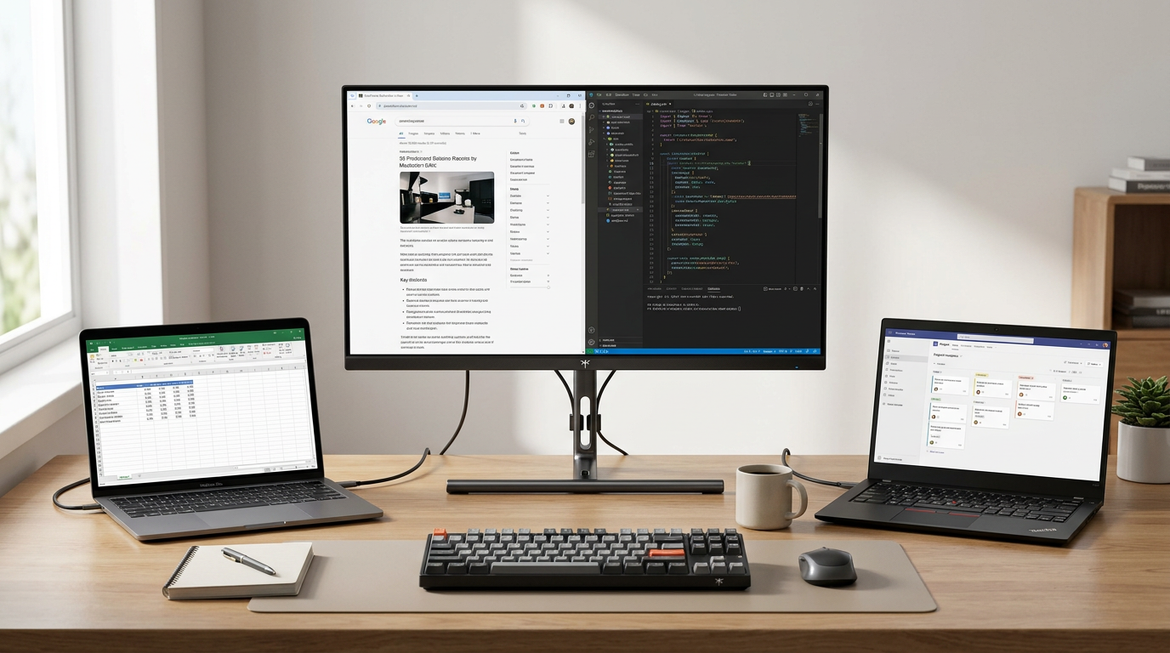
- Input needs: If you plan to connect a laptop, game console, or other source, verify the available ports and signal support before buying. A screen can look flexible on paper and still be awkward with your actual devices.
- Stand and room fit: A wheeled base only helps if the screen can clear furniture, doors, and corners comfortably. This is the kind of detail that determines whether the product feels easy or annoying after week one.
- Policy and support: If you are unsure, return policy, warranty, and shipping terms matter more than they do for a fixed monitor upgrade. The category is still new enough that a low-friction return path can reduce regret.
For a neutral follow-up read, the blog post when a rolling display helps is useful because it stays focused on use-case checks instead of pushing a single model. If you are deciding between a DIY setup and an integrated product, integrated battery displays vs. DIY rolling monitors is the better comparison.
When a Rolling Smart Display Is the Wrong Fit
A rolling smart display may not be the best choice if your screen stays in one place and mainly serves as a fixed family TV. In that case, a regular TV usually feels simpler and more natural. The same goes for a tablet if you mainly want one-person handheld use, or a monitor if your priority is desk posture, keyboard-and-mouse work, or precision productivity.
That is why the category is best treated as a middle-ground household screen, not a universal replacement. The Smart Monitor collection is a useful next stop if you want more fixed entertainment-oriented options, and the broader All Monitors collection makes it easier to compare categories before you commit.
A rolling smart display is worth considering when flexibility matters more than specialization. If your setup is mostly fixed, a different screen type will probably save you money and frustration.
Quick Decision Checklist
- Do I need the screen to move between rooms, or would one fixed location be enough?
- Will more than one person use it, or is this mainly for one-person handheld use?
- Do I want touch interaction and casual app use, or do I mainly want a TV or monitor substitute?
- Will I connect other devices often, and have I checked the input options?
- If I am still undecided, would a fixed monitor or TV be easier to live with?
If most of your answers point toward movement, shared use, and touch interaction, the rolling smart display category fits the way your home works. If most of your answers point toward one room, one posture, or one primary device role, choose something more specialized instead. For shoppers who want to keep browsing, the mobile touch screen category is the most direct place to compare models.
FAQs
What Is a Rolling Smart Display Used For?
It is usually used as a shared, movable screen for casual streaming, recipes, video calls, classes, and light productivity. The main value is room-to-room flexibility, so it helps most when a screen needs to follow the household instead of staying fixed in one place.
Can a Rolling Smart Display Replace a TV?
Sometimes, but not universally. It can overlap with TV-like use in a bedroom or flexible family space, yet a fixed TV is usually the cleaner choice for a permanent living-room setup. The deciding factor is whether you actually need movement.
How Is It Different From a Tablet?
A tablet is better for one-person handheld convenience, while a rolling smart display is better when you want a larger shared screen that still moves easily. The category is about household flexibility, not pocketable portability.
What Should I Check Before Buying One?
Start with room layout, then check whether the screen will move often enough to justify wheels. After that, verify battery expectations, app needs, input support, and the return policy. Those details do more to prevent regret than panel size alone.
Can the MegPad Work for Video Calls and Light Work?
Yes, the product facts support video calls, online classes, document viewing, browsing, and wired laptop projection. It is best treated as a flexible home screen for light work, though a fixed monitor may still be better for all-day desk use.