A smart display hub works best when it matches how your household actually moves through the day. If you want one screen for calendars, recipes, reminders, streaming, and quick camera previews, start with placement and privacy first. The wrong room or the wrong notification setup can turn a helpful hub into clutter.

Where a Whole-Home Screen Works Best
For most households, the best room is the one people already check several times a day. Shared calendars help centralize complex family routines, so the screen should sit where that daily glance naturally happens, not where it looks neat on paper. Research on household calendar use shows why a visible shared screen can reduce routine friction when several people need the same information in one place. Shared calendars in the home are especially useful when appointments, school events, and reminders keep changing.
Kitchen Counter and Meal-Planning Zone
The kitchen is often the most practical place for a smart display hub because it sits near meal planning, shopping lists, and the day's schedule. That only works if the screen stays readable without crowding prep space or blocking outlets. Keep enough room for cooking flow, and check that steam, splashes, and cabinet overhang will not make the screen annoying to live with.
Family Room Shared View Zone
A family room works better when the screen needs to serve several people at once, including calendars, streaming, and security previews. This is usually the best shared-view zone when the display has to be visible from the sofa and still easy to tap. The main checks are glare from windows, viewing distance, and whether everyone can reach it without making the room feel crowded. OSHA notes that monitor placement relative to light sources can cause reflected glare, which makes reading harder and can lead to awkward posture. Glare and light-source placement matter just as much in a shared room as they do at a desk.
Home Office Flex Space
A flex space works well when the display has to do double duty for work calendars, quick document checks, or occasional video calls. This is a reasonable fit if the household wants a portable touchscreen display for remote work setup tasks without dedicating a permanent workstation to it. The key check is whether the screen can switch from family use to work use quickly, because a shared hub that takes too much effort to move or reconnect often gets ignored.
Rolling Versus Fixed Placement
A rolling display is usually the better fit when more than one room needs access. It makes sense for room-to-room use, shared family routines, and occasional work tasks that move between spaces. A fixed setup is simpler if one room gets nearly all the use. Ergonomics still matter either way: the top of the display should sit at or slightly below eye level, with a gentle downward view being more comfortable for many people. CCOHS monitor positioning guidance is a useful baseline, and it also explains why height and angle matter more than raw screen size.
Choosing the Right Apps and Routines
The best smart display hub is the one that fits your existing routines instead of forcing a new system. Shared calendars are the anchor for most households, then reminders, recipes, lists, streaming, and camera previews build around them. Shared digital calendars work well because they give several people one visible place to check the day, which is more useful than switching between personal devices.
For most families, the real decision is not whether the screen can run apps, but whether the apps match the way the household already organizes itself. Calendar apps, reminder tools, recipe views, list apps, casting workflows, and smart-home routines are the right categories to check first. That setup should support quick glances, not create another login chore.
If you want a featured model to compare against your routine, the KTC MEGAPAD 32" 4K Android 13 Google EDLA Smart Touch Monitor with 9500mAh Battery is a natural example to review for home use. Its mobile stand and built-in battery make more sense when you want one screen to travel between kitchen, family room, and home office. That said, it is still worth checking the exact app and casting behavior you rely on before you buy, because household routines are often more specific than product pages suggest.
Calendar and Reminder Setup
Shared calendars are the core of the whole-home idea. The screen works best when work, school, appointments, and family events are separated cleanly enough that people can read them at a glance. Too many notifications make the display feel noisy, so timing matters more than sheer volume. If reminders are constantly popping up, the screen starts competing with the household instead of helping it.
Recipes, Lists, and Meal Planning
Recipes and shopping lists are usually the most kitchen-friendly uses because they fit short, repeated glances. The display should be visible from the prep area and easy to wake without breaking your cooking rhythm. If you find yourself wiping flour or grease off the screen all the time, the room placement is probably wrong, even if the app setup is fine.
Streaming and Casual Media Use
Streaming can justify a shared screen when the household wants one device for both utility and downtime. In that case, speakers, brightness, and viewing angle matter more than a laundry list of specs. The screen should be pleasant enough for a show or sports clip, but it does not need to replace a living-room TV unless your use is mostly passive viewing. A whole-home information hub with calendar and recipes is still a different choice from a dedicated entertainment display.
Remote Work and Light Productivity
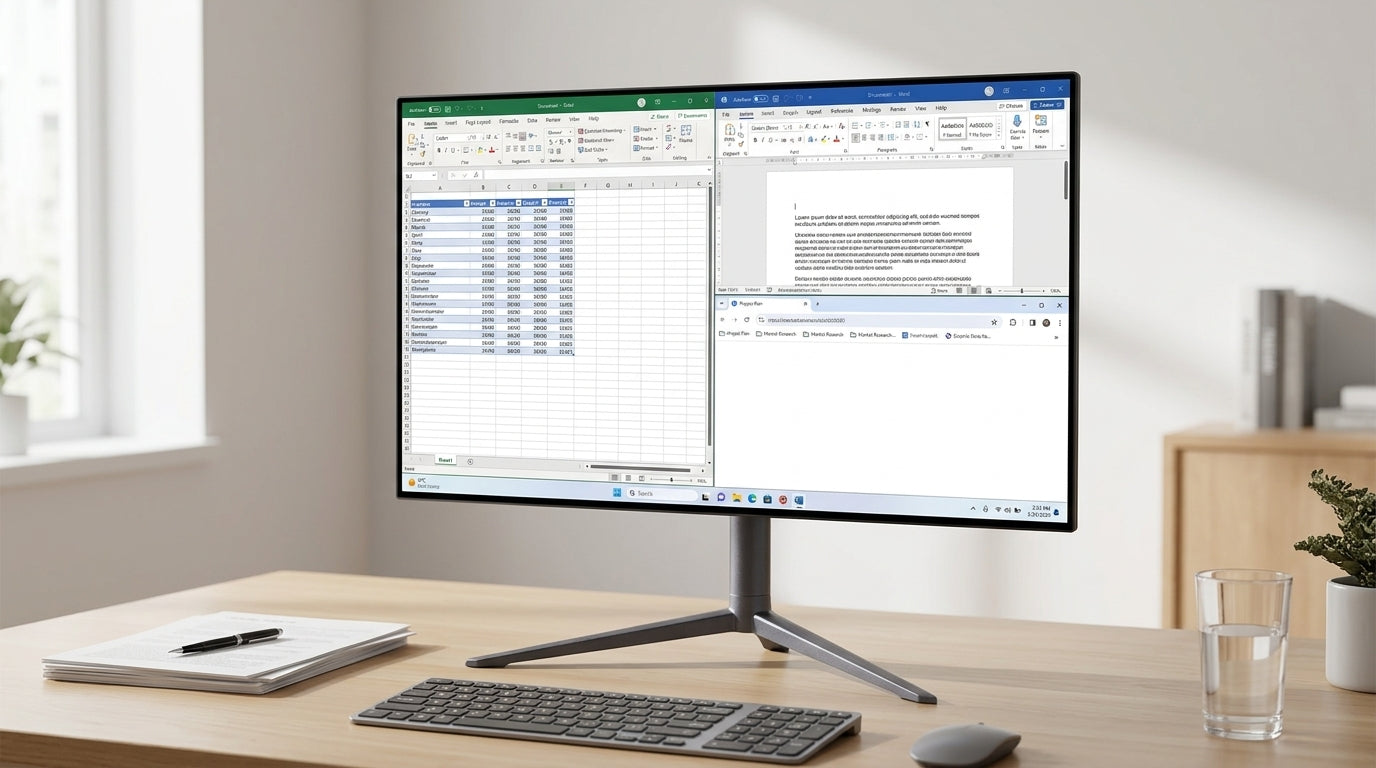
A smart display hub can support quick document review, video calls, and a temporary second screen. It is better for light work than for a full desk replacement unless you have already tested the workflow. Before you rely on it, check keyboard and mouse support, account switching, and whether your work apps behave the way you expect.
Privacy and Notification Controls
Privacy on a shared screen depends heavily on settings and household habits. That is why the goal is not to make the device feel invisible, but to make it feel predictable. If a hub shows too much by default, people stop trusting it and may avoid using it altogether.
- Limit notifications to the ones the whole household actually needs.
- Keep camera previews restricted to moments when they are useful, not always visible.
- Set quiet hours so the screen does not feel intrusive at night.
- Use separate accounts or profiles when the device supports them.
- Make guest use simple, but do not leave full access open all the time.
- Check what shows on the screen after a reboot or app update.
- Build a quick sign-out or lock habit for any shared work or personal account.
If you want a rolling smart display for home organization, the privacy question matters even more because the screen may move between public and semi-private spaces. The right setup is the one that feels helpful without exposing too much in the family room or kitchen.
How the Display Compares With a Tablet or TV
A shared display is usually better for glanceable household information than a personal tablet, while a TV is better for passive viewing. Consumer testing of digital calendar displays points to the value of a dedicated, visible screen in high-traffic areas because it reduces the mental load of checking multiple devices. Dedicated shared displays are most useful when the family needs the same information at the same time.
| Device Type | Best Fit | Mobility | Touch Convenience | Household Sharing | Setup Complexity |
|---|---|---|---|---|---|
| Smart display hub | Shared calendars, recipes, reminders, camera previews | Medium to high if rolling | High | High | Moderate |
| Tablet | One-person use, private browsing, personal reading | High | High | Low to medium | Low |
| TV | Passive streaming, sports, group viewing | Low | Low | High for viewing, low for interaction | Moderate |
| Portable monitor | Flexible second-screen use, lighter work tasks | Medium | Low to medium | Low to medium | Moderate |
If the household wants one screen to move between rooms and handle shared routines, a smart display hub is usually the better fit. If the screen is mainly for one person, a tablet is easier. If the main goal is passive watching, the TV still wins.
The MegPad vs tablet decision guide is useful if you are deciding between a shared home hub and a more personal device. For category browsing, smart monitors can help you compare broader screen options before you commit to a household setup.
Final Checks Before You Buy
Before you buy, check the room, the daily routine, the privacy plan, the power and cable path, and who will use the screen most often. If the display will move between spaces, review the fit of mobile touch screens instead of treating a fixed screen like the default.
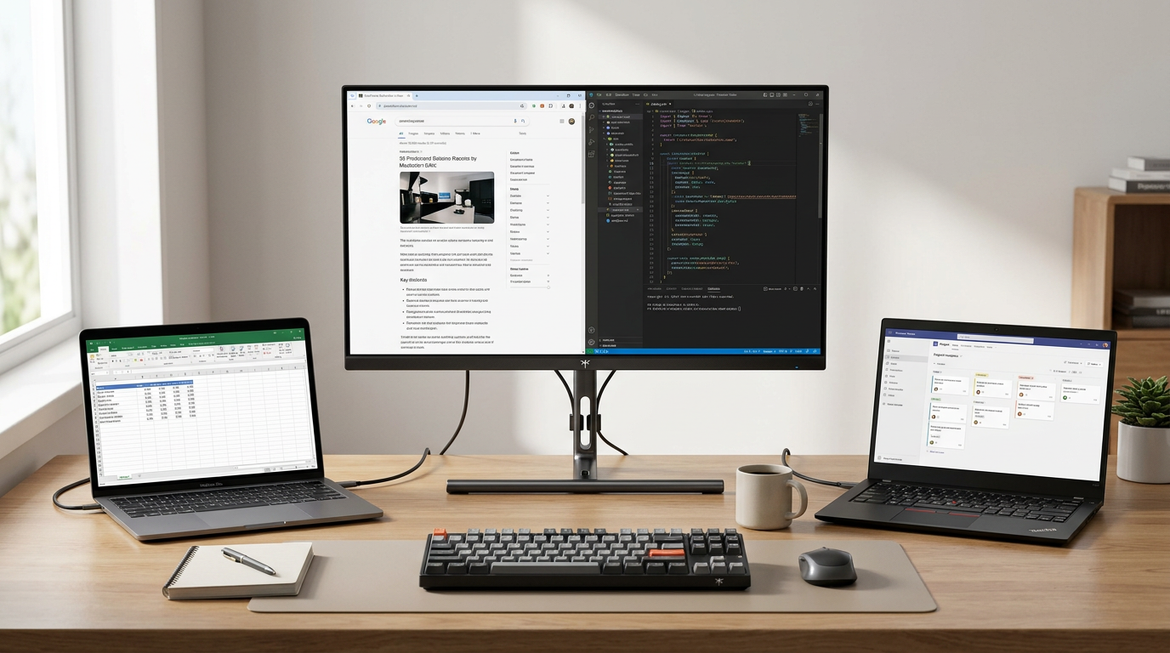
The 32-inch smart touch monitor is a useful second option to compare if you want a larger fixed setup with adjustable placement.
FAQs
How Do You Choose the Best Room for a Shared Smart Display?
Choose the room that gets the most repeated daily check-ins, usually the kitchen, family room, or a flex office. The right room is the one where visibility, glare control, and power access line up with the household's routine, not the one that looks best in a product photo.
What Apps Matter Most for a Family Calendar Hub?
Start with calendar and reminder apps, then add recipes, shopping lists, and the casting or smart-home tools your household already uses. The best setup is usually the one that supports your existing accounts instead of asking everyone to learn a new system.
Can a Rolling Touch Display Replace a Tablet in Daily Use?
It can, if the screen is meant to serve the whole household and move between rooms. A tablet still makes more sense for private browsing, one-person reading, or highly personal use. The choice flips when shared visibility matters more than portability in a bag.
How Do You Reduce Notification Overload on a Shared Screen?
Use quiet hours, limit alerts to the essentials, and keep camera previews and account access tightly controlled. If the screen starts interrupting meals or conversations, the notification settings need to be simplified before the hardware is blamed.
Can a Smart Display Also Support Light Remote Work?
Yes, but only for light tasks such as calendar checks, quick calls, or short document reviews. It is not the same as a full workstation, so check keyboard support, account switching, and app behavior before treating it as a work replacement.