A smart monitor with Google EDLA certification and Android can serve as a central command center for both screen casting from your phone and running smart home routines, letting you mirror content or stream media while controlling lights, cameras, and other IoT devices from one screen. This setup works best for Android and Google ecosystem users in small homes or apartments who want to reduce app switching, provided your Wi-Fi is stable and you maintain a dedicated smart home hub for full Matter or Thread compatibility.

The combination of casting and home automation turns the display into a practical hub rather than just a larger screen. However, performance depends heavily on your network, the distinction between casting and mirroring, and whether the monitor acts as a controller or tries to replace a full smart home hub.
How Do You Cast From a Phone to a Smart Monitor?
Screen casting and mirroring both send content from a phone to a smart monitor, but they work differently in practice. This guide explains that casting (such as Chromecast built into many apps) streams specific content like a YouTube video or Netflix title while freeing your phone for other tasks. Mirroring, often via Miracast or AirPlay, duplicates your entire phone screen in real time, which is useful for presentations but more demanding on bandwidth and latency.
For KTC smart monitors like the MEGAPAD 32" 4K Android 13 Google EDLA Smart Touch Monitor, the easiest method is usually Chromecast casting. Open a compatible app on your Android or iOS phone, tap the cast icon, and select the monitor on your local network. The monitor's built-in Google services handle decoding, so your phone stays responsive. For mirroring, enable wireless display in your phone's settings and connect to the monitor's Android screen-sharing option.
Casting generally feels more stable for long-form media because the phone only sends a stream rather than encoding every frame of its screen. In real use, this difference matters most on shared Wi-Fi: mirroring a 4K phone screen during a video call can introduce noticeable lag or stuttering if your router cannot keep up, while casting a movie often remains smooth. Check your phone's cast compatibility first—most recent Android devices support it natively, but older iPhones may need AirPlay workarounds or a third-party app.
Google EDLA and Smart Features: Why Certification Matters
Google EDLA (Enterprise Device Licensing Agreement) certification ensures a smart monitor has official access to Google Mobile Services, including the Play Store, regular security updates, and full integration with the Google Home app. As explained by V7 World, this is the gold standard that separates certified devices from those running forked Android versions that often lack reliable smart home features or timely patches.
The distinction is practical. An EDLA-certified model like the A32Q7 Pro runs official Android 13 with native Google Assistant and Home support, so you can install and run trusted smart home apps without compatibility gaps. Non-certified displays may require sideloading or third-party launchers, which can break routines or expose security risks when handling camera feeds or door locks.
For users building a connected home, this certification reduces frustration. It means the monitor can reliably receive Google Home routines and display the unified control panel without workarounds. If you plan to use the monitor as a daily smart home interface, verify EDLA support before purchase—otherwise, you may find yourself limited to basic casting with little automation depth.
Building Smart Home Routines Around Your Display
Smart home routines let your monitor trigger multiple devices at once, such as dimming lights, adjusting temperature, and launching a media app when you say "good night." Google's official documentation shows how routines are created in the Google Home app using time-based, voice, or sensor triggers, then viewed and activated from any compatible screen including an EDLA smart monitor.
A practical example is a "Work Mode" routine that turns on your desk lamp, sets the thermostat, and opens a productivity app on the monitor itself. In the morning, you can tap the monitor's touch screen or use the remote to run the routine without picking up your phone. Another common one is "Cinema Night," which dims the room lights, closes smart blinds, and starts casting to the monitor while keeping the Home Panel accessible for quick adjustments.
The advantage comes from the monitor acting as a always-visible trigger point. Instead of opening an app on your phone, you glance at the dashboard and tap once. This works best when routines are built and tested first on a phone or dedicated hub, then surfaced on the monitor. Expect some setup time—routines involving many devices can occasionally fail if Wi-Fi is congested, so start simple and expand.

This chart helps visualize typical performance patterns across common tasks. Higher values indicate better suitability in typical home setups with Wi-Fi 6. Casting often excels at media tasks while the native dashboard shines for control, helping you choose the right method for each routine.
Using Your Monitor as a Smart Home Dashboard
Android 13 and 14 include a dedicated Home panel that lets you control connected lights, cameras, and thermostats directly from quick settings or an always-available overlay. Google's support page describes how this unified interface reduces the need to jump between manufacturer apps, which is especially useful on a large touch monitor.
On models like the A32Q7 Pro, you can keep a video cast running in the background while the Home Panel floats on top for quick toggles—no need to close Netflix to turn off the lights. The monitor's touch screen and optional remote make it feel like a wall-mounted tablet, ideal for kitchens or living rooms where you want glanceable control.
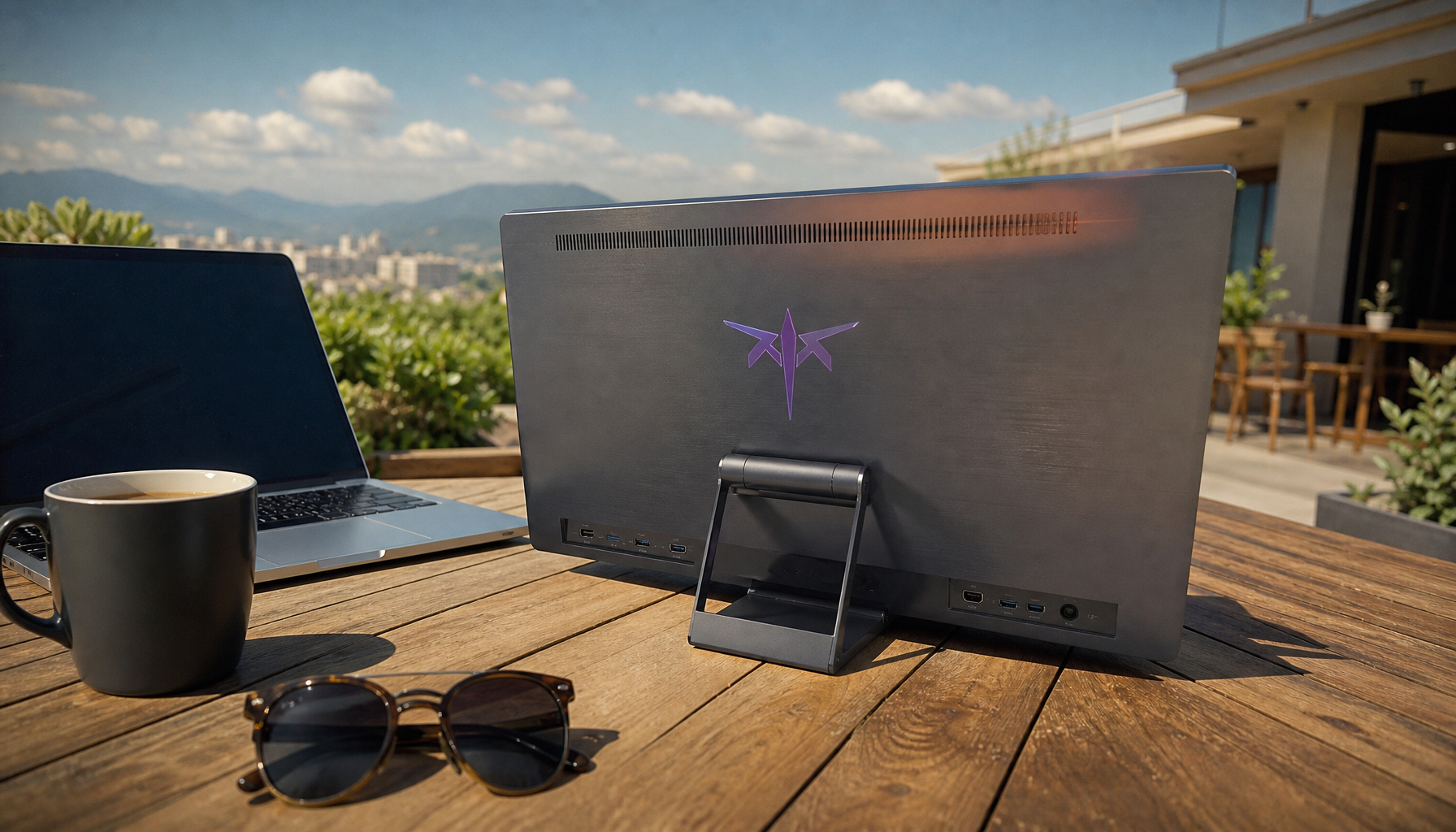
For mobile use, the A32Q7 Pro's adjustable stand with wheels turns the display into a roaming dashboard you can roll between rooms. This flexibility suits apartment dwellers who want one device handling both entertainment and automation rather than separate tablets or phones. The overlay approach works best when your routines are simple; complex automations with many conditions may still feel smoother when started from a phone or dedicated hub first.
Hub vs. Controller: Understanding Compatibility Limits
A smart monitor with Google EDLA functions primarily as a powerful controller rather than a full smart home hub. The Verge's Matter explainer clarifies that while these displays can orchestrate Wi-Fi devices through the cloud and Google Home, they typically lack the Thread border router hardware needed to act as a true Matter hub. This means you will still benefit from keeping a dedicated device like a Nest Hub for local control of Zigbee or Thread bulbs.
Think of the monitor as a large, always-on version of the Google Home app on your phone. It excels at displaying status, running routines you created elsewhere, and providing a touch interface for common commands. It does not replace the radio layer that bridges different protocols. For best results, build and test routines in the Google Home app on your phone, then trigger or monitor them from the display.
This distinction prevents disappointment. If your home relies heavily on Thread or Matter devices for local reliability during internet outages, a monitor alone will not fully bridge them. Wi-Fi-only ecosystems see the fewest limitations, making the setup a strong fit for most Google-centric households.
Optimization Tips for a Seamless Experience
Stable performance starts with your network. Wi-Fi Alliance materials highlight that Wi-Fi 6 helps manage the combined load of 4K casting streams and constant IoT device polling. While not strictly required, it is the practical stability floor for simultaneous media and automation—on older 2.4 GHz networks, you may need to limit casting to 1080p or simplify routines to avoid command delays.
Place your router reasonably close to the monitor and reduce interference by using the 5 GHz band for the display when possible. For mirroring sessions that feel laggy, close background apps on your phone and ensure both devices are on the same strong network segment. Many users also enable power-saving routines that turn the monitor screen off at night while keeping the smart features active, preserving energy without disrupting automation.
Regular firmware updates through the Google Play Store on EDLA models help maintain compatibility. Test one routine at a time when expanding your setup, and consider a dedicated remote control for couch-based triggering. These steps turn the monitor from a nice-to-have into a reliable part of daily home flow.
Choosing the Right Smart Monitor for Your Setup
Not every smart monitor fits every lifestyle. The MEGAPAD 32" 4K Android 14 Google EDLA Smart Touch Monitor or similar A32Q8 Google TV model suits users who want media-first entertainment with easy casting. The A32Q7 Pro, with its larger battery, rolling stand, and full EDLA Android 13, better serves those who need a true mobile dashboard that moves between rooms.
Check your Wi-Fi router generation and existing smart home devices before buying. If you already have a Nest Hub or similar, the monitor becomes a complementary large-screen controller rather than a standalone replacement. Start with simple casting and one or two routines, then expand as you confirm stability. This measured approach helps you build a seamless system without common regrets like constant buffering or unsupported devices.
For more on creating flexible workspaces, see our guide on How a USB-C Monitor Can Streamline Your Workspace. If you are exploring portable options, the Smart Monitor collection includes several models that support the casting and automation features discussed here.
FAQs
Can I cast from an iPhone to a KTC smart monitor?
Yes, but results vary by method. AirPlay mirroring works if your monitor supports compatible wireless display protocols, though Chromecast casting from iOS apps is usually more reliable for media. Test your specific apps and network—some users add a Chromecast dongle for full compatibility. The monitor's EDLA features do not directly affect iOS casting.
Do I need a separate smart home hub if I have an EDLA smart monitor?
In most cases, yes. The monitor acts as an excellent controller and dashboard but typically lacks the Thread radio to serve as a full Matter hub. Keep a Nest Hub or similar device for local device bridging and offline reliability, using the monitor mainly for its large touch interface and routine triggers.
Why does my casted video sometimes lag or disconnect?
The most common cause is network congestion. 4K casting plus multiple IoT devices can overwhelm Wi-Fi 5 or older routers. Upgrading to Wi-Fi 6, moving closer to the router, or limiting background phone apps often resolves it. Casting specific content is usually more stable than full mirroring.
How do I create a routine that uses the monitor's screen?
Build the routine in the Google Home app on your phone first, adding actions like launching an app or changing the monitor brightness. Once saved, the routine appears on the monitor's Home Panel or can be triggered by voice or touch. Start with one or two devices to avoid timing issues.
Is the Android Home Panel available on all smart monitors?
No. It requires official Google EDLA certification and a recent Android version like 13 or 14. Forked Android displays without GMS often lack the unified panel or reliable Google Home integration, making certified models like the A32Q7 Pro a safer choice for dashboard use.
What should I check before buying a smart monitor for routines?
Confirm EDLA certification for full Google services, verify Wi-Fi 6 support on the model or your router for 4K stability, and ensure your existing smart devices are compatible with Google Home. Test casting from your primary phone early, and remember the monitor works best alongside—not instead of—a dedicated hub for complex setups.