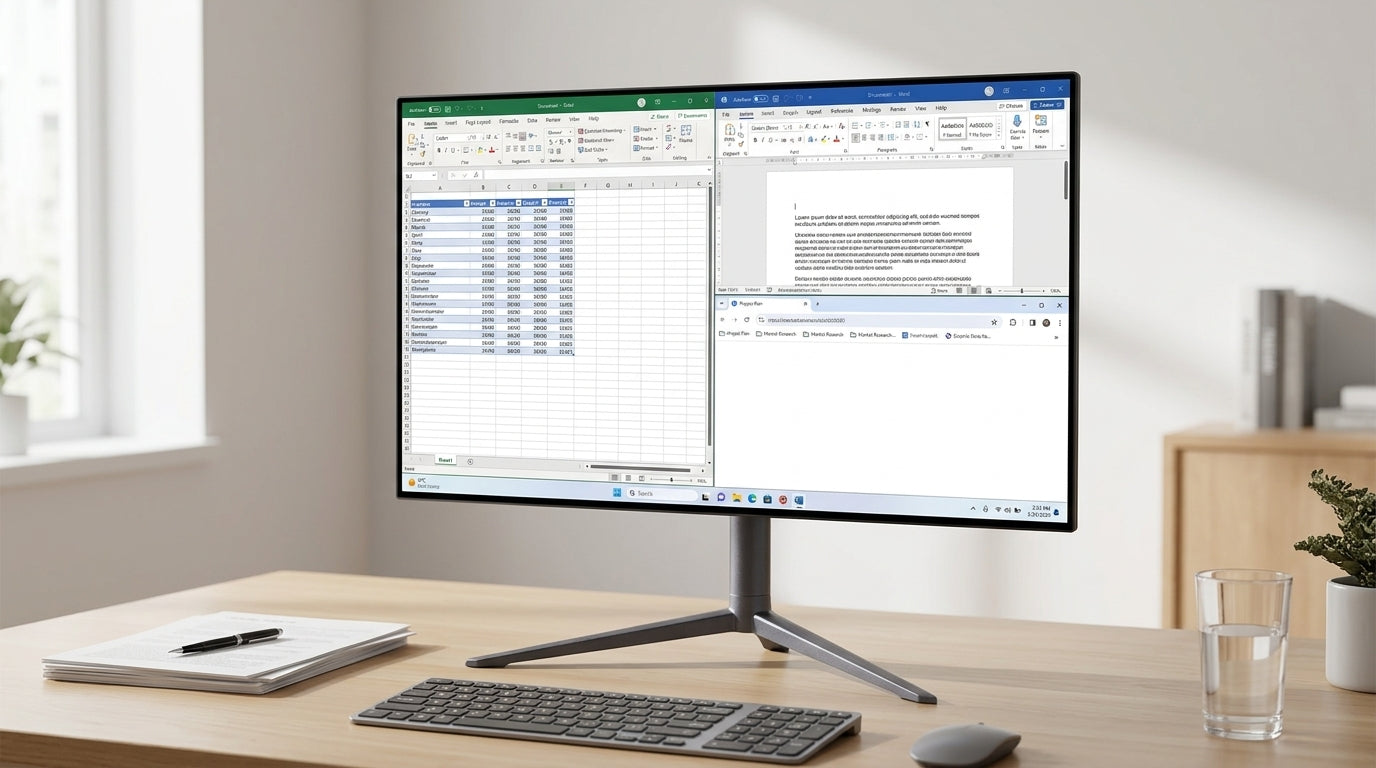
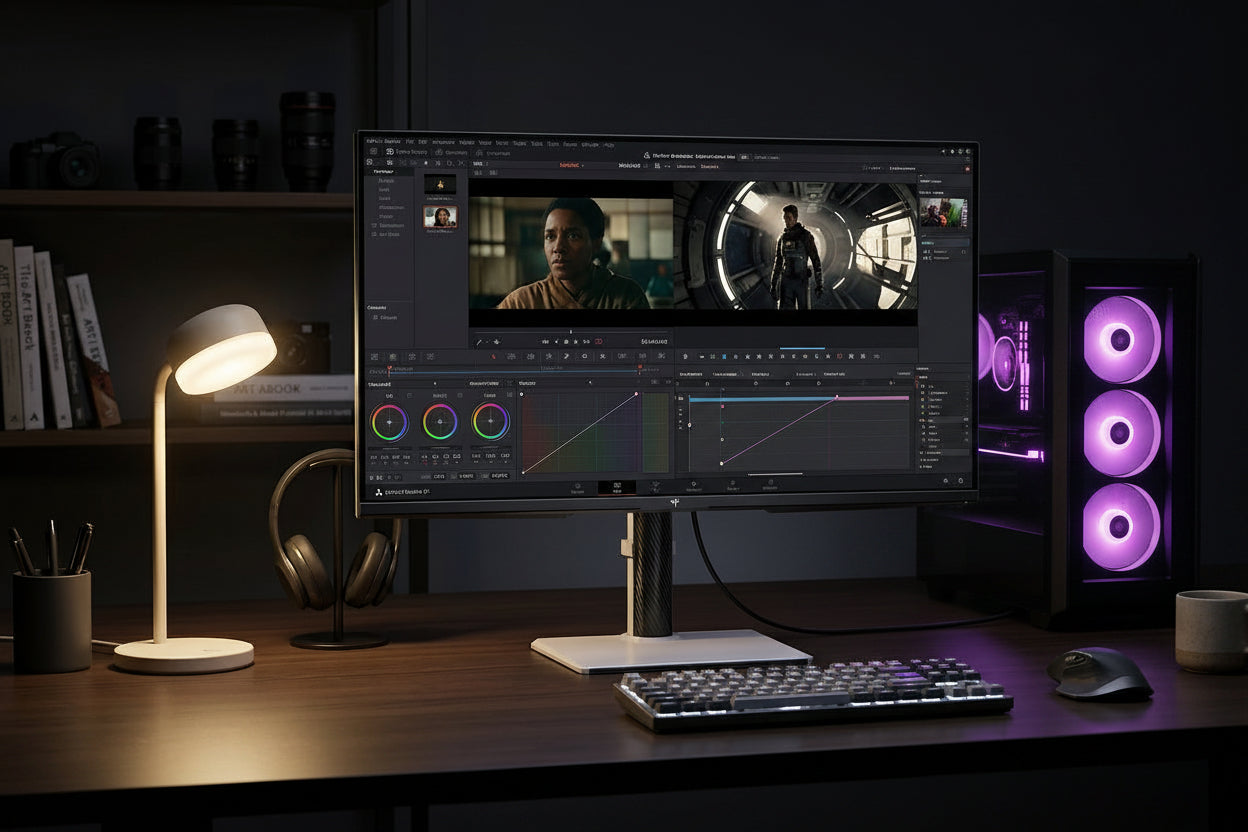
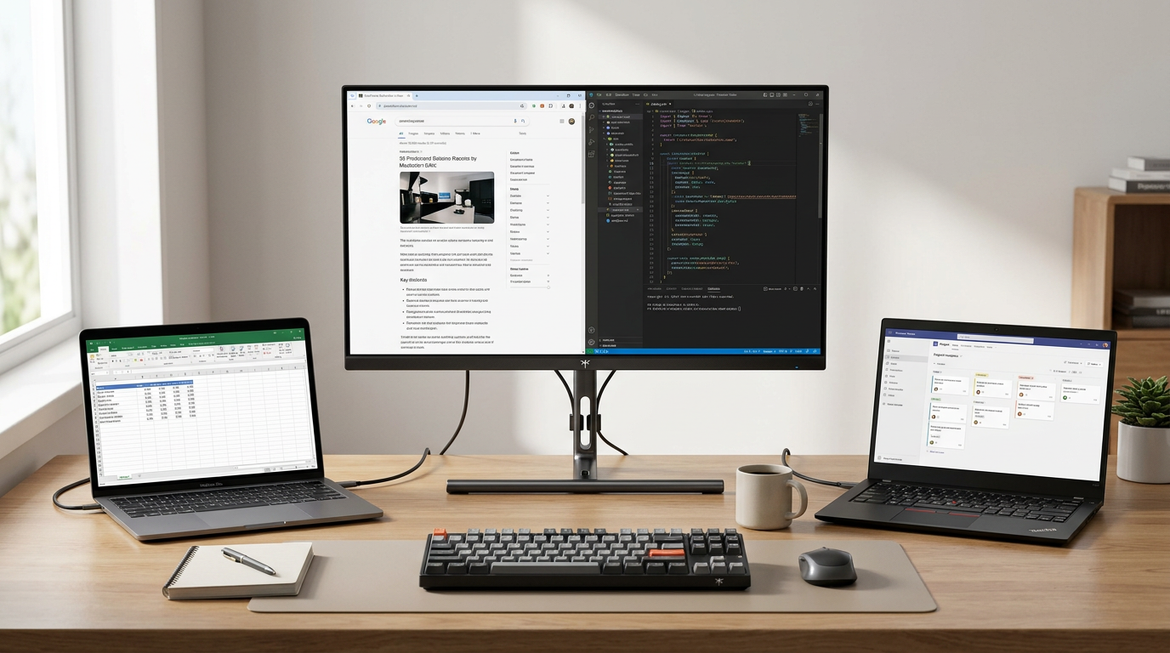
A value monitor quality verification checklist should help you judge usable quality plus ownership confidence, not just the lowest sticker price. If you are shopping for the best value monitor, that means checking panel consistency, reading warranty terms clearly, and making sure the screen actually fits your desk and use case before you buy.
What Value Means in Monitor Buying
Value is not the same thing as cheap. For monitor shoppers, value means the screen is good enough for the job, the spec sheet is clear, and the ownership terms do not create surprise risk later. A budget model can still be a smart buy when you only need dependable office work, study, casual gaming, or a larger desktop canvas.
The opposite is also true. A low price does not automatically prove a monitor is unreliable, and a long feature list does not automatically make it a better buy. If you are shopping in a budget range, start with the use case first, then decide whether the page gives you enough proof to keep going. If the listing is vague on resolution, refresh rate, warranty, or support, that is a reason to slow down.
For browsing a tighter price band, the $100 to $200 Monitors collection is a reasonable starting point, because it keeps the search focused on value-tier options instead of premium detours.
If you are comparing value models by origin and sourcing, panel sourcing choices can help explain why two monitors that look similar on paper may be positioned differently.
Build a Repeatable Verification Checklist
For most buyers, the safest way to evaluate a budget monitor is to treat it like an acceptance test. You are not trying to prove that the panel is perfect. You are checking whether the unit you received is acceptable for everyday use, whether obvious defects are present, and whether the seller's policy gives you a fair exit if something is wrong.
A useful reference point is ISO 9241-307 pixel defect classes. ISO-based defect classes help separate normal sample variation from more serious defect concerns, but they are not a promise that every consumer will enjoy the same panel. In plain language, they are a yardstick for what some sellers consider acceptable, not a guarantee of a premium display.
Here is a practical value monitor quality verification checklist you can apply after delivery or while reviewing a product page:
- Check the native resolution first. If the monitor's listed resolution does not match your work or gaming needs, stop there.
- Look for the refresh rate that actually matters to you. For office use, modest high refresh is usually enough; for casual gaming, smooth motion matters more than chasing the highest number.
- Run a black-screen check in a dark room to spot obvious backlight bleed, edge glow, or clouding.
- Cycle solid-color backgrounds to look for dead pixels, stuck pixels, and obvious tint patches.
- Use a dedicated test tool such as the EIZO Monitor Test Tool to check uniformity, sharpness, color consistency, and pixel integrity.
- Compare the results against the seller's pixel policy or defect language if it is published.
- Keep the decision practical: passing a few tests means the unit is acceptable, not that it has premium-grade uniformity.
That last point matters. The checklist is meant to screen out bad units, not certify the screen as flawless. If a monitor passes the basic checks but still looks uneven in your actual room, your eyes and your use case matter more than a generic claims page.
If you want a deeper follow-up on what to do when a panel looks uneven, backlight uniformity fixes is a useful next read, because it explains what can be improved and what usually calls for a return.

Panel Consistency Checks
For value-tier monitors, panel consistency is usually the first real quality question. A screen can look fine in a product image and still show uneven brightness, visible bleed, or a dead pixel once you power it on at home. That is why consistency checks should come before feature excitement.
The most useful first-pass signals are the panel type, native resolution, and refresh rate. Those do not prove image quality by themselves, but they tell you what kind of experience to expect. A 2K IPS panel, for example, usually aims for a balance of sharpness and wide viewing angles, while a higher refresh rate mainly changes motion feel. If the listing skips those basics, the page is not giving you enough to judge value.
If you keep a monitor for work or study, also look at how the image behaves on plain white, gray, and black screens. That is where uneven backlighting becomes easier to notice. If the listing promises a panel standard or defect class, treat that as a policy reference, not a performance trophy. A budget monitor that passes a sensible screen check is acceptable; it is not automatically premium.
Image Quality and Usability
For most people, image quality in the value tier is about daily comfort, not lab perfection. Text should be sharp at native resolution, scrolling should feel steady enough for your workload, and brightness should be comfortable in your room without forcing you to fight the menu every day.
This is where buyers sometimes overbuy. Extra features are useful only when they match the way you actually use the screen. A casual gamer may care more about motion smoothness than color management. A home office buyer may care more about readable text and a stable stand than about extreme refresh rates. That is why a good checklist always ties image quality to a real use case.
If you are comparing multiple budget listings, focus on the parts that affect everyday usability: native resolution, refresh rate, ports, and stand fit. Those are the details that change whether the monitor feels easy to live with. If a product page makes big claims but does not tell you how the screen behaves in ordinary work, that is usually a sign to keep comparing.
Wide color gamut can make a display look richer, but it should be weighed alongside accuracy and everyday comfort rather than treated as a quality upgrade on its own.
Support and Ownership Signals
Warranty and return terms matter, but they are downside protection, not proof of durability. Under the FTC's federal warranty guidance, written warranty terms should be clear and easy to read, and they should be available before purchase. That helps you compare options without guessing what happens if the unit arrives with a defect.
Use this section as a process check. A longer warranty can reduce your risk, but it does not prove the panel will last longer. A visible support email or help center is useful because it gives you a contact path, but it does not prove fast or effective service. The real question is whether the policy is readable, available before checkout, and specific enough that you know what to do if something goes wrong.
A good budget purchase usually has three ownership protections in place: a clear warranty, a sensible return window, and an obvious support channel. If one of those is missing or buried, the purchase gets riskier even if the price looks attractive. And if the seller uses warranty language that is hard to understand, compare more carefully before you buy.
Monitor maintenance habits matter after purchase too, because safe cleaning and early diagnostics can help you protect the screen you chose.
When the KTC H32T13 Fits the Use Case
A neutral way to apply the checklist is to test a real model against it. The KTC 32" 2K IPS 100Hz/120Hz Home&Office Monitor | H32T13 is a factual example of a larger value-tier setup: 31.5-inch 2560×1440 IPS, 100Hz refresh with 120Hz overclock, 3-year warranty protection, 30-day returns, and free shipping on orders over $100. Those details make it relevant for home office work, study, and casual gaming when you want more workspace without moving into premium pricing.
What matters is fit, not hype. If you want a larger screen and your desk can handle a 32-inch class monitor, H32T13 is a reasonable model to compare against the checklist. If you need more adjustability, a different footprint, or a different size, compare before buying instead of treating the larger panel as automatically better. Bigger is only better when the stand, distance, and viewing comfort all line up.
If your desk is smaller or you prefer a closer viewing distance, the 24/27-inch QHD option is the more natural comparison point. That is not a better-value verdict, just a better physical match for some setups.

Why This Model Fits Value-Buyer Conditions
The H32T13 makes sense for buyers who want a larger workspace without paying for high-end gaming features they do not need. The key facts are simple: 31.5 inches, QHD resolution, IPS panel, 100Hz refresh, and a 120Hz overclock option. For everyday work, that is enough speed for smoother scrolling and a more comfortable desktop feel than a basic 60Hz screen.
Its policy terms also help the ownership side of the decision. A 3-year warranty and 30-day returns give you a clearer downside buffer if the unit arrives with a defect or does not fit your room. That does not prove reliability, but it does make the purchase easier to evaluate.
What to Confirm on the Product Page
Before checkout, confirm the native resolution, the refresh-rate path, and the port layout. That matters more than the marketing copy. If you plan to use the monitor for work, verify that the size suits your desk and that the stand fit does not create neck strain.
If your setup is smaller, a 24- or 27-inch QHD monitor may be easier to live with. If your setup is wider and you want more desktop space, H32T13 can be the better fit. The same rule applies either way: the product is only a good buy if the page answers your basic ownership and setup questions clearly.
When It Is a Better or Worse Match
This is where the recommendation flips. If you want a smaller footprint, more ergonomic adjustment, or a more compact viewing distance, choose a different size class. If you want a larger panel for split-screen work and casual gaming, the H32T13 is easier to justify.
A monitor can look like a bargain and still be the wrong size for your desk. That is the main regret trigger in this category. The checklist protects you from paying for a screen that is technically fine but physically annoying every day.
Compare Ownership Costs Before You Buy
Ownership cost is where many budget buys become expensive later. A low sale price only helps if the return process, warranty disclosure, and support contact are straightforward. The FTC's warranty rules exist for a reason: consumers should be able to read warranty terms before purchase and understand what the warrantor will do if the product fails. That is the kind of clarity you want before you add anything to cart.
| Ownership Factor | What To Check | Why It Matters | What It Does Not Prove |
|---|---|---|---|
| Warranty length | Is the warranty written clearly and easy to find? | Helps reduce downside risk | Does not prove panel quality |
| Return window | Can you return a bad unit quickly? | Gives you a clean exit if the screen arrives with defects | Does not prove durability |
| Shipping timing | Will the item arrive within your project window? | Helps with setup planning | Does not prove support quality |
| Support access | Is there a real contact path before the return window closes? | Makes service requests easier | Does not prove fast service |
| Policy clarity | Are terms readable before checkout? | Helps you compare offers honestly | Does not guarantee long-term reliability |
For this article's use case, the point is simple: warranty and returns are protections, not quality scores. A monitor with clean policy language is easier to trust than one with vague terms, but that still leaves the panel itself to be checked after delivery. If you are comparing value options, keep the comparison grounded in policy clarity and basic use fit rather than assuming the cheapest listing is automatically the riskiest one.
One more caution is worth keeping in mind. Warranty language should be easy to read and available before sale, and you should not treat it as a substitute for checking the actual screen. Even a good warranty is still a backup plan, not a reason to skip the checklist.
Final Buyer Verification Steps
Before you click buy, run the same quick sequence every time: confirm the use case, native resolution, refresh rate, panel type, desk fit, warranty, return window, and support contact. If the product page does not answer those basics, keep comparing. If the page is clear and the unit passes your post-delivery screen check, you have a much better case for keeping it. If not, use the return window and move on.
FAQs
Can I Judge a Budget Monitor by Price Alone?
No. Price is only a starting filter. A lower price can still be a good buy if the resolution, size, panel type, and ownership terms fit your needs, but you should not assume quality from price either way.
What Matters Most After the Monitor Arrives?
Check for obvious panel defects first, then confirm that the image is comfortable at your normal brightness and viewing distance. If the unit fails a basic screen check, the return window matters more than the sticker price.
Is a Longer Warranty Always Better?
Not by itself. A longer warranty is helpful because it reduces downside risk, but it does not prove the monitor is more reliable or better built. Read the actual terms and treat the warranty as protection, not as a quality grade.
Should I Trust Marketing Claims About Panel Quality?
Only if the listing also gives you enough specifics to verify them. Good marketing can still leave out the details that matter most, like native resolution, refresh rate, defect policy, and support path.
When Should I Choose a Smaller Monitor Instead?
Choose smaller if your desk is tight, your viewing distance is short, or you want a more compact setup for study or office work. Size should follow the room, not the other way around.
Wrap-Up
Use the checklist, compare the policy details, and choose the size that fits your desk. That is the practical way to find the best value monitor without overpaying for features you will not use.