High-end OLED and Mini-LED monitors represent a significant investment for creators, gamers, and professionals. In 2026, treating maintenance as insider knowledge rather than a chore can meaningfully extend panel life, preserve color accuracy, and reduce the risk of avoidable image retention or warranty claims. The key is building consistent habits around cleaning, usage patterns, calibration, and early diagnostics that match your specific workflow.

Safe Cleaning and What Not to Use
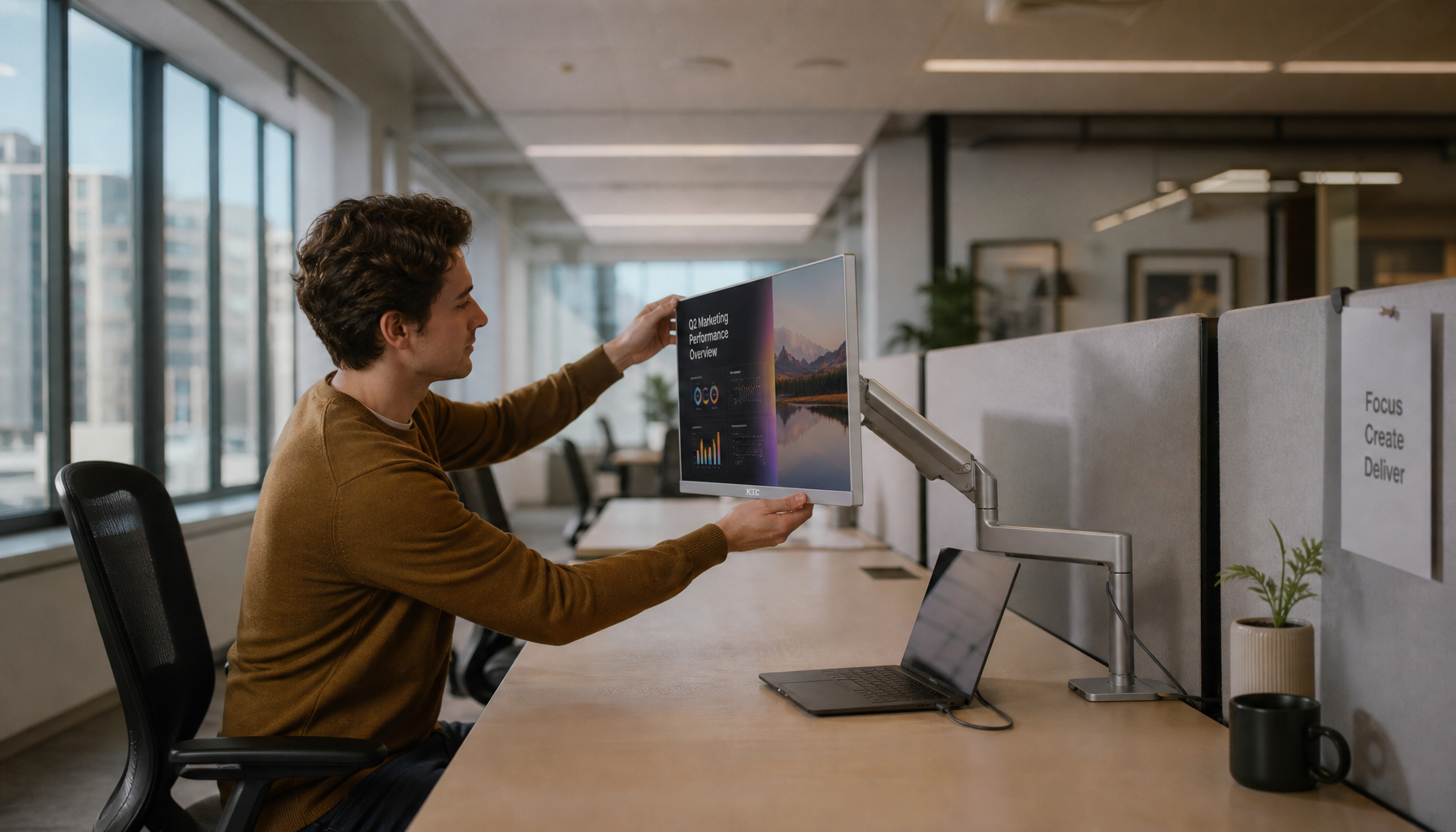
Modern high-end monitors use delicate anti-reflective and nano-texture coatings that are easily compromised by common household products. Industry-standard cleaning protocols rely on a high-density microfiber cloth used dry for dust removal or lightly dampened with distilled water for fingerprints and oils. This approach prevents chemical delamination of the protective polymer layers that many premium panels depend on for clarity and longevity.
Avoid any cleaners containing ammonia, bleach, or isopropyl alcohol concentrations above 70%. These substances can permanently damage coatings, especially on OLED surfaces where the organic layers are particularly sensitive to pressure and chemicals. Apply minimal force—gentle circular motions are sufficient—and never spray liquid directly onto the screen. For portable or touch-enabled models, the same dry-first microfiber method protects both the display and capacitive layers.
If you notice stubborn residue after dry wiping, a barely damp cloth followed by immediate drying with a second dry microfiber minimizes risk. This guide on removing fingerprints from portable displays demonstrates the technique in detail, while the companion article on cleaning touch screens without damaging the capacitive layer offers additional precautions for hybrid devices.

Mini-LED Maintenance Checklist
Mini-LED panels with high-density local dimming arrays generate noticeable heat when running at full brightness for extended periods. The “toggle tax”—the daily effort of switching HDR and local dimming modes—often leads users to leave aggressive settings enabled during static productivity work, accelerating thermal stress on the LED zones.
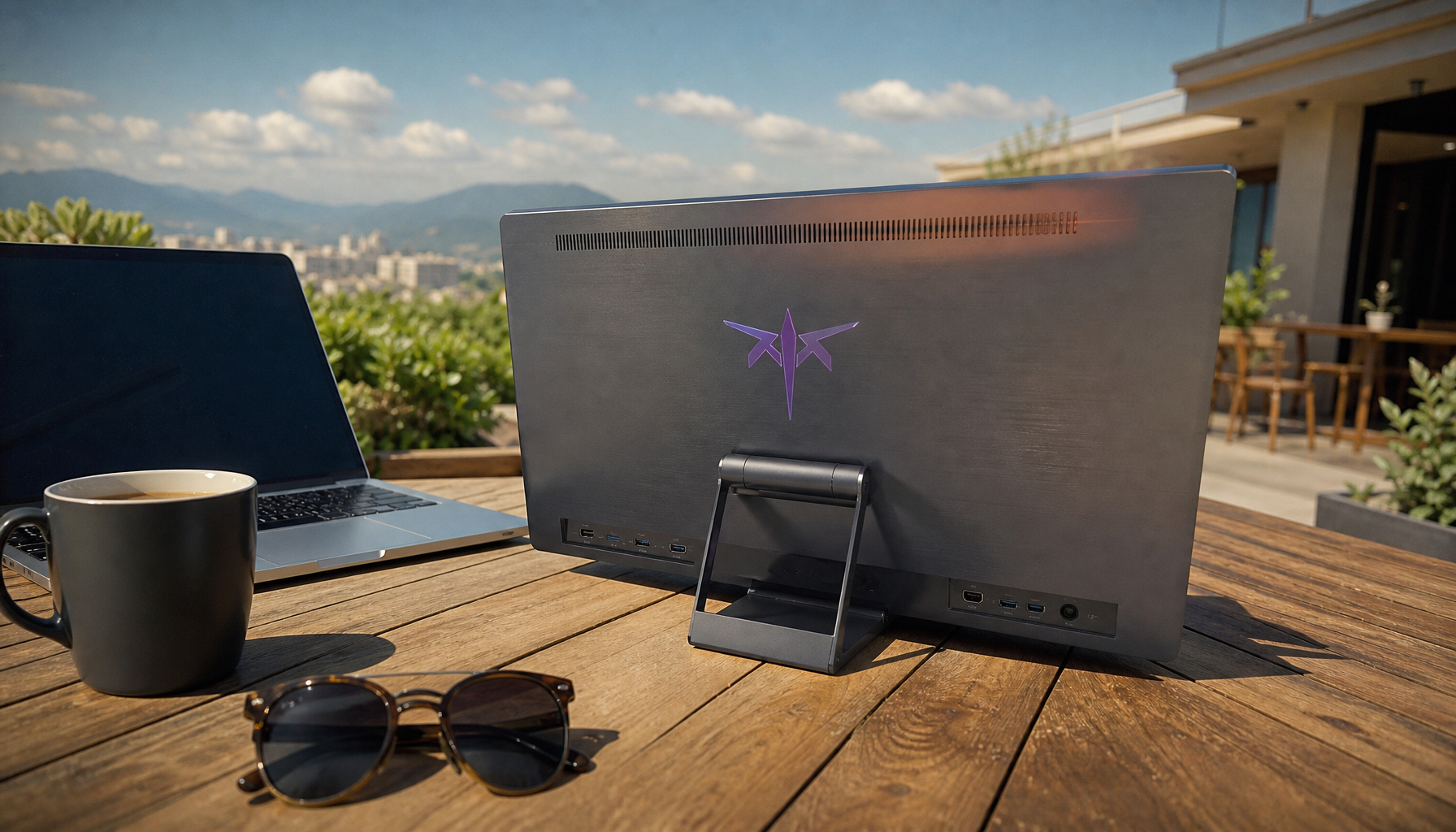
Adopt a shift-change routine: enable local dimming and HDR only for dedicated media or gaming blocks, keeping them disabled during standard office or browsing tasks. This reduces unnecessary heat buildup in the high-density matrix. Maintain at least two inches of rear clearance for ventilation, as trapped heat is a primary contributor to zone degradation over time.
Software tools that support DDC/CI let you map local dimming toggles to keyboard shortcuts, avoiding repeated OSD menu navigation. Note that DDC/CI compatibility varies by manufacturer, and some models lock certain settings when HDR is active. For most users balancing productivity and occasional HDR work, these precautions represent practical thermal insurance rather than a guarantee against all wear.
The KTC M27P6 27" 4K Mini-LED and similar high-zone models benefit significantly from these habits, especially in mixed-use environments.
OLED Burn-In Prevention Guide 2026
OLED technology delivers exceptional contrast but remains susceptible to image retention under prolonged static content. As the VESA DisplayHDR guidelines explain, features such as pixel shift—which subtly moves the image by a few pixels at intervals—and automated refresh cycles that activate during standby are core mitigation tools built into compliant displays.
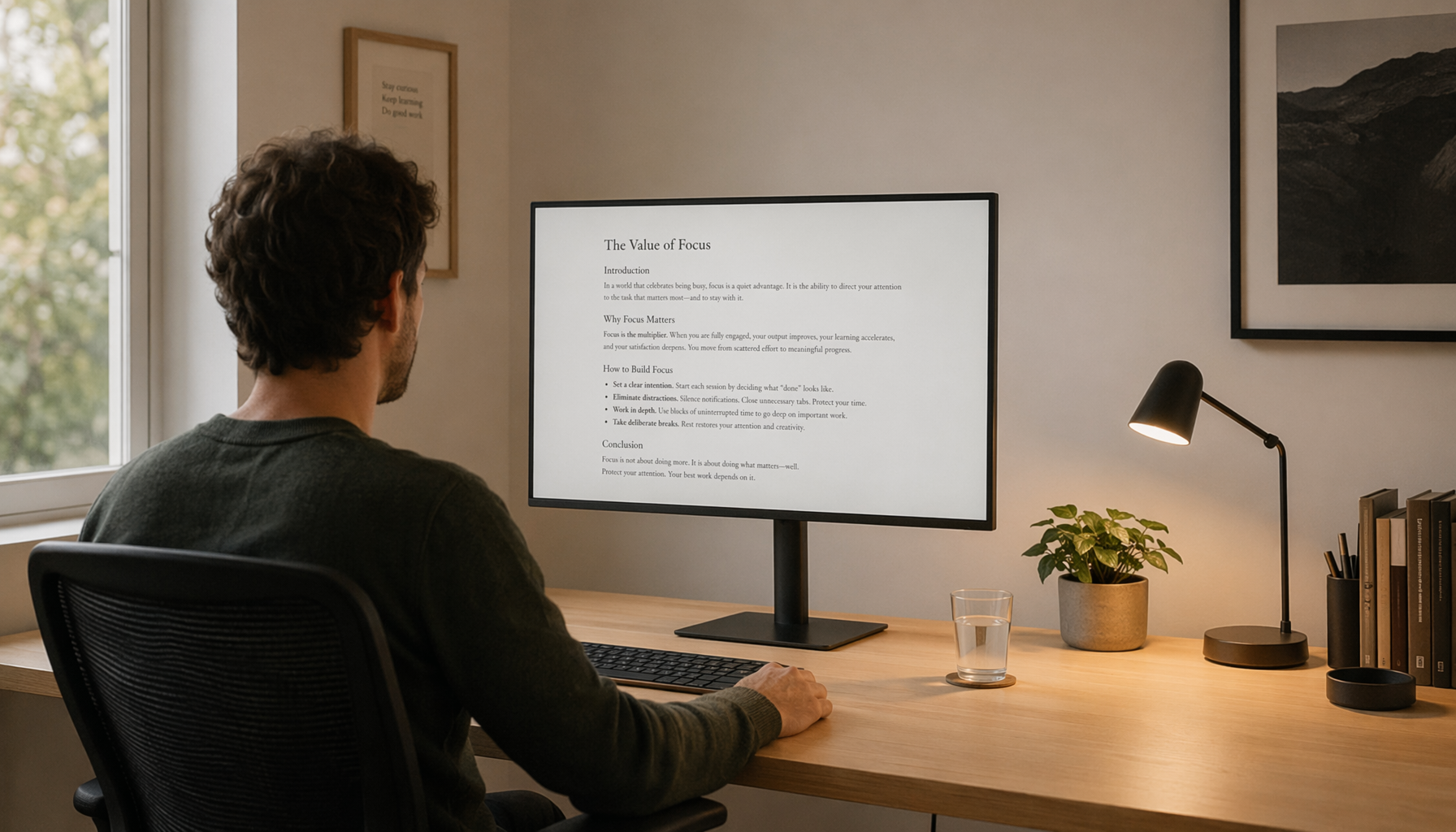
Do not cut power completely to the monitor when finished for the day, because many panels rely on standby power for background pixel cleaning routines. Practical daily habits include using dark mode themes, auto-hiding the taskbar, and varying content to avoid leaving static HUDs or desktop icons visible for hours at a time. Screen savers that activate after 5–10 minutes of inactivity further reduce risk during breaks.
For creators working with static tool palettes, consider rotating panel orientation or using window management software to shift UI elements periodically. While no method can guarantee zero burn-in risk, consistent use of manufacturer-implemented features combined with mindful usage patterns significantly lowers the likelihood of permanent degradation under typical 2026 workflows.
Monitor Calibration Schedule for Creators
Luminance and color drift occur gradually in high-brightness HDR panels, making regular calibration essential for color-critical work. Professional standards, including those outlined in the Netflix color-critical display calibration guidelines, suggest checking every 200–300 operational hours—roughly every two to four weeks—for users engaged in high-output HDR content creation.
The 2026 calibration ecosystem now incorporates Apple’s Color Matching Function (CMF), enabling more accurate perceptual white-point matching across OLED, Mini-LED, and traditional panels. Tools like Calman leverage this for multi-monitor consistency, which matters when matching a reference display to client deliverables or print proofs.
For non-critical office or casual creative work, factory calibration often remains adequate for months. Professional users should verify results using test patterns and aim for Delta E values below 2.0 on key gray ramps. Our companion articles explain what Delta E values actually mean for creative work and how to verify your display calibration is actually working. HDR mastering inconsistencies across platforms further justify periodic checks—see how HDR content mastering inconsistency should shape your display calibration decisions.
Maintenance Review Window by Risk Level
This chart shows the typical maintenance review window readers should use to judge when monitoring is still routine, when it should be tightened, and when immediate action is warranted.
View chart data
| Category | Review window (weeks) lower bound | Review window (weeks) upper bound |
|---|---|---|
| Low risk | 4.0 | 8.0 |
| Moderate risk | 2.0 | 4.0 |
| High risk | 1.0 | 2.0 |
Early Warning Signs and How to Interpret Them
Distinguishing normal panel behavior from developing defects helps you decide whether to continue using the display or begin an RMA process. Temporary image retention on OLEDs is expected after long sessions with static elements; it should clear after a 10-minute pixel refresh cycle. Persistence beyond that, especially across both SDR and HDR content, points toward a hardware issue.
For Mini-LED panels, minor blooming around bright objects against dark backgrounds is a technological characteristic rather than a fault. However, shimmering or rapid luminance instability in static HDR areas often signals voltage regulation problems or aging in the quantum dot film. According to ISO 9241-307 test methods, these are measurable indicators of degradation that can support a warranty claim.
Edge tinting that appears magenta or reddish and remains visible even from a centered viewing position differs from normal viewing-angle color shift. If the artifact survives a thorough cleaning and full pixel refresh cycle and appears consistently across content types, it meets the practical “clean rule” for documenting and reporting a defect. Always capture timestamped photos or video before contacting support, and test with multiple input sources to rule out cable or signal problems.
The KTC OLED G27P6 and Mini-LED series incorporate robust self-diagnostic features that can help confirm whether observed changes fall within normal operating parameters.
Build Your Personal 2026 Maintenance Routine
Translate the guidance above into a repeatable schedule tailored to your usage. Daily: enable pixel shift and dark themes, hide persistent UI elements, and power the monitor into proper standby rather than unplugging it. Weekly: perform a dry microfiber cleaning and run any available uniformity compensation routine on Mini-LED models. Monthly: inspect for retention or tint changes using test patterns and verify at least two inches of rear ventilation clearance. Every 200–300 hours of HDR work, recalibrate using hardware tools that support current CMF standards.
Track operational hours through your operating system or monitor OSD when possible. For hybrid productivity-gaming setups, the shift-change approach to local dimming minimizes cumulative thermal load while preserving peak performance when it matters. Users who adopt these practices early typically report fewer support interactions and maintain closer-to-factory image quality well beyond the typical two-year mark.
If you primarily use the display for color-critical creative work, combine the calibration cadence with the early-warning checks to catch drift before client deliverables are affected. For pure gaming rigs, prioritize burn-in prevention habits and ventilation. Either path turns routine care into a practical defense of your investment rather than an afterthought.
Frequently Asked Questions
How often should I run a pixel refresh on my OLED monitor in 2026?
Most 2026 OLED monitors automatically initiate short refresh cycles during standby. Manually trigger a full refresh after any session exceeding four continuous hours with static content. If image retention remains visible after the cycle completes, document it and contact support, as this exceeds normal behavior.
Can I use screen protectors on high-end Mini-LED or OLED monitors?
Screen protectors are generally not recommended. They can interfere with anti-reflective coatings, introduce air gaps that affect clarity, and potentially trap heat or pressure points that accelerate wear. The factory surface treatments are engineered for direct use with microfiber cleaning.
Does turning down brightness always extend monitor lifespan?
Lower average brightness reduces cumulative stress on both OLED emitters and Mini-LED arrays, particularly during long sessions. However, modern panels include automatic brightness limiters and thermal throttling, so the benefit is most pronounced when avoiding sustained maximum HDR output with static images. Aim for 120–200 nits for typical desktop work.
What is the difference between image retention and permanent burn-in on OLED panels?
Image retention is a temporary charge imbalance that usually clears after a refresh cycle or varied content. Permanent burn-in occurs when organic materials degrade unevenly from prolonged identical pixel usage, leaving a visible ghost even after refresh attempts. Prevention habits focus on minimizing the conditions that lead from retention to permanent damage.
How do I check if my monitor’s local dimming zones are degrading?
Display a full-field gray test pattern at moderate brightness. Look for inconsistent brightness between zones or flickering in areas that should be uniform. If the variation persists after a uniformity compensation cycle and is visible from a normal seated distance, it may indicate zone-level wear worth reporting under warranty.
Should I update monitor firmware for better longevity features?
Yes, when the manufacturer provides stable releases. Newer firmware frequently improves pixel refresh algorithms, thermal management, and DDC/CI reliability. Follow the exact USB preparation instructions to avoid bricking, and verify the update addresses longevity or calibration topics before proceeding.
Is it safe to leave HDR enabled all day on a Mini-LED monitor?
For many 2026 models, sustained HDR with local dimming during static productivity work increases thermal load and can accelerate minor blooming or zone stress over years. The shift-change routine—using HDR only for intentional media blocks—balances visual quality with long-term panel health for most hybrid users.