Yes, a hard bend or kink can permanently damage a display cable if it deforms conductors, shielding, or connector pins. Digital video usually stays clean until errors appear as flicker, black screens, dropouts, or failed high-refresh modes.
What Actually Happens Inside a Bent Cable
Display cables are built around tiny conductors, insulation, shielding, and precision connectors. When a cable is sharply kinked, crushed behind a desk, or repeatedly flexed near the plug, those layers can shift or break.

For packetized digital video and audio links, a bad cable can create data errors, visual corruption, audio issues, or reliability problems during startup.
The key point is that a bent cable usually does not create a softer, blurrier image like old analog interference. With modern digital video connections, failure is more often binary or intermittent.
Permanent Damage vs. Temporary Signal Problems
A gentle curve is normal. A kink is different.
Temporary issues can happen when a cable is slightly loose, routed too tightly, or stressed by monitor arm movement. Reseating the cable, changing the input, or using a different port may restore the signal.
Permanent cable damage is more likely when the same issue remains after reseating: no signal, random black screens, sparkles, flicker, audio cuts, or refresh-rate limits. Troubleshooting commonly starts with checking the connection, then replacing the cable with a known-working one if signal transmission remains suspect.

A useful performance test is simple: run the exact mode you bought the monitor for. A damaged cable may pass 1080p at 60 Hz yet fail at 4K 144 Hz, ultrawide 165 Hz, HDR, or VRR.
Why Gamers and Creators Notice It First
High-refresh gaming monitors push more bandwidth, so marginal cables expose problems sooner. A cable that survives office use may break down when asked to carry 4K, HDR, high refresh, and adaptive sync at the same time.
Certification matters here because certified cables are tested for demanding configurations. For newer high-bandwidth setups, choose a cable rated for the actual resolution, refresh rate, color depth, and length you need.
For a practical value check, match the cable to your display chain. A premium 2.1-class cable will not unlock 2.1-class performance if your graphics card or monitor cannot support it, and buying by number alone is less useful than buying for verified bandwidth, length, and build quality.
A more expensive working digital cable does not improve image quality frame by frame; it improves the odds that the correct signal arrives reliably.
Quick Damage Check Before You Replace It
Use a controlled test before blaming the monitor or graphics card.
- Inspect both connectors for bent housings, loose shells, or exposed wire.
- Reseat both ends straight, with the PC and display powered down.
- Test the cable at the monitor’s full resolution and refresh rate.
- Swap in a known-good certified cable of similar length.
- Avoid tight bends behind wall mounts, monitor arms, and desk grommets.

Good cable routing is not cosmetic; it protects uptime. Installation best practices for cabling emphasize avoiding excessive bending, pressure, and poor routing because physical stress can undermine reliability over time, especially in dense setups.
How to Prevent It in a Performance Setup
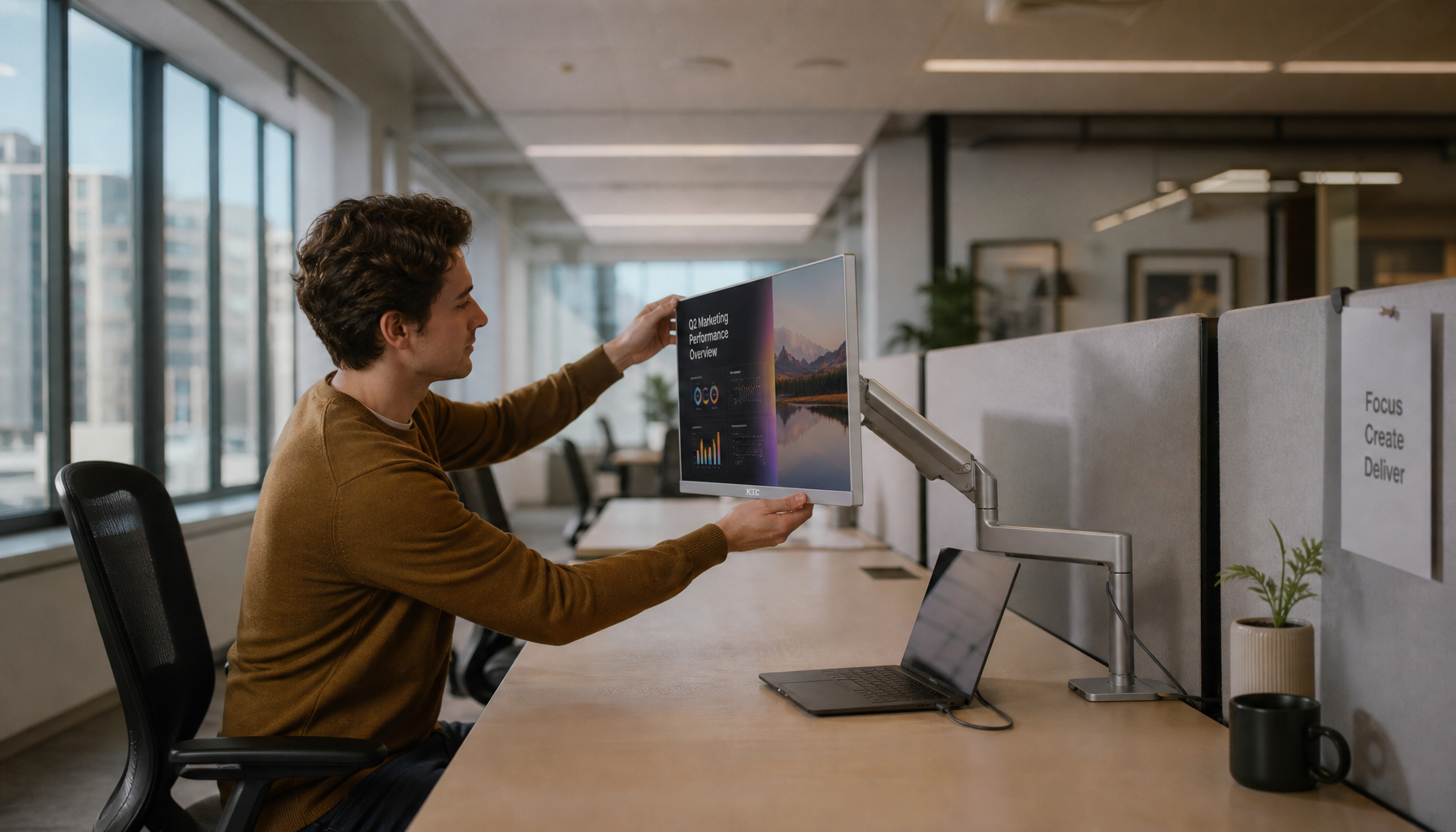
Leave slack at both ends so the cable moves with the monitor instead of pulling against the port. This matters for height-adjustable arms, sit-stand desks, and portable smart screens that are plugged in and packed up often.
Avoid folding cables sharply for storage. Use loose loops, keep heavy power bricks off signal cables, and do not pinch cables under monitor stands.
For high-end gaming or productivity displays, buy the shortest certified cable that fits comfortably. Quality construction, shielding, and certification are more important than luxury pricing, and a spare known-good cable is one of the fastest troubleshooting tools you can own.