Color shifts usually happen because the viewport, renderer, export format, media player, and monitor are not interpreting color the same way. The fastest fix is to control color management end to end: color space, gamma, display calibration, lighting, render format, and playback environment.
Does your render look rich and balanced in the viewport, then turn washed out, oversaturated, purple-tinted, or oddly warm after export? A disciplined test-render workflow can quickly separate a real render problem from a display, gamma, or playback issue, saving hours of blind tweaking. You can identify where the shift starts and lock your output closer to what you approved on screen.

Why Viewport Color and Rendered Color Drift Apart
A 3D viewport is not always a reliable color reference. It is often a fast preview designed for interaction, while the final render passes through lighting calculations, tone mapping, color transforms, file encoding, compression, and playback software. Each stage can slightly reinterpret the image.
The International Color Consortium defines color management as the practice of characterizing devices and transforming color data so intended colors reproduce consistently across devices; that matters because a render may travel from a 3D app to a compositor, then to a video encoder, then to a monitor or projector with different behavior color management. In practical terms, your viewport may be showing one transform while your final image or video is being viewed through another.
For example, a product render approved on a wide-gamut display can look dull on an ordinary office monitor if the file is exported without the expected profile or viewed in unmanaged software. The pixels may not be wrong, but the interpretation chain is wrong.
Color Space Mismatches: The Most Common Root Cause
A color space tells software how numeric RGB values should map to visible color. If one tool assumes sRGB, another assumes linear RGB, and another expects a wider-gamut RGB or display-specific profile, the same color value can appear different.
For screen-first 3D work, RGB is the normal working model, while CMYK is better reserved for print delivery. Mixing those expectations too late can create unpleasant surprises. A render intended for a gaming monitor review page, a product configurator, or a streaming video demo should usually be managed for digital display first, not treated like a print proof.
A simple real-world example is a brand red entered as a HEX value. In the viewport, it may look correct under the app’s display transform. After export, the file may be interpreted by a video player or browser with different gamma handling, so the same red looks lighter, darker, or less saturated. This is why using the exact HEX code does not guarantee a visual match.
Pros and Cons of Wide-Gamut Workflows
Wide-gamut workflows can preserve more color information and are useful for premium displays, HDR work, photography, and print-adjacent pipelines. The upside is flexibility: you can grade with more headroom and avoid clipping saturated colors too early.
The downside is fragility. If profiles are missing or ignored, wide-gamut files can look too saturated or strangely shifted on standard displays. A reliable sRGB workflow is often the better choice for web, office-display, and standard-monitor delivery because it matches the broadest viewing environment.
Workflow choice |
Best use |
Main risk |
sRGB |
Web, standard monitors, most client previews |
Limited gamut for advanced print or HDR |
Wider-gamut RGB |
Photography, print-oriented work, high-end proofing |
Oversaturation if unmanaged |
Linear workflow |
Physically plausible rendering and compositing |
Washed-out or dark output if transforms are mishandled |
CMYK |
Print production |
Poor fit for screen-based 3D renders |
Gamma and Tone Mapping Can Make Good Renders Look Washed Out
Gamma controls how brightness values are distributed between black and white. Tone mapping controls how a high-dynamic-range render is compressed into the range a display or file can show. If either stage is applied twice, skipped, or interpreted differently, your output can look flat, crushed, or unexpectedly contrasty.
Washed-out renders are a known symptom of gamma-related playback differences. In practice, one media player may make H.264 files appear lighter than expected while another gives a more faithful comparison. That does not mean every washed-out render is the player’s fault. It means the playback app belongs in your troubleshooting chain.
A useful test is to export a short five-second frame range, then compare it in at least two viewers and inside your editing or compositing app. If the render looks right in the compositor but wrong in one media player, you likely have a viewing or gamma interpretation issue. If it looks wrong everywhere, the problem is probably upstream in render settings, tone mapping, color management, or lighting.
Monitor Calibration Is Not Optional for Color Decisions
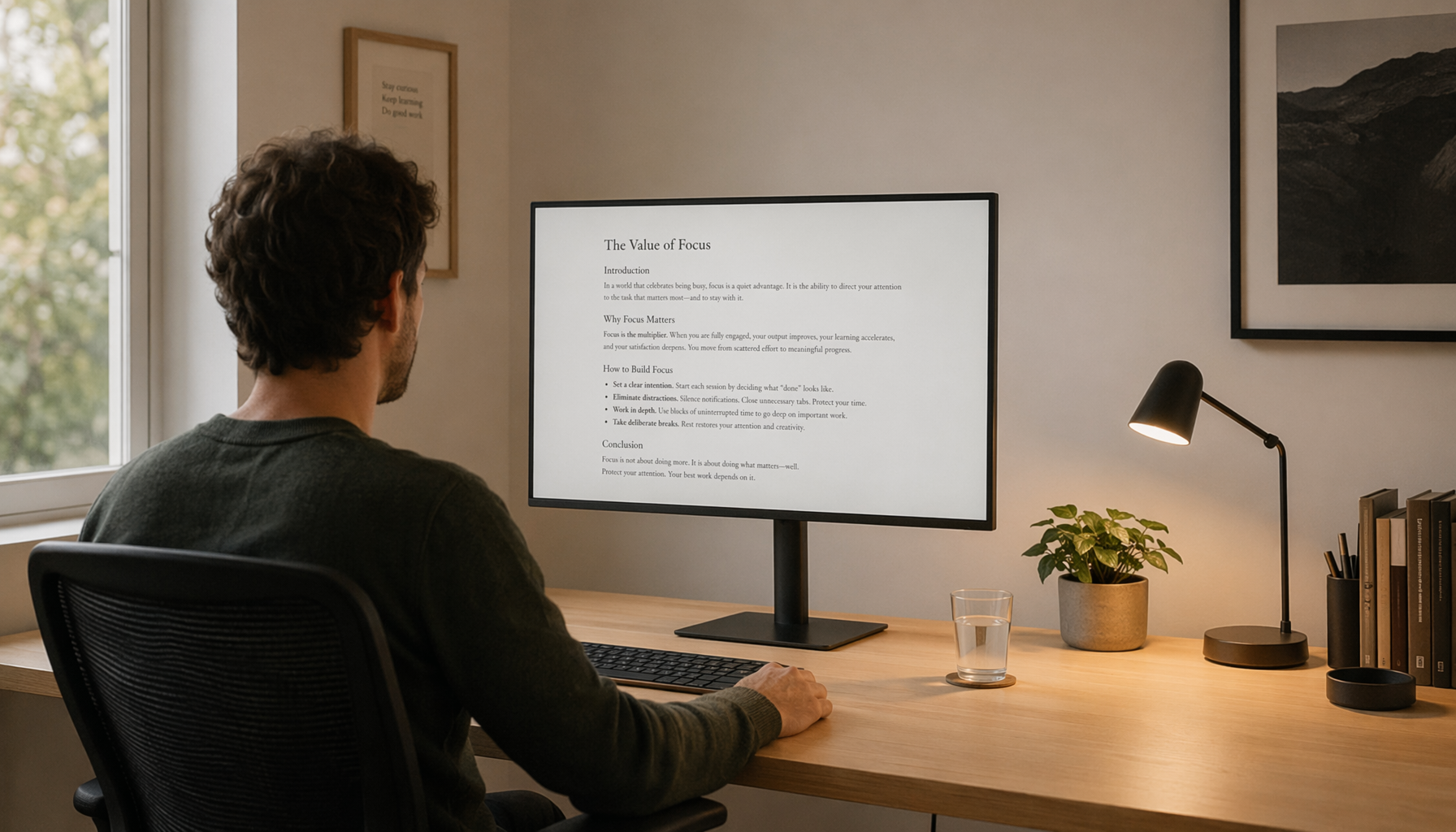
A monitor is part of the rendering pipeline, not just a window into it. Brightness, contrast, panel type, viewing angle, room lighting, and calibration all affect your judgment before you ever press render.
Accurate workflows begin with a display that can cover the target gamut and with a controlled viewing environment. Display placement, neutral surroundings, and calibration are repeatedly emphasized in professional color workflows. For 3D artists, a 100% sRGB monitor is a practical baseline for web and video output, while a wider-gamut display becomes useful when the delivery path supports it.

The common mistake is buying a bright, punchy monitor and grading everything at showroom settings. High brightness can make shadows look open in the viewport, then the exported render looks muddy on a normal screen. Excessive contrast can also push you to under-correct midtones. For serious render review, set a repeatable brightness level, use a neutral desktop background, reduce glare, and calibrate with a hardware tool when color accuracy matters.
Office and Gaming Display Reality Check
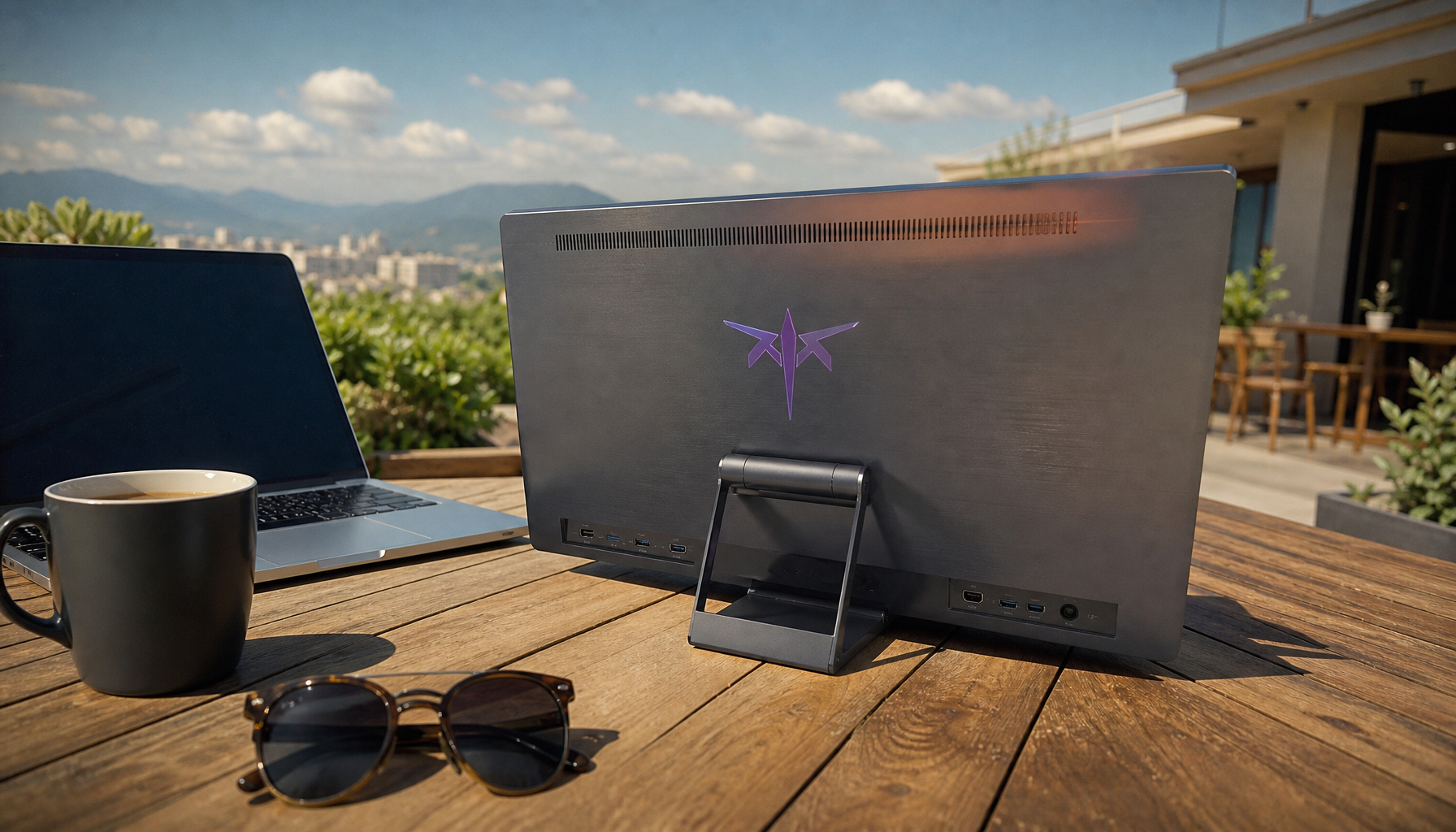
Gaming monitors often emphasize speed, contrast, and saturation. Office productivity displays often prioritize readability, comfort, and consistent color. Portable smart screens may vary even more because they are used in changing light and powered by compact electronics.
That does not make one category bad for rendering. It means your approval screen should match the final audience. If the render is for a product launch viewed mostly on laptops and office monitors, do not grade only on a hyper-saturated self-emissive display. If it is for a premium gaming display campaign, test on a fast, wide-gamut panel but still verify a standard sRGB output.
Lighting and Materials Change Perceived Color Before Export
Sometimes the color shift is not caused by export at all. The final render may simply be calculating light, reflections, roughness, and exposure more accurately than the viewport preview.
Lighting has a major effect on color perception because the same material can look different under different illumination. HDRI or three-point lighting setups can change vibrancy and realism. A matte blue plastic, a metallic automotive finish, and a glossy monitor bezel will not respond to light the same way. If the viewport uses simplified lighting, the final render may reveal color behavior you were not seeing.
Material properties matter just as much as base color. Diffuse color defines the broad surface hue, but specular highlights, roughness, clearcoat, and texture maps can push perceived color warmer, cooler, brighter, or duller. A monitor stand with a slightly glossy black material may look neutral in viewport mode, then pick up a warm studio reflection in the final render and appear brownish.
Compression, Overlays, and Post-Production Can Introduce New Shifts
Export settings can change color after the 3D render is complete. Video codecs, bit depth, chroma subsampling, LUTs, adjustment layers, blend modes, and text overlays can all alter the result.
Compositing workflows are especially sensitive when assets come from different color profiles, and a practical first step is making sure all imported footage and graphics share the same color profiles before correction. If a render pass, logo overlay, and background plate are interpreted differently, the final composite may shift even when each source looked acceptable alone.
Reports of purple-tinted or overly vibrant text overlays often point to mismatched project, sequence, graphic, or export color settings rather than a universal renderer failure. The fix is methodical: check the project color space, interpreted footage settings, sequence settings, effects stack, export profile, and playback app. Do not judge from one exported file in one viewer.
How to Diagnose the Shift Without Guesswork
Start by isolating the failure point. Render a still frame from the final camera, save it in a high-quality still format, and compare it with the viewport. Then render the same frame as a short video. Open both in your compositor, browser, and two media players. If the still is correct but the video shifts, suspect codec, gamma tags, compression, or player interpretation.
Use scopes instead of relying only on your eyes. RGB Parade can reveal a color cast by showing whether red, green, and blue channels are balanced in neutral areas, while waveform and histogram views help detect clipped highlights or crushed blacks. This is especially useful after long grading sessions, when color fatigue can make a stable image start to feel wrong.

Then test the display path. View the same file on your calibrated main monitor, a typical office display, and a cell phone. If every device shows a similar shift, the file likely contains the issue. If only one screen or player looks wrong, you are dealing with display or playback interpretation.

Finally, simplify the scene. Disable LUTs, post effects, bloom, color correction, and overlays. Render with a neutral gray background and a few known color swatches. If the swatches shift, focus on color management and export. If only the full scene shifts, investigate lighting, reflections, material response, and tone mapping.
Practical Fixes That Usually Work
Use a consistent color space from scene setup through final delivery. For standard digital output, that usually means building and exporting with sRGB expectations unless your pipeline is explicitly wider gamut or HDR. Keep texture maps correctly tagged, especially when mixing albedo, roughness, normal, and displacement maps.
Render with enough bit depth for grading. A 32-bit floating-point or high-bit-depth intermediate gives you more room for exposure and color correction before final compression, while a low-quality compressed file can bake in banding or color loss too early. Use delivery codecs only at the last stage.
Keep grading subtle at first. Color theory and grading can improve focus, mood, and cohesion, but heavy LUTs or aggressive gamma changes can damage the render faster than they improve it. Treat LUTs as controlled transforms, not magic fixes. Blend them lightly, compare before and after, and check skin tones, neutrals, and brand colors with scopes.
For client or team approval, define the viewing target. A render approved on a calibrated 27-inch display in a controlled room may not match a portable screen in daylight, and that is expected. The professional move is not to chase every device equally. It is to define the primary output, create a reliable master, and produce alternate outputs when the delivery environment demands them.
FAQ
Why does my render look darker after saving?
A darker image often points to a gamma or color transform mismatch. The viewport may be showing a display transform that is not baked into the saved file, or the viewing app may be interpreting the file differently. Compare the output inside your 3D app, compositor, browser, and another media player before changing the scene.
Why do brand colors shift even when the HEX values are correct?
HEX values only define numbers, not the full viewing condition. Color space, monitor gamut, gamma, lighting, tone mapping, and compression all affect how those numbers appear. For brand-critical work, use a calibrated display, confirm the target color space, and test the final file in the same environment where it will be used.
Should I use sRGB for all 3D renders?
Use sRGB for most web, standard video, office-display, and general digital delivery. Use wider-gamut or HDR workflows when the project, display hardware, and delivery platform support them. The risk is not wide gamut itself; the risk is sending wide-gamut color into an unmanaged or sRGB-only viewing path.
Calibration Takeaway
Color shifts are rarely caused by one mysterious render setting. They usually come from small mismatches across the pipeline: viewport preview, renderer, tone mapping, export, playback, and display. Lock those stages down, test with short renders, and judge color on the kind of screen your audience will actually use.