


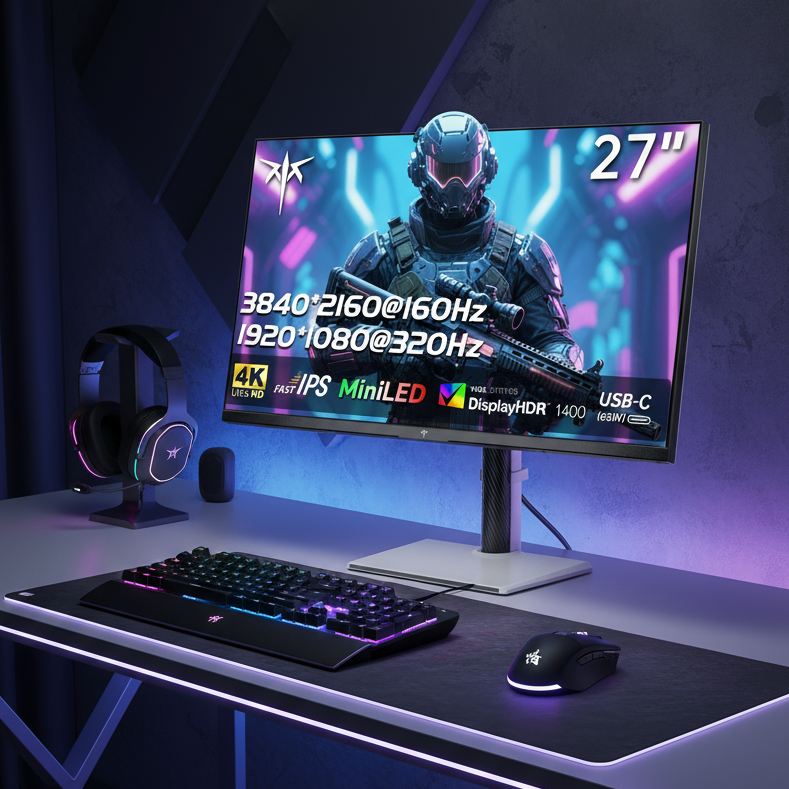
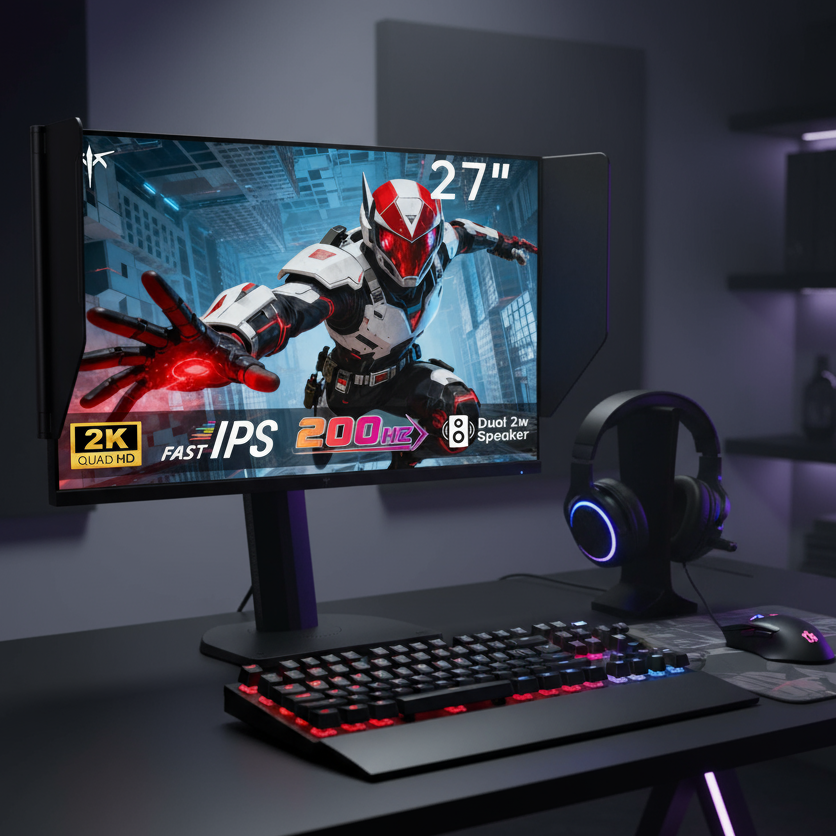
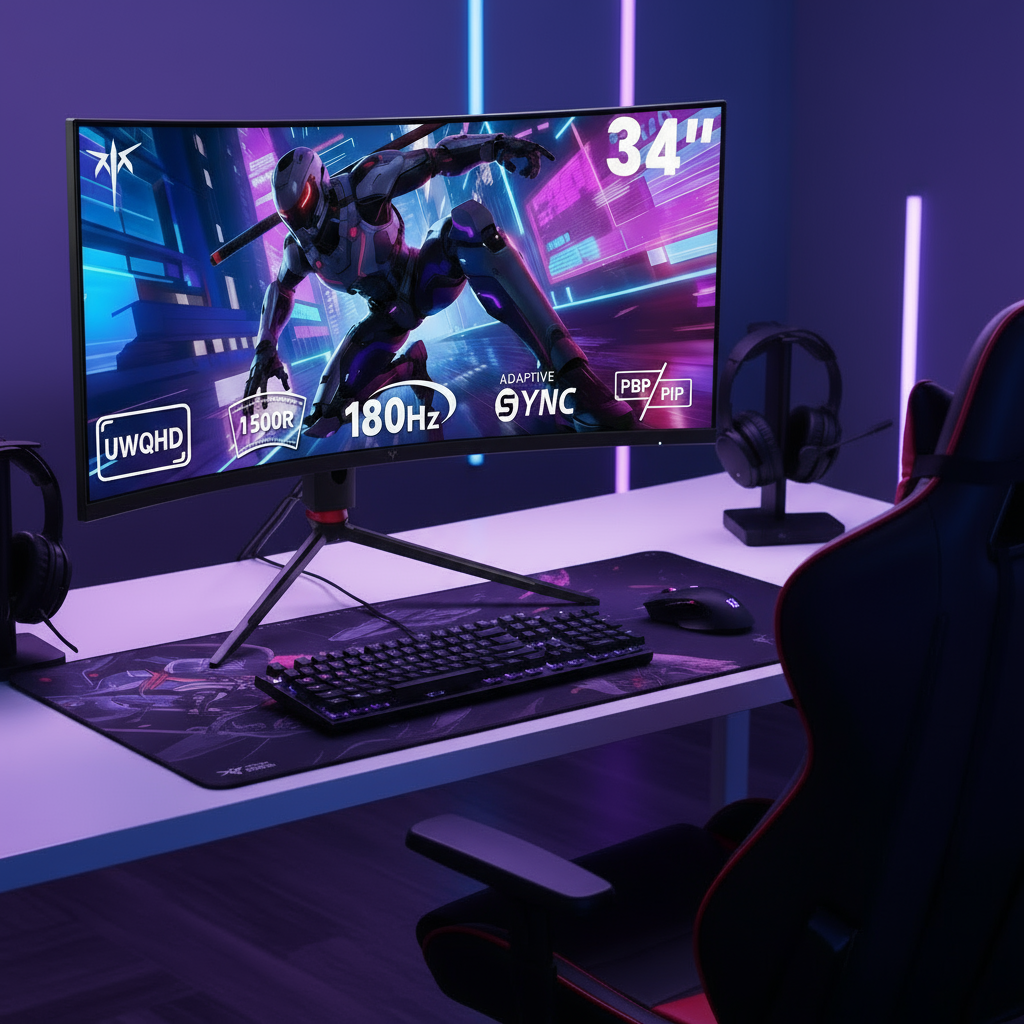


Your monitor shows “Out of Range” when your PC, console, dock, or game sends a video mode the screen cannot display. In practical terms, that usually means the resolution, refresh rate, or signal timing is too high or incompatible for that monitor, cable, input, or adapter.
What the Error Really Means
A display is built to accept specific combinations of resolution and refresh rate, such as 1920 x 1080 at 60 Hz or 2560 x 1440 at 144 Hz. If the source device sends something outside that supported range, the panel may protect itself by refusing the image and showing the error instead.
This is why the message often appears after changing graphics settings, installing a new graphics driver, adding a second monitor, switching cables, or launching a game in full-screen mode. A support note describes the issue as a monitor receiving a video signal it cannot display, commonly because of an unsupported resolution or refresh rate.
 For gaming displays, the trap is usually performance ambition outrunning the full signal path. A 144 Hz mode is not just a monitor setting; the graphics output, cable, port, adapter, and display input all have to support it.
Common Causes: Resolution, Refresh Rate, and Signal Path
The most common cause is setting the resolution above the monitor’s native or maximum supported resolution. A 1280 x 1024 office display, for example, may reject a 1920 x 1080 signal even if your operating system still lets you select it.
Refresh rate is the second major cause. A 60 Hz portable screen or basic office monitor may show a frequency error if a game or graphics utility tries to force 120 Hz, 144 Hz, or 240 Hz.
Cables and adapters matter, too. A digital video connection does more than carry picture and sound; it also carries display capability data and copy-protection handshakes, so a weak cable, long run, or unstable connection can cause no-picture issues or dropouts when devices fail to agree on a compatible mode through display capability data.
 Multi-monitor setups add another layer. Your operating system can store different modes for duplicate and extended displays, so a secondary productivity display may fail only when the desktop is extended.
How to Fix It Fast
Start by getting any visible image back. If the affected screen is blank, use Safe Mode, connect a second monitor, or temporarily use a display that supports the current signal.
Try these steps in order:
- Set the resolution to the monitor’s native or “Recommended” option.
- Set the refresh rate to 60 Hz first, then test higher rates later.
- Disconnect extra monitors and test the affected display alone.
- Reseat or replace the video cable, monitor cable, USB-C cable, or adapter path.
- Update or reinstall the graphics driver from the hardware maker.
In display settings, check both the desktop resolution and the active signal resolution. Those can differ, especially in extended-display setups, which is why changing only the visible desktop resolution may not fix the actual output.
 Gaming, Office, and Portable Screen Scenarios
For esports monitors, “Out of Range” often appears when a game launches with an old full-screen profile. Reset the game’s graphics config, launch in windowed mode if possible, or lower the refresh rate before raising it again.
For office productivity displays, the reliable baseline is native resolution at 60 Hz. That keeps text sharp, avoids scaling problems, and works with most docks and adapters.
For portable smart screens, be conservative with USB-C hubs and video adapters. Many compact displays work well for travel workflows, but they may not accept the same high-refresh signal as your main gaming monitor.
A useful nuance: if the monitor works with another source, panel failure is less likely than a bad display mode, cable path, adapter, or saved graphics setting.
When to Check Specs or Replace Hardware
Check the monitor’s specification page for supported resolutions and refresh rates, especially the values listed beside the “@” symbol, such as 1920 x 1080 @ 60 Hz. If the mode you want is missing, forcing it is not a performance upgrade; it is an incompatibility.
If the error continues after safe settings, known-good cables, driver updates, and another source test, the weak link may be the adapter, dock, graphics output, or monitor electronics. For long daily work sessions, also position the recovered display well: an arm’s-length viewing distance and slightly downward viewing angle can reduce eye and neck strain.
 The value play is simple: restore a conservative signal first, then scale up only where the full hardware chain proves it can handle the mode.


