HDR highlight clipping happens when bright detail exceeds what your camera file, editing pipeline, game engine, or display can preserve. Clouds, lamps, sun glints, explosions, and UI glow can collapse into flat white or dull gray.
What HDR Highlight Clipping Really Means
Highlight clipping is the loss of usable information in the brightest part of an image or signal. When the capture or display path runs out of headroom, the top tones no longer separate from each other. A lampshade, snow ridge, chrome reflection, sunlit cloud, or sci-fi muzzle flash may all hit the same maximum value, so the screen cannot show texture, color, or shape inside that area.
In HDR work, clipping is especially frustrating because HDR promises extra brightness and contrast. The problem is that HDR is not magic headroom at every stage. The camera sensor, HDR merge, file format, app, operating system, cable, monitor, and local dimming system all have limits. When the brightest parts of the image are cut off, the result is incomplete visual data, not just an aggressive look.
For a display buyer, this matters because “HDR supported” and “HDR looks good” are different claims. A monitor can accept an HDR10 signal and still clip or compress highlights poorly if its peak brightness, local dimming, sustained brightness, or tone mapping are weak. That is why a productivity display with basic HDR may show a brighter desktop, while a stronger gaming or creator monitor reveals sparkle, cloud contour, neon color, and reflective depth.
The Main Causes of Clipping in HDR Highlights
The Scene Exceeds the Capture Range
The most common cause is simple: the scene is brighter than the capture can hold. Shooting toward the sun, recording a stage spotlight, photographing a white building at noon, or creating an HDRI with a visible lamp can overwhelm the brightest exposure. If your darkest bracket is not dark enough, the highlights never enter the file correctly.
For photography, HDR bracketing works only when the bracket includes a frame that protects the bright end. A practical HDR sequence should include one exposure for highlight detail, one for shadow detail, and enough middle frames to connect them cleanly; the camera histogram is the first tool for confirming that the right edge is not smashed flat.

A real-world example is a sunset gaming-wallpaper shoot. If the normal exposure makes the foreground usable but the sun disk is pure white, lowering exposure by two or four stops may bring back cloud detail. If even the darkest shot still shows a featureless white disk, the HDR merge cannot invent the missing color or shape.
Tone Mapping Compresses Too Hard
Tone mapping converts high-range image data into something your current screen or file can show. Done well, it preserves the feeling of brightness while keeping texture. Done poorly, it can flatten contrast, desaturate highlights, or push bright regions into a hard ceiling.
Photo editors and HDR tools often try to recover highlight and shadow detail without producing the artificial “HDR look.” A balanced High Dynamic Range tool should recover bright and dark detail while preserving contrast, clarity, and smooth tonal transitions.
The tradeoff is control versus speed. Automatic tone mapping can make a high-contrast image immediately viewable, but it may hide clipping behind a pleasing preview. Manual highlight, whites, curve, and local-mask work takes longer, but it lets you decide whether a glowing sign should stay intense, reveal lettering, or roll off softly.
The Monitor Does Not Have Enough HDR Headroom
A display can clip highlights because it cannot get bright enough, cannot dim dark zones precisely enough, or cannot sustain brightness across larger areas. Entry-level HDR screens may accept HDR input but lack the hardware to separate intense highlights from dark surroundings. The result can be gray blacks, flat bright areas, or blooming around UI elements.
For serious HDR viewing, monitor technology matters. Mini-LED can provide high peak brightness and strong HDR headroom, while OLED delivers pixel-level blacks and excellent contrast, though many OLED panels reduce brightness over larger bright areas. Emissive and transmissive display types handle highlights differently, which is why OLED, QD-OLED, mini-LED, and basic edge-lit LCD panels do not produce the same HDR result.
For gaming, the decision is also about motion and responsiveness. A 1440p high-refresh OLED may feel spectacular in dark-room HDR games, while a mini-LED 4K screen may better hold bright landscapes, productivity windows, and large HDR photo previews. A good monitor choice should match your GPU, resolution target, refresh expectations, and image-quality priorities.
Cause |
What You See |
Best First Check |
Capture clipping |
White sun, blank clouds, no lamp detail |
Lower exposure in the editor and inspect the area |
Tone-mapping clipping |
Harsh rolloff, dull white highlights, odd contrast |
Compare HDR preview with SDR or an alternate tone map |
Display clipping |
Bright areas lose texture only on one screen |
Test the same file on a stronger HDR display |
Channel clipping |
Highlight turns white or oddly colored |
Check RGB channels, parade scopes, or color readouts |
How to Detect HDR Highlight Clipping
Pull Exposure Down and Watch the Brightest Area
The fastest field test is to lower exposure in your editor or HDR viewer and watch the brightest zone. If detail appears as you reduce exposure, the image may be bright but not clipped. If the area simply turns from white to a flat gray patch with no structure, the information is gone.

This exposure reduction test is especially useful for HDRIs, product renders, and game capture analysis. Reduce the HDRI exposure and inspect whether a sun or lamp reveals detail or stays solid. In practical display-review terms, this separates “my monitor is making it look blown out” from “the asset itself is clipped.”
Read the Histogram Before Trusting the Screen
Your eyes adapt quickly, and monitor brightness can mislead you. A screen set too bright may make a safe image look overexposed, while aggressive tone mapping may make clipped data look acceptable. The histogram is less flattering and more useful.
In capture, the key warning sign is a pileup at the right edge. For HDR bracketing, the highlight-protection frame should pull that pileup away from the edge. RAW capture, the camera histogram, and clipping alerts help control highlight loss before editing begins.

A simple calculation helps: if your sky exposure clips at 1/250 second, a two-stop darker frame at 1/1000 second captures four times less light. If that still clips, you need another darker frame or a different composition. HDR quality often comes from one unglamorous habit: checking the brightest exposure before leaving the scene.
Use HDR Display Modes Carefully
Some applications let you choose whether to tone-map highlights for viewing or clip them for editing. That distinction matters. Tone mapping is useful when you are judging an image in a poor viewing environment, but clipping-style preview modes can be more honest when you need to know what values exceed the display’s range.
Some HDR controls make this tradeoff explicit, with Brightness Clipping options that adapt display behavior for lighting conditions. For editing, a less distorted view helps you avoid overcorrecting color and brightness just because the monitor or app is trying to make the image fit.
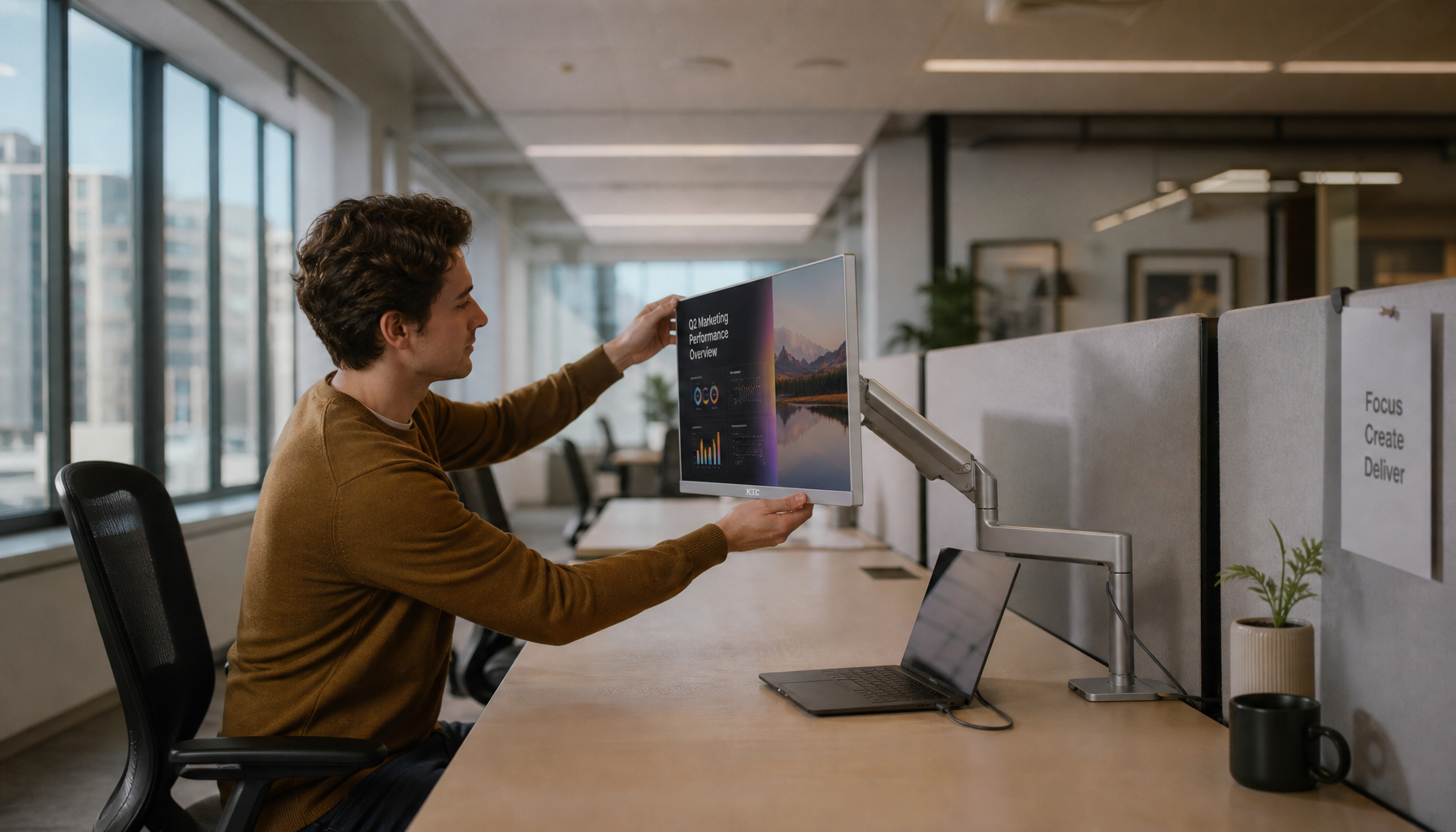
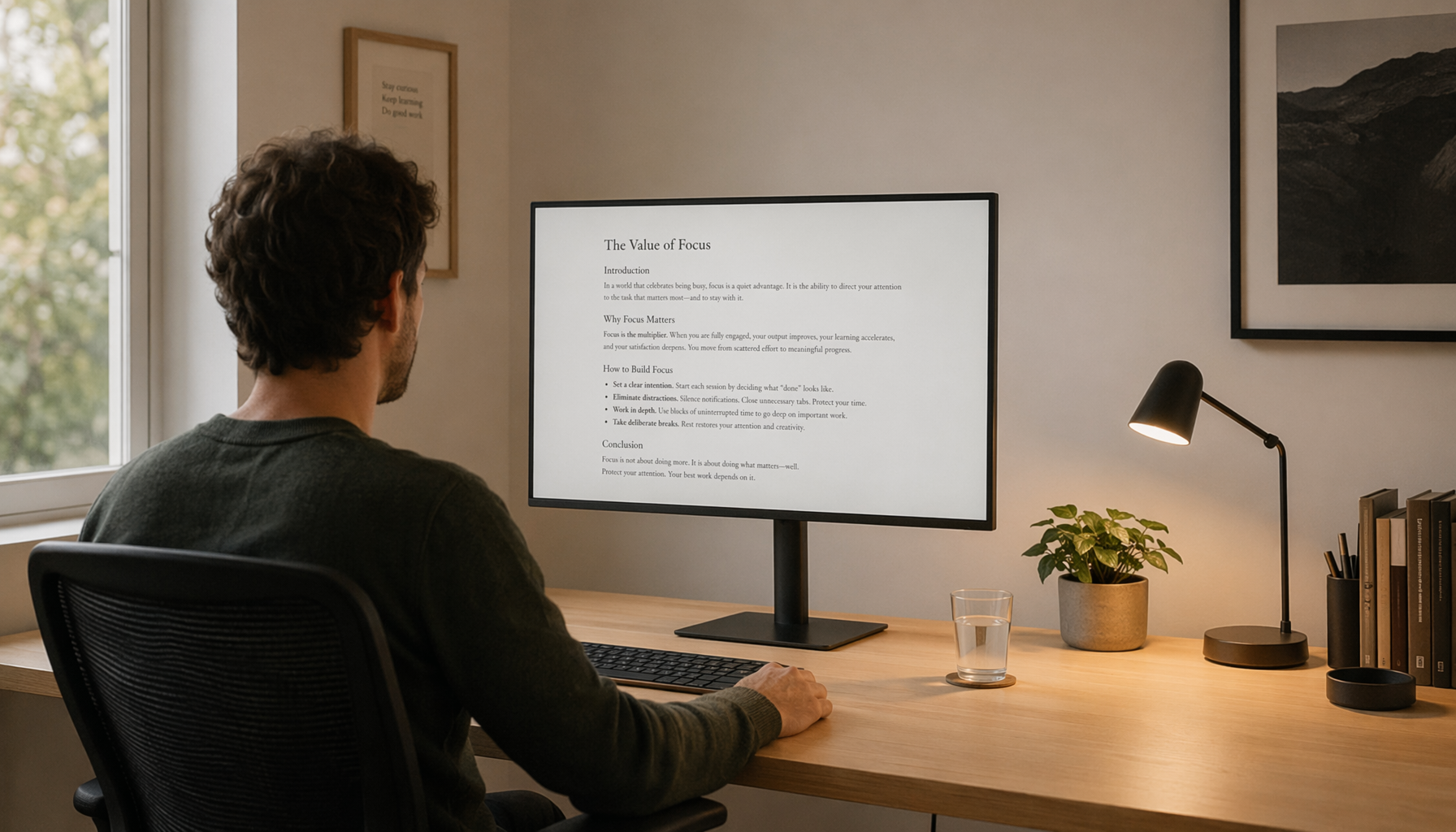
For an office productivity display, this is where HDR can become annoying. Bright spreadsheet cells, white web pages, and dark UI panels may trigger local dimming behavior that looks impressive in video but distracting in daily work. A reliable workflow may involve SDR for office tasks and HDR only for games, video, and image review, especially on monitors with visible blooming.
How to Prevent Clipping Before It Happens
Start by protecting highlights at capture. RAW files, bracketed exposures, and conservative exposure settings give your editor more real data. For moving subjects, single-shot HDR formats can help, but they still need sensible exposure because no format can recover detail that never reached the file.
During editing, use highlight and white controls before global contrast. Curves are powerful because they let you shape the rolloff near peak brightness instead of pushing the whole image harder. If clouds become muddy, skin gets harsh, or neon signs lose color, back off the global HDR strength and use local adjustments only where needed.
On the display side, choose hardware for the content you actually use. A basic HDR 400-class monitor can be fine for SDR-heavy office work and casual gaming, but it should not be expected to deliver high-impact HDR highlight detail. For HDR gaming and photo review, prioritize real brightness, strong contrast, good factory calibration, enough local dimming zones on LCD, or OLED-class black levels if your room and burn-in tolerance fit the use case.
Pros and Cons of Aggressive Highlight Recovery
Aggressive recovery can rescue skies, window light, stage effects, and reflective products. It can make a portable smart screen or creator monitor feel more useful because you see more of what the file contains. It also helps match an HDR image to an SDR export without making the SDR version look broken.
The downside is that too much recovery can make highlights look dirty or fake. A sunlit cloud should still feel bright. A polished metal edge should still sparkle. If every highlight is pulled down until nothing shines, the image may avoid clipping but lose the immersive punch that HDR was built to deliver.
The best result is controlled brightness, not maximum recovery. Preserve important detail, allow harmless specular highlights to stay intense, and keep color in light sources whenever possible. A white-hot reflection on chrome can clip acceptably; a bride’s dress, product label, game objective marker, or cloudscape usually should not.
A Practical Detection Workflow
Open the HDR image, video frame, game capture, or HDRI on your best available HDR-capable display. Lower exposure in the editor or viewer and inspect the brightest meaningful area. Check the histogram or RGB readouts for channels pinned at maximum. Then compare the same content in SDR preview or on a second display if available.
If detail returns when exposure drops, the highlight is probably recoverable and your next move is tone-curve refinement. If the bright region stays flat, the clipping is baked in. If it clips on one monitor but not another, the issue is likely display tone mapping, peak brightness, local dimming, or OS HDR handling rather than the content itself.
HDR should feel like more visual authority, not a guessing game. When you combine protected capture, honest scopes or histograms, and a display with real headroom, highlights stop being blank white patches and become useful information: texture, color, direction, and impact.