Mirroring your smartphone to a 32-inch smart display turns a pocket-sized screen into a shared 4K canvas for photos, videos, calls, and light productivity. Wireless options work well for casual media sharing, but wired USB-C mirroring delivers noticeably lower latency for gaming or responsive tasks, while iPhone users need a bridge app on the Android-based display. The right choice depends on your phone type, use case, and tolerance for setup friction.

Why Mirror Your Smartphone to a 32-Inch Smart Display?
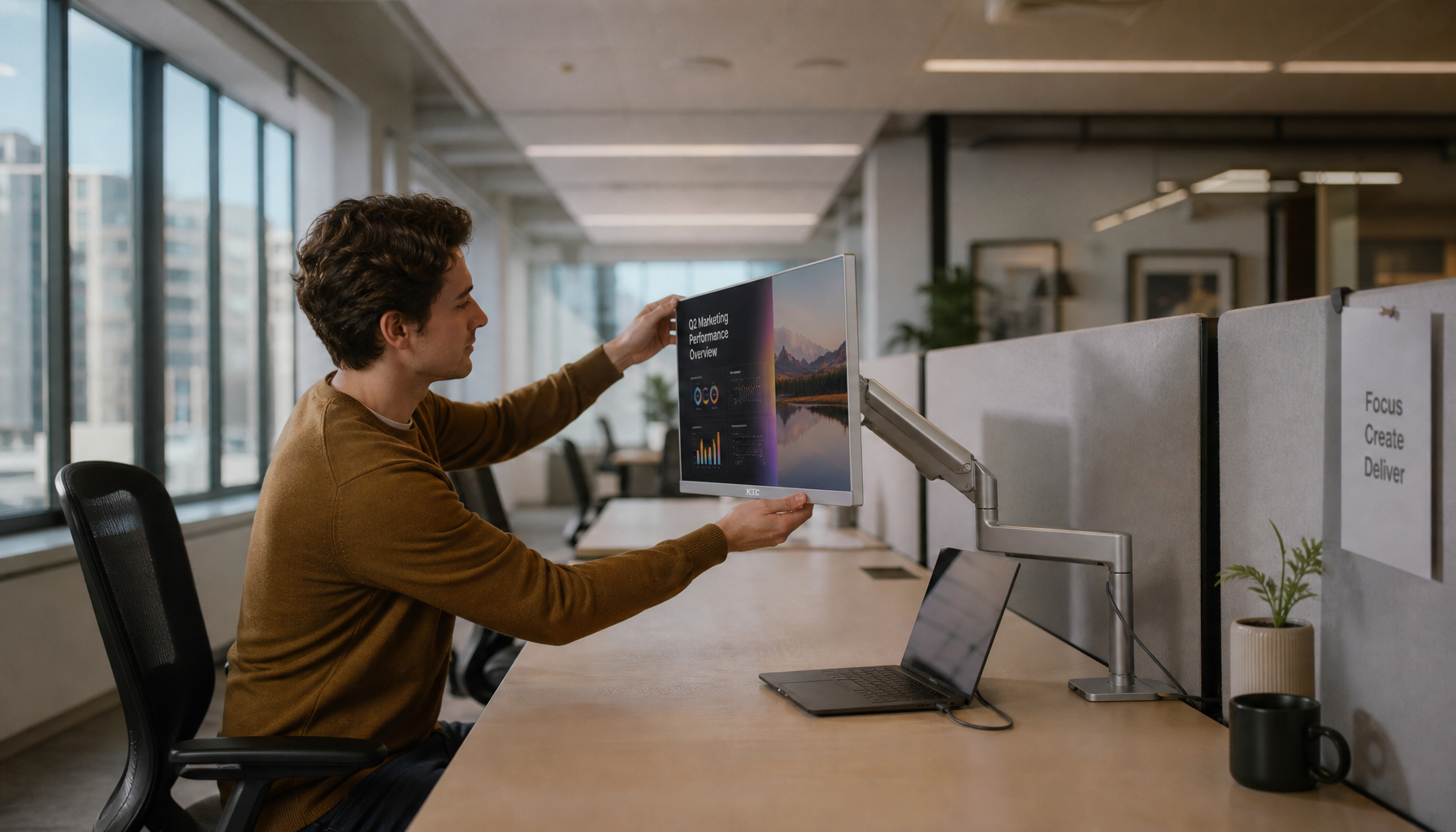
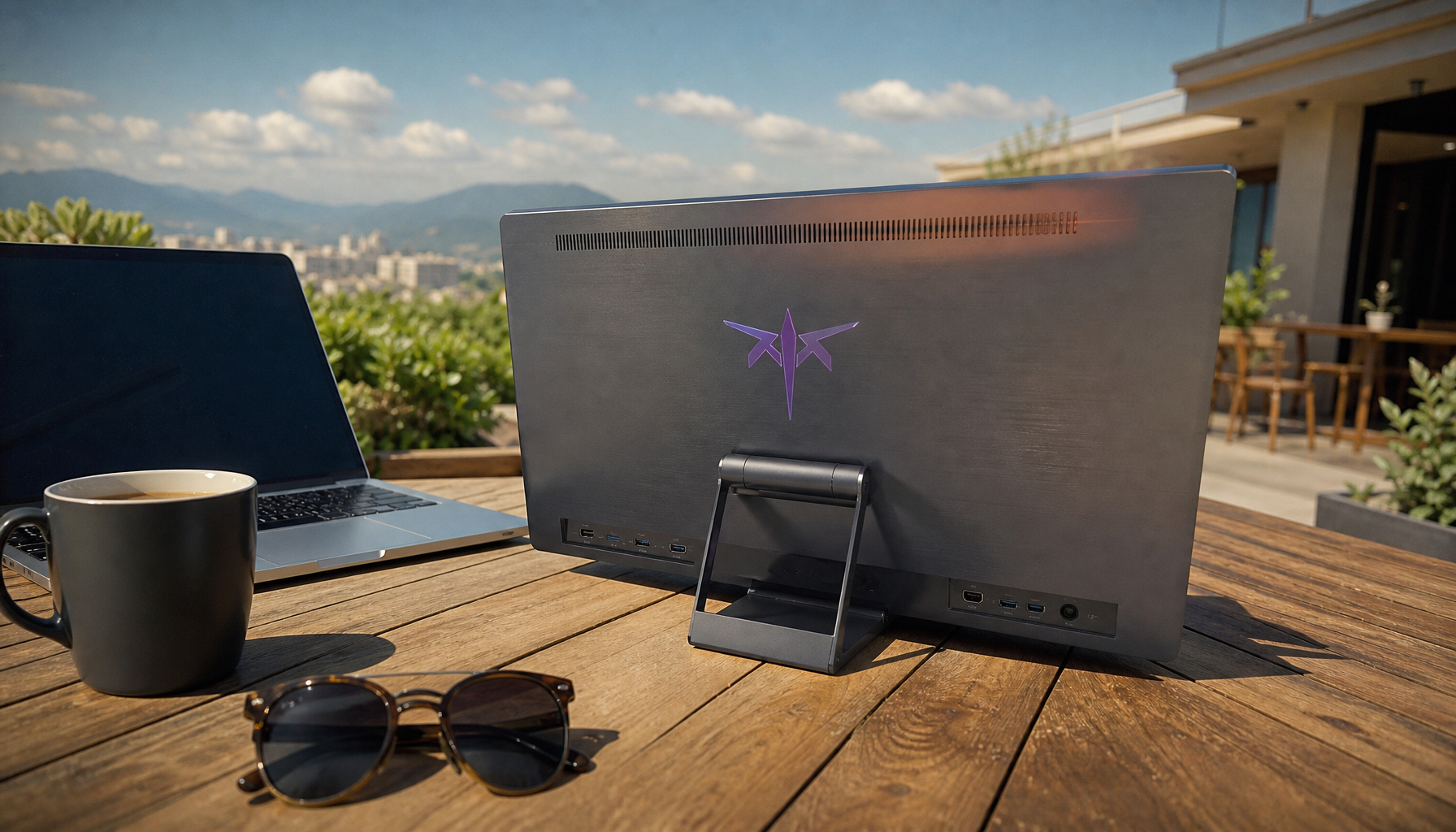
A 32-inch 4K smart display offers roughly five times the screen area of a typical smartphone, making it easier to enjoy travel photos with family, stream mobile-exclusive videos, or run productivity apps in a larger workspace. The KTC MegPad stands out because it is portable and battery-powered, allowing you to move the large canvas to the living room, kitchen counter, or bedroom without being limited to a fixed TV location.
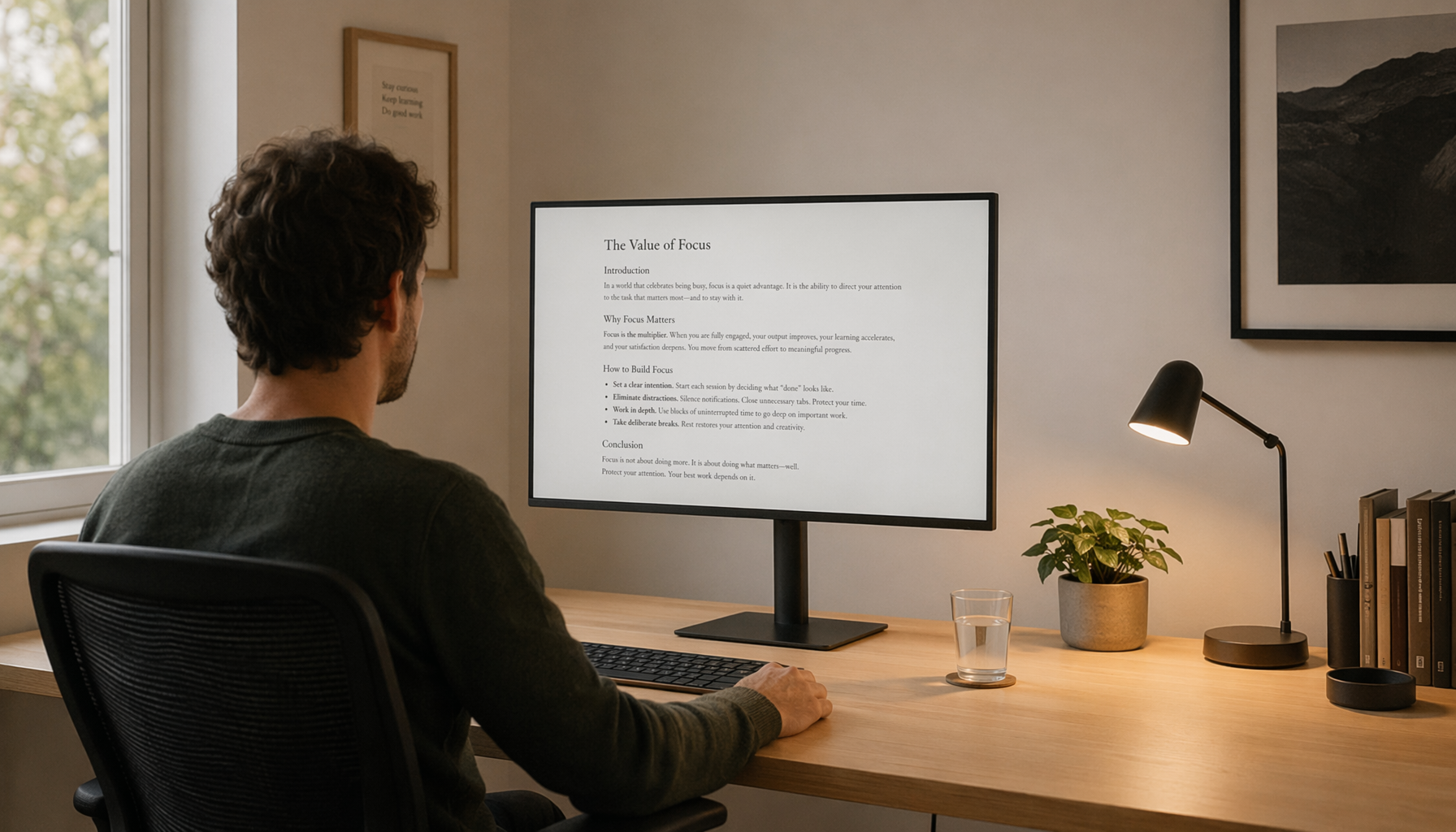
Common scenarios include sharing vacation pictures during gatherings, playing casual mobile games on a bigger screen, or using Desktop Mode to turn the display into an extended workspace. These setups work best when everyone in the room can see details clearly without crowding around a phone.
However, not every mirroring method delivers the same experience. Wireless casting is convenient for passive viewing but can introduce delay and occasional stuttering in busy networks. Wired connections eliminate most of that lag yet require a compatible cable and physical tethering. Understanding these trade-offs early helps you avoid frustration and choose the path that matches your needs.
Wireless Mirroring for Android: The Native Google Cast Path
Android users on Google EDLA-certified displays like the MegPad can mirror their screen without installing extra apps. This native support uses Google Cast, which lets you cast your entire screen or specific apps directly from the phone.

To get started, connect both devices to the same Wi-Fi network, swipe down on your Android phone to open the quick settings, and tap the Cast or Smart View tile. Select the smart display from the list of available devices. The official Google Cast guide walks through these steps in detail and confirms it works seamlessly on certified receivers.
This zero-app workflow is the fastest option for most Android owners. It supports high-resolution output and handles media apps particularly well. Keep in mind that performance still depends on your network; a strong 5 GHz Wi-Fi connection reduces stuttering compared with crowded 2.4 GHz bands.
For users looking for more versatile smart display options around the home, see our guide on One Screen for the Whole House: Why MegPad Is the Perfect Christmas Gift.
Bridging the Gap: How to Mirror iPhone to an Android Smart Screen
Android-based smart displays do not support AirPlay natively, so iPhone users must install a compatible receiver app. Popular choices available on the Google Play Store include AirScreen or AirReceiver.
Install the app on the smart display, ensure both the iPhone and display are on the same Wi-Fi network, then open the app on the display to make it discoverable. On your iPhone, open Control Center, tap Screen Mirroring, and select the display name. The connection usually takes under 30 seconds once the app is running.
Apple’s own AirPlay support documentation explains the requirements for third-party receivers and notes that performance can vary by app version and firmware. Test the connection with a short video first to check for audio sync before relying on it for important calls or presentations.
This bridge approach works reliably for most users but may require occasional app updates. It is not as seamless as native casting, so plan a few minutes for initial setup.
Wired Mirroring: The Low-Latency Choice for Gaming and Productivity
When responsiveness matters, a wired USB-C connection is usually the better choice. Phones that support DisplayPort Alternate Mode can send video, data, and power over a single high-quality USB-C cable, delivering latency well under 10 ms in typical setups.
This makes wired mirroring suitable for mobile gaming, video calls, or using the display as a precise second screen. Many recent flagships from Samsung, Google, and Apple’s Pro models support this feature, but you should confirm DP Alt Mode compatibility for your specific phone before buying cables.
The MegPad’s USB-C port can simultaneously charge your phone at up to 65 W or 90 W while mirroring, removing the worry of battery drain during long sessions. For best results, use a cable certified for video transmission rather than a basic charging cord.
As explained in our article on DisplayPort Alternate Mode Over USB-C: How Video, Data, and Power Share the Same Lanes, this technology allows multiple signals to travel together efficiently. Our Premium Display Signal Cables for Gaming & Productivity Monitors collection includes options tested for stable video output.
Latency Gap in Phone-to-32-inch Smart Display Mirroring
Wired mirroring is the safer choice for gaming and productivity because latency stays in a low-lag band, while wireless mirroring is better suited to casual viewing where delay is less critical.
View chart data
| Category | Typical latency range (ms) |
|---|---|
| Wired | 5 |
| Wireless | 100 |
Troubleshooting: Fixing Lag, Audio, and Resolution Issues
Many users notice black bars on the sides when mirroring a tall smartphone (such as 19.5:9) to a standard 16:9 32-inch display. This pillarboxing is normal and results from the aspect ratio difference; some displays offer zoom or fill modes, but they may crop parts of the phone screen.
Wireless lag or stuttering often improves by switching to the 5 GHz Wi-Fi band or using Miracast, which creates a direct peer-to-peer connection that bypasses router congestion. Restarting both devices and ensuring no other high-bandwidth activity is occurring on the network also helps.
Audio sync problems can appear in third-party receiver apps. Adjusting the audio buffer or latency compensation setting inside apps like AirScreen usually brings sound and picture back in line. If touch inputs feel off during transit or shared use, review our tips on How to Prevent Accidental Touch Inputs When Using a Portable Monitor in Transit.
Which Mirroring Method Works Best for Your Setup?
Wireless casting from Android or via a bridge app is convenient for sharing photos and streaming videos in relaxed settings. Switch to a wired USB-C connection when you need responsive performance for games, video calls, or detailed work. iPhone owners should expect an extra setup step, while Android users enjoy the most direct path.
Quick-start checklist for first-time users:
- Confirm both devices are on the same strong Wi-Fi for wireless attempts.
- Verify your phone supports DP Alt Mode before relying on wired mirroring.
- Install and test a receiver app like AirScreen if using an iPhone.
- Check for black bars and try the display’s scaling options.
- Use wired charging through the monitor to avoid battery drain.
Exploring the MegPad’s Desktop Mode can further expand your options, turning the 32-inch smart display into a versatile hub that goes beyond simple mirroring. Test both wireless and wired methods with your actual content to see which feels best in your space.
FAQ
Do All Smart Displays Support Native Screen Mirroring From iPhones?
No. Most Android-based smart displays require a third-party receiver app such as AirScreen to accept AirPlay signals. Without it, iPhones cannot mirror directly. This extra step adds a few minutes to setup but enables reliable casting once configured.
Is Wireless Mirroring Suitable for Mobile Gaming on a 32-Inch Display?
Wireless methods typically introduce 100 ms or more of latency, which feels noticeable in fast-paced games. Wired USB-C mirroring keeps latency much lower and is the stronger choice for responsive gameplay. Reserve wireless for casual or turn-based titles.
Why Do I See Black Bars When Mirroring My Phone to the Smart Display?
Modern smartphones often use taller aspect ratios than the 16:9 standard of most monitors. This mismatch creates pillarboxing on the sides. You can sometimes reduce the effect by changing the phone’s display settings or using the monitor’s zoom function, though cropping may occur.
Does a Wired Connection Allow the Phone to Charge While Mirroring?
Yes, when using a compatible USB-C cable and a smart display with power delivery. The MegPad can supply up to 65 W or 90 W while carrying the video signal, keeping your phone charged during extended mirroring sessions.
Can I Mirror to the Smart Display Without Wi-Fi?
Yes. Miracast creates a direct peer-to-peer connection that does not require a Wi-Fi router. This option is useful in locations with poor or congested networks, though setup steps may differ slightly from standard Google Cast.
Which Method Offers the Best Audio and Video Sync?
Wired connections generally provide the most consistent sync because they avoid network variables. For wireless, choose a strong 5 GHz network and adjust app buffer settings if using a third-party receiver. Test with your specific content to confirm acceptable results.