



To reduce monitor heat in a small home office, lower panel power demand, improve airflow around the display, and keep other heat-producing gear from warming the same corner.
Start With Lower Display Power
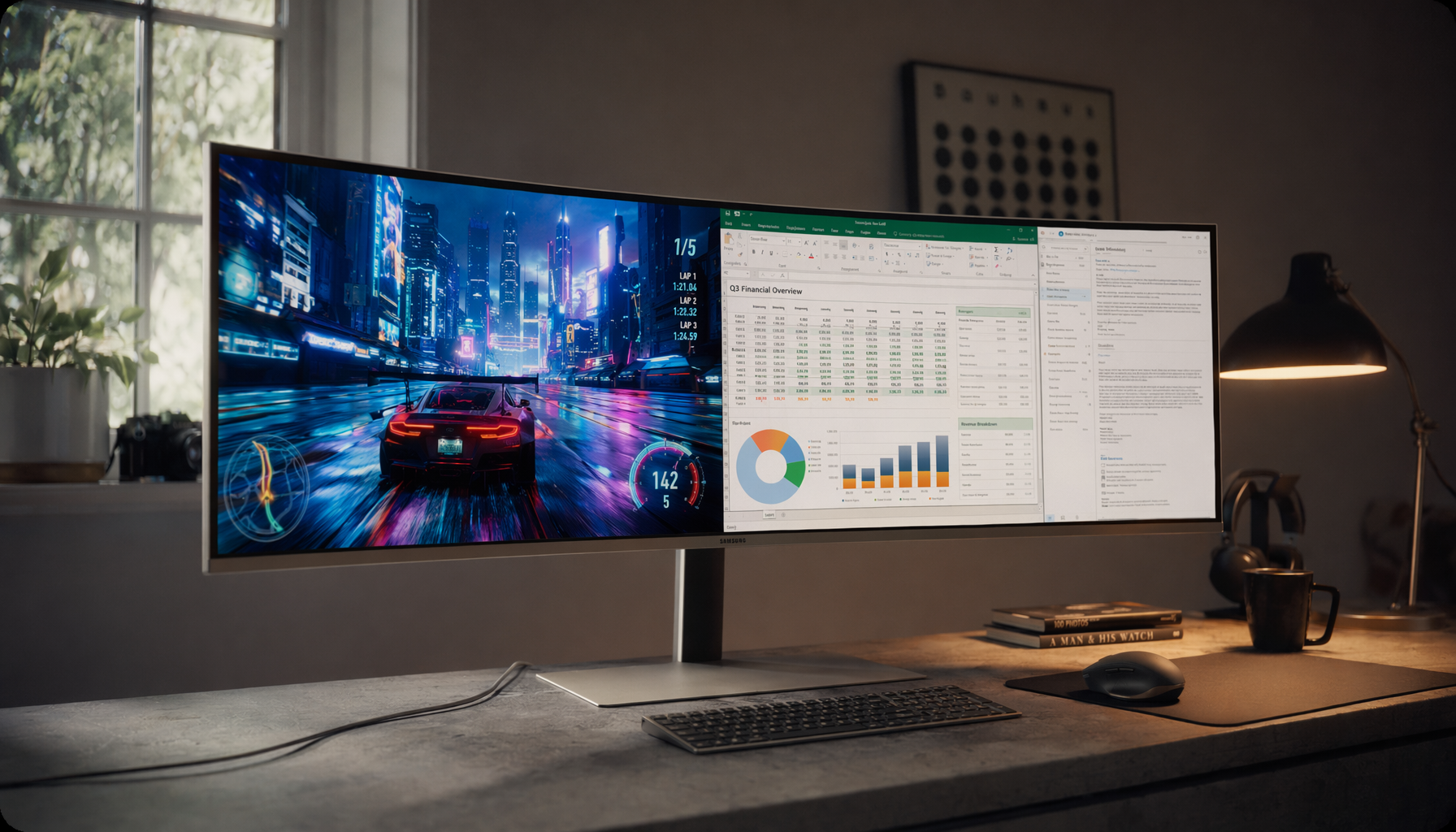
Your monitor’s heat output mostly follows its power use. A bright 32-inch, high-refresh display running at maximum luminance will warm a small room faster than the same panel tuned for office work.
Set brightness to the lowest comfortable level, especially for document work, email, dashboards, and video calls. In many rooms, 35% to 60% brightness is enough unless sunlight is hitting the screen.

Use these quick settings first:
- Enable eco or power-saving mode during office hours.
- Turn off dynamic brightness if it keeps over-boosting the backlight.
- Drop the refresh rate from 144 Hz or 240 Hz to 60 Hz for static work.
- Use dark mode when it improves comfort, especially on OLED.
- Set sleep timing to 5-10 minutes when inactive.
For gamers and creators, keep a performance preset available. Switch to a high refresh rate only when the workload benefits from it.
Give the Monitor Room to Breathe
Heat builds when the back of the display is pressed against a wall, shelf, curtain, or stacked desk gear. Even a slim monitor needs open space behind the panel so warm air can rise and disperse.
A practical rule is to leave about 4 to 6 inches behind the monitor and avoid placing the power brick directly under or behind the screen. If your desk is in a tight nook, move the display slightly forward and keep the rear vents clear.

Air movement matters because heat risk rises when ventilation is limited; NIOSH lists increasing air velocity as an engineering control for hot environments. In a home office, that can be as simple as a quiet desk fan angled across the rear of the monitor, not directly into your eyes.

Control the Whole Desk Heat Zone
Your monitor may not be the biggest heat source. A gaming PC, laptop dock, UPS, router, printer, and charging station can all create a warm pocket under or behind the desk.
Separate intake, exhaust, and user comfort zones. A PC case should have a clear path for cool intake and warm exhaust; blocked airflow can raise component temperatures and room heat, while better fan direction supports predictable airflow.
Try this desk reset:
- Move the PC tower out of closed cabinets.
- Keep laptop vents uncovered on a stand.
- Route cables away from fan exhaust paths.
- Place power bricks on open surfaces, not fabric.
- Keep routers and docks away from the monitor’s back panel.

A fan does not remove heat from the room, but it can prevent hot air from pooling around your screen and body.
Reduce Room Load During Peak Heat
Small offices heat up quickly because there is less air volume to absorb device output. If the room gets warm every afternoon, change when and how you run the display.
Schedule demanding gaming, rendering, or multi-monitor work for cooler hours when possible. Workplace heat guidance often recommends moving hot tasks to cooler parts of the day, and OSHA includes rescheduling hot jobs among administrative controls.
Close blinds on sun-facing windows, but keep airflow paths open. If you use air conditioning, avoid placing the monitor where direct cold air causes condensation risk or eye discomfort; aim for stable room comfort instead.

Choose Cooler Hardware Next Time
If heat is a recurring issue, your next display choice matters. For small rooms, prioritize efficient panels, automatic brightness control, external power bricks that can be positioned away from the desk, and a screen size that matches your actual viewing distance.
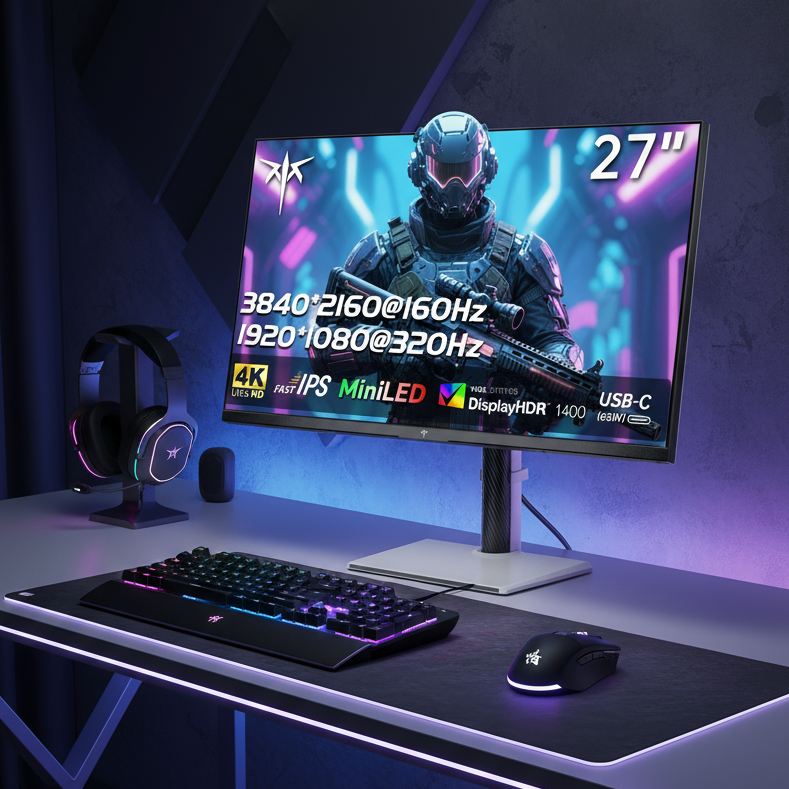
A single efficient 27-inch monitor may feel better than two older displays in a compact office. For portable smart screens, USB-C power efficiency and lower brightness needs can make them useful secondary displays without turning the desk into a heat zone.
The best setup is simple: an efficient screen, calibrated brightness, clear rear ventilation, and heat-producing devices spaced so your workspace stays focused and comfortable.