

Support the display before loosening anything, remove the monitor before the wall plate, and stop if the wall material or fasteners are unclear.
Does a wall-mounted monitor feel like it could crack or rip the wall the second you touch it? Most bad removals happen when someone loosens the wrong screws, pulls before supporting the screen, or realizes too late that the wall behind the mount was never strong enough. The steps below show you how to take the monitor down cleanly, protect the panel, and keep wall damage to a minimum.
Start With the Real Job
VESA compatibility is the first thing to confirm because the hole pattern on the back of the display tells you how the monitor is attached and whether an adapter plate is part of the setup. Most monitor mounts are installed in a predictable order: the stand comes off, the VESA plate goes on, and the wall hardware is secured last. In practice, the safest removal usually follows that sequence in reverse, which means taking the monitor off the bracket before removing the bracket from the wall.
Employer or school equipment policies matter when the display belongs to a workplace, school, or shared office because many organizations track issued equipment and expect specific items to be returned intact. That may sound administrative, but it also prevents a common mistake: taking down a screen only to learn later that the mount, cables, or adapter plate were part of a managed room setup.
Check the Mount Style Before You Touch a Screw
Fixed, tilt, and full-motion mounts do not come off the same way, even when they use the same VESA pattern. A fixed mount usually sits closest to the wall and gives you the least room for your hands, while a full-motion arm can shift as you work and should be steadied before you loosen anything. If the mount looks unfamiliar, find the model manual before you put a driver on the first fastener.

Make the Wall Your First Safety Check
Drywall alone is a high-risk surface for a wall-mounted display, so safe removal starts with knowing whether the bracket is tied into wood studs, solid brick, concrete, or only hollow-wall anchors. That matters because the wall plate may come off neatly with a few lag screws, or it may leave larger repair work if toggle bolts or damaged anchors are involved. If the wall feels soft, cracked, or already stressed around the mount, the best move is often to stop and get help before you make the damage worse.
Wood studs and brick are usually the most forgiving structures, but drywall alone and mortar joints are not good places to concentrate the load. During removal, back fasteners out slowly and keep the bracket supported so it does not tear the wall on the last turn. If you are dealing with brick, expect the fasteners to be anchored in the brick itself rather than in the softer joint between bricks.
Wall condition |
What you will usually find during removal |
What protects the wall best |
Wood stud behind drywall |
Lag screws or wood screws holding the wall plate |
Keep the bracket supported and back the screws out evenly |
Drywall with toggles or anchors |
Larger anchor heads, sleeves, or wider holes after removal |
Remove the monitor first so the wall plate is carrying less load |
Brick or concrete |
Masonry anchors with tighter resistance |
Loosen slowly and avoid chipping by keeping straight pressure on the tool |
A simple weight check still matters, especially if the monitor was mounted without a stud. If your screen weighs 14 lb, common DIY wall-mount guidance points you toward hardware rated for at least 28 lb, and heavier 27-inch-and-up displays may need stronger support or multiple studs. That does not make removal harder by itself, but it does tell you whether the wall plate may still be under more strain than it appears.
Remove the Monitor in the Order That Protects the Panel
The right tools are basic but specific: a screwdriver, the correct bit for the mount hardware, and a stable surface where the monitor can rest safely once it is down. Before you start, clear the desk or dresser below, move anything hard away from the landing area, and keep a small container nearby so screws, spacers, and washers do not end up against the screen.

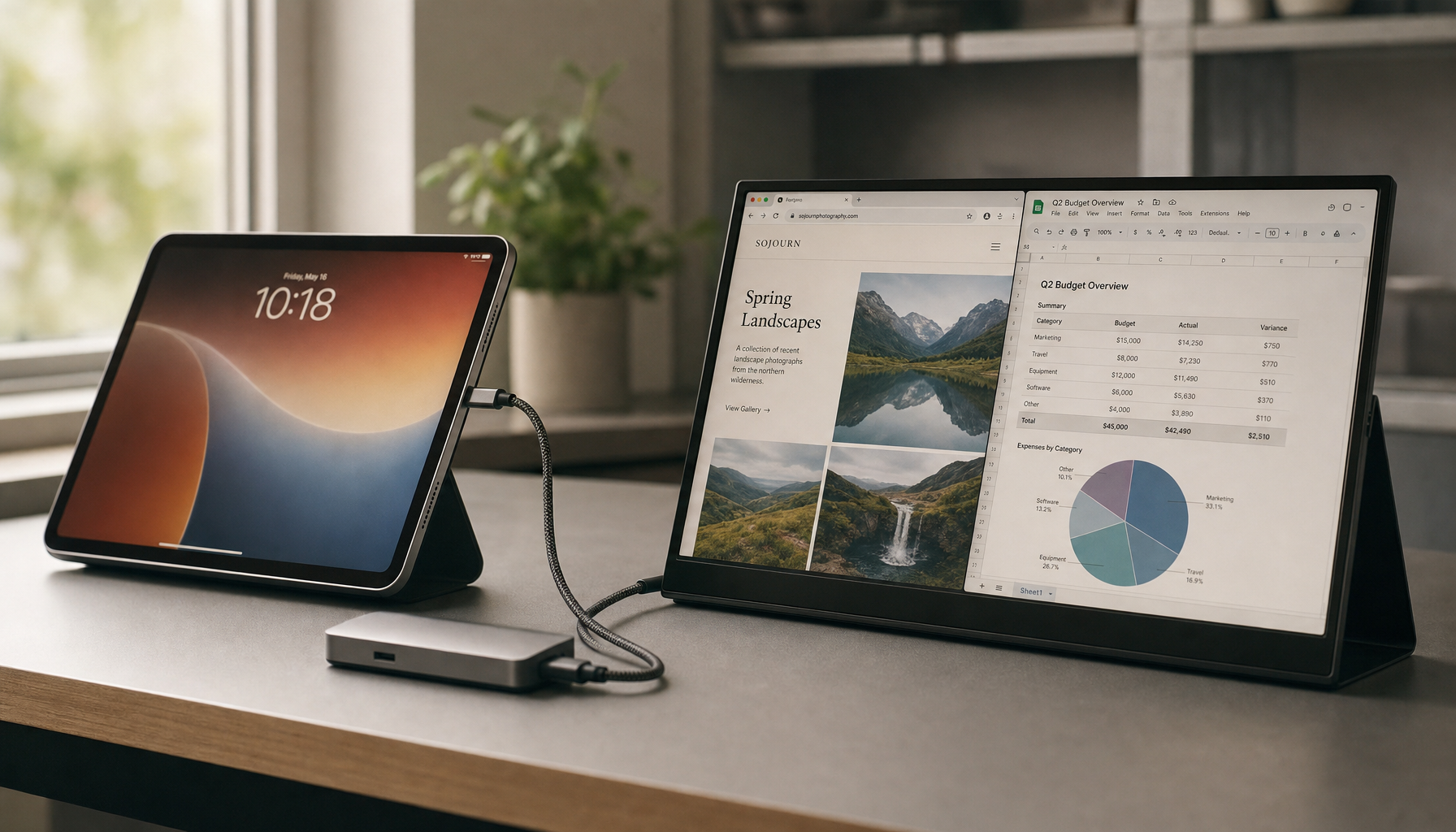
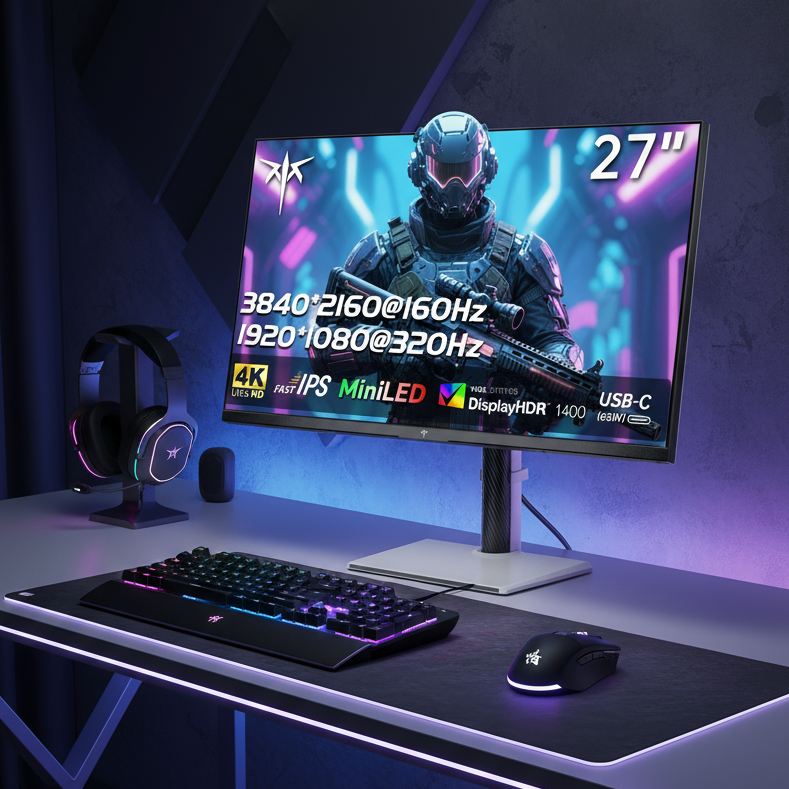
Cable management is not just cosmetic because tight power or video cables can keep the monitor tethered after the fasteners are loose. Disconnect the easy cables first, then trace any sleeve, clip, or zip-tied bundle back to the mount so nothing snags when the screen moves. A gaming display with HDMI, DisplayPort, USB upstream, and bias lighting can have more connections than it seems from the front, which is why labeling them before removal saves time and prevents stress on the ports.
Larger or heavier displays are safer with a second person, even when the mount itself looks simple. One person should support the monitor with both hands while the other loosens the fasteners that connect the display to the VESA plate or mount arm. In real setups, the dangerous moment is usually the last unsupported shift, not the first turn of the screwdriver, so the screen should never hang from the last screw while you search for the right bit.

Most wall mounts are installed in stages, so the cleanest removal is to unload the system in reverse. In plain terms, the monitor comes off first, the arm or bracket comes off second, and the wall plate comes off last. This order matters because once the screen is safely down, the wall hardware carries far less risk for both the panel and the person holding it.
Shared Rooms Need Extra Care
Part of a larger room system is how many teaching spaces treat a wall-mounted display, not as a standalone screen. A conference-room monitor may share its wall with a touch panel, camera, recording setup, or in-room computer, so removal can affect more than the display if you assume every cable is optional.
HDMI, USB-C, USB, and legacy VGA connections can all be part of one display position, so labeling them before unplugging is worth the minute it takes. That is especially true if you plan to remount the same screen later or hand the space back to facilities staff without creating a long troubleshooting session.
Know When DIY Stops Being the Smart Play
Wall-mounted displays are not safe on every wall, and uncertainty is the real red flag. If you cannot confirm the wall type, fastener type, or whether the monitor is actually VESA-mounted without an adapter, the downside is not just a crooked reinstall. The real risk is a cracked screen, torn drywall, or a mount that rips loose as the last screw comes out.
Professional help is often the better value when the display is large, the wall is questionable, or the installation is unusually high. DIY removal works well when the setup is visible, well supported, and lightly loaded. It becomes a poor bargain when you are dealing with a heavy ultrawide, old anchors in crumbly drywall, or a shared workspace where any wall damage turns into a repair bill.
If You Are Repositioning, Not Retiring
A healthy monitor position is usually 18 to 24 inches away, with the top at eye level, so removal is a good time to correct a bad mount rather than recreate it. If the old screen sat too high, too far away, or directly across from a window, note those problems before you patch or drill again. The cleanest setup is not only the one that looks good on the wall. It is the one that lets you game, work, or present without fighting glare and neck strain.
A safe removal feels controlled from beginning to end: the monitor is supported before any screws move, the wall plate is the last piece to come off, and every step respects the wall behind it. That is how you protect both the screen you paid for and the surface you still have to live with.