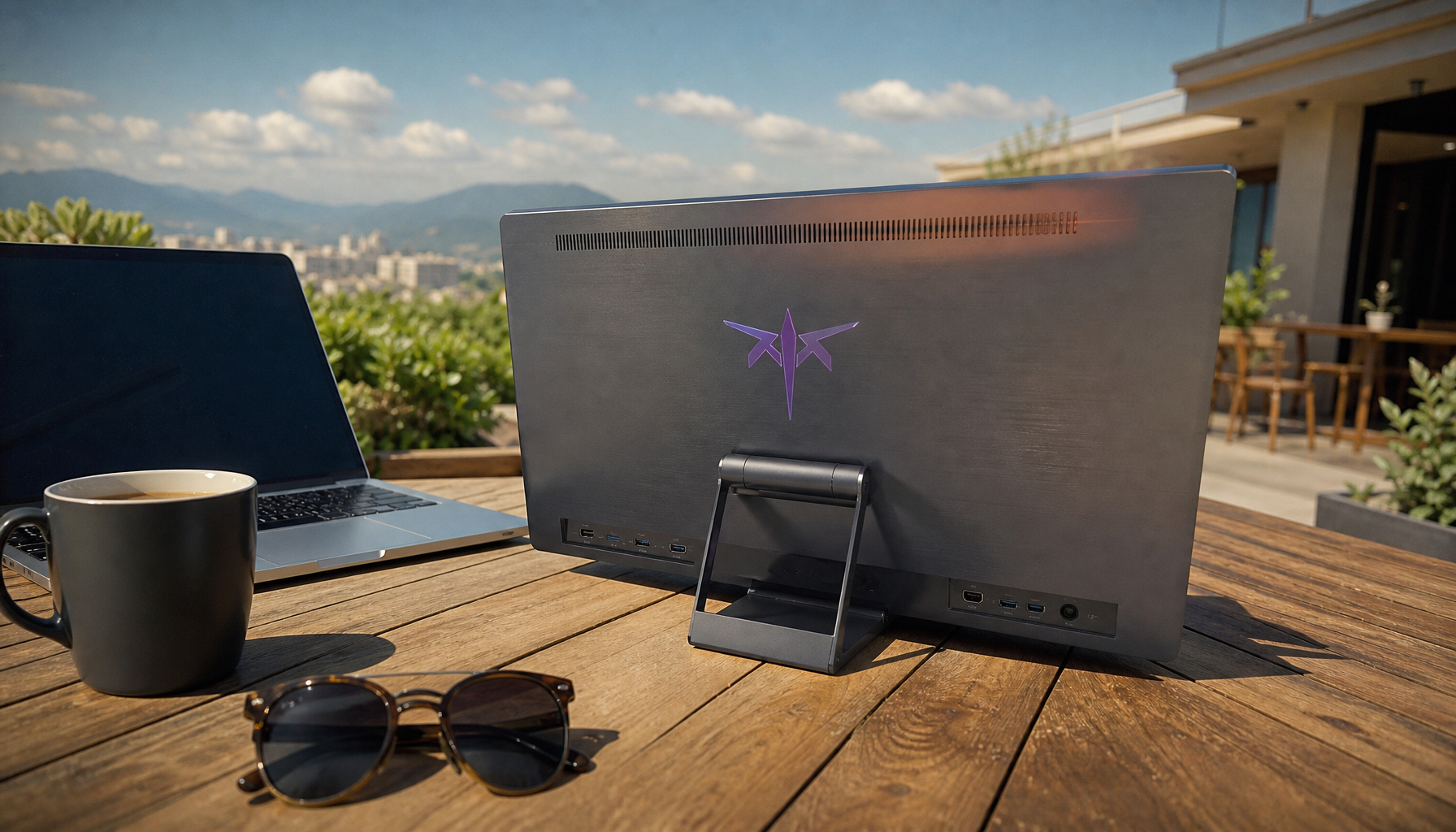
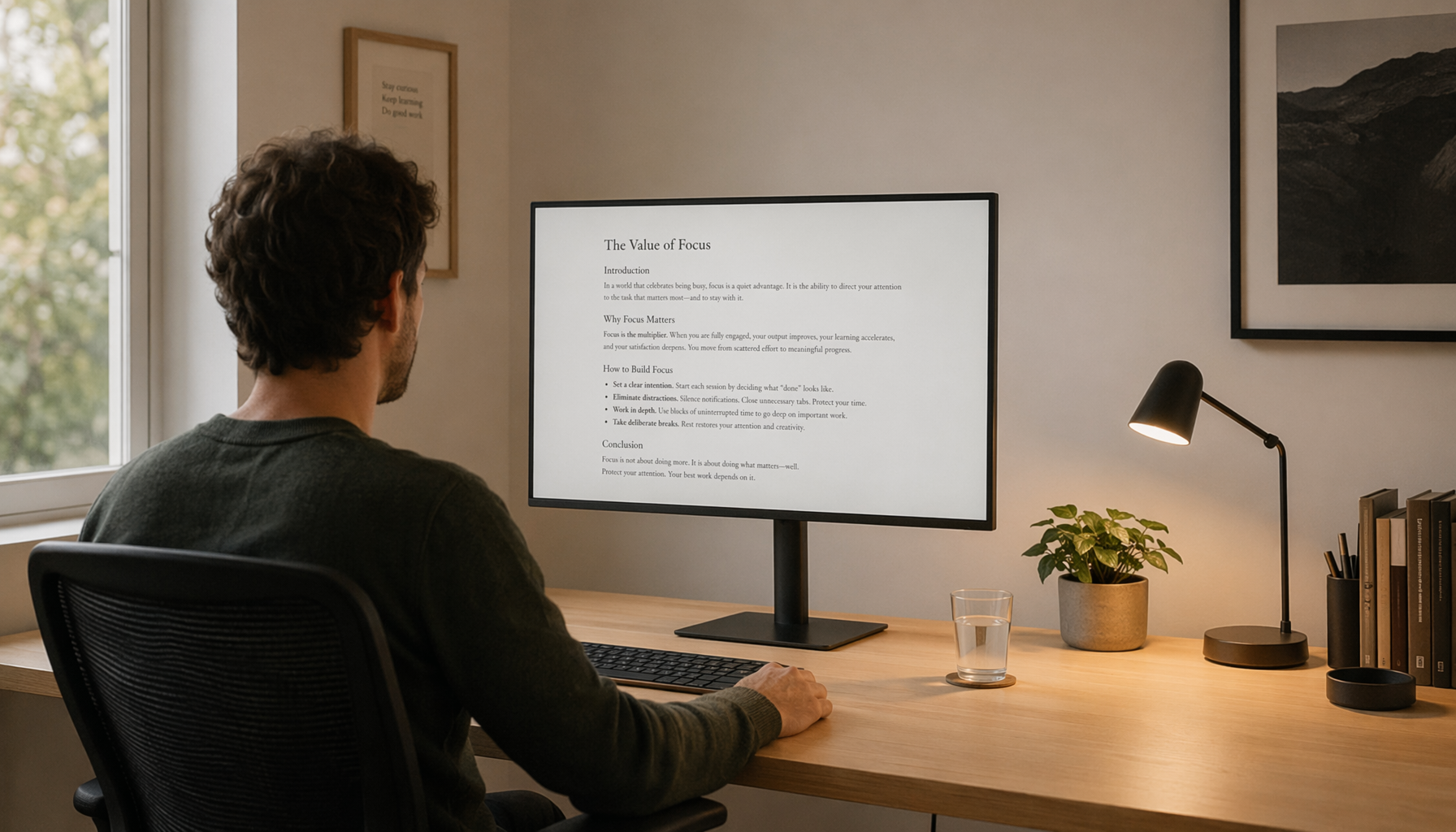
A rolling smart display as Matter hub works well as a mobile command screen when you verify support first and keep expectations realistic. The setup suits households that want one screen to move between rooms for lighting, scenes, and quick checks.

What Matters Before You Buy
Before you treat any rolling display as a smart-home hub, verify three things: the device's actual Matter status, the Wi-Fi setup you plan to use every day, and whether the apps you rely on can stay signed in cleanly. Matter certification is verification, not a marketing synonym for "smart," so check the product record or vendor documentation rather than assuming that Android, Google Play, or EDLA automatically means hub behavior. If you want a broad place to compare mobile screens while you narrow the fit, the Mobile Touch Screen collection is a practical navigation starting point.
Verify Matter Support
Matter support should be checked as a separate question from the display's OS, battery, or touch features. CSA's own overview emphasizes interoperability, and Google's commissioning guidance makes device joining a defined step, which means the screen still needs the right home software path to control your devices. In plain terms: a display can be useful for control without being the thing that creates the Matter fabric. Home developers note that consistent Wi-Fi coverage across rooms is required for reliable controller behavior.
Check Wi-Fi Stability
For a mobile hub, the network matters more than the wheels. Google's commissioning flow assumes the device is properly connected before it joins the home, so use the Wi-Fi band and router setup that are most stable in the rooms where you will actually move the screen. If the home already has weak coverage in the kitchen or bedroom, fix that first or the "portable hub" experience will feel flaky fast.
Separate Apps From Control
It helps to separate entertainment features from smart-home control. A display with streaming apps and a good panel can be valuable, but that does not prove it will behave like a Matter controller for your lights, locks, and sensors. This is why the decision should start with compatibility checks, then move to convenience features after the control path is confirmed.
Where the Mobile Hub Fits
A rolling display fits best when the household wants the control screen to follow the task, not the other way around. That usually means evenings in the kitchen, late-night checks in the bedroom, or a quick move back to the living room when you want one panel for scenes, cameras, and calls. Google's Matter guidance and CSA's interoperability framing both point toward a setup where the value comes from connected control, but the usefulness still depends on your home network and the apps you choose.

For this use case, the KTC MEGAPAD 32" 4K rolling smart display as Matter hub candidate is a featured example because its 32-inch mobile form factor and built-in battery suit a room-to-room dashboard. The product facts show a 32-inch 4K touch display with wheels, 9500mAh battery, Android 13, Google EDLA, Wi-Fi 6, 8GB RAM, and 128GB storage, plus a 12-month product warranty; that makes it relevant as a mobile control screen, not proof of Matter certification or controller status. If your daily use is more about switching rooms than keeping a screen parked in one place, the mobility angle matters as much as the screen size.
Pick a Layout That Moves Well
The right layout depends on how often you will roll the screen and how much control detail you want on one view. A larger 32-inch display usually works better for device tiles, camera feeds, and dashboards with several rows, while a more compact format is easier to reposition if you move the screen constantly.
| Fit Factor | Better For | Why It Matters |
|---|---|---|
| 32-inch screen | Multi-panel dashboards | More room for scenes, cameras, and room-by-room controls |
| Smaller rolling screen | Frequent moves | Easier to reposition when the screen changes rooms often |
| Larger battery | Away-from-outlet use | Reduces dependence on a fixed charging spot |
| Wheels and stand | Shared spaces | Makes the screen practical for kitchen, living room, and bedroom use |
This is also where a mobile touch screen can feel different from a fixed wall tablet. A rolling unit works best when the household benefits from movement, but it becomes unnecessary clutter if the control screen never leaves one room. If your smart-home routine is mostly one location, a fixed setup may be simpler and cheaper.
Set Up Wi-Fi and Bridges
Once the screen is in the right room, the next step is to get the network path stable before you expand to multiple devices. The safest order is: connect the display to the right Wi-Fi network, sign in to the home app you actually use, then verify any Matter bridge or hub connection. Google's commissioning documentation makes clear that device joining is a defined process, so a one-device test is smarter than trying to add the whole house at once.
- Connect the display to the same home network you will use for daily control.
- Confirm the router band is stable in the rooms where the screen will travel.
- Sign in to the smart-home app and let it finish syncing rooms and devices.
- Verify any Matter bridge or third-party hub only after the display stays connected.
- Test one lamp, one sensor, or one scene before scaling to the rest of the home.
If the bridge step fails, do not assume the display is the problem. In many homes, the issue is account sync, poor Wi-Fi coverage, or a device that is not actually exposed through the bridge you expected. That is why network reliability should be treated as part of the product fit, not an afterthought.
Build the Daily Control Routine
The most useful routine is the one that saves steps without creating extra taps. For example, you might park the display near the kitchen during evening cleanup, use it for lights and locks, then roll it to the living room when the family shifts there for streaming or calls. That workflow is practical because it pairs the device's mobility with the fast actions that matter most in a busy home.
The Smart Display for Home Office and Lifestyle: Multi-Room Setup Guide is a natural next read if you want broader room-to-room placement ideas beyond smart-home control. Use the display for the tasks that genuinely benefit from one shared screen: scenes, camera previews, routines, and quick status checks. If the interface becomes too cluttered for everyone in the house to use comfortably, the setup is probably trying to do too much.
Keep Control Reliable Every Day
A mobile hub only feels smart when it stays predictable. If automations lag or tiles stop updating, start with Wi-Fi before you touch the app settings, because connectivity is the usual bottleneck in room-to-room use. After that, refresh sign-in, confirm the right rooms are still visible, and test wake behavior in the room where the screen spends the most time.
- Check Wi-Fi first when device states stop updating.
- Reconfirm app permissions and account sign-in if rooms disappear.
- Verify that the display wakes fast enough for your most common room.
- Update firmware and apps, then test in a small setup window before relying on the whole home.
This is also where battery behavior matters. A mobile screen can be fully capable and still feel inconvenient if it is always looking for a charger between room moves. The best routine is the one that leaves the screen ready where you need it, not where an outlet happens to be.
Choose Your First Setup Step
If you want to build this setup, start with verification rather than shopping. Confirm Matter support, Wi-Fi compatibility, and app access first; then choose the room where the screen will save the most steps, and test one device group before expanding. If you want a practical example to inspect after that checklist, the featured KTC MEGAPAD 32-inch model is the first model worth checking because its mobile design matches the workflow described here.
What If Certification Is Unclear?
If you cannot confirm Matter certification, treat the display as a smart control screen, not a guaranteed Matter hub. That boundary matters because verification and actual controller behavior are separate checks.
When Should You Choose Smaller?
Choose a smaller rolling display when you plan to move it frequently and do not need many tiles on one screen. The trade-off is less dashboard space, but easier repositioning can matter more in smaller homes.
What Should You Test First?
Test a single light or sensor before you add locks, cameras, and multi-room scenes. A small test exposes network or account issues without making the whole home feel unreliable.
Do Apps Change the Fit?
Yes, because app availability affects whether the display is just a screen or a genuinely useful control surface. A strong app ecosystem can improve daily usefulness even when the Matter path still needs separate verification.
Can One Screen Cover Every Room?
It can cover many rooms if your home routine is simple and your Wi-Fi is stable. It is less effective if each room has different control needs and the screen keeps getting moved just to keep up.
Related Resources
Compare additional rolling options that suit multi-room movement before finalizing your choice.
- KTC MEGAPAD 32" 4K Android 14 model for higher battery runtime
- KTC MEGAPAD 27" FHD model for lighter daily repositioning
- Fixing Smart Display Glitches: Troubleshooting Touch Screen Unresponsiveness
- The Display Challenge of Working from Different Rooms Throughout the Day
- Demystifying Google EDLA Certification on Smart Monitors: Security and Apps
- All Monitors
FAQs
Q1. Does every rolling display support Matter?
No. Always verify certification in the product documentation rather than assuming Android or EDLA features provide controller status.
Q2. How important is Wi-Fi coverage?
Critical. Stable router coverage in every room the screen will visit prevents lag and dropped device states.
Q3. Can I test before buying?
Yes. Confirm Matter support and app sign-in on your current network first, then evaluate mobility.
Q4. What if the bridge step fails?
Check account sync and Wi-Fi strength before assuming the display is at fault.
Q5. Is a smaller screen ever better?
Yes, when frequent moves matter more than dashboard space.