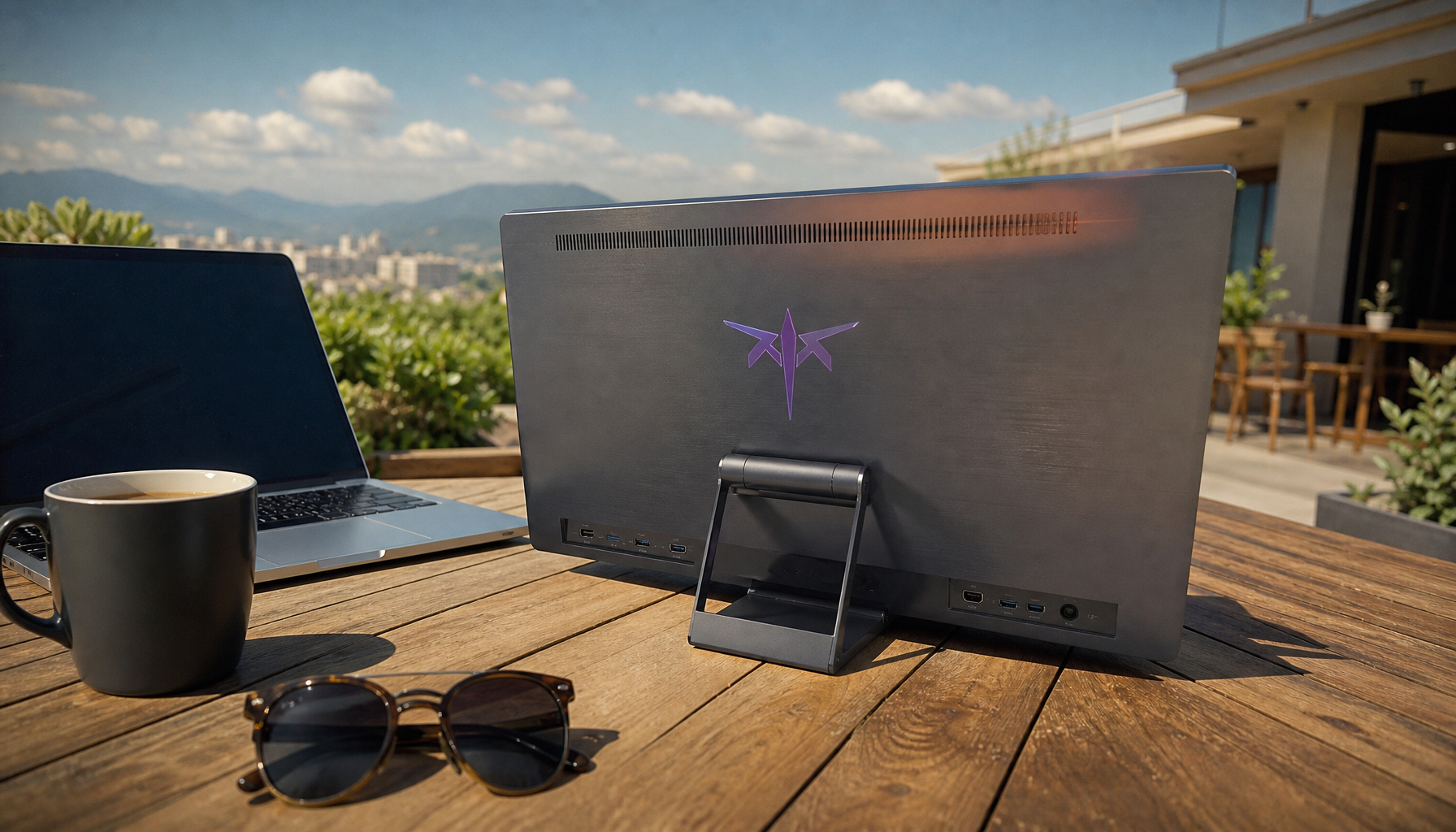
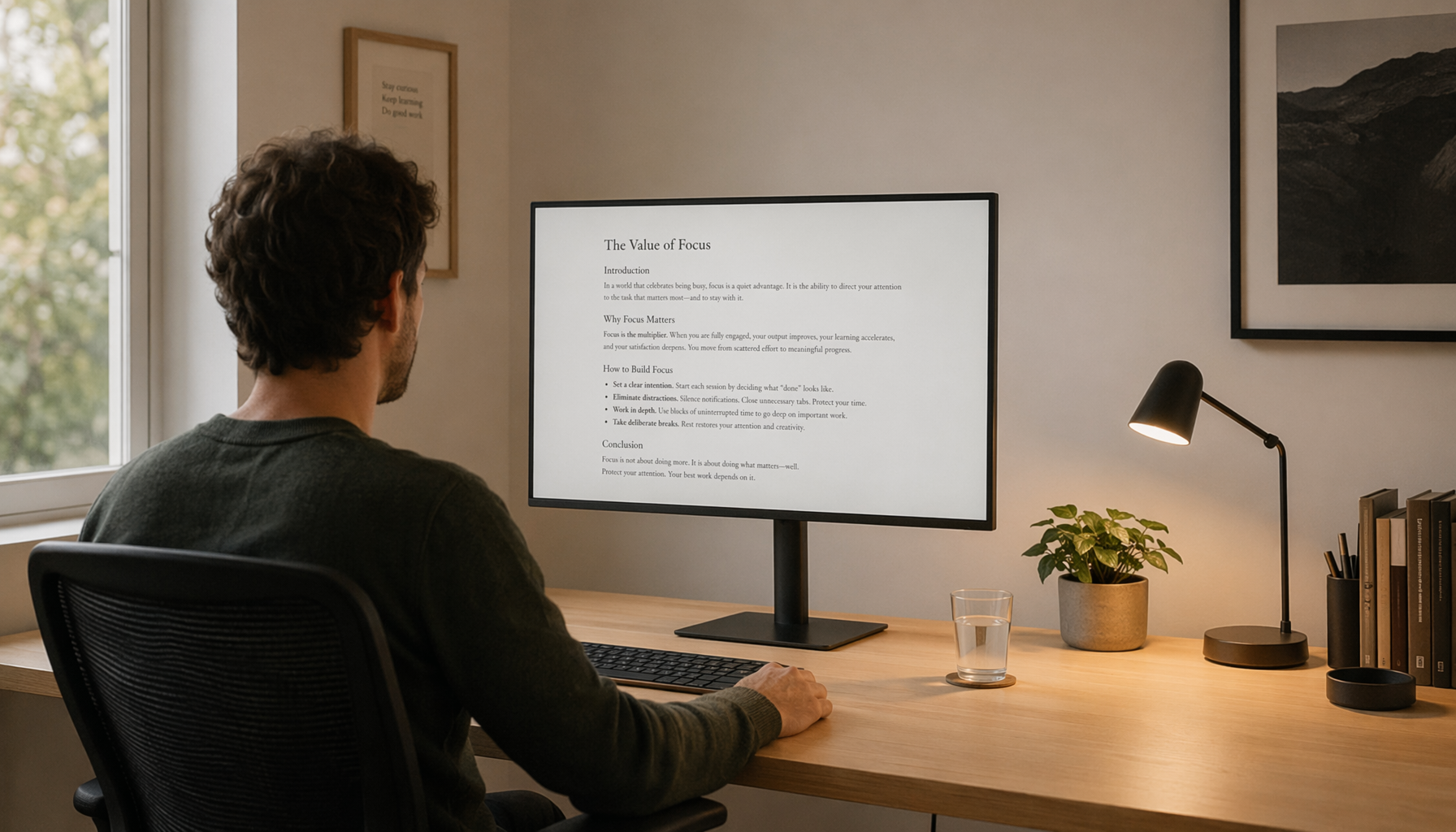
Yes, but it depends on your monitor and control stack. App switching is common, while ambient-light-triggered preset changes require built-in sensor logic, software or API support, or an external sensor automation setup.
Why Ambient Light Can Be a Better Trigger
Application switching assumes the same lighting every time you open a game, spreadsheet, or video editor. Real desks are messier: morning sun, overhead LEDs, blackout curtains, and late-night sessions can make the same preset feel too dim, too harsh, or washed out.
An ambient light sensor measures surrounding brightness so a device can respond automatically to changing illumination, often through a digital reading such as lux or sensor counts ambient light sensors. That makes it more context-aware than “launch game, enable FPS mode.”
For competitive play, this matters because dark-area visibility and glare control affect target recognition. For office work, it helps keep text comfortable without constantly opening the OSD.
What Monitors Can Do Today
Some monitors already use ambient light sensors for automatic brightness or color temperature, but full preset switching is less universal. In practice, many displays adjust brightness only, while gaming presets such as FPS, Racing, Movie, sRGB, or design modes remain manual or tied to control software.
That distinction matters. Display modes are often built around use cases such as FPS, Racing, RPG, Movie, and professional color work, where each mode changes image behavior like saturation, contrast, or clarity through display profiles. Ambient light automation would ideally choose between those modes based on room conditions, not only the app in focus.
A realistic setup might raise brightness and use anti-glare-friendly contrast during bright daylight, lower brightness and warm the color temperature in a dim room, lock sRGB or Display P3 for color work, and use lower brightness with less aggressive sharpness for movie night.
The nuance is that many monitors advertise “auto brightness,” but that does not always mean they can automatically switch full picture presets.
How to Build an Ambient-Light Preset Workflow
If your monitor supports a built-in ambient light sensor, start there. Look for terms like ambient light sensor, auto brightness, adaptive brightness, brightness intelligence, adaptive color, or light effect in the product specs and OSD.
If the monitor lacks sensor-based preset switching, you can use an external sensor. A small lux sensor can feed readings to a PC or microcontroller; one example shows a VEML7700 sensor providing precise 16-bit readings over I2C, where lux readings drive a visible brightness response.

A practical workflow is to define lux bands such as dark, normal, bright, and glare-prone, then map each band to brightness, contrast, color temperature, and preset. Add hysteresis so presets do not flicker during passing clouds, keep manual overrides for color grading, HDR games, and presentations, and log readings for a week before locking thresholds.
Sensor placement is critical. A sensor aimed at a window may over-dim the display, while one hidden under a monitor shelf may under-react; even signage systems rely on accurate placement so automatic brightness matches real viewing conditions from the surrounding light.

Best Use Cases and Watchouts
Ambient-light-triggered presets make the most sense for mixed-use displays: gaming after work, spreadsheets by day, streaming at night, or portable smart screens used in changing rooms. It is especially useful when your display sits near windows or shared lighting.
For esports, keep automation conservative. You do not want a ranked match disrupted by a sudden profile swap. Use ambient light to adjust brightness or black level gradually, while keeping refresh rate, overdrive, and adaptive sync fixed.
For productivity, sensor logic can reduce fatigue by lowering brightness in dim rooms and increasing readability during daylight. Ambient sensors are widely used because connected systems can respond dynamically to environmental conditions, improving comfort and efficiency through environmental data.
Privacy is also worth noting. Research has shown that smart-device ambient light sensors can expose unexpected imaging-related risks, so sensor data should stay local when possible and avoid unnecessary cloud logging through ambient light sensors.
Bottom Line
Ambient-light-based preset changes are technically possible and often smarter than app-only switching, but support varies by monitor. The most reliable approach is a hybrid: use app switching for intent, ambient light for brightness and comfort, and manual locks for competitive gaming or color-critical work.