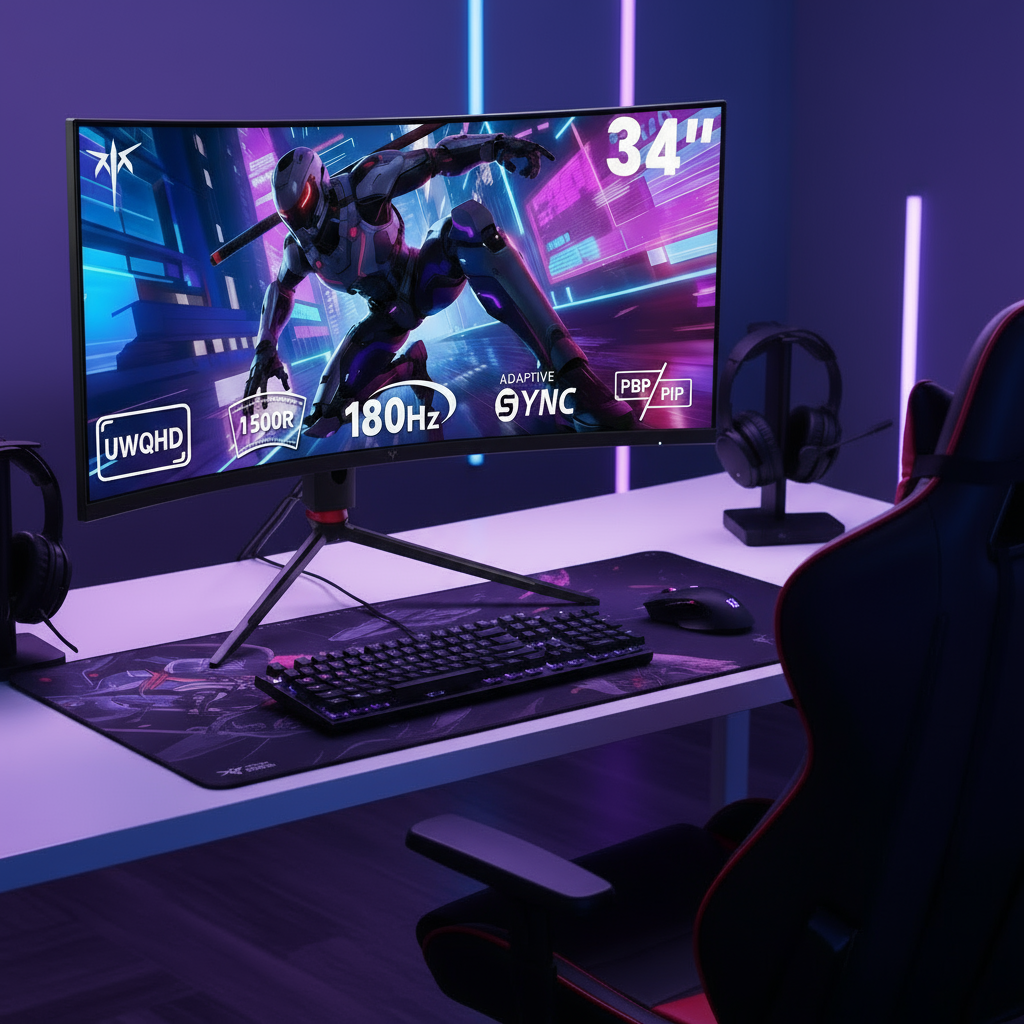




USB-C display flicker usually happens when the video link is barely stable: the cable, port, dock, power delivery, refresh rate, or driver stack cannot consistently hold the bandwidth and handshake the monitor expects.
USB-C Is a Shape, Not a Promise
Two USB-C cables can look identical and behave completely differently. For monitor use, the connection needs video-capable wiring and protocol support, because DisplayPort Alternate Mode is what lets many USB-C ports carry display signals.

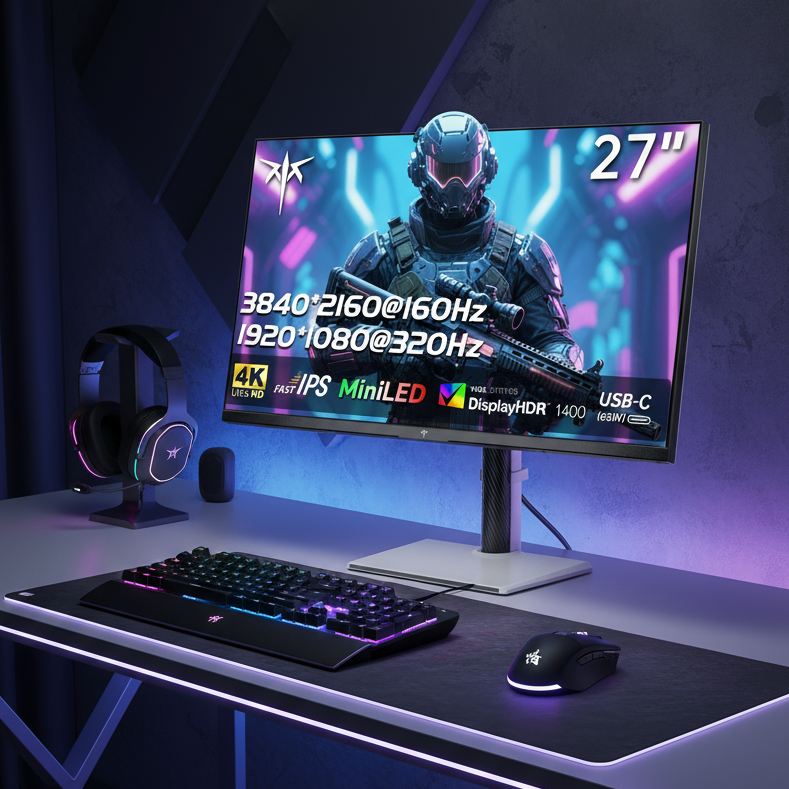
That matters for high-performance screens. A basic charging cable may power a laptop but fail at 4K, high refresh rates, or HDR because it was never built for that signal load.
The same applies to ports. One USB-C port on a laptop may support charging and data but not video output, while another port on the same machine may support display or a higher-speed connection standard.
Bandwidth Pressure Can Break the Picture
Flicker often appears when the setup pushes too much through one cable: video, charging, USB hub traffic, Ethernet, audio, and peripherals. A USB-C monitor can be a clean one-cable workstation, but only when the laptop, monitor, and cable all support the needed video, power, and data functions.
A practical example is 4K at 60 Hz, which is far more demanding than 1080p at 60 Hz. Add a monitor hub, webcam, external drive, and laptop charging, and the link may become unstable if the cable or port is only marginally capable.

This is why lowering refresh rate or resolution can reduce flicker. It cuts the video bandwidth load, giving the USB-C link more stability margin.
Power Delivery and Hubs Add Another Failure Point
USB-C Power Delivery is convenient, but it is another negotiation happening over the same physical connection. If a monitor supplies less power than the laptop needs under load, the system may keep working while becoming less stable during brightness spikes, GPU load, or sleep-wake events.
Hubs and docks can also introduce flicker, no-signal events, and random disconnects. Common causes include unsupported resolutions, weak cables, outdated graphics drivers, low power, or overloaded peripherals connected through the same adapter, especially when using a multiport USB-C hub adapter.
- Use a certified video-capable USB-C cable rated for your display mode.
- Test without the dock or monitor hub.
- Lower refresh rate before lowering resolution.
- Disconnect high-power peripherals.
- Update graphics, USB-C, dock, and monitor firmware.
Ports, Dirt, Drivers, and Sleep States Matter
Sometimes the issue is not raw bandwidth. A worn or dirty USB-C port can create a weak physical connection, and even small debris can prevent the plug from seating cleanly. Cleaning should be careful: power off first, avoid metal tools, and use short air bursts if debris is visible in the USB-C port.

Software can be just as real. Some systems have blackouts that look like display sync loss over USB-C, while others can fail after sleep, driver updates, or dock profile changes. If another display input works but USB-C drops, that points toward the USB-C display path rather than the monitor panel.
If the same cable and monitor work perfectly on another laptop, the most likely culprit is the original laptop’s port capability, firmware, driver stack, or power behavior.
The Reliable Fix Is Systematic Isolation
Start with the highest-value test: connect the monitor directly to the laptop with a known video-rated USB-C cable. If that works, add the dock, hub devices, charging, and higher refresh settings back one at a time.

For gaming monitors and productivity displays, buy for the actual target mode, not the connector. A 4K high-refresh panel, portable smart screen, or USB-C docking monitor deserves a cable and port spec that clearly supports the resolution, refresh rate, power draw, and peripherals you expect to run every day.