



Your monitor is usually stuck at 60Hz because the operating system, GPU driver, active resolution, or cable and port chain is only exposing a 60Hz display mode. A 144Hz panel needs every link in the setup to support the target refresh rate, not just the number on the box.
Check the Refresh Rate First
Start with the setting the operating system actually uses. Refresh rate is how many times per second the display updates its image, and higher rates can make motion feel cleaner, faster, and more connected during gaming or fast scrolling, as described in this display refresh rate walkthrough.
Open display settings, go to the advanced display options, select the correct monitor, and choose 144Hz, 165Hz, 240Hz, or the highest stable option available.

If you use multiple displays, make sure you are editing the gaming monitor, not a secondary office screen. Extended desktops can have separate settings for each display, including resolution and refresh rate, which is easy to miss in a multi-monitor setup.
Check the Basic Display Settings
Use these steps before changing hardware:
- Select the exact monitor under advanced display settings.
- Confirm the desktop resolution matches the monitor’s native resolution.
- Try the GPU control panel if the system only shows 60Hz.
- Restart after changing drivers or cable inputs.
Your Cable or Port May Be the Bottleneck
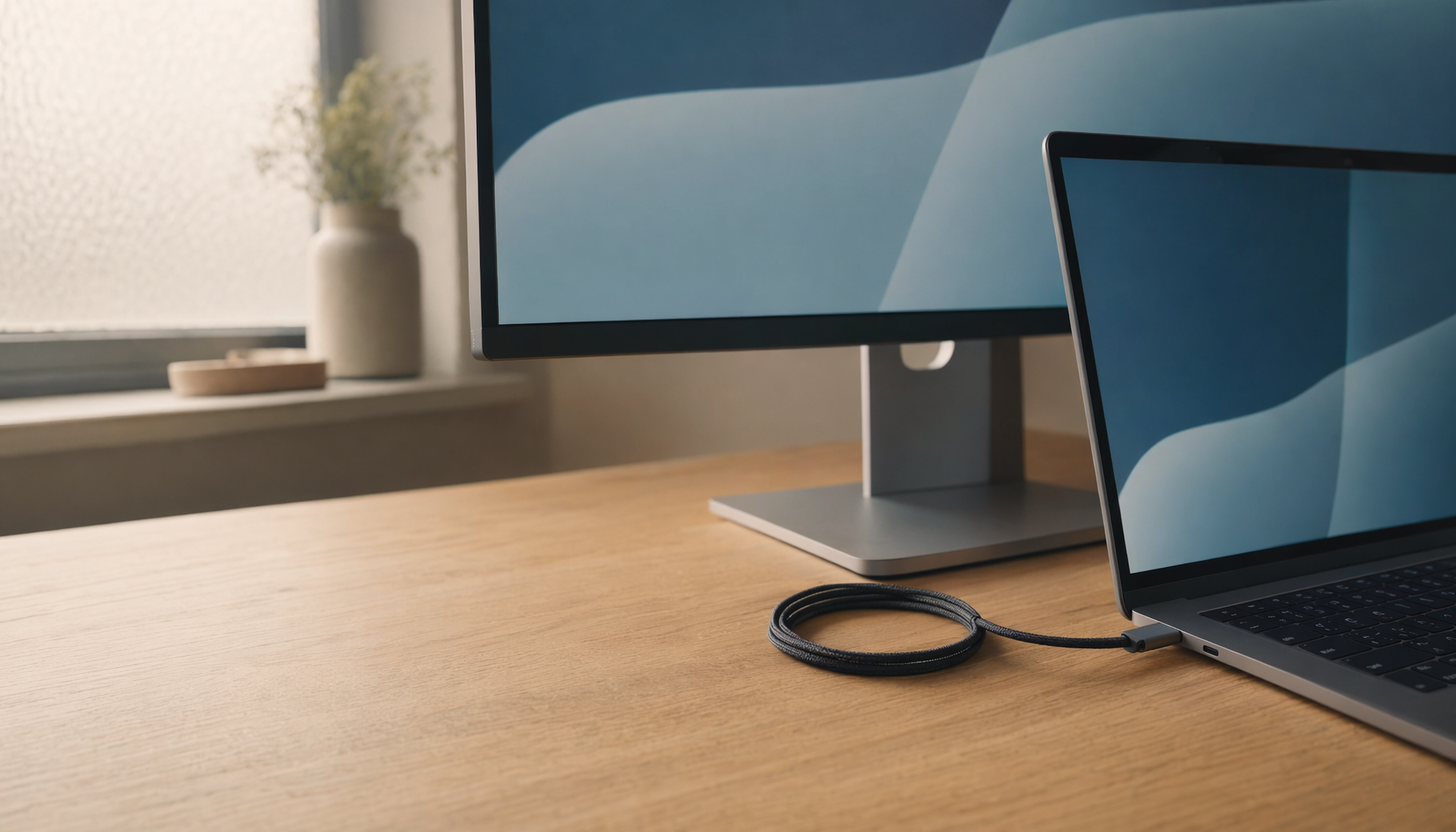
A high-refresh monitor can still run like a basic display if it is connected through the wrong input. For many 144Hz and higher setups, DisplayPort is the most reliable path, especially at 1440p or ultrawide resolutions.
HDMI support varies by monitor model, port version, GPU output, and cable rating. A monitor may support 144Hz over DisplayPort but only 60Hz over a specific HDMI input. That is usually a bandwidth or firmware limit, not a display settings failure.
Check the monitor’s on-screen menu too. Some displays reserve maximum refresh rate for one port, require an overclock mode, or need DisplayPort 1.2 or 1.4 enabled manually.
If you are unsure, use the included DisplayPort cable, connect directly to the graphics card, and avoid docks, adapters, KVM switches, and HDMI-to-DisplayPort converters until 144Hz appears.

Drivers, GPU Control Panels, and Resolution Modes Matter
If the correct refresh rate is missing, update your graphics driver from the GPU maker’s official software. Old or generic drivers can fail to expose the monitor’s full EDID data, which is the information the operating system uses to identify supported modes.
Open the GPU control panel and look for resolution and refresh-rate controls. Some systems list PC resolutions separately from TV-style resolutions; choosing the wrong category can leave you capped at 60Hz.

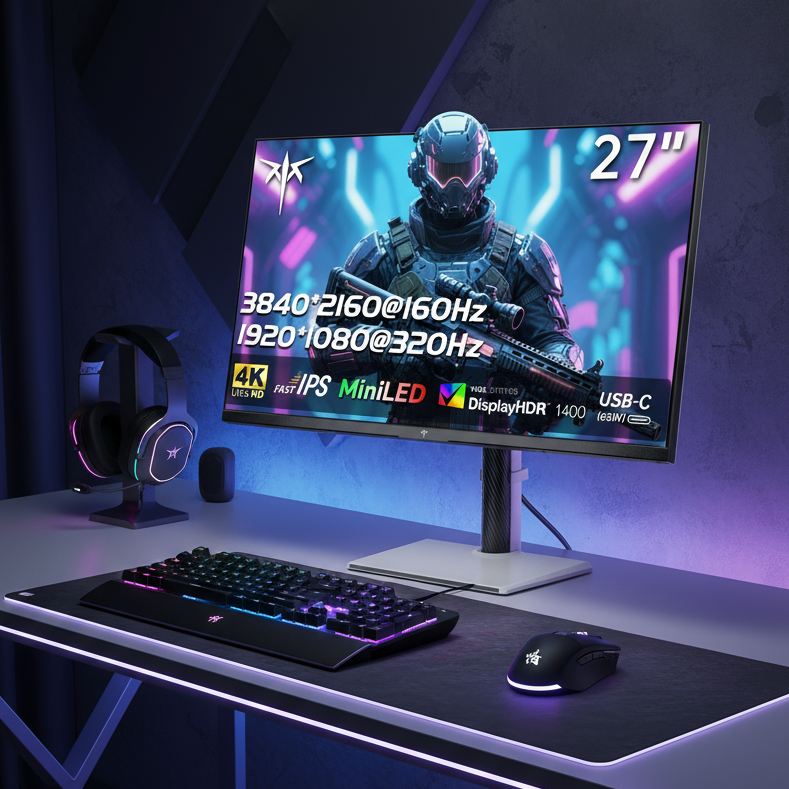
Resolution is another common trap. A monitor might support 144Hz at 1080p but only 60Hz at 4K, or 165Hz only with DisplayPort. Lower the resolution temporarily; if 144Hz appears, your cable, port, or GPU output is the constraint.
Smoothness also depends on frame rate because a 144Hz screen feels best when the PC can produce enough frames to feed it.
Don’t Ignore Comfort and Real-World Use
For gaming, 144Hz or higher can improve tracking, aim correction, and camera movement. For office work, the upgrade is subtler but still noticeable in scrolling, cursor movement, and window dragging.

Display comfort is personal. Better monitor settings can reduce visual discomfort, and workplace ergonomics research also points to screen setup as part of managing visual discomfort. If 240Hz is unstable but 144Hz is flawless, the reliable setting is usually the better daily choice.
LCD motion is more complex than the Hz number alone. Panel response behavior, blur reduction, and sample-and-hold motion affect perceived clarity, which is why panel response behavior can feel different even at the same refresh rate.
Fast Fix Checklist
Use this order before blaming the monitor:
- Set the refresh rate in advanced display settings.
- Use DisplayPort or a certified high-bandwidth HDMI cable.
- Plug into the dedicated GPU, not the motherboard.
- Update GPU drivers and check the GPU control panel.
- Match native resolution with the monitor’s rated refresh mode.
If 144Hz still does not appear, test another cable and another GPU port. When the refresh option appears after a cable or port swap, the monitor was never the limiting factor; the signal path was.