



Some KVM switches drop USB devices because switching forces the computer, KVM, and peripherals to renegotiate power, identity, bandwidth, and sometimes drivers. When that handshake fails, your operating system may treat your keyboard, mouse, webcam, drive, or headset as if it were unplugged.
USB Switching Depends on Enumeration
Every time a KVM changes hosts, the active computer may need to re-detect the USB device chain. A basic wired keyboard usually survives this cleanly, but gaming keyboards, wireless receivers, webcams, audio interfaces, and external drives can behave less predictably.
That is why a setup can work for months, then start dropping devices after operating system updates or driver changes. In one real-world case, users restored keyboard and mouse detection by fully depowering the KVM, reconnecting USB first, and letting the computers load generic USB drivers before reconnecting displays in a keyboard and mouse detection case.
For high-performance monitor desks, this matters because USB failure often looks like a display problem. The screen switches, but the mouse freezes, the keyboard hotkey stops responding, or a USB DAC vanishes.

HID Ports Are Not Universal USB Ports
Many KVMs have special HID ports for keyboards and mice. These ports are optimized for low-level hotkeys and broad compatibility, not for every USB device.
A webcam, storage drive, RGB keyboard, wireless combo receiver, or hub may not behave like a simple HID device. If your KVM has separate USB 3.0 ports, move demanding devices there and reserve HID ports for a basic keyboard and mouse.
A practical troubleshooting checklist from a technical community notes that some peripherals fail in HID ports and should be moved to blue USB 3.0 ports when available in a peripheral port troubleshooting checklist.
For a stable port layout, use the HID keyboard port for hotkeys, the HID mouse port for a basic mouse, and USB 3.0 peripheral ports for webcams, capture devices, headsets, and external drives. Connect a USB hub only if needed, and use a powered hub when the attached devices draw more power.

Power, Cable Quality, and Hubs Add Failure Points
A KVM sits between every device and every computer, so weak power or marginal cables can become the hidden bottleneck. If a USB device browns out during switching, the host may not re-enumerate it until you unplug and reconnect it.
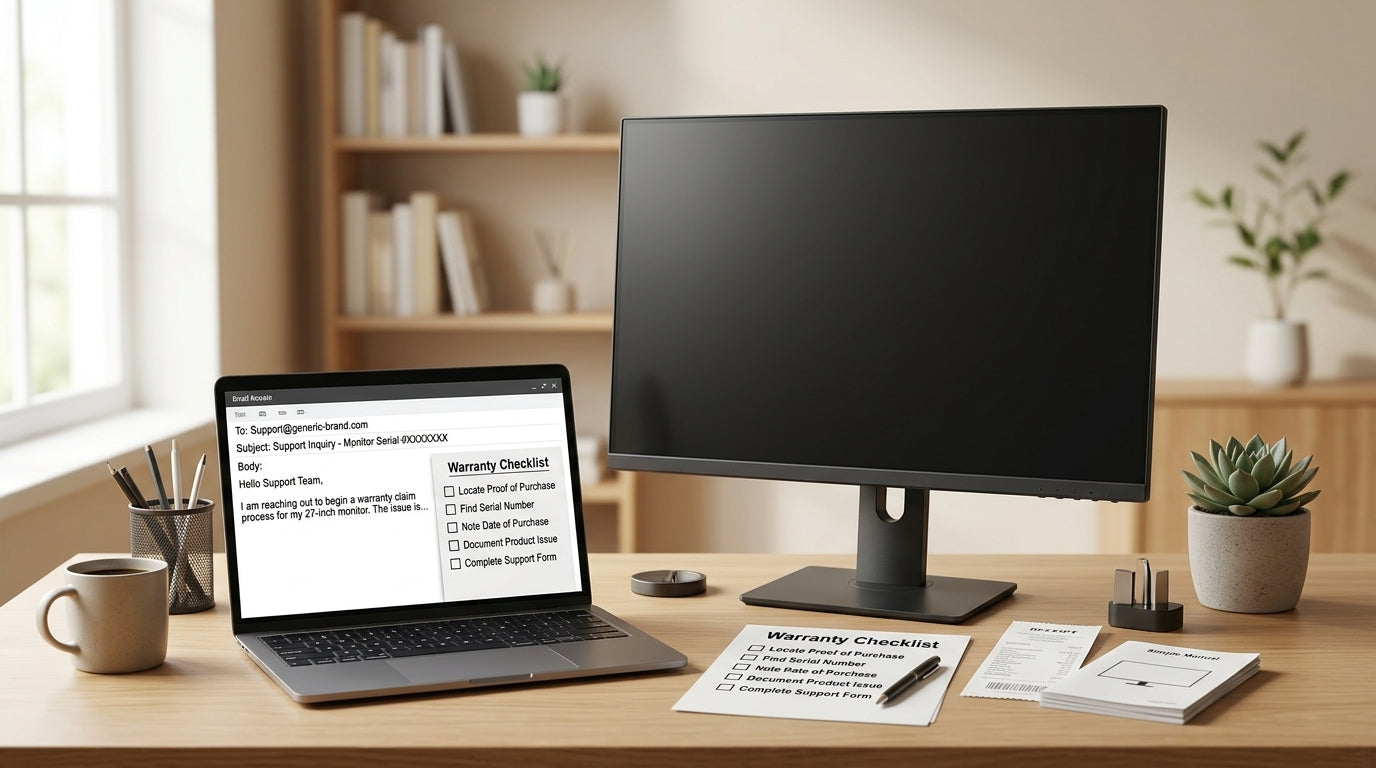
Cable planning matters too. A dual-monitor HDMI KVM, for example, may require separate video cables plus one USB A-B cable per computer, so every host needs the right matched path for both display and USB control, as shown in a matched display and USB path.

USB hubs are convenient, but they multiply the chain. If one KVM port feeds a hub, and that hub feeds a webcam, headset, keyboard, and drive, the port must carry shared power, shared bandwidth, and multiple device identities through one switching event.
A powered hub can help with power-hungry devices, but it can also make detection less reliable if the KVM’s USB controller does not handle hub chaining well.
How to Fix Replug-After-Switch Problems
Start with isolation, not guesswork. Connect the problem device directly to the computer first. If it fails there, the KVM is not the root cause. If it works directly but fails through the KVM, focus on ports, cables, firmware, and power.

A clean reset is often worth doing before replacing hardware. Fully power off connected systems, unplug the KVM and peripherals, wait briefly, then reconnect them in the manufacturer’s intended order. General KVM troubleshooting often starts with power, source selection, cable seating, and direct host-to-display or host-to-device testing in power and cable checks.
Best fixes to try:
- Use shorter, higher-quality USB and video cables.
- Put the keyboard and mouse in HID ports only.
- Move webcams, drives, and headsets to USB 3.0 ports.
- Avoid hubs until the setup is stable.
- Update chipset, USB controller, GPU, and KVM firmware when available.
Choose the KVM for the Desk You Actually Run
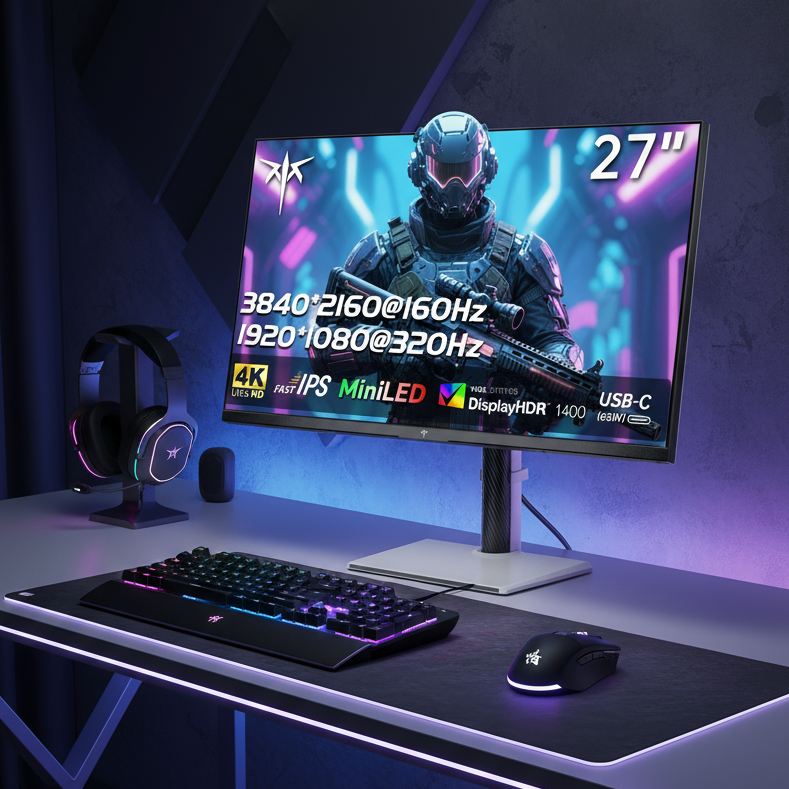
A budget KVM may be fine for two office laptops at 1080p and a wired keyboard. It is a different job to switch a 4K high-refresh display, gaming mouse, webcam, USB audio, and external storage without dropouts.
Before buying, count computers, monitors, USB devices, refresh-rate targets, and switching style. Mainstream KVMs often differ less by the word “KVM” and more by port bandwidth, USB behavior, cable design, and whether they truly match your monitor’s native mode, a point reflected in port bandwidth and USB behavior.
For reliable immersion and productivity, prioritize stable USB handling as much as video specs. A KVM that keeps your keyboard alive, webcam detected, and 144 Hz display locked is worth more than one that only looks good on the spec sheet.