Some wireless display adapters can transmit or output 4K signals, and a smaller subset targets 4K at 60 Hz. Artifact-free 4K 60 Hz is harder to guarantee because most consumer adapters still depend on compression, radio stability, and device compatibility.
4K 60 Hz Is Possible, but Not Always Pure
Wireless display standards have matured. Some peer-to-peer wireless display systems can support display formats up to 4096 x 2160 at 24 to 60 frames per second in compatible implementations, according to their supported display formats.
That does not mean every dongle delivers clean 4K 60 Hz from every laptop, phone, or tablet. The adapter, source device, Wi-Fi chipset, graphics driver, display, and content protection all need to cooperate.
Many “4K” adapters are also vague about refresh rate. A product may accept a 4K stream, output a 4K signal, or upscale to 4K while still running more smoothly at 1080p 60 Hz than at true 4K 60 Hz.
Why Compression Artifacts Still Happen
Wireless video has to fit a demanding stream into a changing radio environment. A clean 4K 60 Hz image contains far more visual data than 1080p, so most adapters compress the video before transmission.
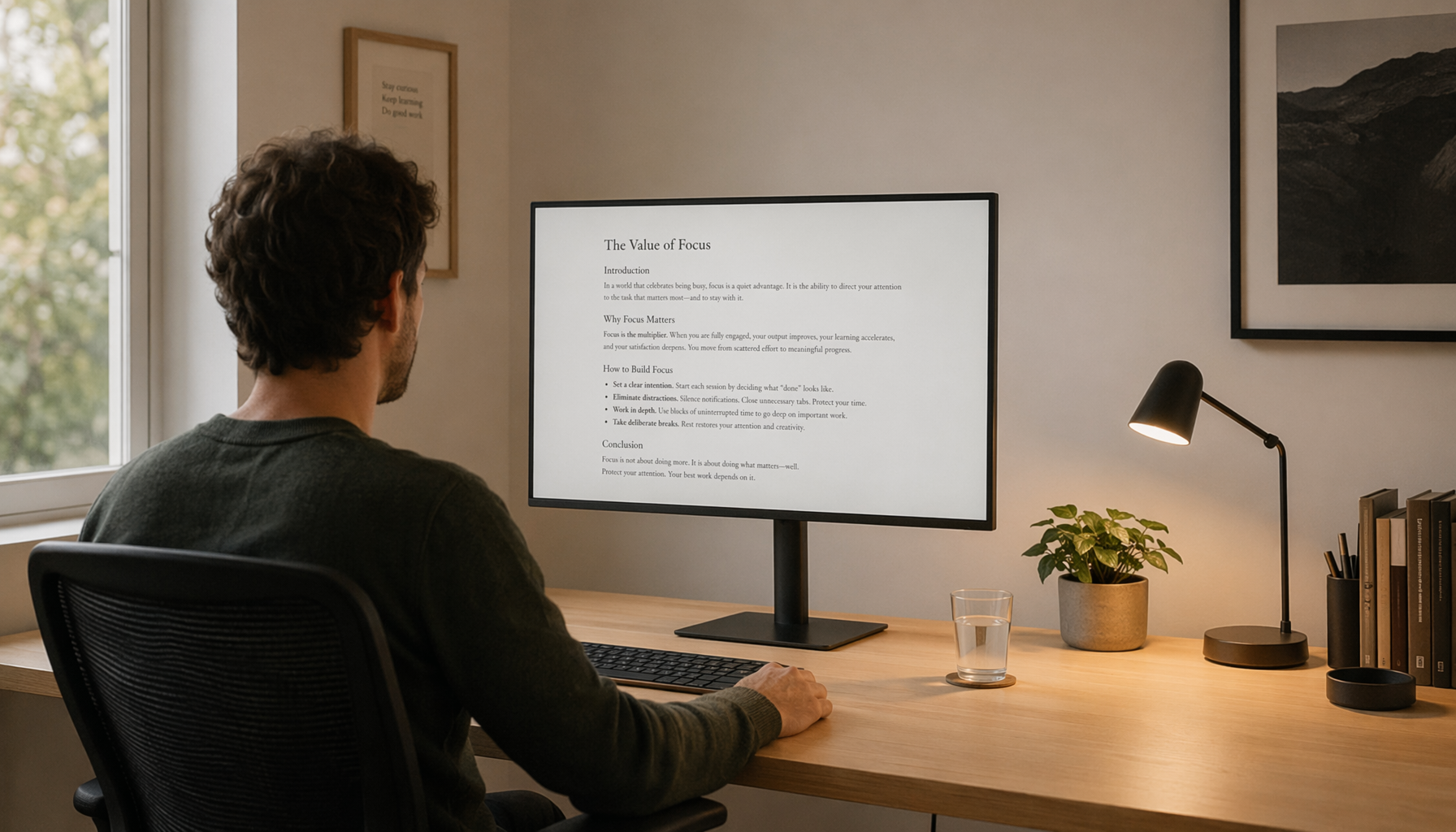
Artifacts usually show up as soft text, blocky gradients, noisy dark scenes, color banding, or momentary pixelation. For movies, that may be acceptable. For spreadsheets, design work, esports HUDs, or small UI text, it is much easier to notice.

Troubleshooting pages for wireless display quality often group blur, fuzziness, and lag together as real-world symptoms of degraded Wi-Fi display performance, not just display-panel problems; these issues are commonly discussed around Wi-Fi display quality.
A reviewer may see sharp, smooth 4K in one room, while another user sees macroblocking in a crowded apartment because wireless video quality is environment-sensitive.
What Separates Good 4K Adapters From Weak Ones
A serious 4K wireless adapter needs more than a “4K” badge. Cross-platform support matters, especially in offices where different laptops, tablets, phones, and browser-based devices all appear in the same meeting room.
Some 4K HDMI wireless display adapters emphasize broad device support, making mixed-device environments a core use case.

For reliable 4K wireless display, prioritize:
- 5 GHz or better wireless support, not 2.4 GHz-only hardware.
- Clear 4K 60 Hz wording, not just “4K compatible.”
- A low-latency mode if gaming or cursor precision matters.
- Firmware update support from the manufacturer.
- External power support instead of relying only on weak TV USB ports.
Unstable power, crowded Wi-Fi, and distance are common causes of adapter lag, while 5 GHz generally offers faster and more stable performance.
Gaming, Office, and Smart Screen Reality Check
For competitive gaming monitors, wireless 4K 60 Hz is usually the wrong performance target. Even if the image looks good, added latency and compression can affect aim feel, frame pacing, and dark-scene clarity.
For office productivity displays, wireless adapters are more practical. Presentations, dashboards, web pages, video calls, and document sharing can work well, especially when the adapter is close to the source device and the room has clean Wi-Fi.

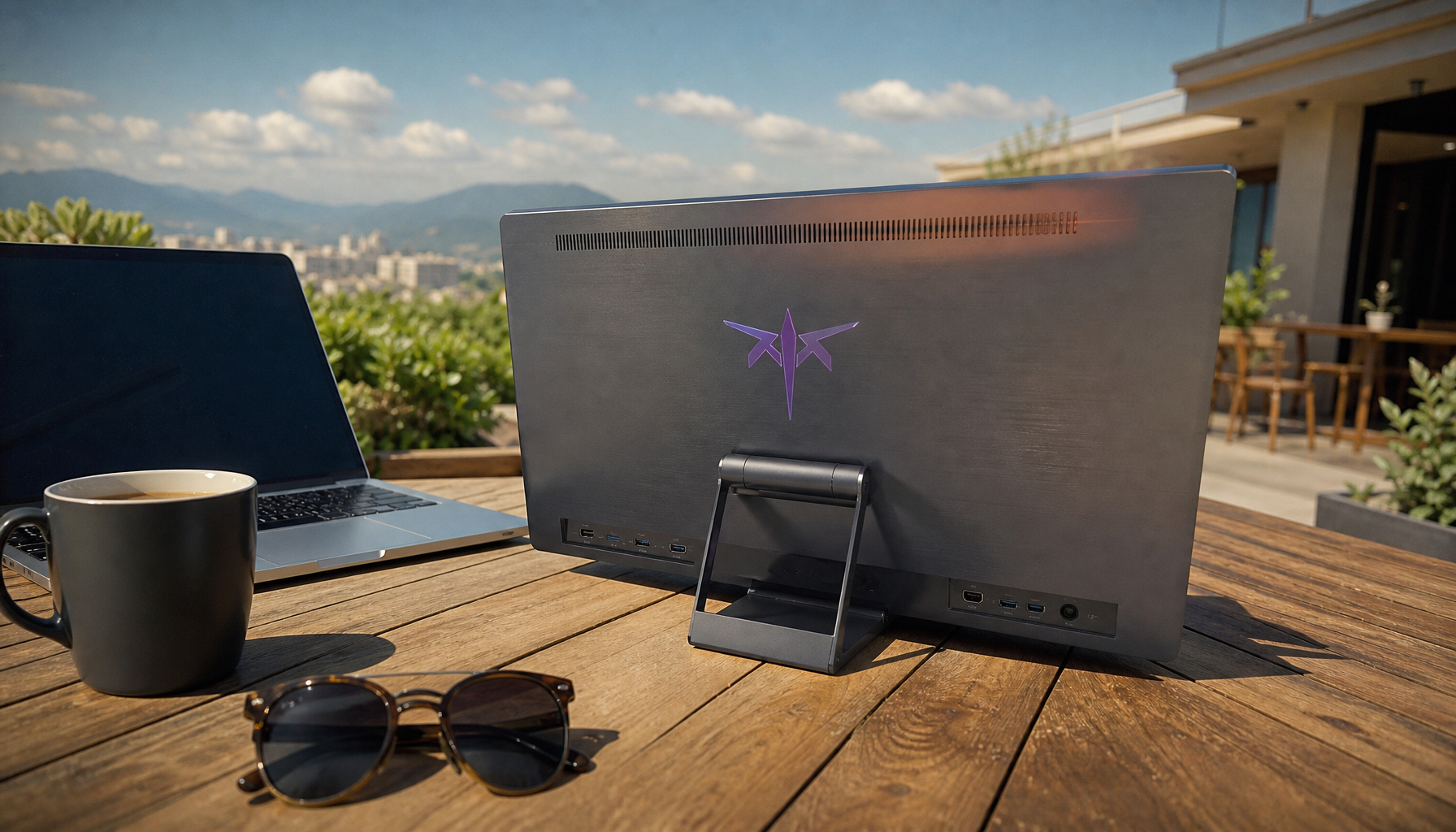
Portable smart screens sit in the middle. Wireless casting is useful for travel, quick collaboration, and cable-light setups, but creators and analysts should still keep USB-C, HDMI, or DisplayPort available when text sharpness and color consistency matter.
The Best Answer for Buyers
If you need guaranteed 4K 60 Hz with no visible compression artifacts, use a cable. HDMI 2.0, HDMI 2.1, USB-C DisplayPort Alt Mode, or DisplayPort will be more consistent than wireless.

Choose wireless when convenience, clean installation, and fast sharing are more valuable than perfect pixel integrity. A strong adapter can look impressive, and some hands-on reviews describe smooth 4K playback with vivid image quality from compact devices.
The practical rule is simple: wireless 4K 60 Hz can be good enough for media and meetings, but for artifact-sensitive gaming, design, trading, coding, or production work, wired display remains the performance standard.