Monitor colors can shift between display modes when an app, graphics driver, operating system, color profile, HDR setting, refresh mode, or monitor preset changes how the image is processed.
Does your game look rich and punchy in full screen, then washed out the moment you switch to a window? A mode-by-mode check can show whether the issue comes from operating system color handling, the graphics control panel, HDR, or the monitor’s own picture presets. Here is how to find the cause and get consistent color without sacrificing speed, clarity, or immersion.
Full Screen Can Bypass the Desktop Color Path
Windowed apps usually run through the desktop environment, which means the operating system, compositor, ICC profile, scaling, and color-managed apps all influence what you see. Full-screen applications, especially games, may take more direct control of the display output, which can change refresh rate, resolution, gamma behavior, HDR signaling, or the monitor’s selected mode.
That matters because color is not just what the panel can show. It is the final result of the content, the app, the graphics pipeline, the operating system, the cable connection, and the monitor’s internal processing. A calibrated desktop can still look different when a game launches in exclusive full-screen mode because the game may request a different output format or trigger a gaming preset.
The practical split is simple. Full-screen, windowed, and borderless modes behave differently for control, multitasking, latency, and compatibility. Borderless windowed often looks like full screen but behaves more like a desktop window, which is why it can preserve desktop color behavior better than exclusive full screen on some systems.
Full Screen, Windowed, and Borderless: What Changes Visually

Full-screen mode gives the application the strongest claim over the display. In gaming, that can improve focus, reduce distractions, and sometimes improve latency or compatibility with variable refresh rate, depending on the title and system. The downside is that the app may switch display settings behind the scenes, which can make whites warmer, shadows darker, or colors more saturated than the same scene in a window.
Windowed mode keeps the app inside the desktop. It is usually better for multitasking, screenshots, streaming tools, and multi-monitor workflows. The tradeoff is that the experience may feel less immersive, and some games may behave differently with HDR, variable refresh rate, or compositor overhead.
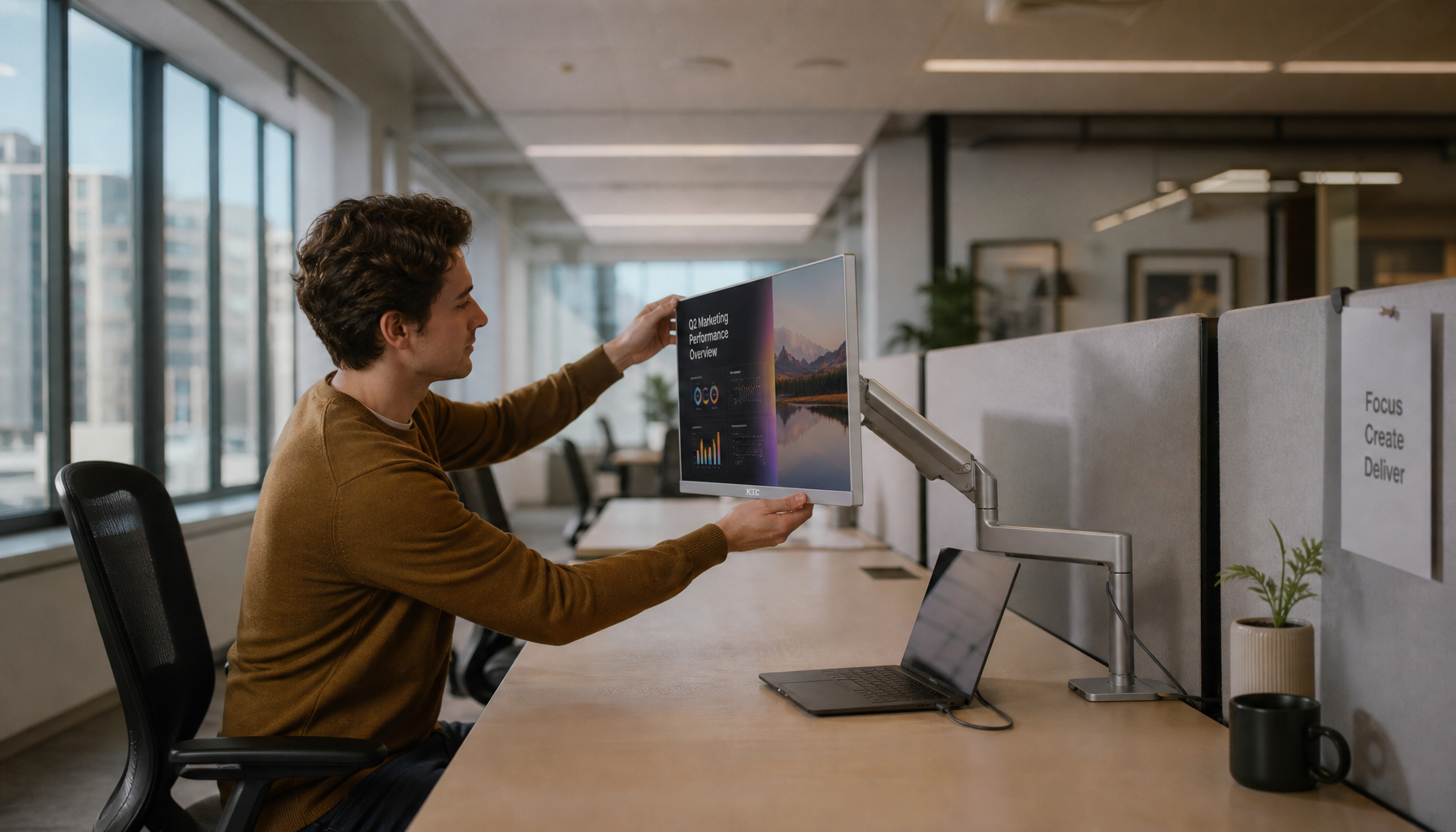
Borderless windowed is the practical compromise. It fills the screen without a traditional full-screen mode switch, so switching apps is smoother and second-monitor access is easier. For a creator who edits on one display and previews on another, or a gamer who keeps chat or monitoring tools visible, borderless mode often gives the most predictable color behavior while preserving immersion.
Mode |
Color Consistency |
Immersion |
Multitasking |
Common Risk |
Exclusive full screen |
Medium |
High |
Low |
App or driver overrides color settings |
Windowed |
High |
Low to medium |
High |
Less immersive and sometimes less smooth |
Borderless windowed |
High |
High |
High |
May not match exclusive full-screen latency in every game |
The Most Common Causes of Color Shifts
ICC Profiles May Apply in One App but Not Another
An ICC profile describes how a display reproduces color so the system and color-managed software can compensate. ICC profiles help standardize color across devices, but not every game or full-screen app respects them the same way. Photo editors and many browsers can use color management properly; many games prioritize speed and direct output instead.
A real-world symptom is easy to spot. Your desktop wallpaper, browser, and photo editor may look neutral, but a full-screen game suddenly looks too warm or too blue. That does not always mean your monitor is broken. It may mean the desktop is using a color correction path that the full-screen app is ignoring.
For color-critical work, hardware calibration is still the stronger route. Built-in operating system tools are less accurate than dedicated calibration kits, which matters if you print, grade video, or handle brand colors. For gaming and office use, a sane sRGB-like preset plus consistent brightness is usually enough.
Picture Modes Can Change Automatically

Many monitors store different settings per input, refresh rate, HDR state, or game mode. A monitor might use Standard mode on the desktop, then switch to FPS, Racing, HDR, or Low Latency mode when a game launches. That can alter brightness, gamma, contrast, overdrive, saturation, local dimming, or black equalizer settings.
Picture mode is the best first setting to check because presets can change many values at once. Vivid modes commonly boost saturation and brightness, while User, Custom, or sRGB modes are often closer to accurate. If your full-screen app looks better but less believable, the monitor may be enhancing the image rather than displaying it accurately.
Compare the on-screen display menu while the app is windowed and then again in full screen. If the monitor jumps from Custom to Game or HDR, set the full-screen mode to the same baseline preset where possible.
Gamma and Black Levels Can Be Overridden
Gamma controls how midtones and shadows are distributed. A small gamma change can make the same image look flatter, deeper, brighter, or more contrast-heavy. That is why a game can look properly moody in full screen but gray and low-impact in windowed mode, or the reverse.
A typical accurate target for many monitor setups is gamma 2.2 or the default gamma setting, while black level should be adjusted so near-black detail remains visible without turning the whole image gray. In practice, load a near-black test pattern or a dark game scene with shadow detail, then compare full screen, borderless, and windowed. If one mode crushes blacks, the output path is not matching.
For competitive gaming, some players intentionally raise black equalizer or lower contrast to see enemies in shadows. That is a performance choice, not color accuracy. It can be valid, but it should be deliberate, not an accidental driver or monitor preset change.
HDR and SDR May Be Getting Mixed

HDR is one of the biggest color-shift triggers. If HDR is on, but an app is SDR, the desktop may tone-map colors differently than expected. If a game launches in HDR full screen, it may use a completely different brightness and color pipeline than the windowed desktop.
The symptom is usually obvious: SDR windows look dull, full-screen HDR looks too bright, or screenshots do not match what your eyes saw. Test with HDR off first. Once SDR is consistent, enable HDR only for apps that benefit from it and calibrate HDR separately.
This is especially important on OLED and mini-LED monitors, where HDR behavior can involve automatic brightness limiting, local dimming, and different tone mapping. The image may be technically working while still feeling inconsistent across apps.
Why Gaming Monitors Are Especially Prone to This
Gaming monitors are built to change behavior quickly. High refresh rates, variable refresh rate, overdrive, backlight strobing, sharpening, and game genre presets are performance tools, but they can also affect perceived color. Higher refresh rates can improve motion smoothness and reduce input lag, yet the monitor may pair that mode with a different preset than your desktop.
Some newer displays go further with context-aware mode switching. AI monitor mode switching can shift settings such as resolution, refresh rate, overdrive, variable refresh rate, sharpening, scaling, contrast, and comfort presets based on whether the screen appears to be gaming or productivity-focused. That can be useful on dual-mode panels, but false positives are possible.
For example, a video editor timeline or trading dashboard may look game-like to an automated system because it has fast movement, overlays, and dense visual regions. A menu-heavy strategy game may look more like productivity software. Manual override matters because your eyes and workload still decide what is correct.
Multi-Monitor Setups Add Another Layer
Dual-monitor users often notice the issue faster because two screens reveal mismatch immediately. A white browser page may look neutral on one monitor and slightly yellow on another. A game may trigger full-screen changes on the primary display while the secondary stays in desktop mode.
Multiple-monitor setups are useful for coding, design, photography, gaming, streaming, and office work, but each panel still needs its own color setup. Matching models helps, but it does not guarantee identical color. Panel variance, brightness level, age, coating, and viewing angle all matter.
For productivity users, resolution and scaling also matter. 27-inch QHD and 27-inch 4K setups involve different scaling tradeoffs, and scaling can influence perceived sharpness even when color is technically unchanged. If text looks different in windowed mode, confirm whether the app is also changing resolution or DPI scaling, not only color.
Do Not Confuse Mode Shifts With Panel Uniformity Problems
Sometimes the monitor is not changing color by mode. The panel may have a uniformity issue, which means one area of the screen has a tint or brightness difference compared with another area. In one user community case, a user reported a yellow tint on the right side or lower half of the display, most visible on white backgrounds, while regular color content looked acceptable. That pattern points more toward color uniformity than a full-screen setting problem.
The quick test is to display a plain white or light gray page in full screen and windowed mode, then move the window around the screen. If the tint stays in the same physical area, the panel is likely the cause. If the tint follows the app or appears only when the app changes mode, the cause is more likely software, driver, HDR, or preset behavior.
This distinction affects the value decision. Keeping a monitor with no dead pixels and only a subtle uniformity flaw may be reasonable for gaming or office work. For color-sensitive editing, product visuals, or print proofing, that same flaw may justify service or replacement.
A Practical Fix Workflow

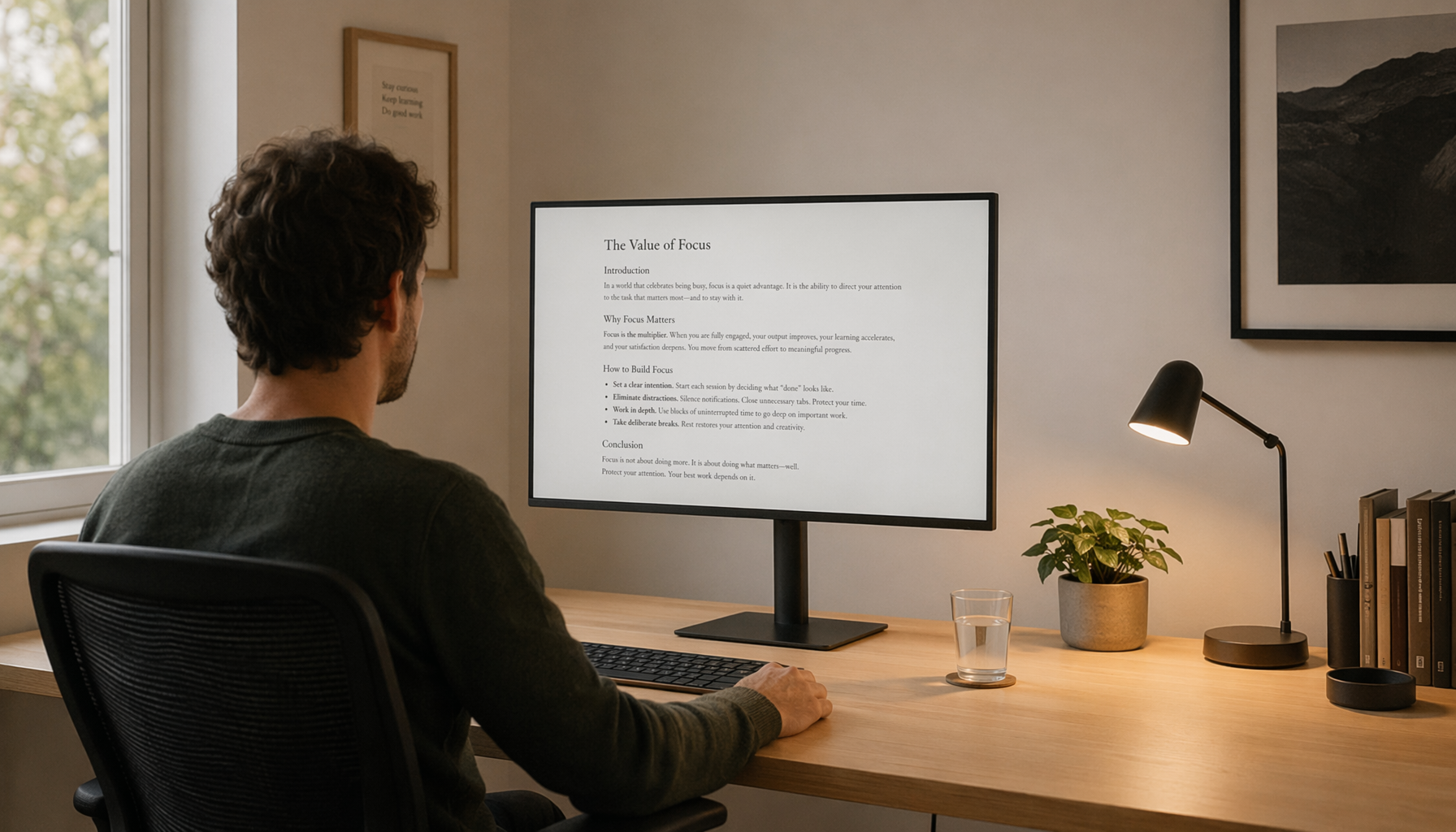
Start by making the desktop stable. Choose one monitor preset such as Custom, User, or sRGB, then turn off Vivid, FPS, Movie, Eye Care, night-shift, and automatic enhancement modes while testing. Set brightness for the room rather than chasing maximum output; a display that is too bright in a dark room can make blacks look gray and whites harsh.
Next, compare the same content in windowed, borderless, and exclusive full screen. Use a browser image, a game scene with skin tones and shadows, and a white document page. If borderless matches the desktop but exclusive full screen does not, the app is probably changing the output path.
Then check graphics settings. Driver controls may apply their own color range, gamma, digital vibrance, HDR, or output format settings. Full RGB versus limited RGB is a classic mismatch: limited range can make blacks look raised or whites compressed on a monitor expecting full range.
After that, inspect the monitor’s on-screen display during the problem. Confirm the active input, refresh rate, HDR status, picture mode, black equalizer, contrast, color temperature, and overdrive mode. If your monitor stores separate settings for different video inputs, repeat the setup for the input you actually use.
Finally, calibrate only after the basics are stable. Copying ICC profiles from another unit is unreliable because even identical monitor models can need different settings. For serious photo, design, or print work, use a colorimeter. For gaming and office use, a consistent sRGB-like preset, correct RGB range, and borderless mode may solve most visible mismatch.
When Full-Screen Color Difference Is Acceptable
Not every difference is a defect. A game may intentionally use HDR, contrast mapping, filmic tone curves, or genre-specific rendering that does not match the desktop. A productivity monitor may prioritize readable text and restrained color, while a gaming preset prioritizes motion clarity and fast response.
The question is whether the difference hurts the job. For esports, stable motion and low latency may matter more than perfect color, as long as visibility is consistent. For office productivity, comfortable brightness, crisp text, and matched whites across windows matter more. For photo, design, or product work, consistency wins, and full-screen modes that bypass calibration should be avoided unless they are properly managed.
A reliable monitor setup does not chase the most dramatic image. It gives you repeatable output when you game, edit, stream, write, code, or dock a portable screen at a new desk.
FAQ
Why do colors look washed out only in full-screen games?
The most likely causes are HDR tone mapping, limited RGB output, a game-specific gamma setting, or a monitor preset that activates only in full-screen mode. Test the same game in borderless windowed mode; if the color returns to normal, the full-screen output path is the trigger.
Is borderless windowed better for color accuracy?
Often, yes, because it usually stays closer to the desktop color pipeline. It may not always deliver the same latency behavior as exclusive full screen, so competitive players should test both modes rather than assume one is always superior.
Should I use an ICC profile for gaming?
An ICC profile can improve desktop and color-managed app consistency, but many games do not fully honor it in exclusive full screen. Use it as part of your setup, but also set the monitor preset, GPU output range, HDR state, and in-game gamma correctly.
Can a cable cause different color in full screen?
Yes, indirectly. Different video connections can expose different refresh rates, color formats, HDR modes, or RGB range options. If the monitor behaves differently across inputs, configure each input separately and use the connection that supports your target resolution and refresh rate cleanly.
Consistent color comes from controlling the whole signal chain, not just dragging one saturation slider. Match your preset, output range, HDR state, and display mode first; then calibrate. That gives you the performance of a gaming monitor, the trustworthiness of a productivity display, and the confidence to stay immersed without second-guessing every shade.