


Featured story
Why Does Adaptive Sync Require a Minimum Frame Rate to Prevent Judder?
Adaptive Sync's minimum frame rate is crucial because monitors have a limited VRR range. Below this floor, your display may repeat frames, causing visible judder.

KTC Journal
Monitor reviews, gaming guides, productivity advice, and practical display know-how from the KTC team.
Adaptive Sync's minimum frame rate is crucial because monitors have a limited VRR range. Below this floor, your display may repeat frames, causing visible judder.
Adaptive Sync screen tearing in menus is caused by frame rates leaving the VRR range. Get a stable experience with the correct FPS cap and driver settings.
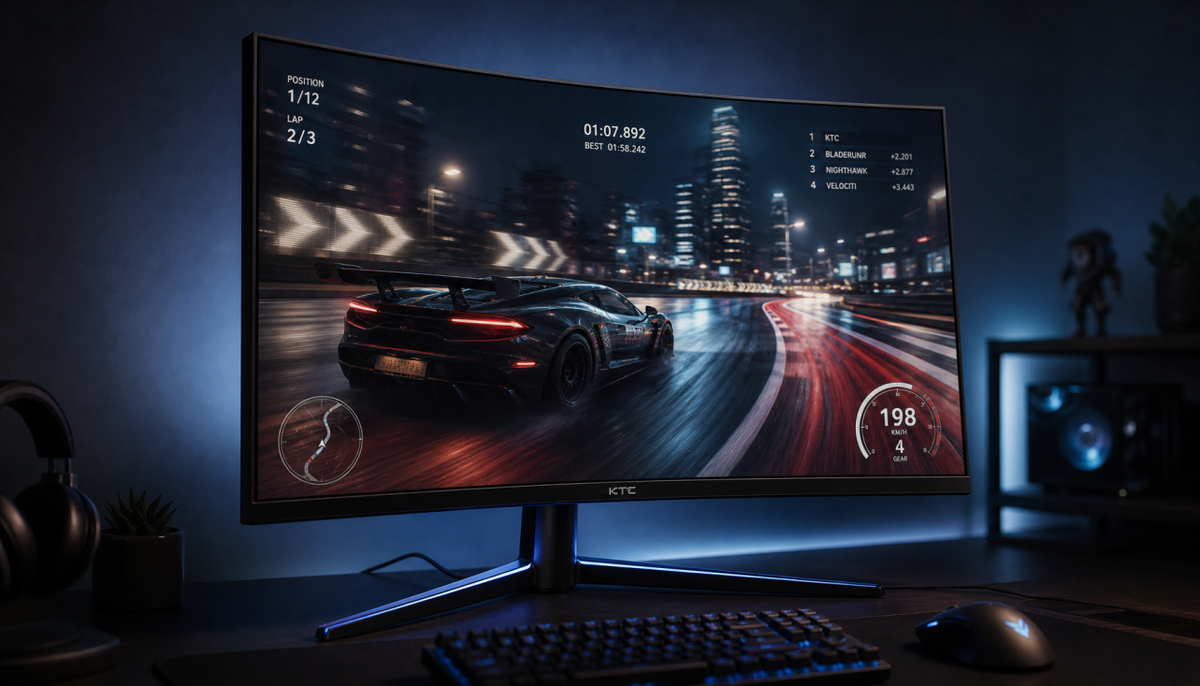
Adaptive Sync can make overdrive artifacts like ghosting and halos more visible. Get clean, sharp motion by tuning your monitor's overdrive settings for your actual FPS range.
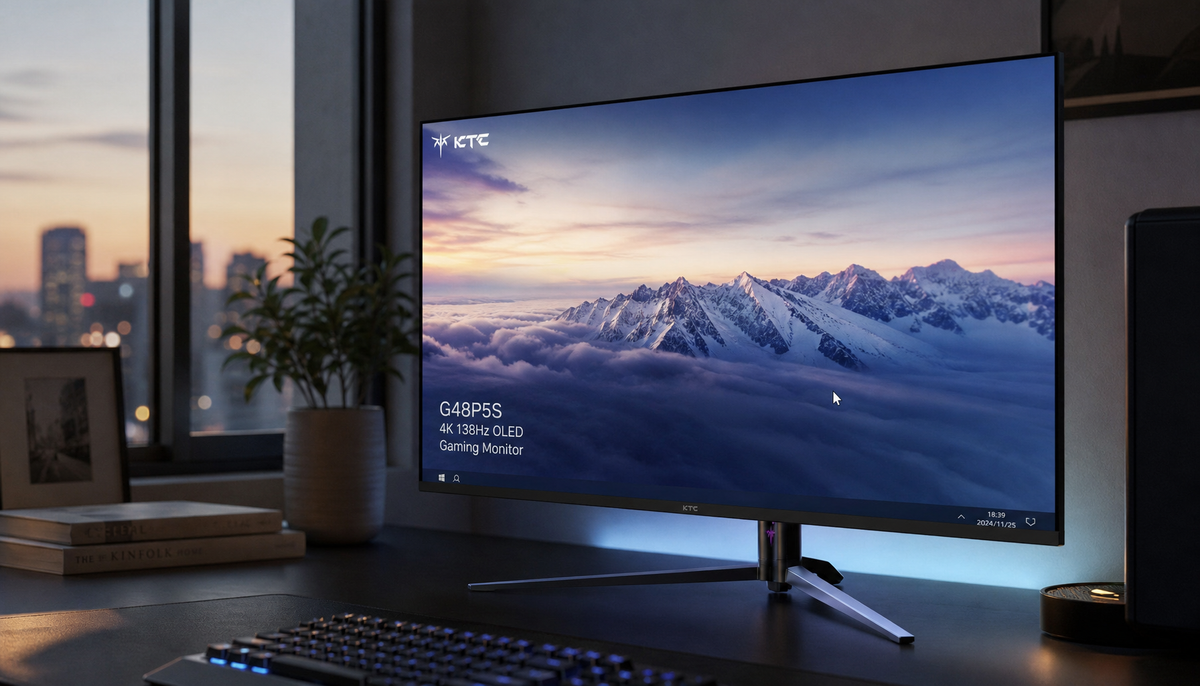
Adaptive Sync cursor stutter on the desktop can be frustrating. This issue often stems from mismatched refresh rates, mouse polling, or windowed app settings. Get practical solutions to restore smooth cursor movement without sacrificing gaming performance.

Adaptive Sync with a frame rate limiter provides the smoothest gaming experience. Capping your FPS just below your monitor's max refresh rate prevents tearing and stutter without adding input lag. Get the optimal settings for in-game vs. driver limiters.

Adaptive Sync audio desync is often a symptom of unstable frame pacing or driver issues. Get practical solutions for fixing game stutter and timing problems without disabling variable refresh.
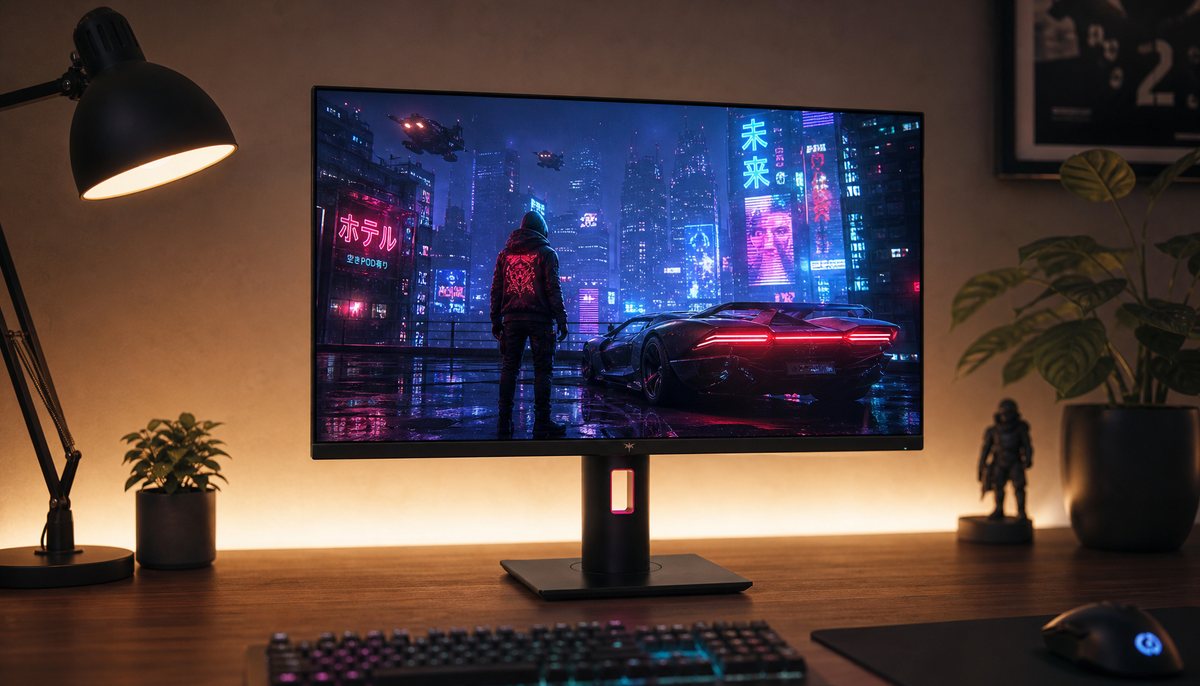
An Adaptive Sync range often narrows at high resolutions or with HDR due to bandwidth limits in the display link and scaler. Get the widest stable VRR window for your monitor.