Black Frame Insertion can dramatically reduce perceived motion blur, but it cannot guarantee a headache-free experience for every viewer. The best results come from matching BFI with high refresh rates, stable frame pacing, enough brightness, and your own flicker tolerance.
How BFI Makes Motion Look Sharper
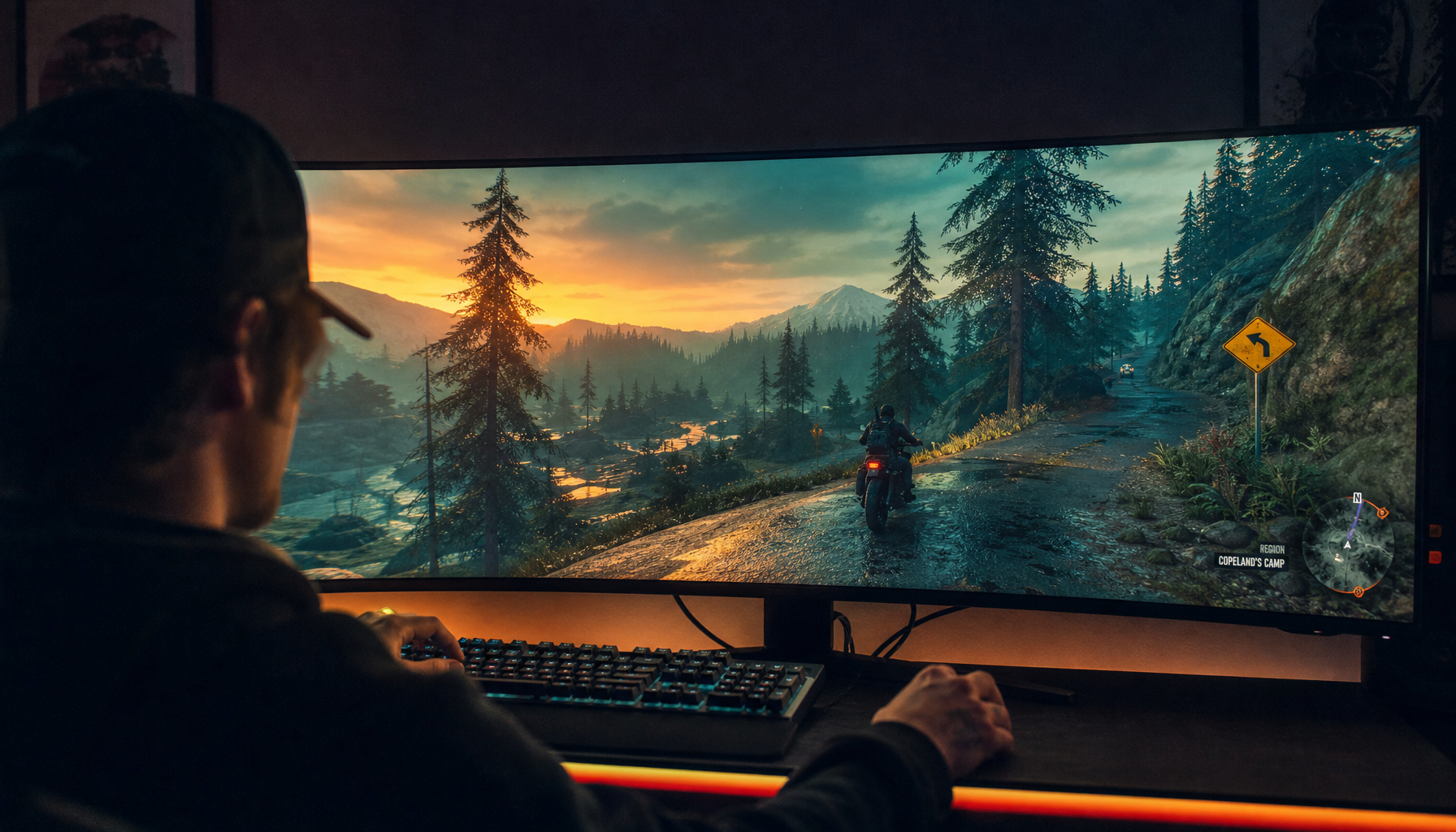
Most LCD and OLED displays use sample-and-hold behavior: each frame stays visible until the next one arrives. During eye tracking, that held image can smear across your vision, which is why fast camera pans, racing lines, and esports targets can look softer than the panel’s pixel-response specs suggest.
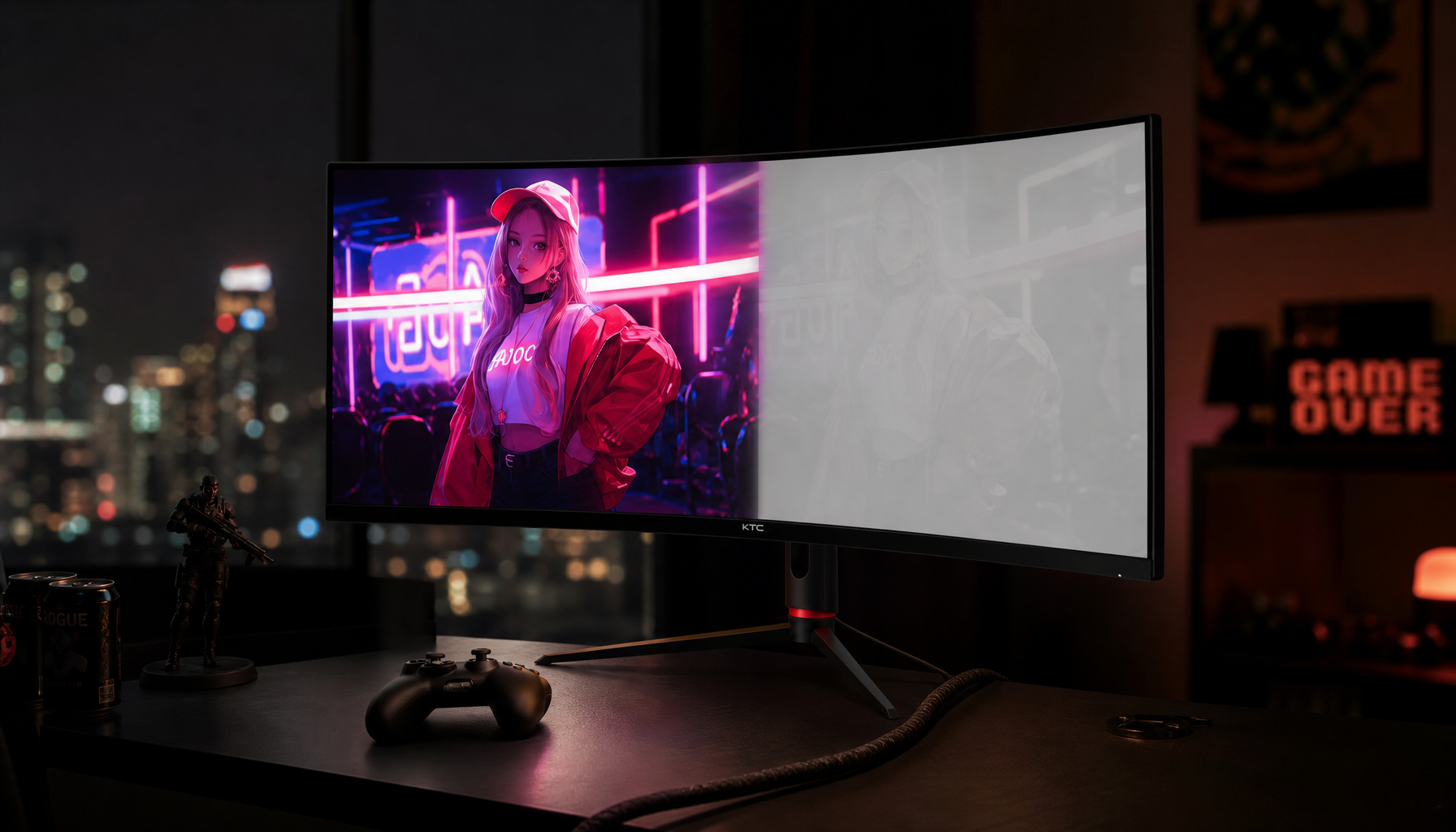
BFI attacks that blur by inserting dark frames between visible frames, shortening how long each image remains visible. That lower visible persistence can improve Moving Picture Response Time, which is why black frame insertion demos often make scrolling objects look cleaner.
For a practical example, 60 fps content on a 120 Hz display can show one real frame and one black frame every refresh pair. That can approximate a CRT-like cadence, which is why BFI is popular in retro gaming and emulation discussions around 60 fps content.
The Tradeoff: Clarity, Brightness, and Flicker
BFI does not create new detail or new animation frames. It improves perceived clarity by hiding the frame for part of the refresh cycle, which means brightness drops.
At a simple 50% duty cycle, perceived brightness can feel roughly cut in half. On a bright gaming monitor, that may be manageable. On a portable smart screen, office display, or sunlit desk setup, it can make the image feel dull unless the panel has enough brightness headroom.

The bigger comfort issue is flicker. Because BFI intentionally alternates light and dark output, sensitive users may experience eye strain, fatigue, or headaches. Some monitors handle this better with very high refresh rates or tuned strobing, but the risk does not disappear.
BFI can reduce blur without causing discomfort for many users, but any flicker-based blur reduction remains personal because sensitivity varies by viewer, brightness, refresh rate, and session length.
When BFI Works Best
BFI is strongest when the display refresh rate is high and the source frame rate is steady. A locked 60 fps game on a 120 Hz screen is a cleaner use case than a game bouncing between 43 and 70 fps.
It also favors fast, high-contrast motion: side-scrollers, fighting games, racing games, competitive shooters, and map panning. In a Factorio forum example, a player described rail lines smearing dramatically during movement, showing how sample-and-hold blur can affect even strategy-style visuals when fine lines move across the screen; the broader issue is frame pacing, not just raw refresh rate.

Competitive gaming and retro emulation are usually the strongest fits, especially when frame rate stays locked at 120 Hz or higher. Office work is usually a poor match because the clarity benefit is limited and the flicker can become tiring. Portable screens are worth testing only when brightness remains strong, and long sessions deserve extra caution because discomfort can build over time.
How to Use BFI Without Regretting It
Start with the highest refresh rate your display and device support. BFI at 120 Hz is much more tolerable than flicker at lower rates, and higher-refresh displays can reduce blur with less obvious pulsing.
Then stabilize frame rate. If your game cannot hold the target, BFI can make stutter more visible because the black-frame rhythm exposes timing misses. Variable refresh rate may help smooth fluctuating gameplay, but many BFI modes disable VRR, so check your monitor’s behavior.
Use these settings in order:
- Enable the monitor’s gaming or low-lag mode.
- Set the refresh rate to 120 Hz, 144 Hz, 240 Hz, or higher.
- Lock game FPS to a stable divisor of the refresh rate.
- Raise brightness only as much as needed.
- Stop using BFI if eye strain appears.

For many buyers, the smarter value move is a naturally faster panel first, then BFI as an optional precision tool. A high-refresh OLED or well-tuned gaming LCD may already feel clear enough without flicker-based processing.
The Bottom Line
BFI can cut motion blur substantially, especially on 120 Hz or higher displays with stable frame rates. It cannot eliminate blur in every situation, and it cannot promise freedom from flicker headaches.
For pro gaming, BFI is a performance feature worth testing. For office productivity and portable smart screens, prioritize comfort, brightness, and refresh rate first; use BFI only when motion clarity matters more than long-session ease.