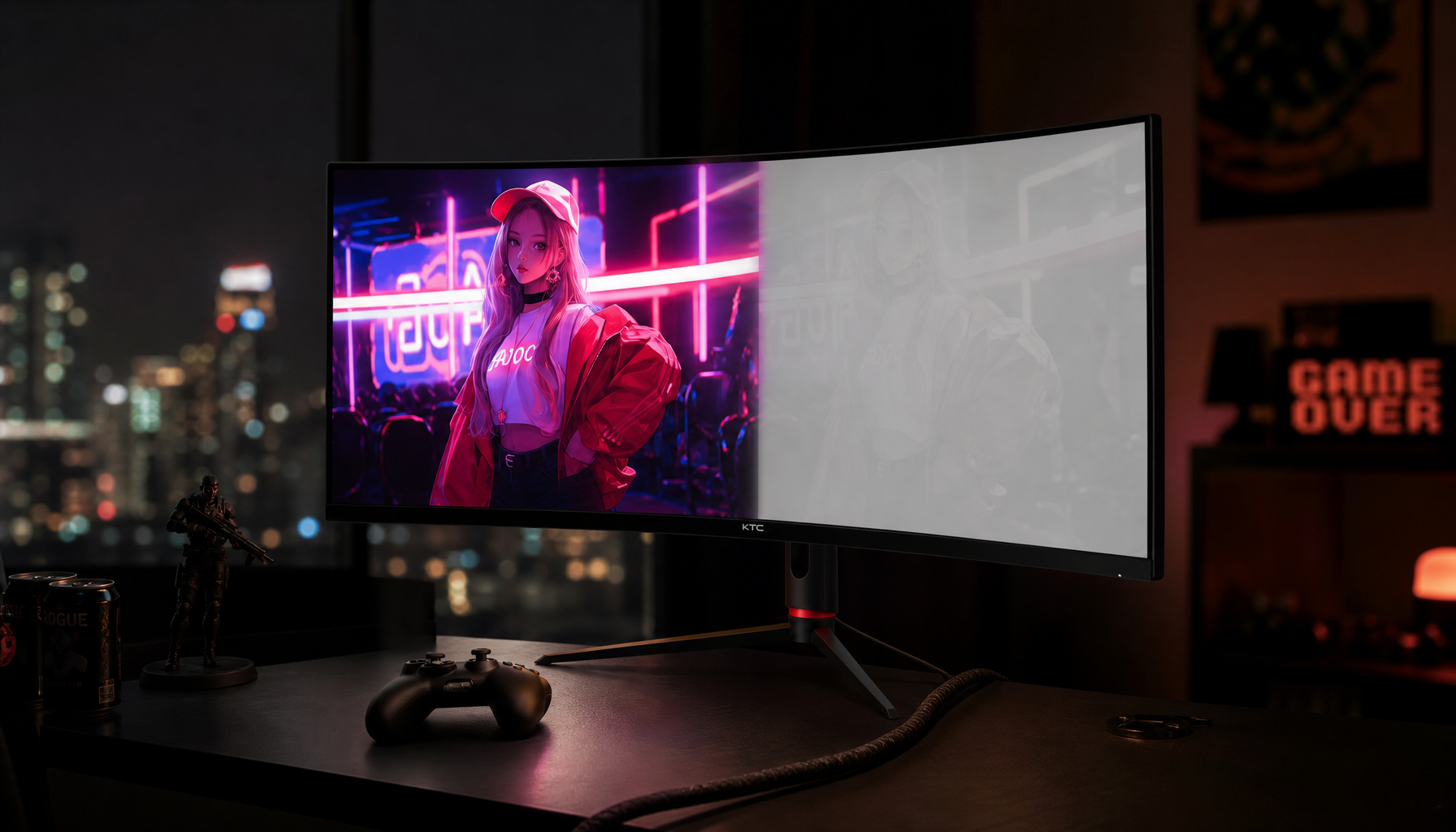
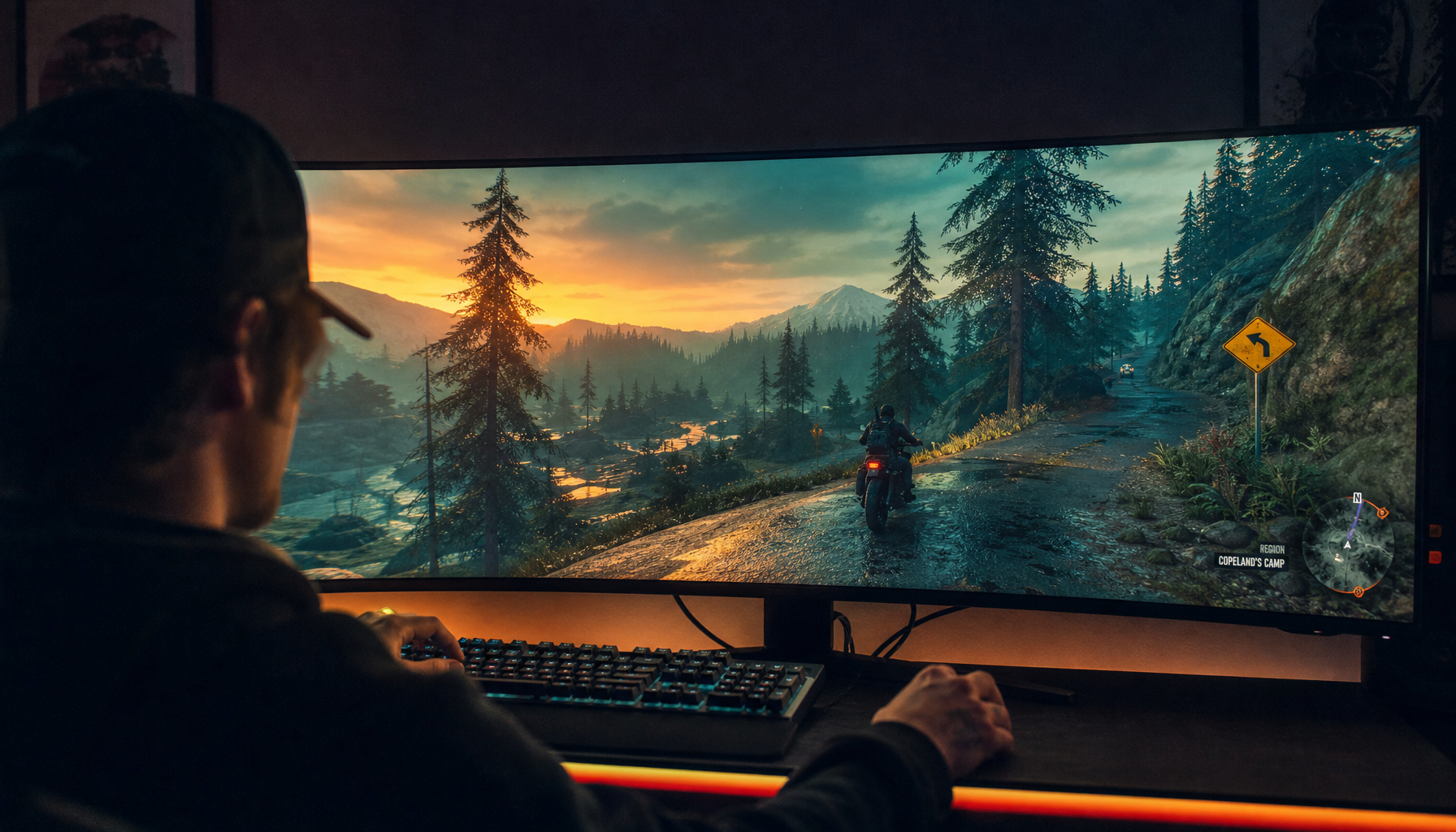
Display color gamut limits your illustration palette by determining which saturated hues your screen can actually show. When a monitor cannot reproduce a color, you may paint from a false preview and discover the mismatch only on another display, in print, or in HDR media.
Gamut Is Your Visible Paint Box
A color gamut is the range of colors a display can reproduce. For illustration, that means your RGB sliders may offer a color mathematically, but your monitor may clip, dull, or shift it if the hue sits outside its physical range.
sRGB is still the practical baseline for web art, UI illustration, social posts, and most SDR viewing because it is the default space for desktop operating systems, the web, many games, and general content, as explained in this mainstream content overview. If your work must look consistent on mainstream laptops and office displays, sRGB is usually the safest target.
Wide-gamut displays expand the box. Print-oriented RGB spaces reach farther into green and cyan-adjacent tones, while DCI-P3 adds punch in reds, oranges, purples, and some green-red regions. That extra range is powerful, but only when your workflow and final destination can preserve it.
Why Bright Colors Betray Digital Painters
The biggest trap is assuming “more saturated” means “more accurate.” A wide-gamut monitor can make standard sRGB artwork look oversaturated if color management is weak, while a narrow-gamut screen can hide colors you think you are using.
For example, a glowing emerald jacket might look rich on a wide-gamut display but flatten on a basic sRGB laptop. A vivid coral character accent may survive better on a DCI-P3 tablet than on an older office monitor.

That is why coverage matters more than marketing area claims. A monitor labeled wide gamut is not automatically useful unless it actually covers the target space you need; target space coverage should be compared within the same measurement method.
Small shifts matter in illustration because color carries mood, material, and focus. Skin warmth, foliage, neon signage, and fantasy lighting can all change character when a display cannot reproduce the intended saturation.
Choose the Gamut Around the Delivery
Your best color choices start with where the illustration will live. A pro display is not about chasing the biggest number; it is about matching the screen to the output.
For web comics and social art, work in sRGB and preview in sRGB. For print-heavy illustration, consider a wider RGB space plus printer profiles. For cinematic key art and HDR media, consider DCI-P3 coverage. For game concept art, use sRGB for broad delivery and P3 for HDR pipelines. For portfolio review, calibrate first, then export for the intended platform.

A wider space can preserve more color while you work, but the final export still needs conversion. If you paint in a wide space and publish unmanaged files, viewers may see colors that are too flat, too hot, or simply different from your intent.
Accuracy Beats Raw Gamut
A monitor with 100% sRGB coverage is more useful for most illustrators than a wild, poorly controlled wide-gamut screen. Accuracy depends on gamut, calibration, white point, gamma, brightness, and panel consistency.
Instrument-based calibration is the reliable path because displays can differ visibly even when they target the same standard; measured testing shows that measured calibration matters more than visual tweaking. For illustration, that means fewer surprises in gradients, shadow colors, and subtle facial tones.

Panel type also matters. IPS displays are typically stronger for color consistency and viewing angles, while VA panels often deliver deeper contrast but can shift more off-center; this panel tradeoff matters for creative work.

A wider gamut gives you more possible colors, but without proper color management, it can make your choices less dependable, not more expressive.
A Practical Illustrator Workflow
Start with the final audience, then set your canvas color space to match. If the work is for web or general viewing, stay in sRGB and use the monitor’s sRGB mode when available.
For print or premium media, work wider only when your software, monitor, profiles, and export path all support it. A calibrated display with stable brightness is the difference between confident color decisions and expensive guesswork.
Before delivery, soft-proof or preview in the destination space. Your goal is not maximum saturation; it is controlled intent, where every color you choose has a fair chance of appearing the way you designed it.