KTC monitor long-term reliability comes down to three things: whether the panel stays visually consistent, whether the firmware behaves predictably, and whether the US support path is clear if something goes wrong. A KTC monitor reliability check should not stop at unboxing, because a screen can look fine on day one and still become annoying later. For cautious buyers, the real question is whether the display still feels stable after weeks or months of normal use, not whether it passed the first setup check.

What Long-Term Reliability Means
For this article, long-term reliability means the monitor keeps working in a way that feels consistent enough for gaming, work, or mixed use over time. That means watching the panel, the firmware behavior, and the support path as one ownership experience. The FTC warranty guide is useful background here because US buyers should be able to review written warranty terms before they commit, not after a problem appears. The first week is helpful, but it is not enough to judge KTC monitor reliability on its own.
The other early signal is the return window. KTC's returns and exchanges guide makes the first few weeks especially important, so first-week impressions should not be treated as proof of long-term durability. In practice, the right mindset is simple: buy now if you can accept some normal panel variation and the support terms fit your risk tolerance, verify more if you want tighter uniformity, and compare more if support friction would bother you.
Panel Consistency Over Time
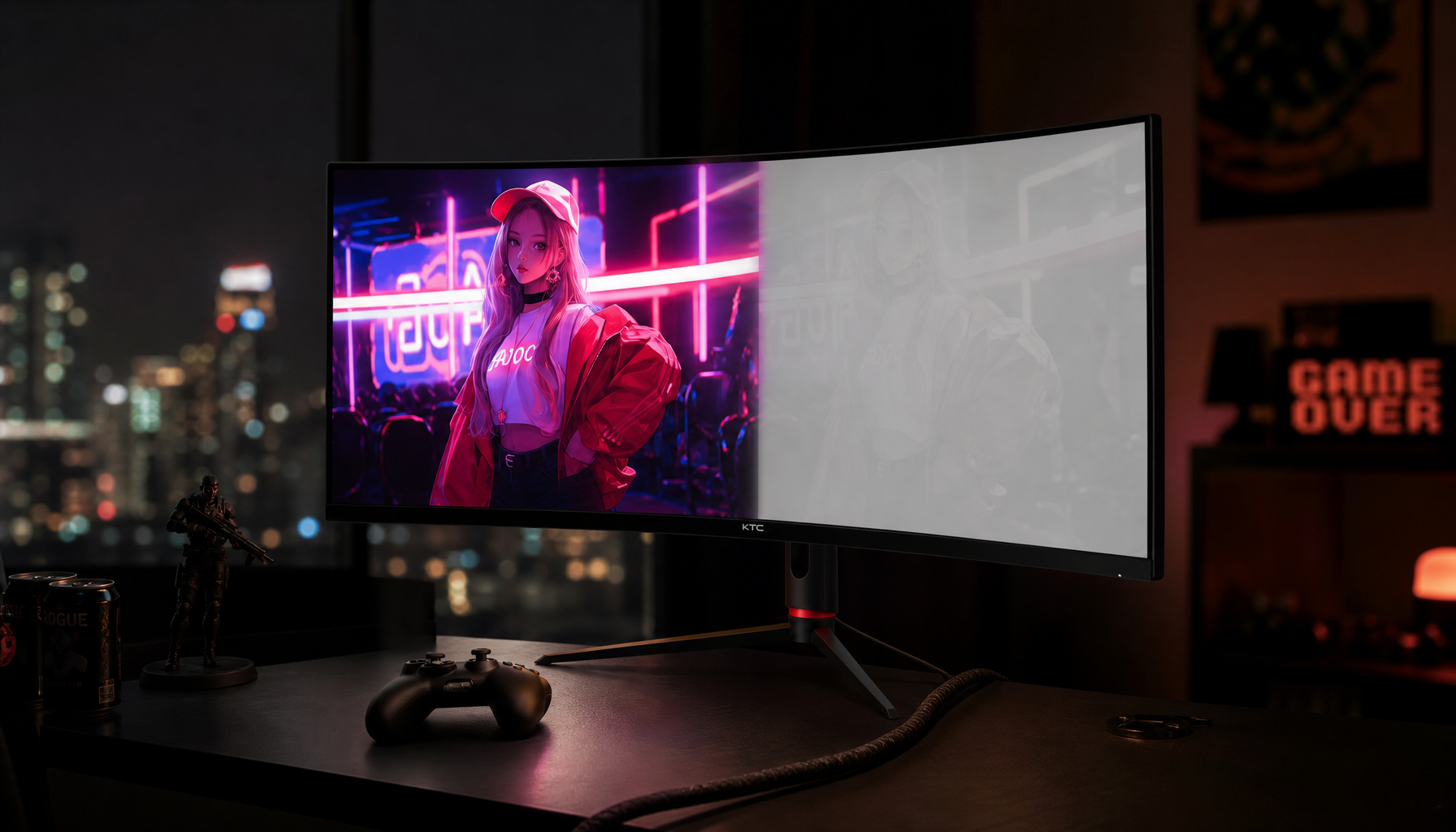
Panel consistency is the part most buyers notice first, and it is the easiest place to confuse normal variation with a real problem. The main things to watch are backlight uniformity, stuck or dead pixels, color shift, and any banding or glow that becomes more obvious over time. For LCD panels, some unevenness can reflect normal manufacturing variation rather than a worsening fault, which is why KTC's explanation of IPS backlight uniformity variation is a useful read before you overreact to a small corner glow.

A practical check is to compare the monitor on the same input, with the same brightness and picture mode, using a dark screen and then a plain white or gray screen. If the issue looks the same on every check, it may simply be the panel's baseline behavior. If it becomes more visible, spreads, or starts interfering with normal use, that is a more serious reliability signal. ISO 9241-307 Class II is the cleanest benchmark for pixel faults, but it should be used as a defect reference, not as proof that every visible flaw is actionable.
A good rule of thumb is to document what you see during the first month, then check again after a few months under the same settings. If brightness, color, or uniformity has changed enough that you notice it during ordinary gaming or desktop use, treat that as a signal to gather photos and revisit the policy window. Buyers who want deeper context on why two similar units can look different at the edges can use the article on panel manufacturing tolerances as a background reference.
Firmware Stability and Daily Behavior
Firmware stability matters because a monitor can look good on paper and still feel unreliable if it drops settings, switches inputs badly, or glitches after sleep and reboot. In daily use, the most common friction points are slow input handshakes, OSD menus that lag or freeze, and preferences that do not save after a power cycle. Those are not dramatic failures, but they can make a monitor feel less trustworthy if they happen often.
The cleanest way to judge this is to repeat the same action several times. Switch between two inputs, wake the monitor from sleep, power it off and on, and see whether brightness, input choice, and picture mode remain stable. If a quirk happens once and never returns, it may just be setup friction. If it keeps happening, that is closer to a support case than a harmless annoyance.
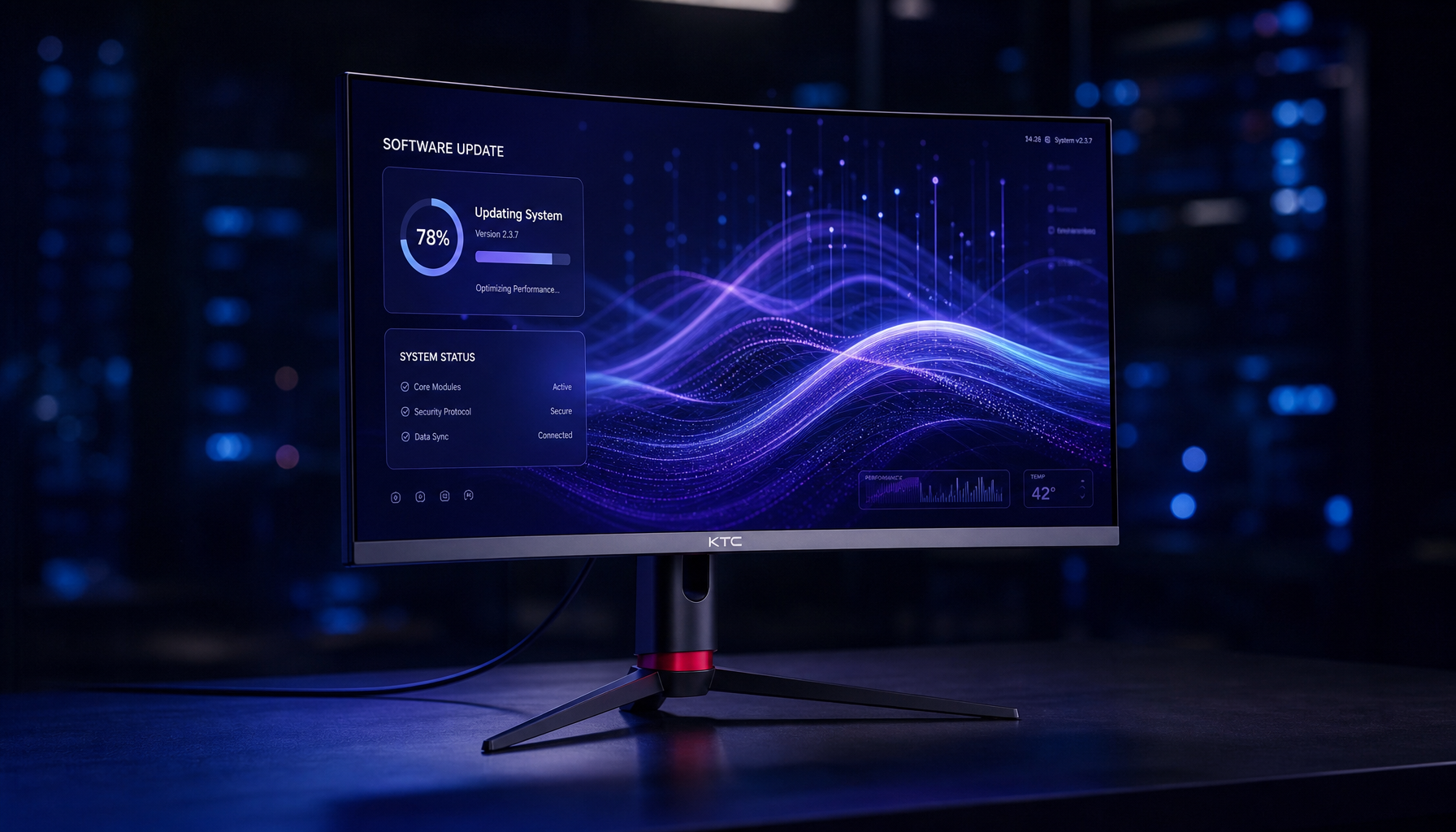
KTC's Help Center FAQ is important because it frames firmware changes as support-directed, not routine DIY maintenance. That is the right boundary for buyers. The safer move is to treat firmware updates as something to follow only when official support or documentation says the exact model needs it.
Heat, Usage Patterns, and Wear
A monitor does not need to run hot to be a concern, but heat, ventilation, and long sessions can shape how stable it feels over months of use. Long gaming sessions at high brightness, constant desktop use in a warm room, and repeated power cycling are not automatically bad, yet they can surface weaknesses sooner than moderate use would.
Here is the practical version:
- High brightness for long periods can make wear more visible over time, especially if you also sit in a warm room.
- Poor airflow behind the display can make a setup feel less stable even when nothing is technically broken.
- Repeated off-and-on cycling can expose input or wake behavior that would not show up during a quick unboxing test.
- Static UI elements are worth watching because they can make image consistency issues easier to notice.
If the monitor feels warm during long sessions, that is not automatically alarming. The bigger warning sign is when warmth comes with repeated flicker, menu problems, or sudden changes in behavior. For buyers comparing category options, the Gaming Monitor collection is a better starting point than a single model page if you are still deciding what kind of setup fits your room and usage pattern.
Warranty and Support Experience in the US
For US buyers, support policy is part of KTC monitor long-term reliability, not an afterthought. KTC's warranty expectations say US monitors carry a 3-year warranty baseline, which is the main protection signal for a value purchase. KTC's returns guide also makes the early window matter: quality issues should be reported quickly, and the first 15 days are especially important because that is where return shipping support is most favorable.
That makes documentation worth doing immediately. Save the order confirmation, serial number, model page, shipping record, and clear photos of the issue. If you contact support, include exactly what changed, when it changed, and whether the behavior repeats after reboot or input switching. The more specific your evidence is, the easier it is to separate a panel issue from a setup issue.
The FTC's businessperson's guide to federal warranty law is also useful because it reinforces a simple buyer right: warranty terms should be available before purchase. That does not guarantee a favorable claim, but it does mean you should not buy on vague assumptions. For navigation, the warranty and support expectations page is the most relevant KTC-side starting point if you want the official support workflow in one place.
Should You Buy Now or Verify More First?
If the model fits your budget, the warranty and return terms are posted, and you are comfortable checking the unit right away, buying now is reasonable. If you are highly sensitive to backlight uniformity, firmware quirks, or service friction, verify more first and compare other monitors in the category before you check out.
A simple pre-buy checklist helps:
- Confirm the exact model page, not just the product family.
- Read the return window and warranty terms before ordering.
- Save the receipt and model details as soon as the box arrives.
- Test uniformity, input behavior, and saved settings during the return window.
- Keep photos or short video clips if something looks off.
If you want to keep browsing, the All Monitors page is the broadest path, while Gaming Monitor is the more focused one for buyers still narrowing down refresh rate, panel type, and price tier.
FAQs
How Can I Tell Whether a KTC Monitor Is Aging Normally or Developing a Problem?
Compare the monitor against itself, not against a different screen. If brightness or color looks slightly different but stays consistent from day to day, that can be normal aging or unit variation. If the change becomes obvious, repeats after reboot, or starts to affect everyday use, it deserves documentation and possibly support.
What Should I Recheck After the First Month of Use?
Recheck panel uniformity, dead or stuck pixels, input switching, saved settings, and whether the monitor behaves the same after a full shutdown. The goal is to catch repeatable issues while you are still inside the return or easy-escalation window.
Why Does Firmware Behavior Matter If the Screen Quality Looks Fine?
Because daily annoyance often comes from behavior, not image quality. If the monitor forgets settings, takes too long to wake, or changes inputs unpredictably, it can feel unreliable even when the panel itself is fine.
Can US Buyers Rely on Warranty Support for a Long-Term Issue?
They can rely on the written policy, not on a guaranteed outcome. Keep your receipt, serial number, and photos ready, and follow the posted support path so you are working within the correct process.
What Should I Verify Before Buying a KTC Monitor for Long-Term Use?
Verify the exact model page, the return window, the written warranty terms, and whether the feature set fits your setup. If you are sensitive to panel variation or firmware friction, compare more before ordering rather than assuming every unit will feel the same.