For telehealth teams evaluating MegPad for telehealth, the right question is not whether a mobile display looks impressive. It is whether the screen fits the room, the workflow, and the organization's app and security rules. In most clinics, that means checking room distance, move frequency, touch needs, and IT approval before you worry about the model name.

What Telehealth Teams Need From a Mobile Display
A rolling display makes sense when staff need to move the same screen between exam rooms, bedside education sessions, or outreach stops. It is a weaker fit when the room is fixed, the viewing distance is short, or the team still has no approved plan for apps, accounts, and device control.
CMS's telehealth provider toolkit frames telehealth around the patient and situation, which is why equipment choice should start with workflow instead of hardware first. For patient-facing deployments, HHS also makes clear that covered entities must protect health information; a built-in operating system does not automatically make a display appropriate for PHI. Organizations must also verify app access, account control, network setup, and data-handling policies before approving any display for clinical use, per AAMC guidance.
For most teams, the first filter is simple: if the display will not move often, you probably do not need a rolling unit. If it will move often, then battery routine, wheel stability, doorway clearance, and storage all become decision factors, not extras.
Clinical Use Cases and Room Flow
In exam rooms, a mobile screen can support shared viewing when provider and patient need to look at the same diagram, intake form, consent content, or video call. In bedside education, the same unit can reduce repeated setup work if staff can wheel it in, use it, and park it safely afterward.
That convenience can disappear fast if the room is cramped or the team has to route cables every time. A mobile display is best treated as a room-flow tool, not just a screen.
Screen Quality for Patient-Facing Viewing
CMS guidance for providers does not prescribe a required screen size, so buyers have to judge fit themselves. As a rule of thumb, larger screens help when multiple people need to read the same content at once, especially if charts, consent forms, or patient education visuals are being shared.
Resolution matters for readability, but it does not solve a bad setup. If the screen sits too far away, too high, or off to the side, even a sharp panel can be awkward for a patient to follow.
Touch, Audio, and Camera Needs
Touch is most useful when staff need to scroll, zoom, or navigate content while standing beside the patient. Audio matters when the room is used for calls, education clips, or group explanations. Camera support matters only if the telehealth workflow actually needs an integrated camera rather than a separate endpoint.
The practical test is not "does it have these features." It is "does this room need them often enough that a fixed laptop or separate device would be clunkier."
IT and Security Checks Before Purchase
This is the part buyers often skip. Before any patient-facing rollout, IT should review app access, account control, wireless policy, and data handling. HHS guidance on covered entities and business associates is a useful reminder that compliance responsibility sits with the organization, not the hardware box.
If your organization has not approved the operating system, app ecosystem, or login model, the display is not ready for clinical use yet, even if the screen spec looks right.
Why Screen Size and Resolution Matter
The main reason a 32-inch 4K mobile screen attracts healthcare teams is shared visibility. Text, forms, and diagrams are easier to present when the content needs to be seen by more than one person at a time, and a larger canvas reduces the need for constant zooming.

That said, the best choice depends on how the room is used. If only one person views the screen at a time, a smaller or simpler unit may be more practical. If a patient, clinician, and caregiver all need to view content together, the larger format becomes more valuable.
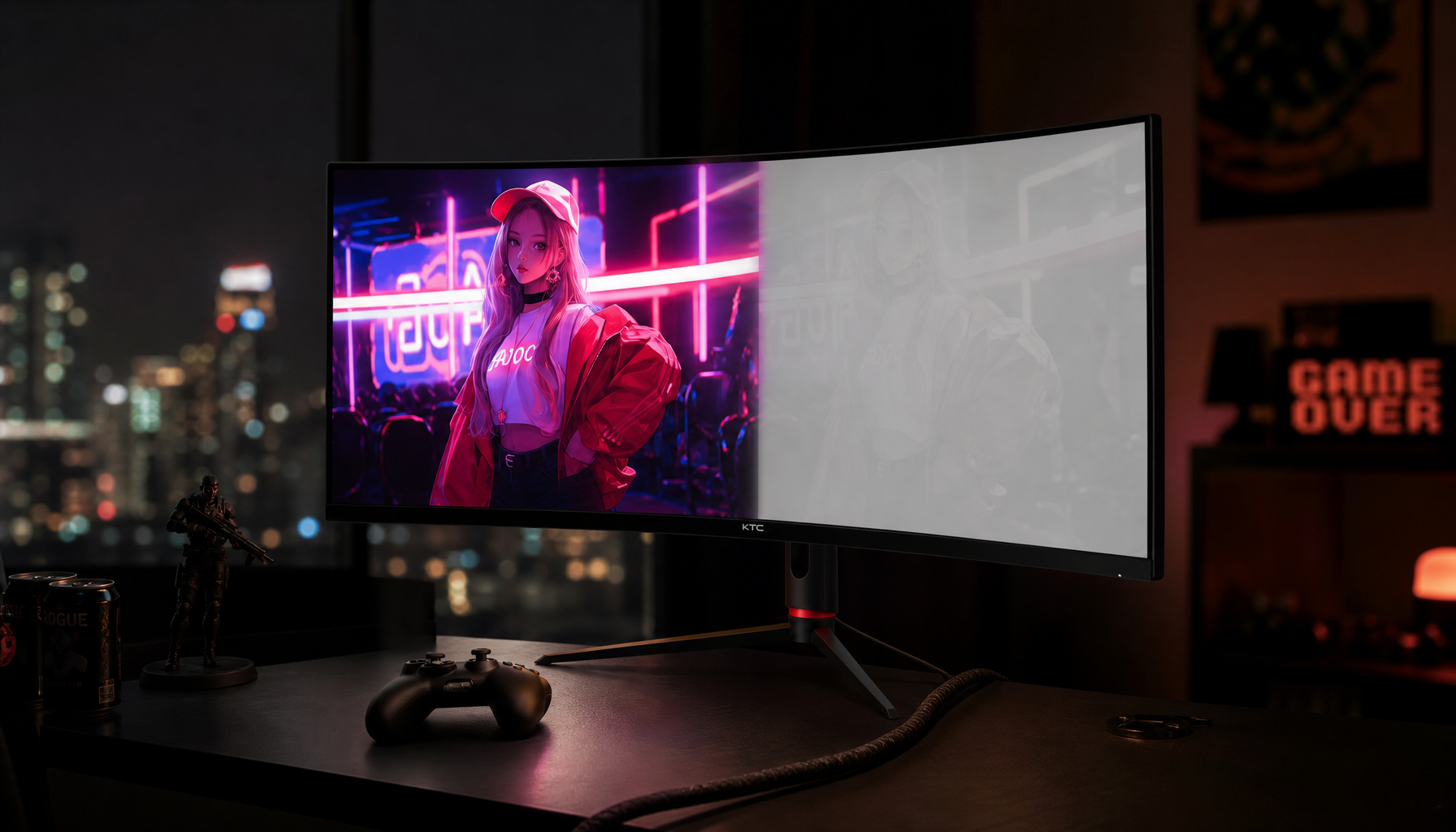
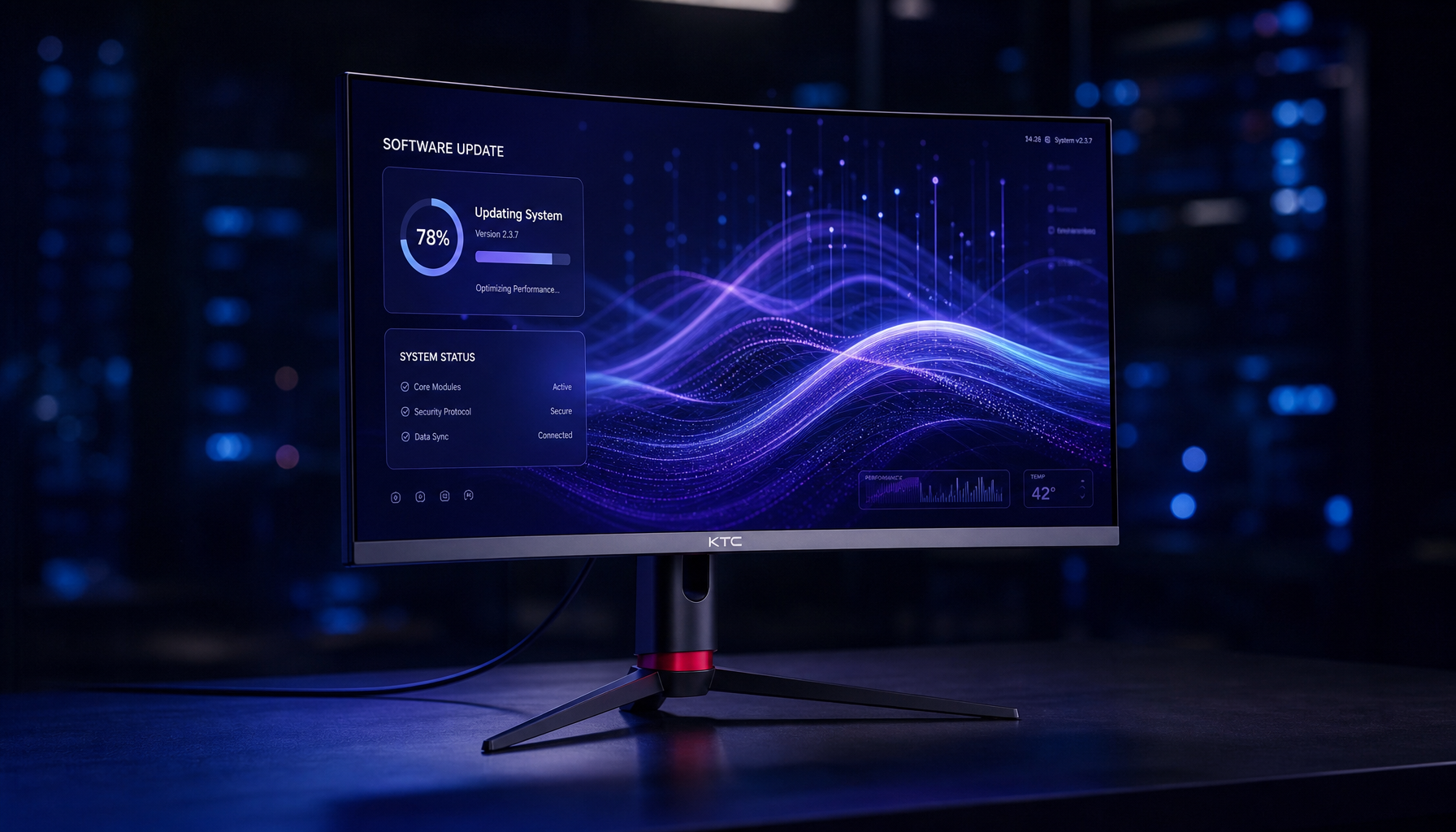
The featured KTC MEGAPAD 32" 4K Android 13 Google EDLA Smart Touch Monitor with 9500mAh Battery is built around that shared-viewing use case. Its listed specs include 3840 x 2160 resolution, Android 13 with Google EDLA, Wi-Fi 6, touch support, dual 6W speakers, 8GB RAM, 128GB storage, and a 9500mAh battery rated up to 11 hours. Those features do not guarantee clinical fit, but they do show why this model is aimed at app-based, room-to-room workflows.
A 4K panel is most useful when content is text-heavy or image-heavy. If the room only needs basic video calls, the extra resolution may matter less than charging routine, mobility, and admin control.
Match the Model to the Room
The 32-inch rolling model is the strongest fit when the goal is to support patient education, telehealth consults, and flexible room-to-room use from one screen. It is less attractive if the team wants a fixed wall setup, already has a laptop-based workflow, or cannot support the storage and charging routine that mobile equipment requires.
The product page also lists a rolling stand with height adjustment, wheels, a VA panel, anti-glare treatment, and a 90W max power rating. Those details point to room mobility and easier repositioning, but the buying decision still comes down to the floor plan. A wide unit can be convenient in one clinic and awkward in another.
This is the main decision sentence: if shared viewing and mobility matter more than minimal footprint, the 32-inch model is a plausible fit; if the room is tight or the workflow is laptop-first, the added size can become clutter instead of value.
If you are comparing options inside the category, start with the Mobile Touch Screen collection to filter by size and resolution before you compare features. That is a better first step than shopping by marketing language alone.
Deployment Checks for Clinics and Hospitals
- Map the room flow. Confirm where the screen will move, who will move it, and where it will be stored between uses.
- Check the IT path. Review Wi-Fi access, app approval, account control, and any restrictions on patient-facing devices.
- Plan charging realistically. Published battery life is useful, but move frequency, brightness, audio use, and wireless use can change how long the unit lasts in practice.
- Verify physical safety. Look at wheel stability, doorway clearance, cable routing, and whether the unit can be parked without blocking traffic.
- Confirm cleaning and handling rules. Facilities or infection-prevention staff should decide what cleaning routine and movement process is acceptable for your setting.
CMS implementation notes are useful here because they keep the focus on workflow rather than hardware hype. For telehealth deployments, that is the right mindset: buy the display only after the workflow is mapped.
What to Verify Before You Buy
Use this short checklist before you place a departmental order:
- Does the screen size match the farthest viewing distance in the room?
- Will staff actually use touch, speakers, or integrated apps often enough to justify the added complexity?
- Has IT approved the operating system, network path, and login model?
- Is the battery expectation realistic for your move pattern?
- Do storage, cleaning, and charging responsibilities already have an owner?
- Have warranty terms and return policy been reviewed for a site rollout?
If two or more of those answers are unclear, the safest move is to pause the purchase and verify the workflow first. That is especially true for healthcare teams handling patient information, because compliance and device approval are organizational responsibilities, not product-page promises.
The KTC MEGAPAD 32" 4K Android 13 Google EDLA Smart Touch Monitor with 9500mAh Battery is worth a closer look when you want a mobile, app-based screen for shared viewing and room-to-room use. It is not the right answer if your team needs a tiny footprint, a fixed install, or an unapproved software stack.
FAQs
Q1. How Should a Clinic Size a Mobile Screen for Telehealth?
Start with viewing distance and the number of people who need to see the screen at once. A larger display becomes more useful as the room gets wider or the content gets denser, but only if the unit still fits the space and can be moved safely.
Q2. What Connectivity Should IT Review Before Deployment?
Check Wi-Fi, Bluetooth, app access, login control, and any restrictions on external devices. The important question is whether the display can operate inside your approved environment, not whether it can technically connect to a network.
Q3. Can a Rolling Display Replace a Laptop in an Exam Room?
Sometimes, but not automatically. A built-in OS can reduce dependence on a laptop for some tasks, yet the organization still has to approve apps, accounts, and content controls before it can be treated as a standalone room device.
Q4. Why Does Battery Runtime Matter in Patient Education?
Battery life matters because it affects how often the unit has to be parked near power. In real use, the practical runtime depends on brightness, audio, wireless activity, and how often the display is moved between rooms.
Q5. What Should Buyers Ask Before Choosing the 32-Inch Model?
Ask whether the room actually needs a shared-viewing screen, whether the floor plan supports a rolling base, and whether the team has a clear plan for storage and charging. If those pieces are missing, the larger screen can create more work than it removes.
Final Check Before You Order
If you need a mobile screen for telehealth or patient education, choose the model that fits the room and the workflow, not the one with the biggest spec sheet. The 32-inch KTC option is most compelling when shared viewing, touch interaction, and room-to-room movement are all part of the job. If those conditions are not true, a simpler setup may be the better choice.