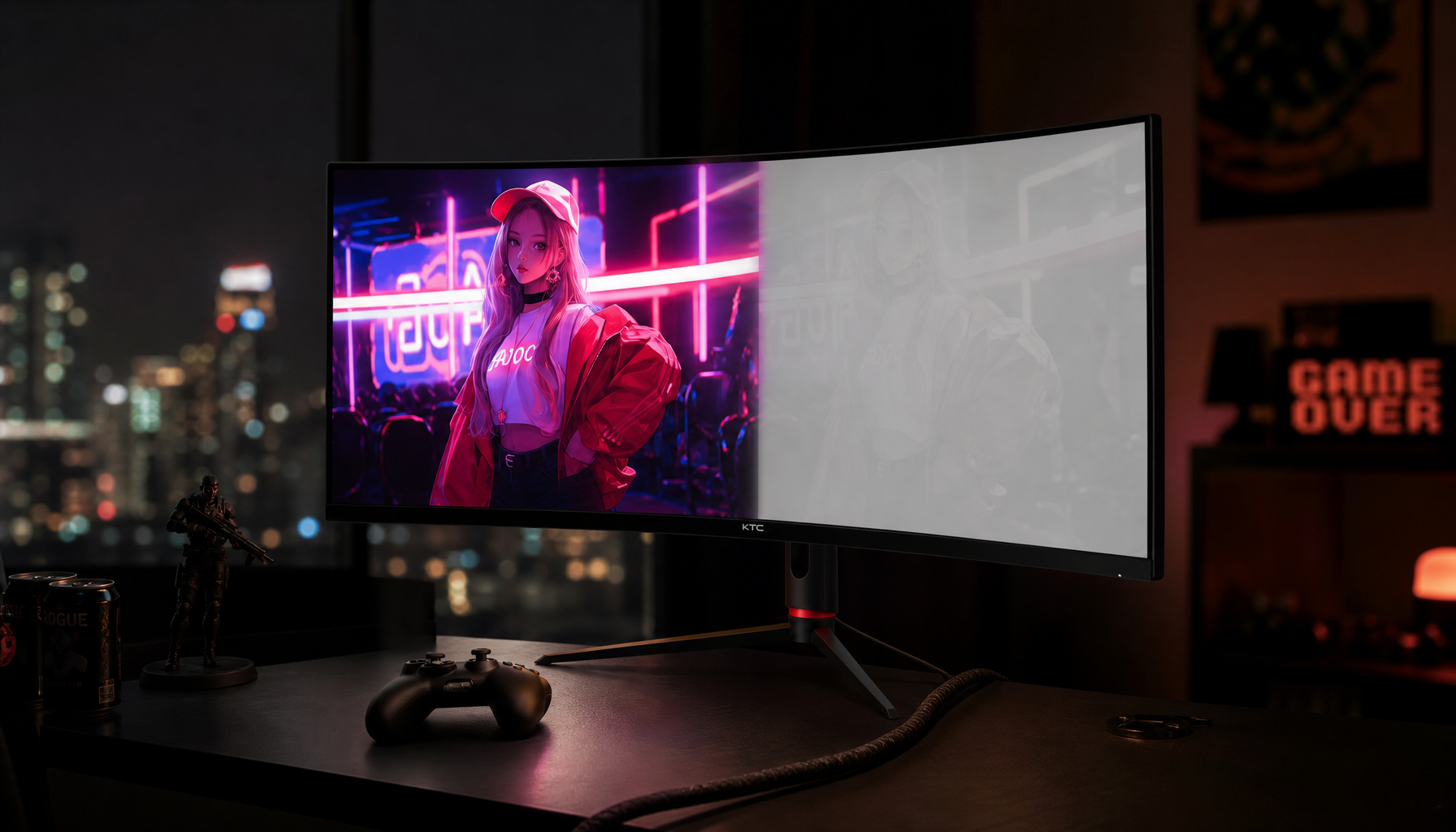
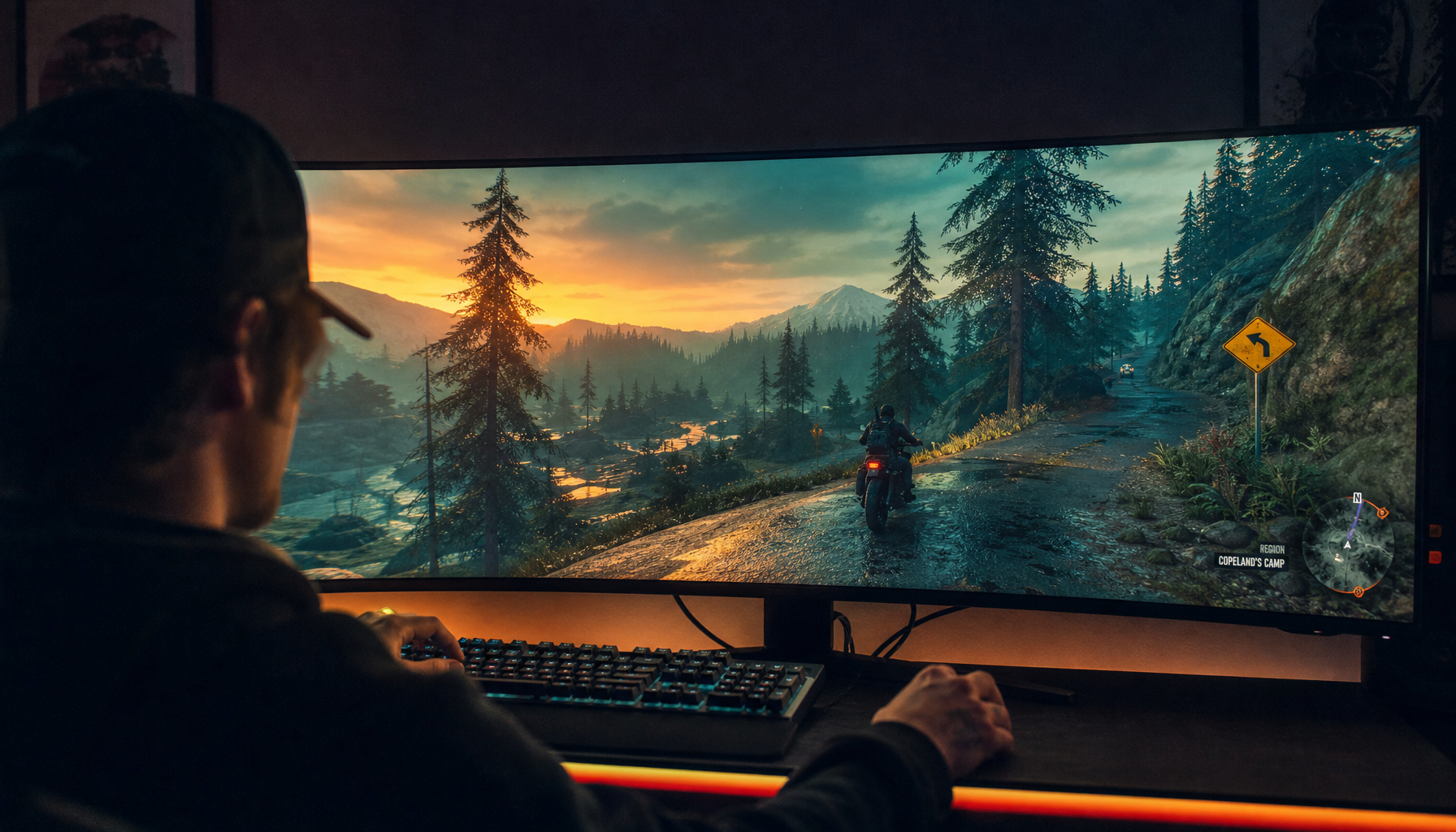
In 2026, the Mini-LED algorithm audit shows buyers should judge tuning before zone count: firmware behavior, native contrast, and dimming stability usually shape HDR more than the headline number alone. That matters most in dark-room movies and HUD-heavy games, where blooming, shadow detail, and brightness pumping become visible fast.
Why Zone Count Stops Short
Zone count is the backlight’s physical resolution, but it does not decide how intelligently zones react to subtitles, UI elements, or tiny highlights. As local dimming guides explain, local dimming is only one part of HDR control; the way it is tuned matters too. Independent discussions of halo and blooming behavior also show why two monitors with similar counts can look very different in practice. For a deeper look at how curve shapes change black depth, see How Do Different Dimming Curve Profiles Affect Perceived Black Level Depth?.
What the Algorithm Actually Controls
The algorithm mainly governs three things: how hard the backlight chases black levels, how well it preserves highlight detail, and whether the image stays stable across scene changes. That is why a strong implementation can look cleaner even at the same zone count. Halation analyses frame halation as a system behavior, not just a panel-spec issue. In practice, the key question is whether the monitor can hold dark scenes without visible pumping while still keeping bright detail intact. If you want the center-weighting logic explained in more detail, see Why Do Some Dimming Algorithms Prioritize Center-Screen Content Over Edges?.
Blooming Versus Shadow Detail
This is the main trade-off: more aggressive tuning can suppress halos, but it can also crush near-black detail; more conservative tuning can preserve texture, but it may leave more visible glow around bright objects. Panel type changes how far that trade-off can go. In general, HVA/VA panels tend to offer stronger native contrast than IPS panels at the same backlight spec, which helps dark-room HDR, while IPS can still be the better fit if off-axis consistency matters more than black depth. For buyers comparing that split, All-Mini-LED Monitors is the safest browse path, but it is not a guarantee of better HDR on its own. If you are evaluating a 27-inch 4K option, the M27P6 is worth checking only if you want an IPS Mini-LED and accept that dark-room contrast will not match a higher-contrast panel. If you need stronger black depth and can live with a different trade-off set, the M27T6 is the more natural comparison point.
How to Judge Tuning in Real Content
Test the monitor with three scenes: bright subtitles in a dark room, HUD-heavy games, and dark-mode desktop work. Look for breathing, halo spread, and whether menus trigger obvious backlight swings. If you mainly game competitively, some local dimming modes may not be a fit because stability and latency can matter more than deeper blacks. If you are comparing mid-sized Mini-LED options, the M27T6 is a better check if your priority is dark-room HDR on an HVA-style panel, while the M27P6 is the cleaner fit for buyers who prefer 4K IPS sharpness and wider viewing comfort. For a broader product scan, the All-Mini-LED Monitors collection helps you compare options, but you should still verify whether the dimming behavior suits your content.
Firmware Changes and Buying Risk
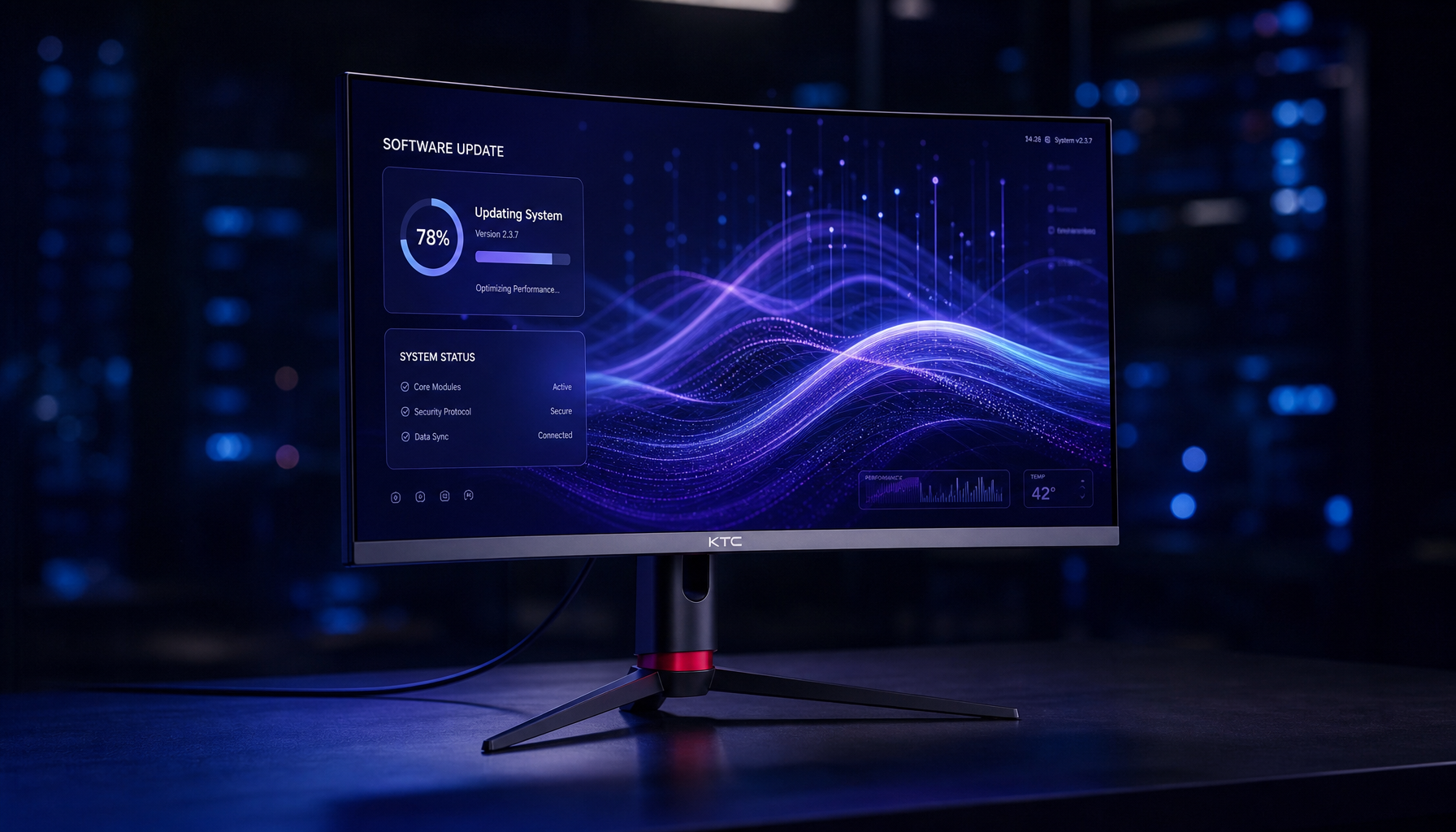
Firmware can change HDR behavior after purchase, so buyers should treat update support as part of the spec. That does not mean every update is risky; it means the experience can shift, sometimes improving dimming stability and sometimes changing how aggressive the image feels. If you dislike frequent mode switching, that is a not-a-fit signal, because a monitor that needs constant manual adjustment creates the kind of everyday friction many buyers want to avoid. Before buying, check whether the model’s tuning style fits how you actually use it, not just how it looks on a spec sheet.
Mini-LED is best treated as a tuning problem first and a zone-count problem second. If your priority is stable HDR with fewer artifacts, test the algorithm before you chase a higher number.