Rapid room-temperature swings do not usually recolor a monitor instantly, but they can destabilize brightness, white balance, and perceived contrast until the display and room settle.
Did your monitor look neutral in the morning, then slightly blue, dim, or muddy after the heater kicked on or sunlight hit the desk? A practical calibration routine can keep color decisions consistent by controlling warm-up time, lighting, picture modes, and recalibration timing. You’ll learn what changes are real, what is perception, and how to protect accuracy for gaming, creative work, office productivity, and portable screens.
Why Temperature Changes Affect Color Accuracy
Color accuracy means how closely a display reproduces intended colors against a known target, most often sRGB for web, games, and office content. Color accuracy is commonly judged through color error, white balance error, gamma, color temperature, and gamut coverage, not just whether a screen looks vivid.
Rapid environmental temperature changes matter because displays are physical devices. Backlights, OLED emitters, electronics, panel layers, and internal processing all respond to heat and operating conditions. The available guidance does not provide a universal “one degree equals X color shift” rule, and that distinction matters. In real setups, the bigger risk is instability: the display has not warmed up, the room lighting has changed, auto brightness has reacted, or a preset has changed gamma, white point, HDR, or saturation.
On calibration benches, the most repeatable results come after the display has been running in its normal mode for a short period and the room lighting is controlled. Calibration guidance recommends letting the monitor warm up for about 20 to 30 minutes, cleaning the screen, using native resolution, and keeping ambient lighting consistent.
What Actually Shifts: Brightness, White Balance, and Gamma
Brightness Is Usually the First Thing You Notice
A screen can feel less accurate after a fast room change because perceived contrast changes before measured color does. A dim display in a bright room makes shadows look compressed. An overly bright display in a dark room can make blacks look gray and whites harsh.
This is especially obvious in home offices and gaming rooms where sunlight, HVAC, and desk lamps change throughout the day. Monitor brightness should match the working environment because too much or too little brightness can increase eye strain and reduce usable detail.
For example, a creator editing product photos near a window may see neutral packaging look warmer in late afternoon, even if the display has not changed dramatically. The screen is now being judged against warmer room light and more glare. The practical fix is not to chase RGB sliders every hour. Stabilize the room first, then adjust brightness to the normal working condition.
White Balance Can Drift or Appear to Drift
White balance is where rapid changes become most visible. A neutral gray background may look slightly red, green, or blue depending on the monitor mode, panel behavior, and surrounding light. Color temperature strongly affects LCD monitor color reproduction: lower values look warmer, while higher values look cooler.
For most PC, web, and SDR workflows, D65 is the practical white-point target. It is the usual setting for ordinary PC use and sRGB, while D50 is used more often for print evaluation. That distinction matters: if you are grading website images, D65 and sRGB mode make more sense; if you are matching a printed proof under controlled viewing light, the target may change.
A simple real-world check is a neutral gray desktop, not a pure white page. Pure white can glare or clip, while mid-gray makes tint easier to see. If the gray looks clean after the screen warms up but shifts when sunlight hits the panel, the environment is contaminating your judgment.
Gamma Changes the Feeling of Depth
Gamma controls the tonal path between black and white, especially midtones and shadows. Gamma is commonly evaluated against the sRGB curve, with 2.2 as the target and 2.1 to 2.3 generally considered good.
A temperature swing by itself is not the same as changing gamma in the monitor menu, but it can make gamma errors more obvious. In a bright office, a darker gamma can crush shadow detail. In a dim gaming room, a lighter effective look can make blacks feel washed out. This is why a monitor that felt perfect at 10:00 AM can feel off during a late-night session without any file or game setting changing.
IPS, OLED, and Portable Screens React Differently
Panel technology affects how stable a display feels under changing conditions. IPS and OLED are both capable of accurate color, but they excel in different environments and workflows.
Display type |
Strength under changing conditions |
Main caution |
IPS |
Predictable whites, wide viewing angles, strong general consistency |
Blacks and contrast are weaker than OLED, especially in dark rooms |
OLED |
Deep blacks, high contrast, fast pixel response, immersive HDR and gaming |
Static UI, heat management, and brightness behavior need more attention |
Portable screens |
Flexible for travel, second-screen work, and compact desks |
Ambient light, USB power, and viewing angle can change perceived accuracy quickly |

For office productivity and multi-monitor setups, IPS remains a reliable baseline because consistency matters more than dramatic contrast. Multiple-monitor setups reduce context switching, but every display in the setup should be calibrated individually because even matching models can behave differently.
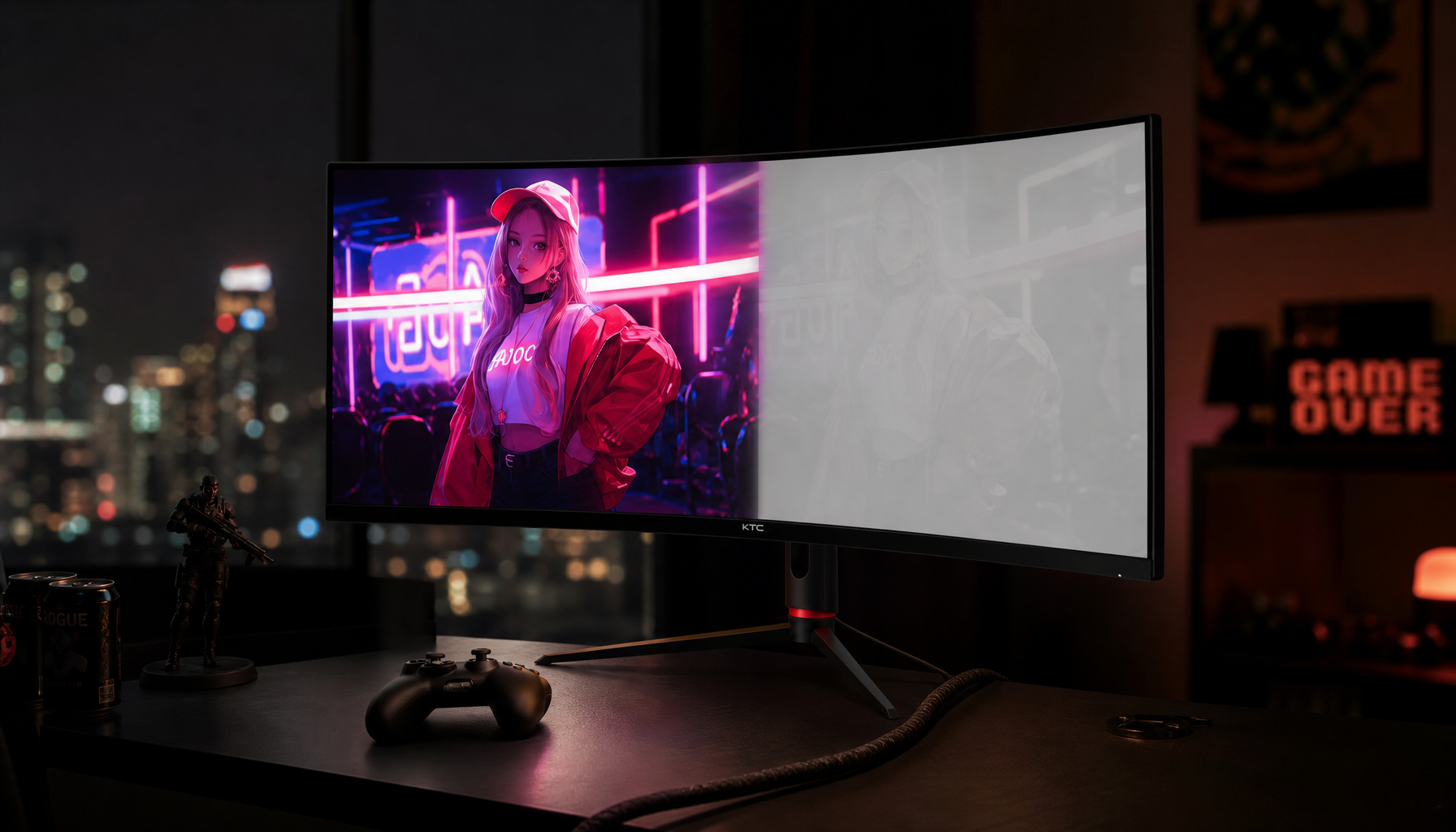
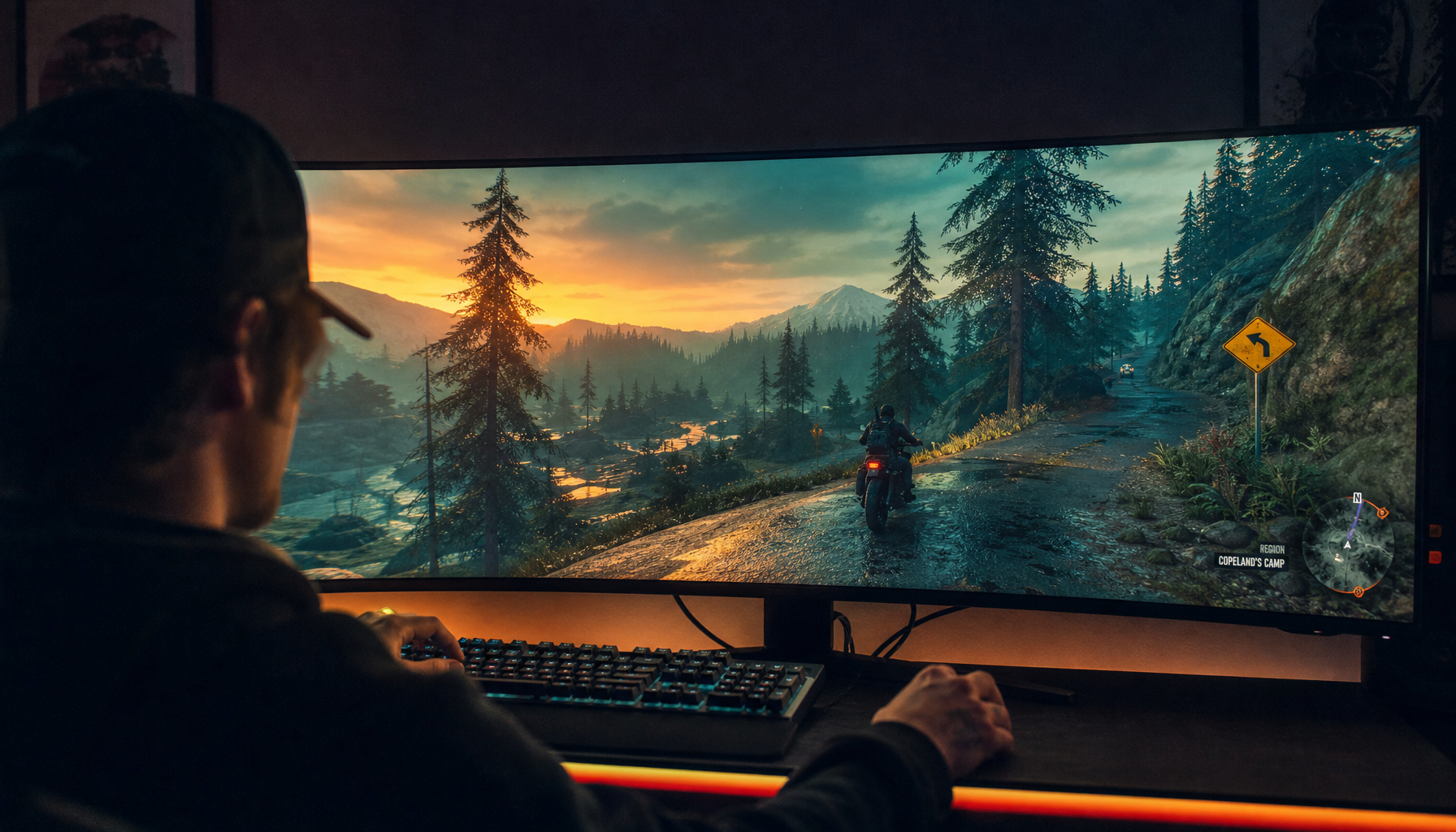
For immersive gaming, OLED and ultrawide displays can look spectacular, especially in controlled lighting. Ultrawide monitors add horizontal space and can make compatible games feel more enveloping, but vividness is not the same as accuracy. If the room shifts from cool daylight to warm lamps, a richly saturated OLED may still look impressive while becoming a less trustworthy reference for color work.

How Fast Should You Respond After a Temperature Swing?
The wrong response is to recalibrate immediately every time the room changes. Calibration captures a condition. If the room is unstable, you may be calibrating the momentary problem instead of the monitor.
A better approach is to wait until the screen and room reach the condition you actually use. For color-sensitive work, recalibrating a monitor about once per month is a practical baseline, while general office work, gaming, and streaming can often use a two- to three-month interval.
The fast-response checklist is behavioral, not obsessive. Let the display warm up for 20 to 30 minutes. Keep the same picture mode. Avoid Vivid, FPS, Movie, Eye Care, night-shift, and blue-light-reduction modes when judging color. Match brightness to the room. Remove glare. Then judge a grayscale ramp, skin tones, and brand colors.
Practical Setup for Stable Color in Real Rooms
For Pro Gaming Monitors
Use one stable Custom, User, or sRGB-like mode for desktop and content creation, then reserve high-impact gaming presets for play. Gaming presets can improve visibility, motion, and perceived contrast, but they often alter gamma, color temperature, saturation, overdrive, HDR tone mapping, or low-latency processing.
If your goal is competitive visibility, lower effective gamma may reveal dark areas. If your goal is creator-grade accuracy for thumbnails, streaming overlays, or product shots, return to the calibrated mode before making color decisions.
For Office Productivity Displays
A productivity display should prioritize comfort, clarity, and repeatability. Large screens, 1440p or 4K resolution, ergonomic adjustment, and useful connectivity all matter, but color stability depends on daily discipline. Keep the monitor at eye level, reduce glare, avoid direct sunlight, and use the same working brightness during important tasks.
For dual monitors, do not assume identical settings mean identical color. Calibrate each screen separately, then place the most color-critical window on the better display. The secondary screen can hold chat, spreadsheets, dashboards, or references without becoming the color authority.
For Portable Smart Screens
Portable screens are the most exposed to rapid environmental change because they move between rooms, desks, cafes, and travel setups. USB power behavior, glossy coatings, and changing ambient light can shift perceived contrast quickly.

Give a portable display a short warm-up before judging color. Use it as a reliable productivity or preview screen, but for approval-grade image work, trust the calibrated primary monitor. If you must edit on the portable screen, work in sRGB mode when available, disable adaptive brightness, and avoid direct sunlight.
Pros and Cons of Chasing Accuracy After Temperature Changes
Approach |
Pros |
Cons |
Calibrate frequently |
Best for paid color work, print matching, and approval workflows |
Requires hardware, time, and stable room conditions |
Use factory sRGB mode |
Fast, simple, good for web and office work |
Some monitors lock brightness or still need profiling |
Adjust by eye |
Convenient for casual use |
Unreliable across screens, lighting, and panel types |
Control room lighting first |
Improves repeatability without changing the monitor constantly |
Requires discipline and a consistent workspace |
The best value move is usually not the most expensive display. It is a stable workflow around the display you own. A $400 monitor in a controlled room with hardware calibration can beat a premium panel used in changing light with random presets.
FAQ
Does Cold Weather Permanently Damage Monitor Color Accuracy?
The available guidance does not support a blanket claim that ordinary cold-room use permanently damages color accuracy. The more defensible concern is temporary instability and judgment error while the display and room conditions are changing. If the monitor returns to normal after warming up and calibration checks pass, the issue was likely environmental or perceptual rather than permanent damage.
Should I Recalibrate After Moving a Monitor to Another Room?
Yes, if the new room has different lighting or the work is color-sensitive. KTC and professional calibration guidance both support periodic hardware calibration for serious color work, and a room move changes the viewing environment enough to justify a fresh check.
Is D65 Always the Right Target?
D65 is the best default for sRGB, web, SDR desktop work, and most gaming captures. Print evaluation may use D50 under controlled viewing conditions, while video workflows should follow the target standard for the content.
Final Word
Rapid environmental temperature changes usually hurt color confidence more than they instantly destroy color accuracy. Let the display warm up, stabilize the room, use a measured calibration target, and keep your performance modes separate from your reference modes. That is how a monitor stays immersive when you want impact and reliable when color decisions matter.