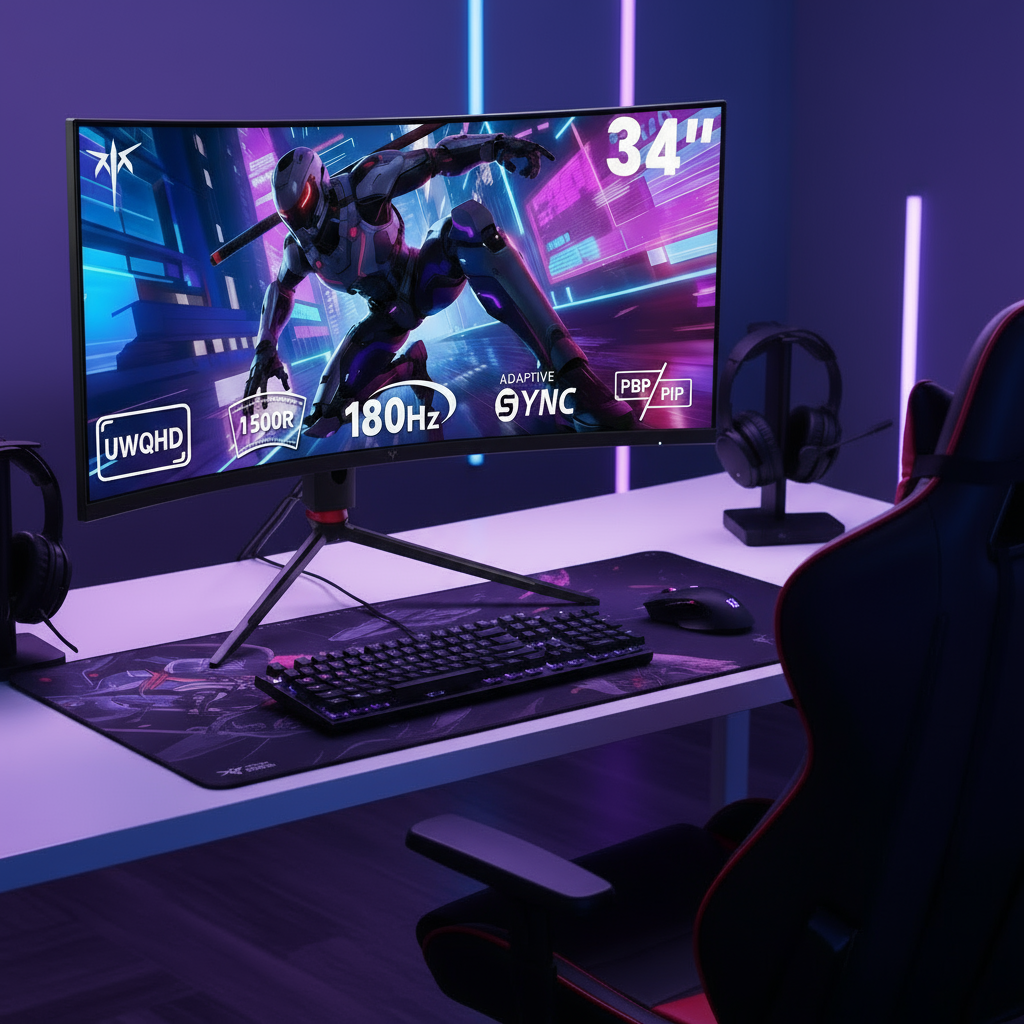




Yes, USB-C hubs and adapters can pass HDR and high refresh rate signals, but only when the whole chain supports the required bandwidth, video mode, cable quality, and display standard.
USB-C Is a Connector, Not a Performance Guarantee
USB-C can carry video, data, and power, but the port must support DisplayPort Alt Mode or Thunderbolt to output display signals. Without that support, even a premium hub will not turn the port into a gaming-grade video output.
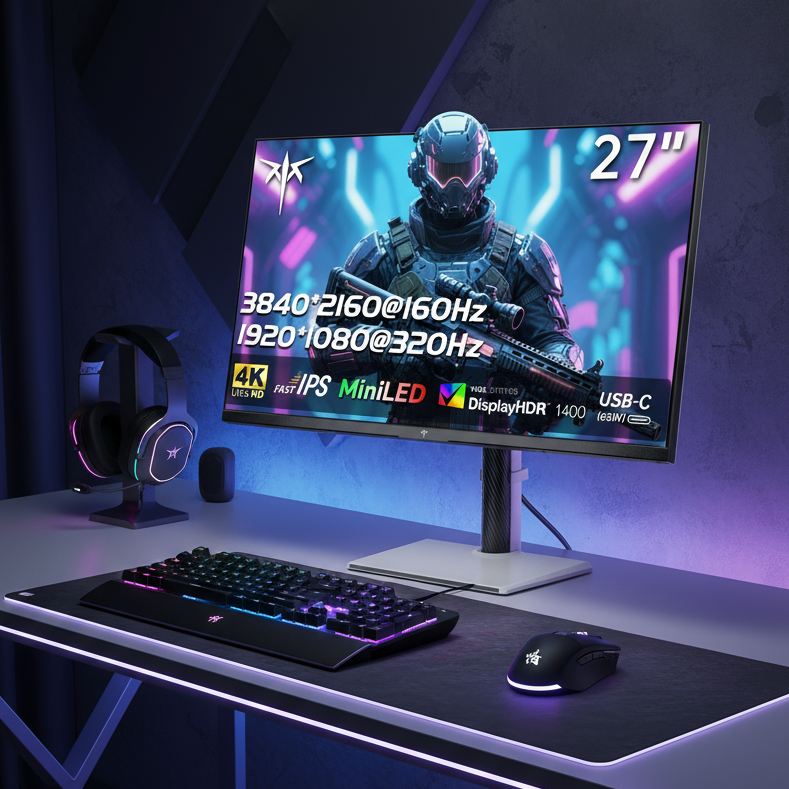
For productivity displays, 4K at 60Hz is a solid baseline because it keeps cursor movement, scrolling, and window dragging noticeably smoother than 30Hz. For gaming monitors, the target rises quickly: 144Hz, 165Hz, 240Hz, or higher requires more bandwidth and a stricter match between the GPU, hub, cable, and monitor input.

A practical rule is to verify the exact resolution and refresh rate together. “4K supported” may mean 4K at 30Hz, while a performance setup should clearly state 4K at 60Hz, 120Hz, or 144Hz.
HDR Needs More Than a Bright Monitor
HDR is not just a toggle in an operating system or streaming app. It depends on the source device, operating system, hub or adapter, cable, display input, and content format all agreeing on the signal.
That is why HDR can work through some USB-C to HDMI adapters while failing or falling back to SDR on others. HDR typically depends on stronger color and brightness signaling, and HDR video can expose weaknesses in signal processing, especially when USB-C video is converted to HDMI.

For phones, tablets, and laptops, the same logic applies: if HDR options do not appear, the connected display path likely does not support that mode end to end. In one phone example, HDR modes require support from the device, adapter, and external display.
High Refresh Rate Depends on Bandwidth and Conversion
High refresh rate is bandwidth math in disguise. A 1080p 144Hz signal is much easier to carry than 4K 144Hz HDR, and a simple office hub may not be designed for the second workload.
DisplayPort is often the cleaner path for PC gaming monitors because it is common on GPUs and high-refresh displays. HDMI can also perform extremely well, especially HDMI 2.1, but USB-C to HDMI often involves conversion, and conversion quality matters.
Key specs to check:
- Exact support for 4K at 120Hz or 144Hz, not just “4K”
- HDR10 support if HDR matters
- HDMI 2.1 or DisplayPort 1.4 where relevant
- DSC support for very high-bandwidth modes
- Certified cable recommendations
An active adapter can be the right tool when converting DisplayPort to HDMI for a TV or gaming display. For example, one active DisplayPort 1.4 to HDMI 2.1 adapter class advertises 4K at 120Hz with HDR, but that still assumes compatible GPU output, display input, drivers, and cable.

How to Pick the Right Hub or Adapter
Start with the monitor’s real target mode: resolution, refresh rate, HDR format, and input type. Then match every part of the chain to that target.
For office productivity, a USB-C hub with 4K at 60Hz, reliable Power Delivery, and stable USB ports is usually the best value. Many USB-C monitor setups also depend on whether the monitor supports video, charging, data, or one-cable docking; USB-C monitors vary widely in power delivery and docking features.

- Confirm USB-C video support on the laptop or PC.
- Match the HDMI or DisplayPort version to the monitor.
- Check HDR support explicitly, not by assumption.
- Use short, certified cables for high-bandwidth modes.
- Test first without extra hubs or extension cables.
The Bottom Line for Gamers and Power Users
USB-C hubs and adapters can pass HDR and high refresh rate signals, but only premium, correctly matched models should be trusted for performance displays. For a 4K 144Hz HDR gaming monitor, treat the hub like part of the graphics pipeline, not a simple accessory.
For office displays and portable smart screens, USB-C remains one of the cleanest ways to reduce cable clutter while keeping strong image quality. For serious gaming, buy by verified signal mode, not by connector shape.