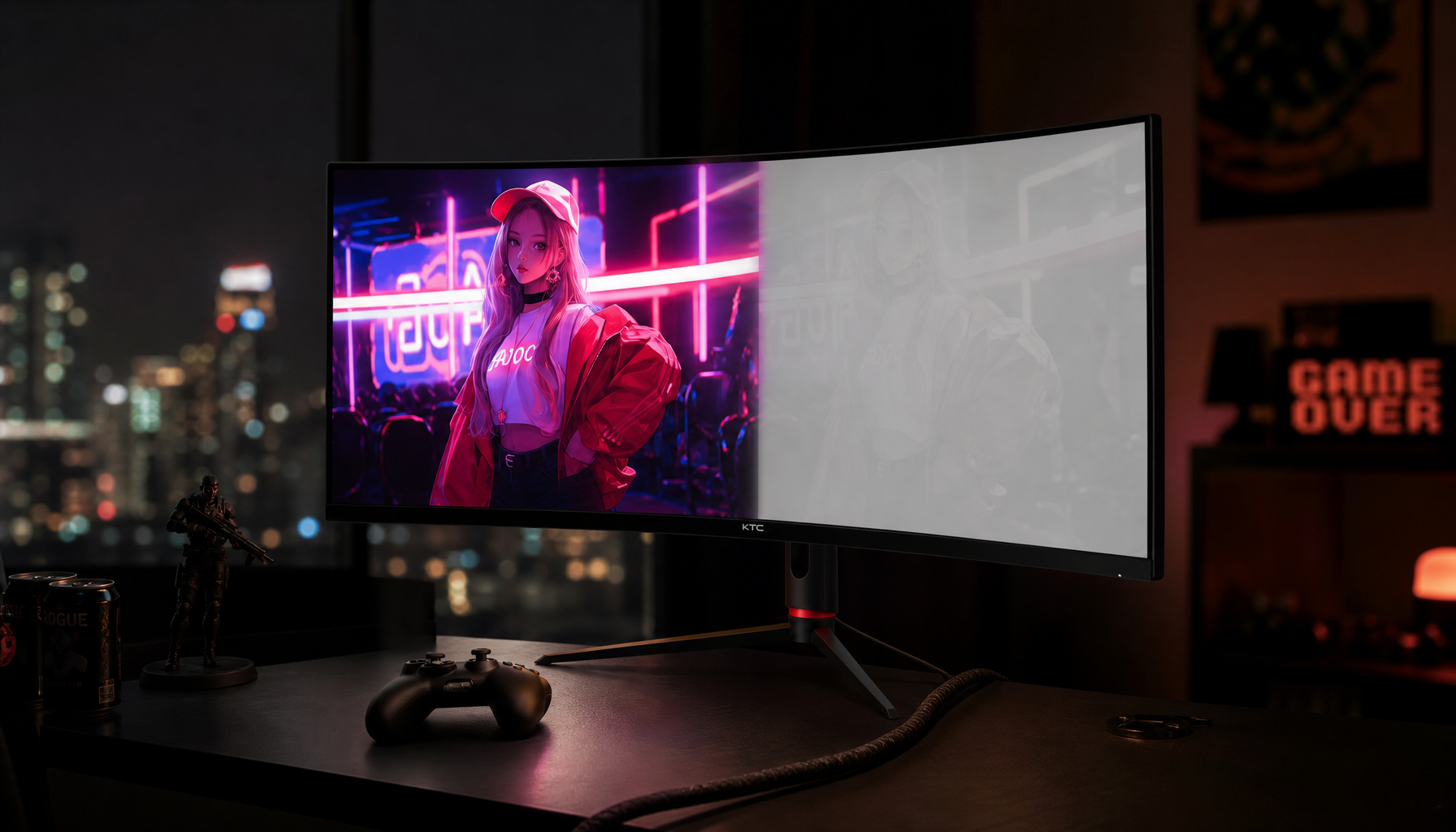
Virtual staging works best on-site when the display can move with the tour. For realtors, that usually means a rolling 4K canvas that keeps the visual comparison in the room, instead of sending buyers back to a laptop or desk. The advantage is mobility and timing, not a promise that the visuals will change the outcome of a showing.
Why Mobile Staging Changes the Tour Experience
In a live showing, the biggest advantage of virtual staging is context. Buyers can stand in an empty room, see a staged version beside it, and react while they are still inside the space. That makes the conversation more immediate and often easier to follow than a static slide deck or a laptop balanced on a counter.
A rolling display also fits the pace of open houses. Instead of pausing the tour to find a desk, the agent can keep the presentation next to the room being discussed. That does not mean the screen creates demand by itself. It just removes a common friction point: the moment when interest drops because the visual explanation is no longer where the buyer is standing.
If the showing is quick, crowded, or spread across several rooms, the mobility matters more than the display’s brand story. If the setup never needs to move, a fixed screen can be simpler. For touring, though, a moving display is usually the more practical choice.

What Realtors Need From a Touring Display
For this use case, the question is not “What has the most features?” It is “What stays readable, movable, and easy to control while people are standing around the room?” A 32-inch 4K canvas is easier to read from conversational distance than a laptop-sized screen, especially when the image includes furniture layouts, room labels, or side-by-side comparisons.

Screen Size and Readability in Bright Interiors
A larger screen helps buyers read the room faster. That matters because virtual staging is a visual decision aid, not a technical demo. The 32-inch mobile touch screen collection is the closest match to that need because it centers on portable 4K and FHD touch displays rather than desk-bound monitors.
For this topic, the key check is not just diagonal size. It is whether the screen still feels legible when the group stands several feet away or when ambient light is bouncing around a vacant house. A 4K panel can help with sharpness, but glare handling and panel quality still shape whether the image feels convincing or washed out.
Battery Life and Outlet Independence
Battery power matters when the agent cannot depend on a nearby outlet. That is especially true in vacant properties, luxury listings, or weekend open houses where the route through the home is unpredictable. The A32Q7 Pro 32-inch 4K mobile touch screen monitor lists a 9500mAh battery, rolling wheels, touch support, and a 32-inch 4K display, which is the kind of mix that suits room-to-room presentations.
The boundary is simple: if the tour length or casting load is likely to outlast the battery, the screen stops feeling mobile and starts feeling like another device you have to manage. In that case, keeping it plugged in may be fine, but the workflow loses some of the advantage that makes it useful in the first place.
Touch Control and On-Screen Interaction
Touch control helps because real estate tours move quickly. An agent can switch scenes, zoom in on furniture placement, or compare two staged looks without opening a laptop menu or passing a mouse around. That keeps attention on the room instead of on the device.
This is most useful when the content is already prepared. It is less useful if the team expects the display itself to generate or edit staging concepts on the fly. The display should be treated as the presentation surface, not the staging engine.
Color and Glare Handling for Sales Conversations
Color and glare handling matter because buyers judge staged interiors visually. The A32Q7S 32-inch 4K Android 14 smart touch monitor adds anti-glare coating, hardware low blue light, and a 3000:1 contrast spec, which points toward cleaner presentation use than a basic office screen. Those details do not guarantee a better conversation, but they can reduce the visual distraction that makes staged images look flat.
A practical rule: if the room is bright, glossy, or full of windows, anti-glare matters more than raw sharpness alone. If the room is dim or controlled, the screen has an easier job and the difference becomes less dramatic.
How the MegPad Fits Virtual Staging Workflows
The best workflow is usually simple. Prepare the staged room options before the showing, then use the screen to walk the buyer through each version while standing in the actual space. That keeps the presentation aligned with the room and avoids making the buyer mentally jump between a phone and the home in front of them.
The Mobile Touch Screen collection is useful here as a browsing path because it groups the rolling MEGAPAD models in one place. If you want a 4K mobile screen for field presentations, that is the cleanest category entry point. If you want a smaller or lighter device, the same collection also makes it easier to compare size tiers before deciding that 32 inches is the right trade-off.
A good way to think about the setup is this: the software creates the staged concept, and the screen makes that concept portable. The MegPad helps when the team needs to show choices in motion, not when it needs to replace the workflow that built the images in the first place.
The strongest use case is a room-by-room open house with multiple buyer groups. In that situation, people do not want to wait while someone reopens a laptop, reconnects a cable, or looks for the correct file. A rolling display keeps the presentation in the room and reduces the chance that the moment gets lost.
Rolling Setup vs Fixed Display Options
A rolling display wins when the presentation has to move with the people. A fixed display wins when the audience stays in one place. A laptop wins for prep work, but it becomes less effective once several buyers are standing in a room and the agent needs everyone to see the same staged view.
| Setup Type | Where It Fits Best | Main Strength | Main Friction |
|---|---|---|---|
| Rolling 4K display | Open houses, walkthroughs, room-by-room comparisons | Moves with the tour and keeps visuals visible to the group | Heavier than a laptop and needs charging discipline |
| Fixed display | Reception area, model home, permanent sales suite | Simple once installed | Not ideal when the viewing point changes |
| Laptop | Private prep, quick edits, solo meetings | Easy to carry and fast to open | Small screen and awkward for group viewing |
The difference is less about feature superiority and more about workflow friction. If your biggest pain is moving the visual conversation from room to room, the rolling display is the better fit. If your biggest pain is simply storing and editing staging materials, a laptop may still be enough.
A Practical Rollout for Showings and Open Houses
- Prepare a small set of staged room scenarios for each listing type.
- Load the visuals before the tour starts, so you are not troubleshooting in front of clients.
- Confirm Wi-Fi, battery level, and casting or app access ahead of time.
- Roll the display where buyers can see it without blocking foot traffic or sightlines.
- Keep the comparison tied to the room being discussed, not to a generic pitch.
- Save a final comparison view for follow-up if the buyer asks for it.
That sequence keeps the setup operational instead of theatrical. It also prevents a common regret: overestimating how much live technology the tour can absorb before it starts to slow the conversation down.
For a related workflow, the same mobility logic appears in rolling displays for pop-up events. The setting is different, but the operational lesson is similar: when people move, the screen has to move too.
What to Check Before Buying
Before a realtor chooses a mobile display for staging tours, five checks matter more than the spec sheet headline.
- The screen should be large enough to read at conversational distance.
- The battery should match the length of your open houses and walkthroughs.
- The operating system should fit your actual presentation workflow.
- The stand and wheels should make movement easier, not more annoying.
- The exact model page should confirm ports, battery, warranty, and support terms.
If one of those pieces is missing, the display may still work, but the tour will feel more fragile. In that case, it is better to verify the requirement first than to assume the device will fit a live showing just because it looks portable.
The KTC MEGAPAD 32-inch 4K Android 13 model is the stronger fit when you want a 32-inch battery-powered screen with rolling mobility. The Android 14 32-inch option is the cleaner fit if you want the same class of display with a different software version and anti-glare handling.
What Realtors Should Do Before Using AI Staging Images
Virtual staging is most useful when the visuals are clear, labeled appropriately, and consistent with brokerage or market expectations. Realtors should verify disclosure practices before using AI-generated images in a listing or tour, especially if the staged look could be mistaken for the current physical condition of the property (AI staging disclosure rules). The display solves presentation logistics, not disclosure obligations. AI-powered tools enhance listing visuals without physical furniture (HousingWire virtual staging overview).
That boundary matters because a polished visual can make the room easier to understand, but it should not be used to blur the line between an empty home and a digitally staged one. If the market or brokerage has a disclosure rule, follow that rule first.
FAQs
Q1. How Does Virtual Staging Work During an On-Site Property Tour?
The agent shows staged room images or room variations live during the tour so buyers can compare furnished looks in context. The key benefit is that the buyer stays in the room while looking at the visual, which usually makes the comparison easier to understand than sending them back to a desk or laptop.
Q2. What Makes a Rolling 4K Display Useful for Real Estate Marketing?
It combines mobility, a larger screen, and better readability for group viewing. That matters most when the display has to move from room to room during a showing. If the screen stays in one place, the benefit drops and a fixed display may be enough.
Q3. Why Use a Battery-Powered Display Instead of a Laptop?
A battery-powered display reduces outlet dependence and gives the whole group a larger shared viewing surface. A laptop is still useful for prep and editing, but it is less comfortable when several people are standing in a room and trying to follow the same staged comparison at once.
Q4. Can the MegPad Be Used With AI Staging Software?
It can serve as the presentation screen if your workflow supports casting, app access, or another compatible output method. The buyer still needs to verify exact software compatibility before purchase, because the display itself is only one part of the staging workflow.
Q5. What Should Realtors Verify Before Using AI-Generated Staging Images?
They should check disclosure practices, image quality, and any brokerage or market-specific rules before the tour or listing goes live. That keeps the presentation honest and avoids confusing digitally staged visuals with the property’s current physical state.
A Better Fit for Moving Tours
For realtors who want virtual staging to travel with the showing, a rolling 4K display is a practical tool rather than a flashy one. It works best when the visuals are prepared in advance, the group is moving room to room, and the agent wants to keep the conversation inside the property. If those conditions are not true, a laptop or fixed screen may be simpler.