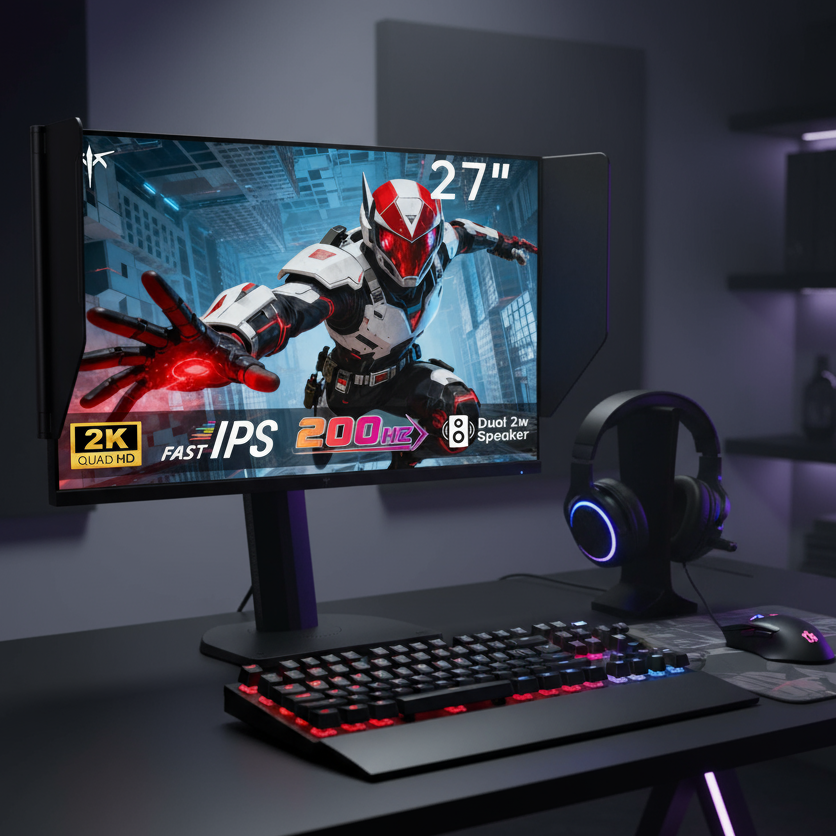
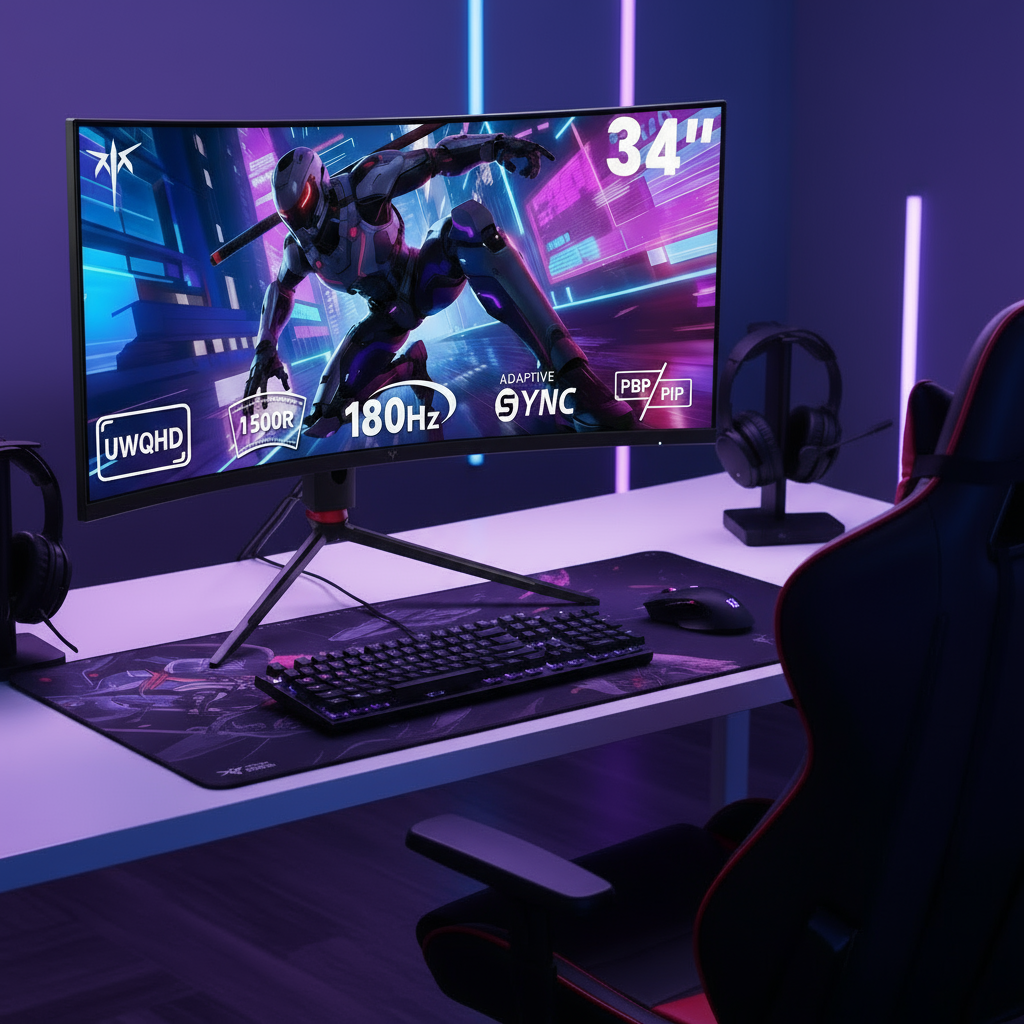


Visible scan lines or horizontal banding usually come from a mismatch between the panel’s pixel-driving behavior, refresh timing, signal quality, or internal hardware limits.
Why Solid Colors Expose the Problem
A flat gray, blue, or dark background is a stress test for uniformity. With no texture to distract your eye, tiny differences in brightness, voltage control, subpixel behavior, or backlight consistency become easier to see.

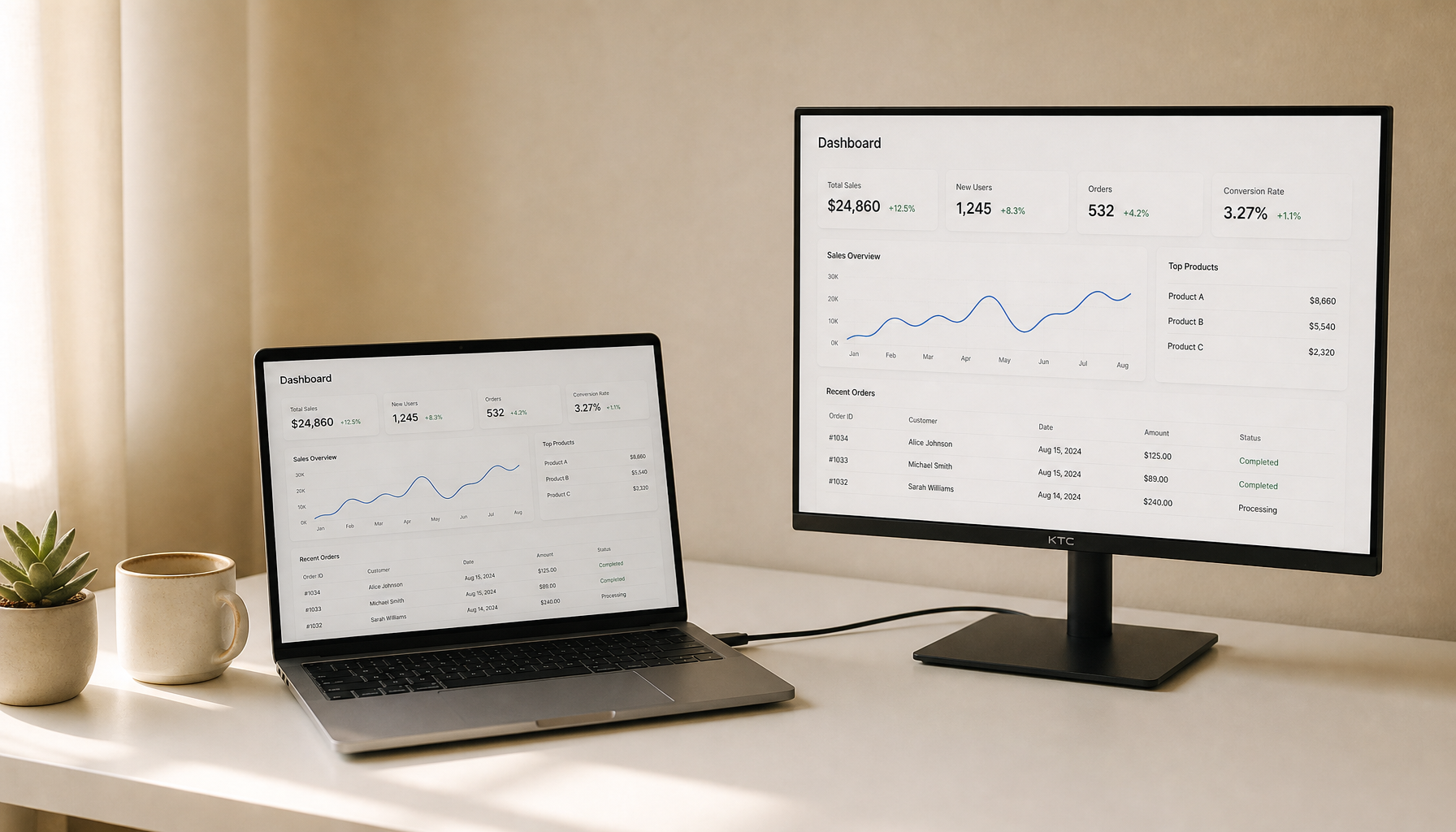
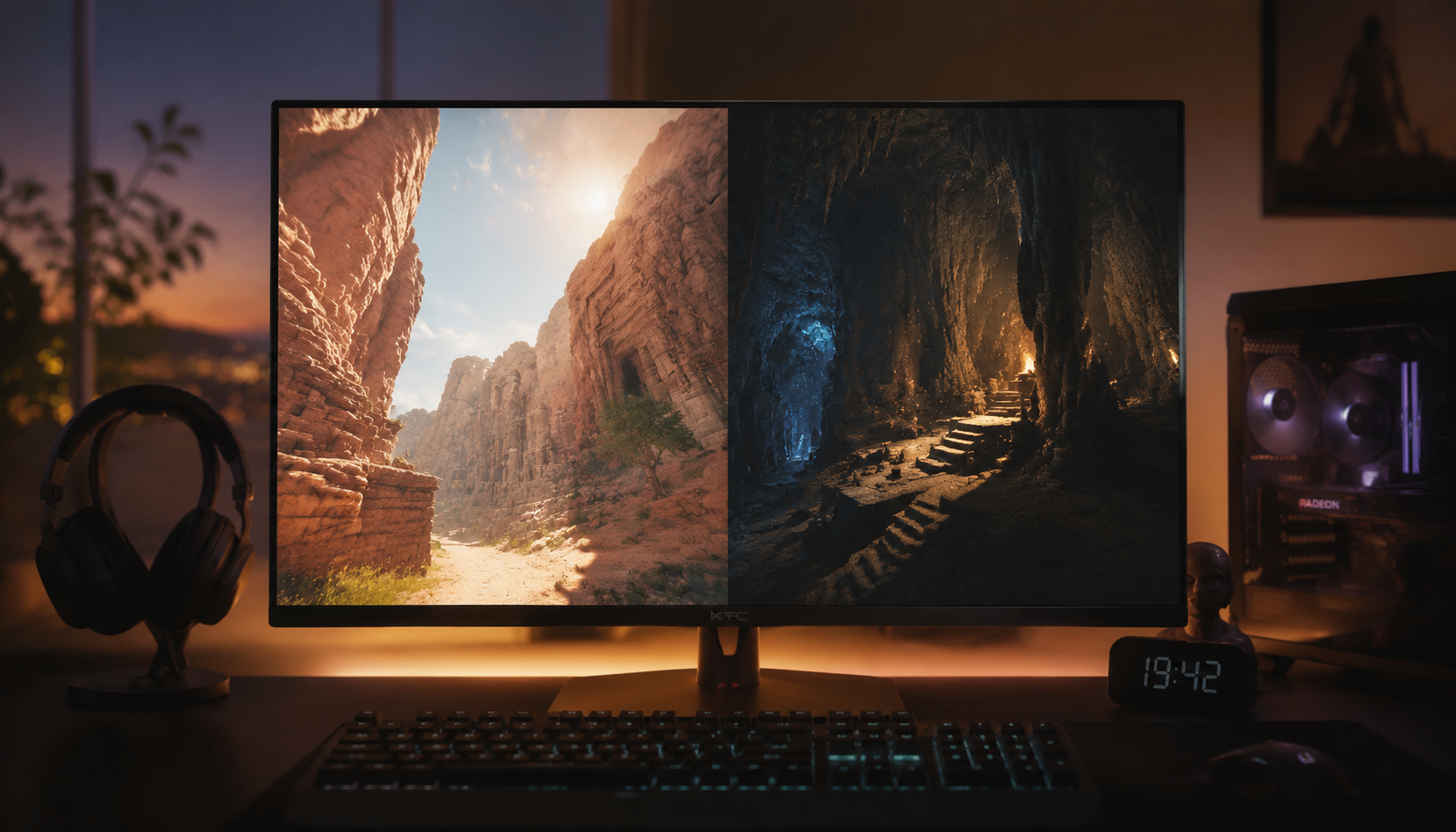
This is why the issue may look worse on loading screens, spreadsheets, design canvases, sky gradients, or dark game scenes. The artifact can appear as faint horizontal bands, scan-line-like stripes, or an interlaced pattern that becomes more obvious when the image moves.
Panel type matters, too. LCD families such as TN, VA, and IPS differ in contrast, viewing angles, and response behavior, so LCD panel technologies can expose different weaknesses under the same image.
Refresh Rate and Timing Can Make Lines Worse
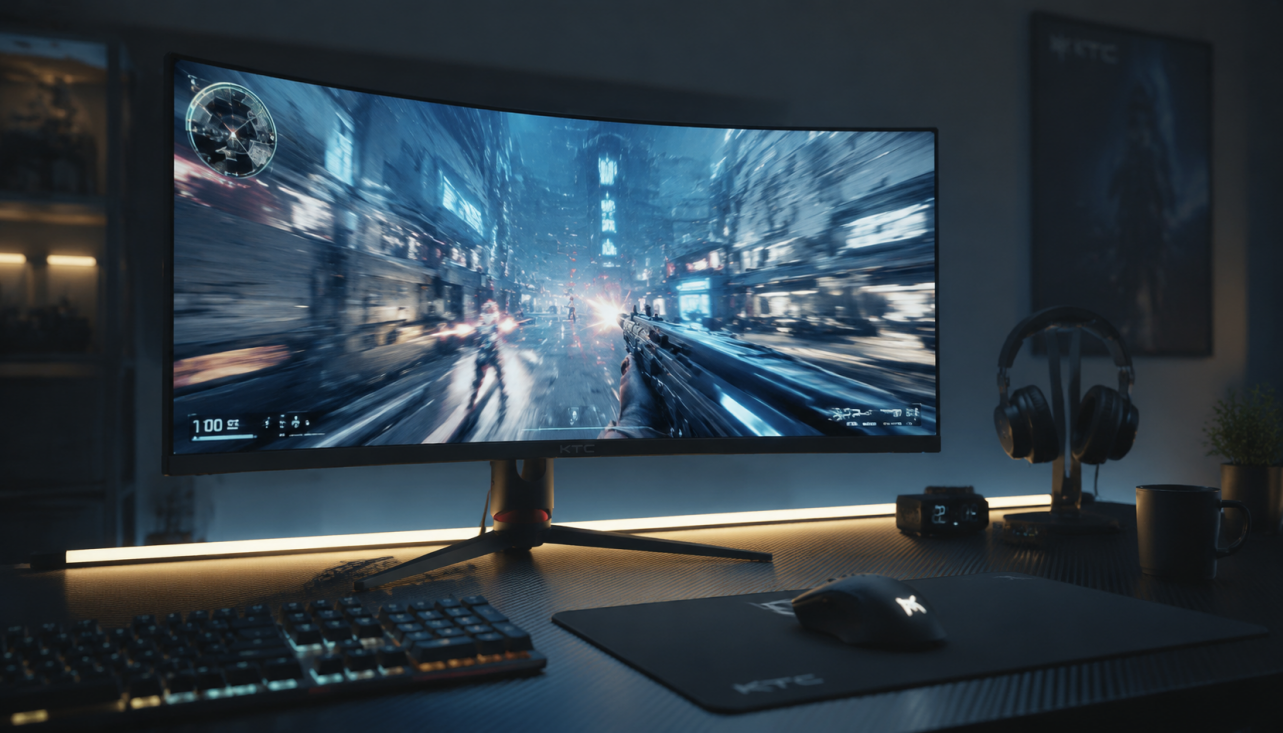
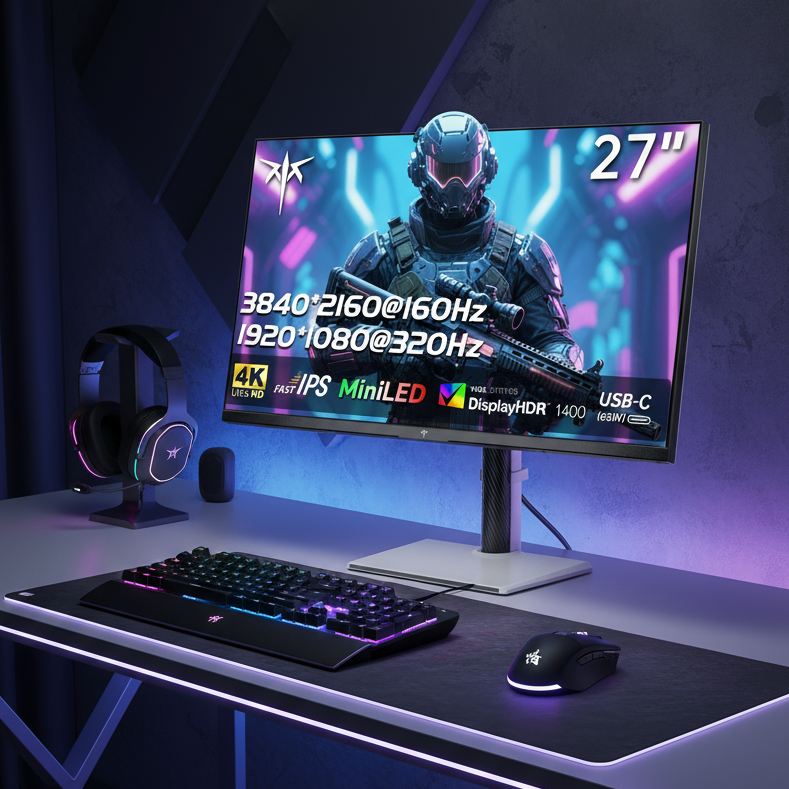
High-refresh gaming monitors push a lot of data very quickly. If the panel, cable, graphics output, or monitor processing is near its limit, certain refresh rates can reveal banding that is less visible at another setting.
A practical example: users troubleshooting scan-line artifacts often test whether lowering the refresh rate changes the result, because changing refresh rate can show whether the issue is tied to timing rather than the image itself.
That does not mean 240 Hz or 165 Hz is bad. It means the full chain has to be clean: graphics output, cable bandwidth, monitor firmware, overdrive behavior, VRR settings, and the panel’s own scan-driving method all have to cooperate.
For competitive gaming, the quick check is simple: test the same solid-color image at 60 Hz, 120 Hz, 144 Hz, and the monitor’s maximum refresh rate. If the banding changes sharply, timing is part of the story.

Signal, Cable, and Power Issues Are Easier to Fix
Before blaming the panel, verify the signal path. Loose cables, damaged ports, weak adapters, and unstable power can all create horizontal or vertical artifacts.
Start with these quick checks:

- Reseat both ends of the HDMI, DisplayPort, or USB-C cable.
- Try a certified cable rated for your resolution and refresh rate.
- Remove adapter chains, docks, or cheap hubs.
- Test another graphics port or another computer.
- Check whether the monitor menu shows the lines.
That last step is important. If lines appear in the monitor’s own on-screen menu or remain with the video cable disconnected, the problem is more likely inside the monitor. General monitor troubleshooting also points to cables, drivers, overheating, settings, and hardware failure as common causes of horizontal lines.
For portable smart screens, power delivery adds another variable. A USB-C cable may charge a device but fail to carry stable video, or it may carry video while underfeeding the display.
When It Is the Panel, Not Your Setup
Some scan-line or banding behavior is panel-inherent. That means it can vary by model, production batch, firmware, or even the exact panel revision inside two monitors with the same retail name.
High-refresh IPS and OLED gaming displays can sometimes show line patterns in specific colors, near-black shades, or motion states. In user reports, artifacts have appeared more strongly at certain frame-rate and refresh-rate combinations, especially in darker games; one discussion describes interlace pattern artifacts that were less noticeable at higher frame rates.
The performance-first lesson: do not judge a display only by peak refresh rate, response time, or contrast ratio. A monitor can be fast and still have a uniformity quirk that bothers sensitive users.
Some visible banding is not a defect at all. It may be source compression, limited color depth, aggressive overdrive, VRR behavior, or a game engine’s own gradient rendering.
The Smart Buying and Testing Takeaway
If you are buying for esports, productivity, or portable work, test the screen the way you actually use it. Open solid gray, dark gray, blue, and white full-screen images. Move windows across them. Try your real refresh rates, not just the default setting.

For office displays, prioritize clean uniformity, stable text rendering, and reliable connectivity. For gaming monitors, balance refresh rate with panel quality, overdrive tuning, VRR behavior, and warranty support.
A good monitor should disappear into the work or the game. If solid colors constantly pull your attention to lines, bands, or flicker, that screen is costing immersion, focus, and value.