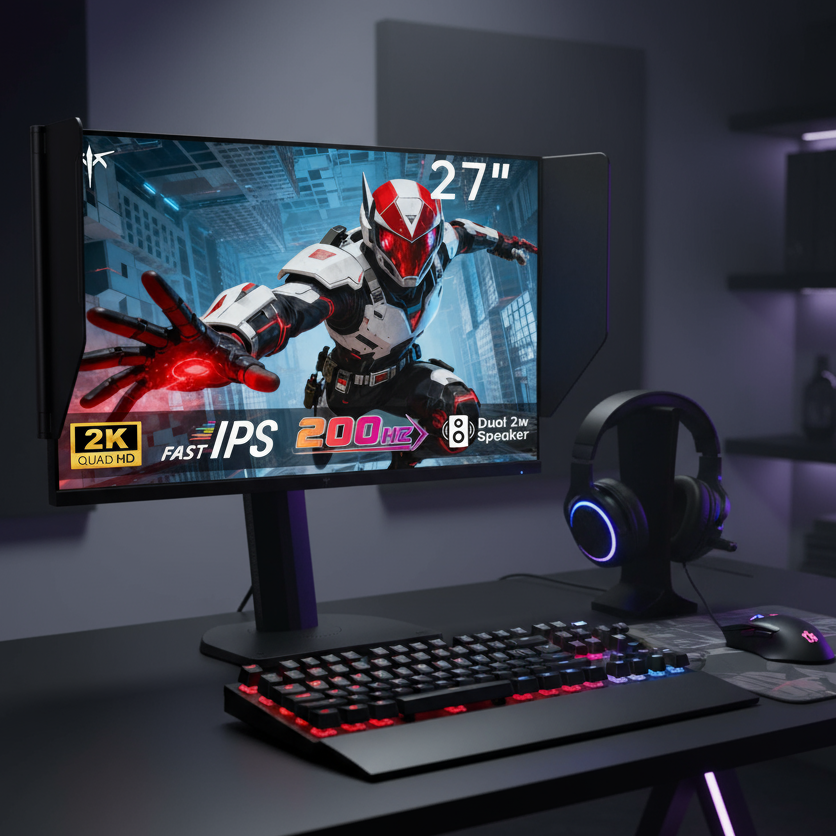
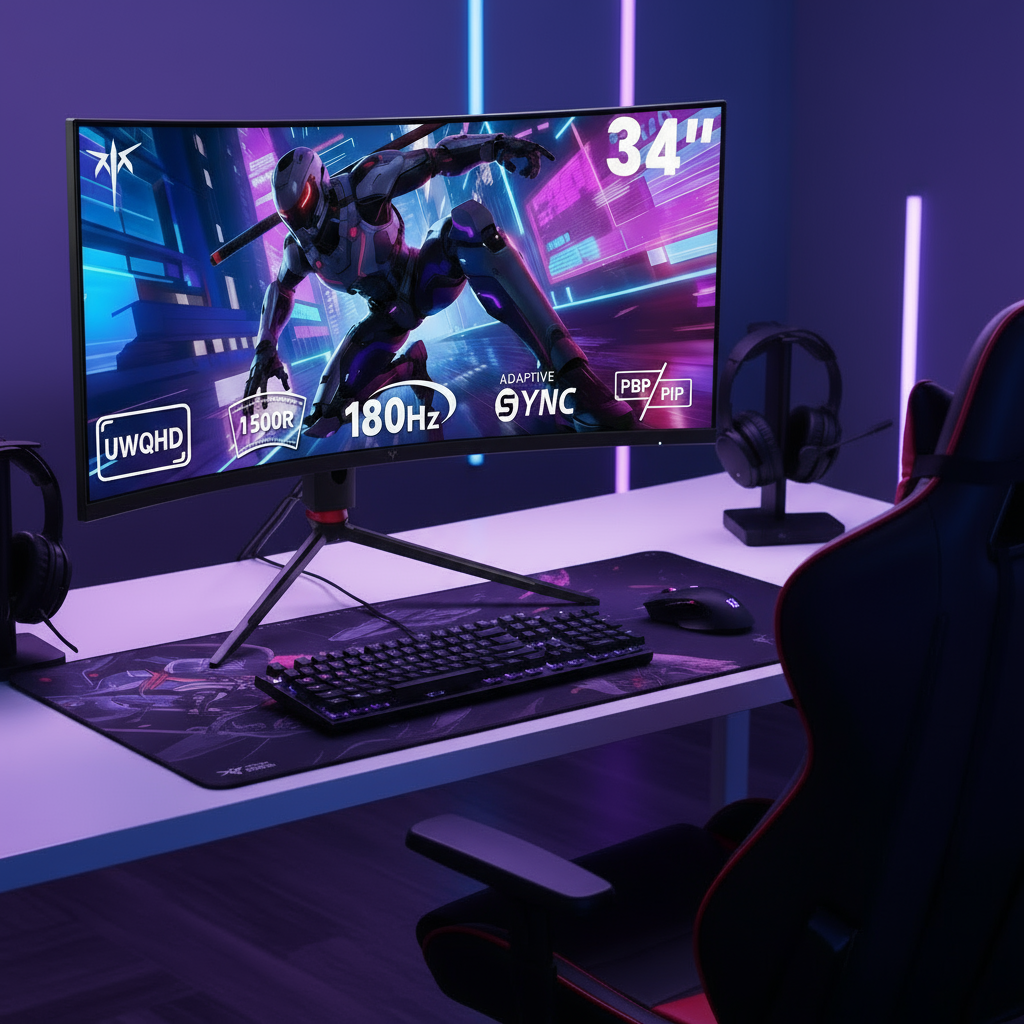




Panel native resolution is the fixed pixel grid built into a monitor. For the sharpest text, cleanest interface, and most accurate game detail, your PC should send the screen its exact native pixel count.
Native Resolution Is the Panel’s Real Pixel Grid
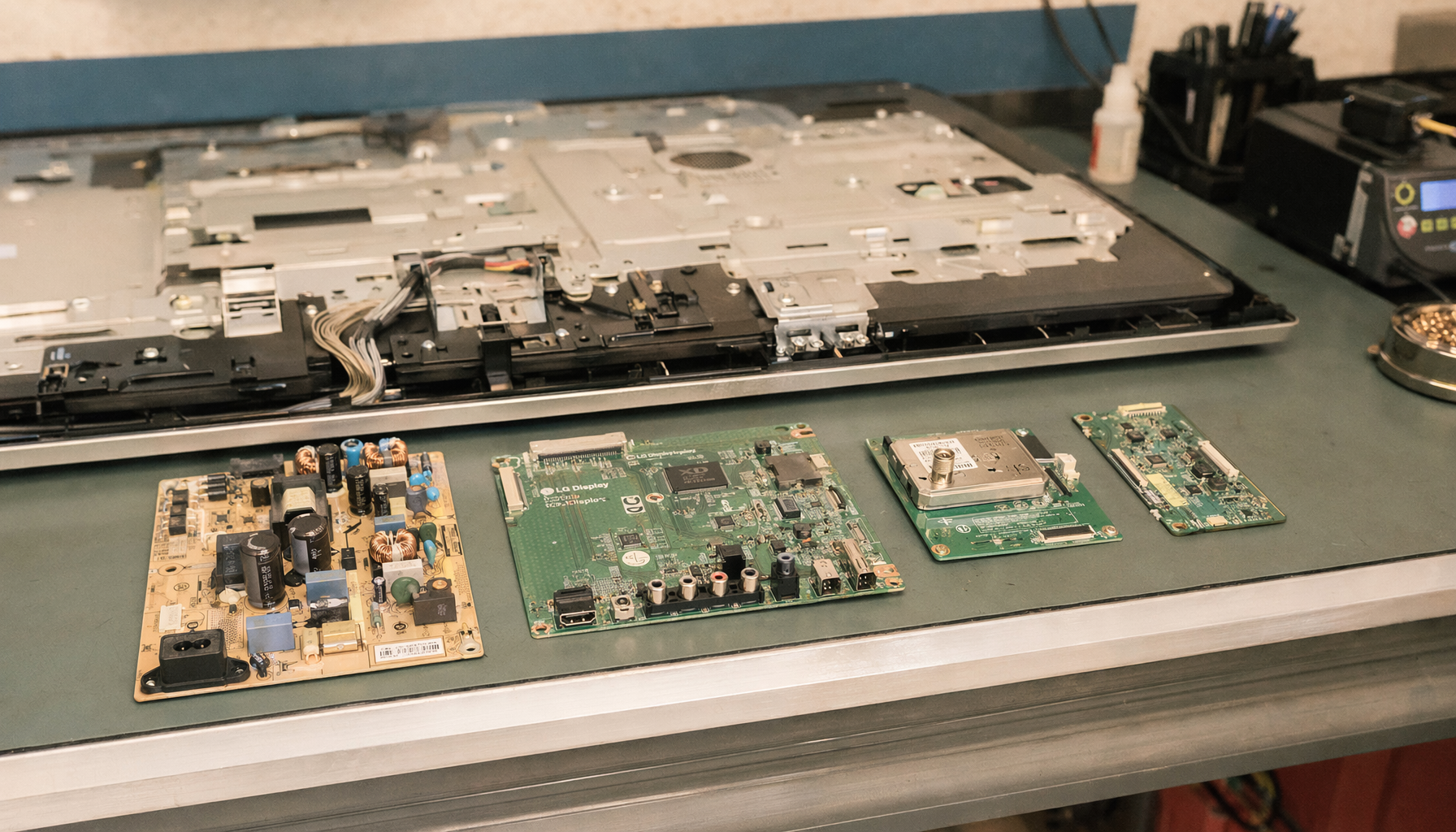
A modern LCD or OLED panel is not a blank canvas. It has a manufactured matrix of physical pixels, and display resolution is commonly written as width by height, such as 1920 x 1080.
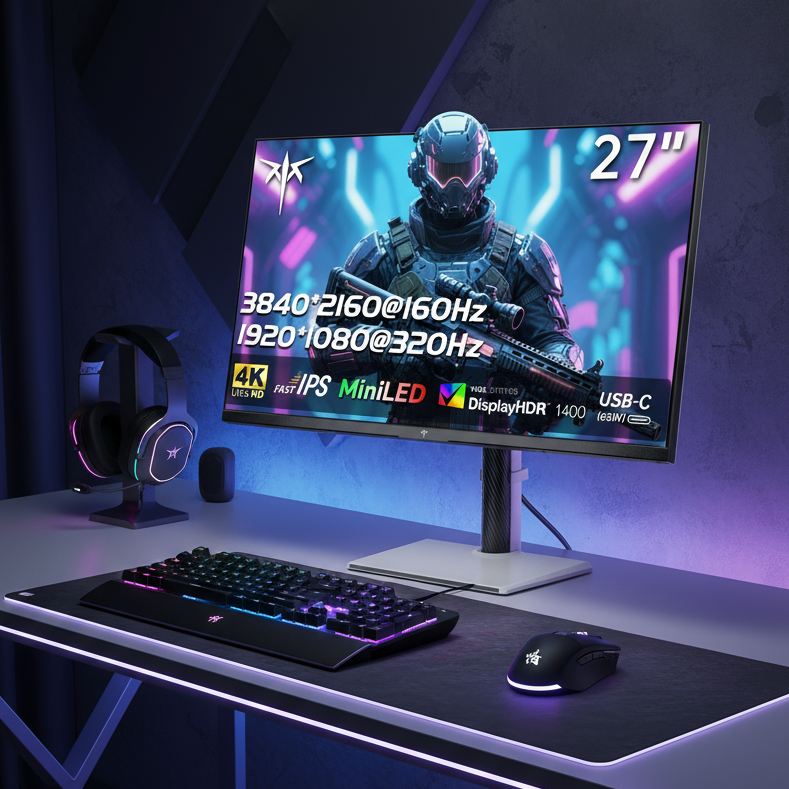
That means a 1080p monitor has 1,920 pixel columns and 1,080 pixel rows. A 4K UHD monitor has 3,840 by 2,160, or about 8.3 million pixels.
At native resolution, one image pixel maps to one panel pixel. Text strokes land where they should, game HUD elements stay crisp, and spreadsheet lines do not look smeared.

Why Lower Resolutions Look Blurry
When you run a 2560 x 1440 monitor at 1920 x 1080, the panel still has 2560 x 1440 physical pixels. The monitor or GPU must stretch that smaller image across a larger grid.
That stretching is called scaling or interpolation. It estimates missing pixel information, so edges often become soft, fine text loses sharpness, and interface icons can look slightly inflated or fuzzy. One support article describes lower-than-native scaling as an interpolated process that can create blurry images.

The math is the problem. 1080p does not divide cleanly into 1440p in a simple whole-number way, so many pixels become blended guesses instead of exact matches.
For gaming, that blur can hide small targets and soften motion detail. For office work, it makes long reading sessions more tiring because your eyes keep trying to resolve edges that are not fully sharp.
Bigger Screens Make the Tradeoff More Visible
Resolution is only part of perceived sharpness. Screen size and viewing distance matter because they determine pixel density.
A 24-inch 1080p monitor can look sharp at a normal desk distance. A 27-inch 1080p monitor spreads the same pixels over more glass, so text and fine interface lines look coarser. That is why 27-inch 1440p is often the performance sweet spot: it gives noticeably better density without the GPU load of 4K.

For a practical example, 4K has four times the pixel count of 1080p. Dropping a 4K monitor to 1080p may improve frame rate, but you are asking a premium panel to display a softer, enlarged image.
Integer scaling can make some retro games or pixel-art titles look clean at lower resolutions, but it usually creates a blockier look rather than true native sharpness.
How to Keep Your Screen Sharp
Use the monitor’s native resolution first, then adjust scaling, in-game render settings, or app zoom to control size and performance. Your operating system usually marks the panel’s native mode as the recommended display resolution.
Quick setup checks:
- Go to Settings > System > Display.
- Select the correct monitor in a multi-display setup.
- Set Display resolution to Recommended.
- Increase Scale for larger text instead of lowering resolution.
- In games, lower render scale or quality settings before changing desktop resolution.

The Bottom Line for Gamers and Productivity Users
Native resolution is the baseline for a monitor’s best image quality. Running below it can help weak hardware push more frames, but the cost is softer text, less precise edges, and reduced visual confidence.
For competitive play, use native resolution and tune graphics settings for frame rate. For productivity, keep native resolution and raise interface scaling if text feels small. That gives you the best balance: sharp pixels, readable layouts, and the performance headroom your setup can sustain.