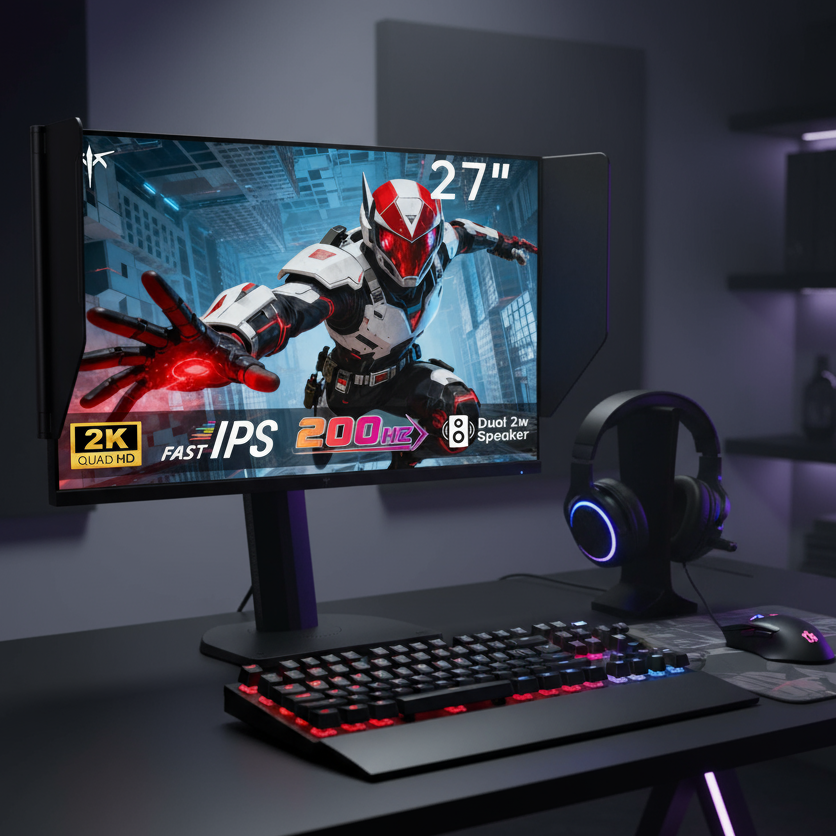
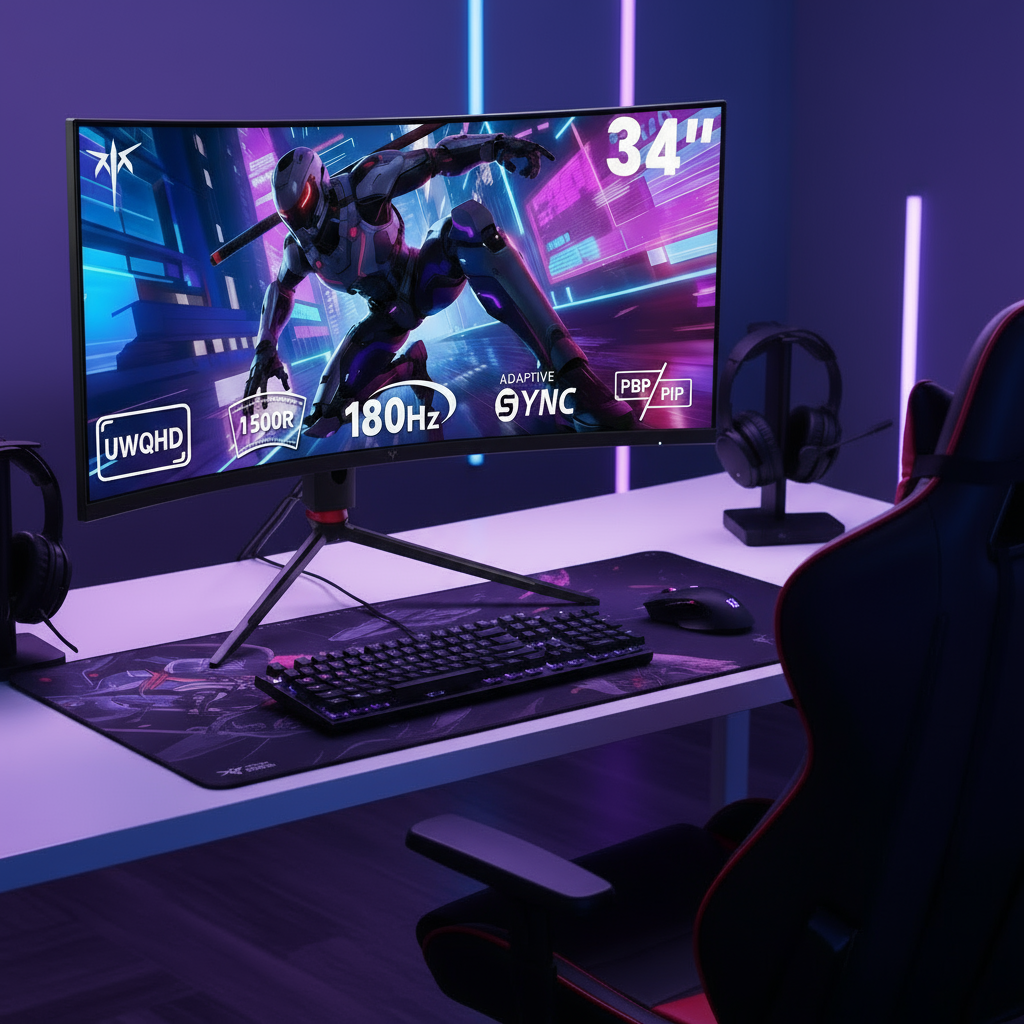


HDR usually raises heat and power draw because it pushes the display to run brighter and makes the video pipeline do more work. The biggest trigger is not the HDR label itself, but the combination of higher luminance, local dimming, and extra processing that stays active while HDR is on.
Is your laptop fan suddenly kicking up the moment you launch a game, open a movie, or leave HDR mode on the desktop? That is a common symptom when the panel, GPU, and brightness targets all change at once. The practical fix is to isolate whether the heat is coming from always-on HDR, from the content itself, or from a display being driven harder than it needs to be.
Why HDR Raises Power Use
The first thing to understand is that HDR is often a brightness problem before it is anything else. Industry testing has found that keeping HDR enabled for normal desktop work can increase power use, raise heat, and make SDR content look wrong, especially on monitors that keep the backlight and processing chain in a more demanding mode than SDR.
That lines up with how HDR output is handled on a PC. Tone mapping happens on the GPU before the final desktop image is composited, which means the system is not just showing brighter colors; it is processing the output chain differently. If you run a bright HDR game in a window, then switch back to the desktop without turning HDR off, the display can stay in that more expensive operating state even when the content no longer needs it.
Trigger |
What Changes |
What You Notice |
Higher peak brightness |
More panel output and backlight demand |
Warmer chassis, more fan noise, higher power draw |
Local dimming or mini-LED control |
More zone management and light switching |
Better highlights, but more display processing |
HDR left on for SDR desktop use |
The whole system stays in HDR mode |
Washed-out desktop, unnecessary heat, wasted energy |
10-bit and tone mapping processing |
Extra signal handling in the pipeline |
Small but real power overhead |
Bright full-screen scenes |
A large portion of the panel is lit hard |
Bigger battery drain or wall power draw |
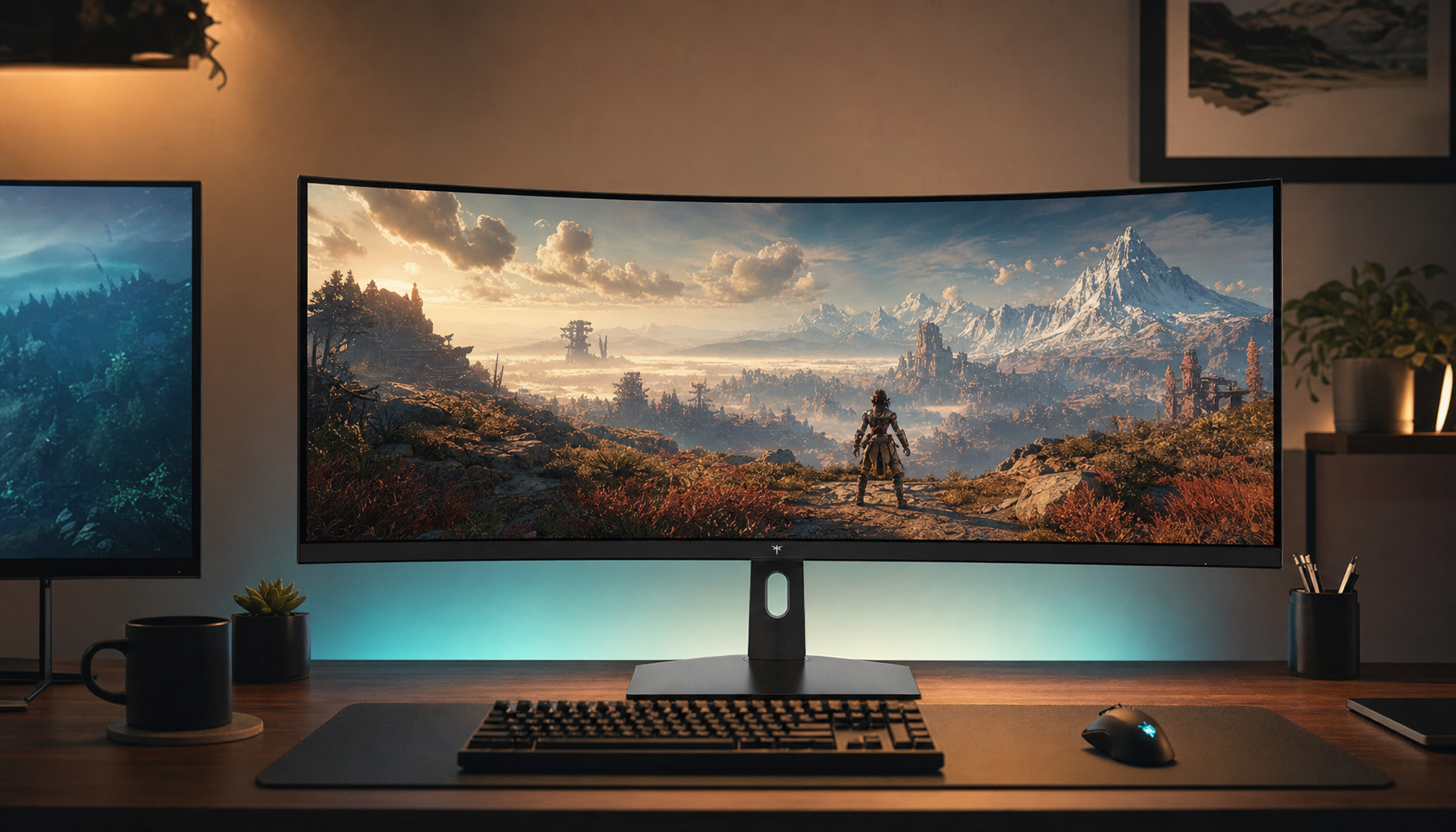
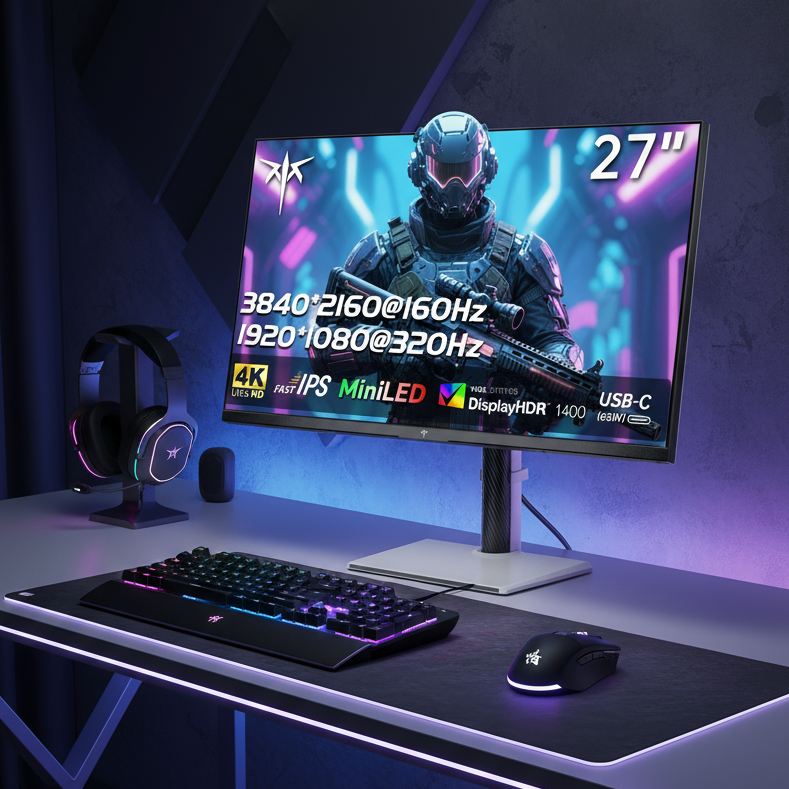
A simple example makes this easier to see. A monitor operating around 400 nits has more work to do than the same panel around 250 nits, and KTC notes that some HDR displays can approach nearly twice their SDR power consumption in HDR mode. On a large ultrawide or mini-LED monitor, that can make the room-facing side of the display feel noticeably warmer.

Why Fans Ramp Up
Fans usually react to heat, not to HDR as a feature. If HDR content makes the GPU render a heavier scene, or if the display itself draws more power, the extra heat has to go somewhere. That is why a gaming laptop, mini PC, or portable smart screen can sound louder even when the picture looks only slightly different.

The most common pattern is straightforward: a bright HDR game or video increases display load, the GPU or media engine keeps working, and the cooling system responds to the higher total thermal load. KTC also points out that HDR power use depends on average picture level, so a dark movie with a few bright highlights may barely move the needle, while a full-screen bright scene can push power much harder.
There is also a setup issue worth checking. Support documentation for HDR settings explains that the system uses the monitor’s brightness and content metadata during tone mapping. If the display is not configured correctly, the system may work harder than necessary without delivering a better image. In other words, some of the fan noise is not the cost of HDR itself; it is the cost of a poorly matched HDR chain.
When HDR Is Worth the Tradeoff
HDR makes the most sense when the content is truly HDR and the display can show it properly. Display testing shows that good HDR needs strong contrast, real brightness headroom, and a wide color gamut. That is why HDR tends to feel worthwhile in movies, streaming, and cinematic games, but much less worthwhile on an SDR desktop that stays in HDR mode all day.
The practical tradeoff is simple: if you use a high-brightness monitor or a strong mini-LED or OLED panel, the extra power is often buying visible highlight detail and better immersion. If you are on an entry-level HDR screen, the power cost can rise faster than the image quality improves, which makes the fan noise and battery drain easier to notice than the visual gain.
How to Reduce the Heat
The cleanest fix is to use HDR only when you need it. HDR setup guidance recommends checking the “Play HDR games and apps” toggle, confirming the correct display is selected, and verifying that HDR is active only on the screen that needs it. That matters because leaving HDR on for browsing, documents, and email often gives you the heat without the benefit.
It also helps to compare the same scene in SDR and HDR. A white desktop app next to an HDR test clip is a quick way to see whether the screen is genuinely switching modes or forcing the whole system into a brighter, more power-hungry state. On many monitors, the real win is not turning HDR off forever, but turning it on deliberately.

If the fan ramp is extreme, check the display mode first, then the content, then the hardware. A bright HDR scene on a capable OLED may be normal. A loud fan on a simple desktop with HDR left on all day usually means the setup is wasting energy for no real gain.
HDR is at its best when it is used like a performance mode, not a background habit. Keep it tied to real HDR content, and the screen will stay calmer, cooler, and far more efficient.