Affordable color accurate monitor options can be good enough for indie editing, design review, and client work if you verify calibration claims instead of buying on price alone. The safest approach is to start with your workflow, then check Delta E, gamut coverage, the stand, and ports before you care about the model name.

Why Affordable Creator Monitors Matter
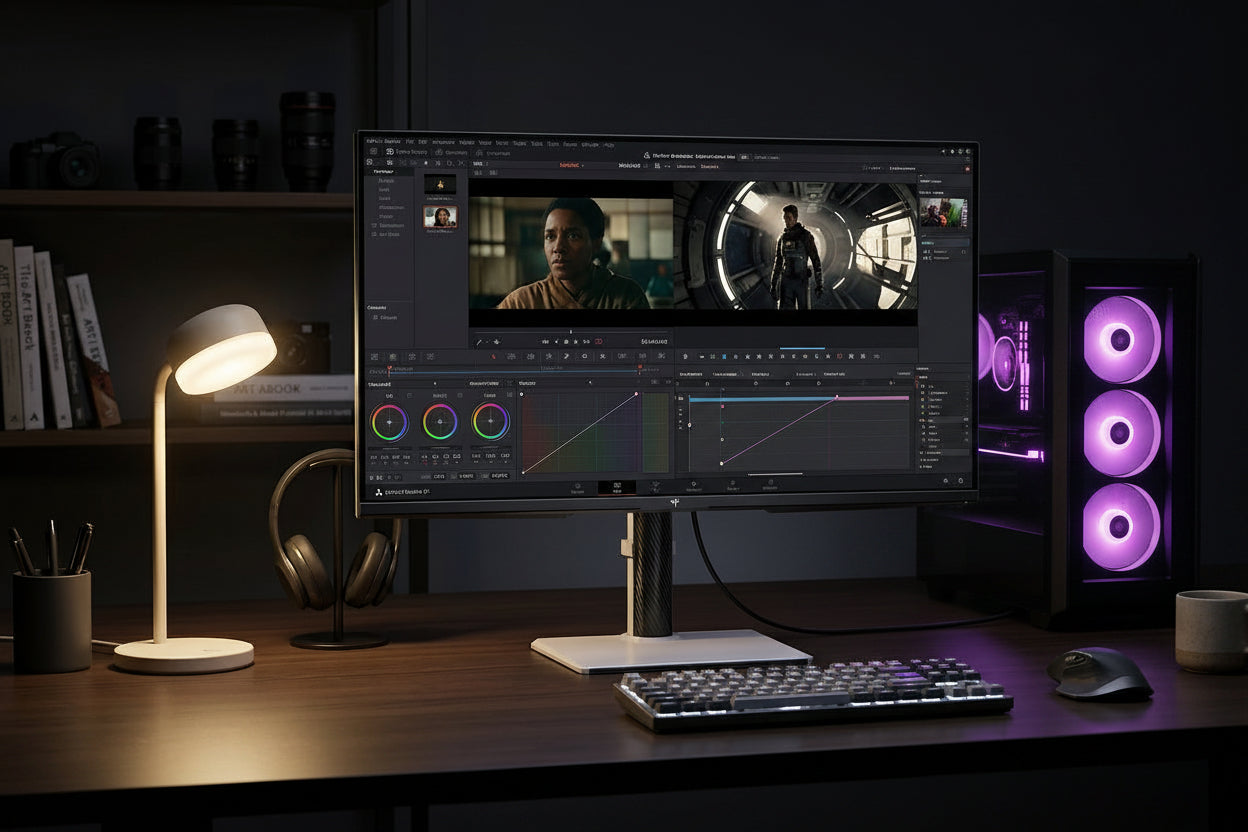
A monitor is only creator-friendly when it helps you trust what you see on screen. That usually means a low Delta E target, some level of factory calibration, and a panel that does not fight your room lighting or desk setup. Adobe's calibration guidance notes that Delta E is a measure of visible color difference, so lower values generally mean less obvious error out of the box, while Microsoft also emphasizes that calibration is still worth checking after setup (Adobe, Microsoft).
If you mainly edit video, compare stills, or do client-facing creative work, you do not need a premium panel just to get reliable results. If your workspace is stable and your color workflow is basic, a well-chosen budget model can be enough. If your room lighting changes a lot or you rely on very consistent grading, you should be more cautious and plan to recalibrate.
A good filter is simple: choose a monitor that matches your real use case, not one that only sounds impressive on a spec sheet. If the display is cheap but needs constant correction, it is not really affordable for creative work. If it is calibrated, comfortable, and close enough to your target gamut, it may be the better value.
What Specs Actually Affect Color Accuracy
Delta E and factory calibration are the first things to check when you want fewer visible color errors. Factory calibration is a starting point, not a promise of perfection, so treat it as a strong first pass rather than the final word. If a listing does not show a real Delta E claim or a clear calibration note, that monitor is best treated as a general-use display until you verify it yourself.

Coverage and gamut volume are related but not identical. Color gamut coverage measures how much of a reference space a monitor can reproduce; that matters because a wide gamut alone does not guarantee accuracy. If you want dependable creator work, coverage plus calibration is the safer combination.
Panel type changes the viewing experience, but it does not remove the need for calibration. IPS usually offers the most straightforward all-purpose creator balance, Mini-LED can improve contrast and HDR-like punch, and OLED can look excellent but still needs the same workflow checks. If your work leans toward editing and review rather than gaming, the practical question is not which panel is best, but which panel is accurate enough, stable enough, and comfortable enough for long sessions.
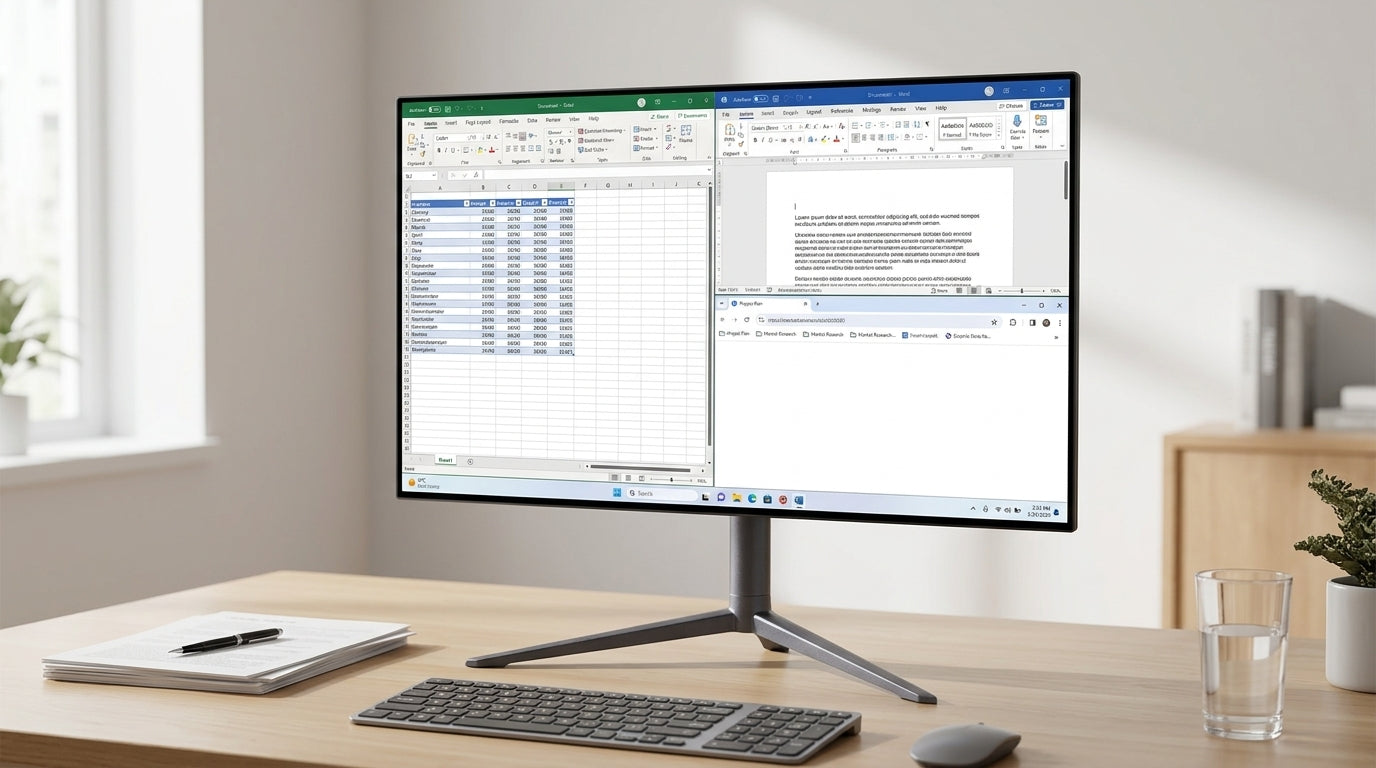
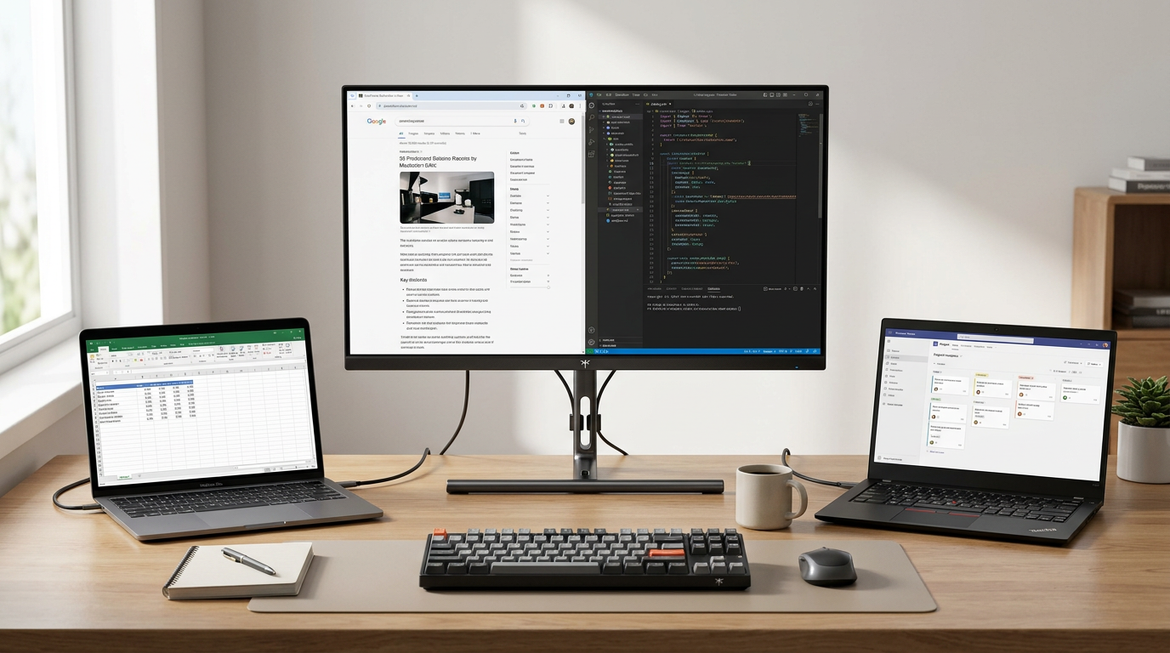
Ergonomics matter more than many shoppers expect. A fully adjustable stand helps when you switch between timeline work, calls, and split-screen editing. Tilt-only designs can still be fine on a fixed desk, but they are less forgiving for long creator sessions or multi-device setups. Port selection matters too, especially if you move between a laptop, capture device, and dock.
If your room lighting is inconsistent, a calibration-focused setup guide can save you from chasing the wrong problem. For a practical follow-up, see How to Calibrate a Monitor in a Room with Inconsistent Natural Lighting and How Does Display Color Accuracy Interact With Room Lighting Color Temperature?.
Best Budget Picks by Creator Workflow
If you want the strongest starting point for creator work, begin with the model whose resolution and calibration profile match your content. The first product worth checking is the KTC 27" 5K@60Hz 2K@120Hz Home&Office Monitor | H27P3 if you want a sharper desktop for text, timelines, and mixed creative use. Its factory-calibrated Delta E claim and creator-oriented color coverage make it a strong fit when you value image trust more than gaming speed.
The more budget-focused 4K route is better when you want detail without overspending. 4K Monitor is the clean browsing path if you are comparing higher-resolution options, while 2K Monitor is useful if you want a cheaper tier and can live with less desktop density. If your workflow is mostly editing, review, and client calls, a solid 4K IPS or a capable 2K creator display can be enough.
Here is the practical filter:
- Choose 5K if you spend a lot of time on text, timelines, and detail-heavy creative work.
- Choose 4K if you want a balanced creator screen without pushing the budget too far.
- Choose 2K if value matters most and you are comfortable trading sharpness for a lower entry price.
- Choose Mini-LED if contrast and HDR-style preview work matter more than the lightest possible price.
The main not-a-fit boundary is simple. If you need absolute color-critical proof for print matching or paid grading work, a budget monitor is not enough on its own, no matter how strong the spec sheet looks. In that case, treat affordable models as good-value tools, not final reference standards.
Mini-LED can be a smart compromise when your work benefits from brighter highlights and more contrast. The KTC Mini LED 27" 200Hz 2K HDR1000 Gaming Monitor | M27T6S is the product to consider if you want a lower-cost Mini-LED path with creator-usable color claims and a fully adjustable stand. That said, if your priority is pure office editing on a simpler budget, an IPS-based 4K monitor may be the cleaner fit. For more options, browse the IPS Monitors collection or All-Mini-LED Monitors collection.
How to Choose for Editing Workflows
- Start with the resolution that matches your timeline, text size, and footage, because sharpness affects everyday comfort more than refresh rate does for most creators.
- Verify that the monitor shows a real factory calibration or Delta E claim, because that is what makes the out-of-box color starting point more trustworthy.
- Compare gamut coverage before you compare marketing language, because coverage tells you whether the panel can actually hit the color space your work needs.
- Prefer a fully adjustable stand if your desk changes often, since height and pivot flexibility help more than people expect in long sessions.
- Check ports last, but do not skip them if you rely on a laptop dock, camera input, or a dual-monitor editing setup.
If you want a stronger value pickup and can accept a simpler stand, a tilt-only 4K model can still work for a fixed desk. If you need more flexibility, a creator-oriented display with better ergonomics is usually worth a little extra. If you want Mini-LED contrast for review work, check calibration support and room lighting before you decide.
Setup Checks Before You Buy
- Confirm the stand adjustment you actually need before checkout. Tilt-only is fine for a fixed desk, but height and swivel become more useful the longer you sit in front of the screen.
- Check whether your main device needs HDMI, DisplayPort, or USB-C, and make sure the chosen model supports the connection you actually use.
- Verify that the listed factory calibration or Delta E figure appears in the product details, not just in promotional copy.
- Plan to inspect color after delivery, especially if your studio lighting changes during the day.
- Keep the box and cables until you know the monitor fits your desk, your workflow, and your return window.
- If your system has changed monitor color profiles before, review your setup after driver updates so your calibration does not get overwritten; a practical guide is How to Stop Your PC From Changing Your Monitor’s Color Profile After Driver Updates.
If you only remember one thing, make it this: affordable color accuracy is about fit, not just specs. If the panel matches your workflow, lighting, and desk setup, it can be a smart creator purchase. If it does not, the lower price will not save you from rework.
Related Resources
For deeper dives into monitor buying and calibration, explore these targeted guides:
- Filter-based monitor shopping strategies for 2026
- OS color management versus hardware calibration
- Mini LED versus IPS for color grading workflows
These resources help creators match specific room conditions, driver issues, and panel choices to their editing needs.