A rolling smart display is worth considering when one screen needs to move between rooms, support shared routines, or replace a fixed setup that does not fit the space. It is less compelling when you want a permanent control point, a wall-mount-style setup, or a screen that rarely leaves one spot. The main question is not whether it rolls, but whether your household actually uses that mobility.
What a Rolling Smart Display Does Well
A rolling smart display is basically a mobile screen that can move from room to room, which makes it more useful than a fixed display in homes where the same screen has to serve more than one routine. Ars Technica's look at the category describes that kind of screen as a TV-like experience for rooms where a permanent installation is impractical, such as a kitchen or bedroom. That mobile-screen role is the clearest reason to buy one.
What it does not do is erase the usual planning problems. You still need a place to park it, a route for power and cables, and enough floor space for the unit to live in when it is not moving. If your household mostly wants one always-on screen in one place, the mobility is nice to have, but not a strong reason by itself.
A good way to think about the format is this: it helps when the screen follows the routine, not when the routine has to adapt to the screen. If that sounds like your home, a rolling smart display may be useful. If not, a fixed display is usually the cleaner fit.
Best Home Use Cases and Friction Points
For most homes, the best uses cluster around shared viewing, casual control, and room-to-room flexibility. The format is most convincing when one screen gets shared across several spaces instead of being dedicated to a single desk or wall.

Shared Family Routines
In shared homes, the value shows up when the display can serve the kitchen for recipes, the living room for casual viewing, and the bedroom or office for a different task later. That flexibility can reduce the need for duplicate screens. It is especially useful when family members do not all need the same display at the same time.
If your day already moves through multiple rooms, the screen can move with it. That is a real advantage for households that bounce between cooking, watching, messaging, and quick household coordination. It is less impressive if the screen simply stays parked in one room after the first week.
Room-To-Room Workflows
A rolling smart display starts to make sense when you actually change rooms often. That could mean moving it from a living room to a kitchen island for a recipe, or from a family room to a bedroom for evening viewing. Portrait rotation can be especially handy for vertical recipes, social video, or other content that feels better upright at eye level.
This is where the format can feel more practical than novelty. A screen that can switch orientation and location fits temporary, changing use better than a wall-mounted display. The trade-off is that mobility only helps if the floor plan cooperates. Thick rugs, door thresholds, and tight pathways can turn a simple roll into a small hassle, which is why WIRED's mobile-screen review treated floor transitions as part of the real ownership experience, not an edge case. Mobility friction matters because the wheels are only useful when the house lets them move easily.
Home Office and Study Use
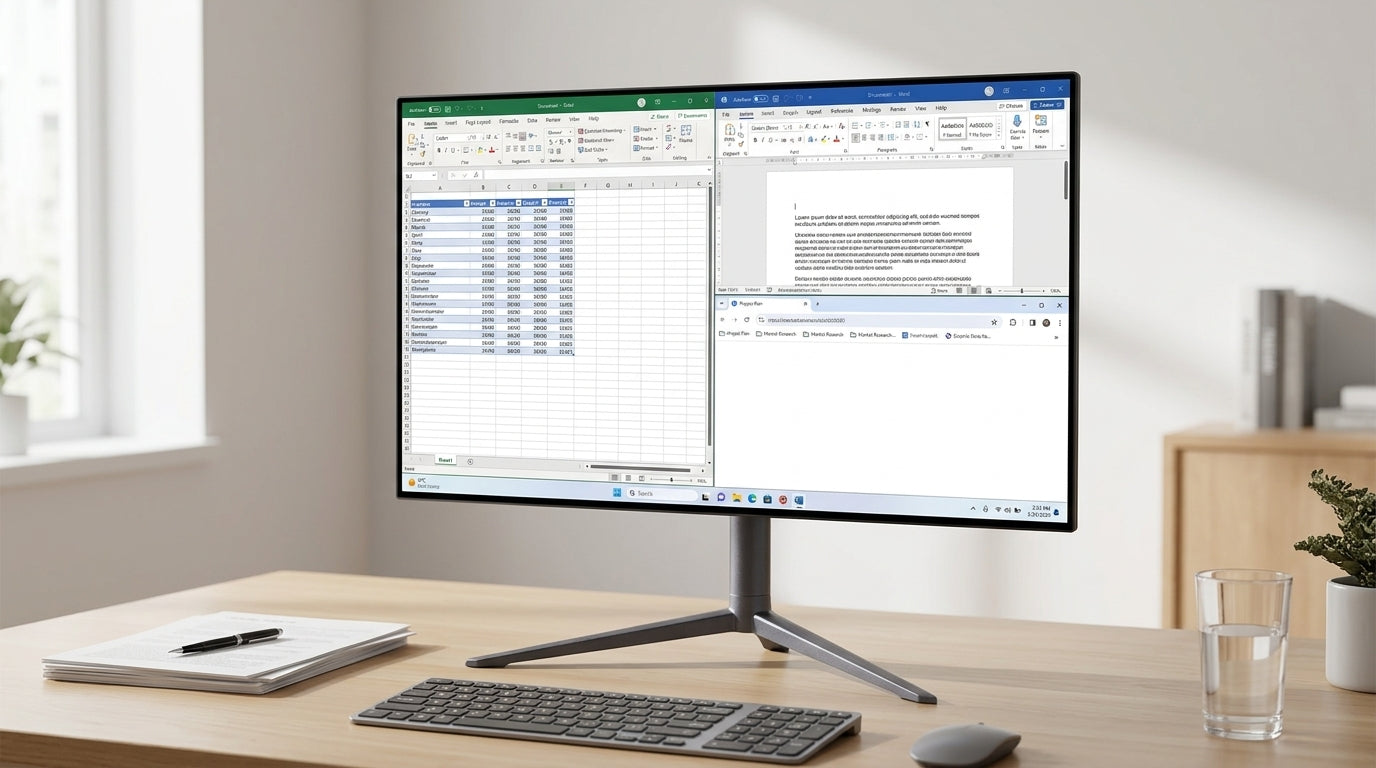
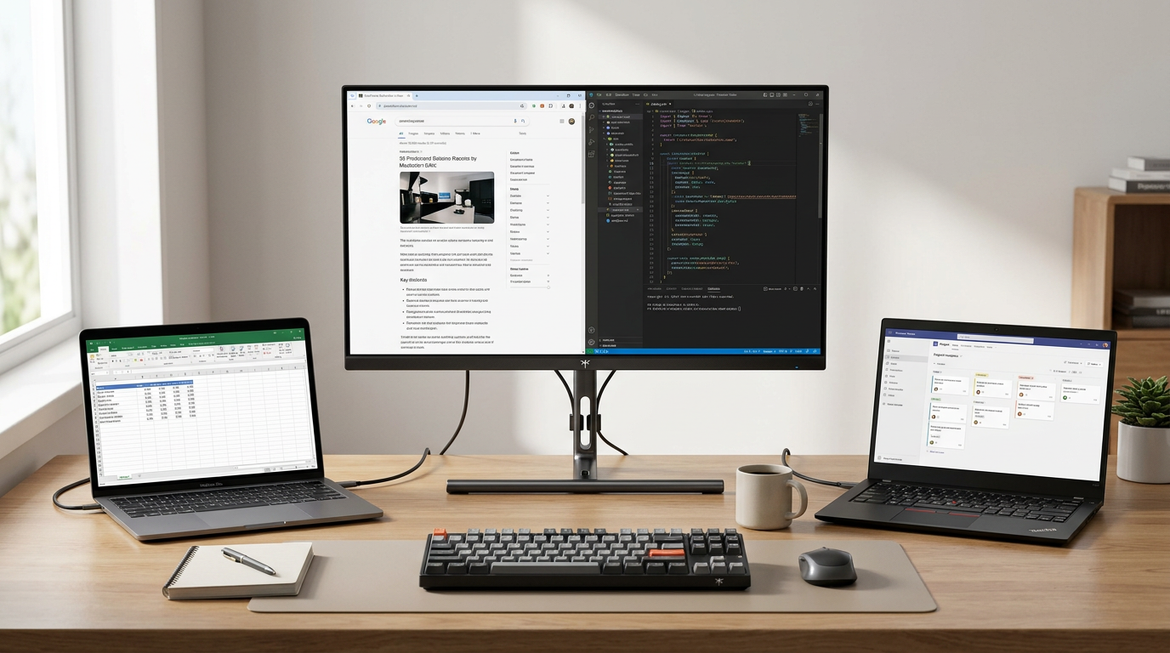
A rolling display can also work as a flexible second screen for a home office. That can be helpful if you want one screen near a desk for email, calls, or a browser, then move it away when the room needs to serve another purpose. The Strategist's rolling-screen review framed it as a practical secondary screen rather than a full desktop replacement, which is the right way to think about it. Flexible work-screen use is useful when the screen needs to move, not when you want a permanent dual-monitor desk.
That distinction matters. If your work setup already depends on a fixed desk, a matching monitor arm, or a tidy two-monitor layout, a rolling display may add more footprint than convenience. It is better as an overflow screen, a shared study screen, or a moveable work-and-living-room compromise.

Rolling Smart Display vs Wall Tablet
The difference is simpler than the marketing usually makes it sound: rolling screens fit changing routines, and wall tablets fit fixed control points. KTC's own comparison between the two frames the choice around mobility versus a permanent location, which is the right starting point for buyers. A fixed control point is often better when the screen should stay in one place and remain easy to check at a glance.
| Format | Mobility | Permanence | Setup effort | Shared household access | Best-fit scenario |
|---|---|---|---|---|---|
| Rolling smart display | Best when the screen needs to move across rooms | Lower, because it is meant to relocate | Moderate, because you still need parking, power, and cable planning | Strong when several people use it in different rooms | Shared routines, temporary placements, room-to-room use |
| Wall tablet / fixed display | Low, because it stays in one place | Best for a permanent spot | Higher at the start if mounting is involved | Good for a stable control point | Always-on dashboards, fixed kitchen or entryway use |
If you want one screen to travel with the household, rolling is the more flexible format. If you want a display that always lives in one spot and functions like a constant dashboard, a wall tablet or fixed display usually makes more sense. That is the point where the recommendation flips.
For more context on the work side of the decision, this office-work comparison is useful. If you are debating an integrated unit versus a DIY cart-style build, the setup-friction breakdown is the better next read.
Rolling smart display vs fixed display: where each fits best
A practical comparison for homes that need a mobile screen versus a fixed control point.
View chart data
| Scenario | Mobility | Permanence | Setup effort | Shared household access | Best-fit scenario |
|---|---|---|---|---|---|
| Rolling smart display | 3 | 1 | 2 | 3 | 3 |
| Wall tablet / fixed display | 1 | 3 | 3 | 2 | 2 |
When the KTC MEGAPAD 27-Inch Model Fits
The KTC MEGAPAD 27" FHD Android 14 Google EDLA Smart Touch Monitor with 9500mAh Battery is one concrete example of the format, not a universal recommendation. It has a 27-inch FHD touch display, built-in wheels, Android 14 with Google EDLA certification, 8GB RAM, 128GB storage, an 8MP camera, 4×5W stereo speakers, and a 9500mAh battery with up to 6 hours of runtime. The product page is the right place to verify the current configuration.
Those facts map most naturally to video calls, online classes, streaming, reading documents, browsing social media, following vertical tutorials, and wired projection from a laptop. In plain terms, it works best when you want a touch-friendly screen that can move with you and serve more than one room.
That said, the fit still depends on how your household works. If the screen will mostly stay in one room, the mobility is less compelling. If you need a permanent dashboard or a fixed mount, a wall tablet may be simpler. If you do want a mobile setup without rebuilding one from scratch, the mobile touch screen collection is the natural browsing path.
Purchase details are straightforward: the model is listed with a 12-month warranty, free shipping on orders over $100, and a 30-day returns policy. Those are useful buyer safeguards, but they are not proof that the format itself will fit your daily routine.
What to Check Before Buying One
Before you buy a rolling smart display, check the parts of your home that will determine whether it feels useful or annoying. The biggest mistake is buying for the wheels first and the routine second.
- How often the screen will actually move. If it will stay parked most of the time, you may be paying for mobility you do not use.
- Which rooms it needs to serve. The format is strongest when one screen supports multiple shared spaces, not just one fixed corner.
- Floor layout and thresholds. Rugs, lips, and narrow doorways can make a rolling setup less convenient than it looks in product photos.
- Where it will live when parked. Parking space matters, because a mobile screen still needs a home base.
- Power and cable planning. Even a mobile display needs a sensible charging or connection strategy.
- Whether touch and camera features matter. If your main use is simple media playback, some of those features may be less important than battery life or placement.
- Whether a fixed display would be simpler. If you mostly want an always-on dashboard, a wall tablet or another fixed screen may be the cleaner choice.
A useful rule of thumb is this: buy for movement only if movement will be part of the weekly routine, not an occasional novelty. That keeps the decision grounded in actual use instead of the idea of flexibility.
Final Takeaway
A rolling smart display makes sense when one screen needs to serve several rooms, shared routines, or a mix of entertainment and light productivity. It breaks down when the screen will mostly stay put or when you really need a permanent control point. If you are unsure, compare your household movement pattern first, then decide whether mobility is a real benefit or just an attractive extra.
How Do You Know If a Rolling Smart Display Is Worth It?
It is worth it when the same screen will be used in more than one room often enough that moving it saves time or clutter. If it will live in one spot most of the week, a fixed display is usually the better buy.
What Rooms Make the Most Sense for a Rolling Smart Display?
The best room is the one where the screen solves a temporary or shared need, such as a kitchen, living room, bedroom, or home office. Pick the room based on routine, not just on where the screen looks best.
Why Choose a Rolling Smart Display Instead of a Wall Tablet?
Choose rolling when flexibility matters more than permanence. Choose a wall tablet when you want a stable location and an always-ready control point.
Can a Rolling Smart Display Replace a Regular TV or Monitor?
It can cover some of the same everyday uses, like casual viewing or light work, but it is better thought of as a flexible household screen. If you need a dedicated TV or a permanent desktop monitor, those categories still make more sense for many buyers.
What Should You Check Before Buying One for a Small Home?
Check floor space, parking space, cable routing, and whether the screen will still feel easy to live with when it is not moving. In smaller homes, convenience depends as much on storage and layout as on the screen itself.