If you are weighing KTC monitor vs Dell LG ASUS, the real question is not which logo looks safest. It is whether you want more display hardware per dollar, or more ownership polish and support confidence. KTC can undercut premium OLED and 5K options on price while still offering a lot of usable spec value, which makes it a serious option for shoppers who are willing to verify a few details before checkout.
That is the core tradeoff. KTC tends to compete on spec density, while premium brands tend to justify their markup with refinement, ecosystem polish, and a more familiar support experience. Neither side wins every category. The better buy depends on your setup, your tolerance for troubleshooting, and how much reassurance you want after the sale.
If you want the broader OEM-value background behind that framing, the OEM value pillar is a useful companion. For support terms and checkout checks, KTC's official FAQ is the most direct starting point.

What KTC Usually Gives Up and Keeps
KTC usually keeps the headline hardware story: strong refresh rates, mini-LED or OLED options, HDR-focused features, and competitive pricing. In the same panel-tech conversation, KTC can also land lower entry prices than premium-branded equivalents. For example, TFTCentral noted that KTC's OLED pricing launched well below comparable ASUS and LG models using the same panel technology, and another review comparison described a KTC 5K display as coming in hundreds less than a competing ASUS model in the same segment. That does not prove every KTC monitor is cheaper, but it does show where the value case comes from. TFTCentral's KTC OLED review and the 5K comparison to ASUS are good reference points.
What premium brands usually keep is the polish layer around the panel. That can include more mature software behavior, broader service infrastructure, and a brand experience that feels more established. Those advantages are real for some buyers, but they are not automatic. A premium logo does not guarantee a better model, and a lower price does not mean weak image quality.
A practical way to read the comparison is this: pay more for the brand only when the extra support, ergonomics, or ecosystem value matters to you. If you are mainly buying for refresh rate, panel class, and feature density, KTC can be the smarter use of money. If you are buying for confidence and convenience, premium brands may still justify the gap.
| Decision factor | KTC tends to offer | Premium brands tend to offer |
|---|---|---|
| Sticker price | Lower entry cost and stronger spec-per-dollar value | Higher premium for brand, software, or service reputation |
| Display hardware | Competitive panel and feature packages | Sometimes similar panel classes, often with added refinement |
| Ownership experience | Good basics, more buyer verification needed | More mature polish and fewer unknowns |
| Best fit | Shoppers prioritizing value and performance | Shoppers prioritizing reassurance and convenience |
Decision tradeoff: price/spec value vs ownership confidence
A simple way to compare KTC with premium brands is to ask which side matters more in your setup: hardware value or ownership reassurance.
Show decision table
| Brand | Price/spec value | Ownership confidence |
|---|---|---|
| KTC | Higher | Moderate |
| Premium brands | Moderate | Higher |
Build and Ergonomics Differences
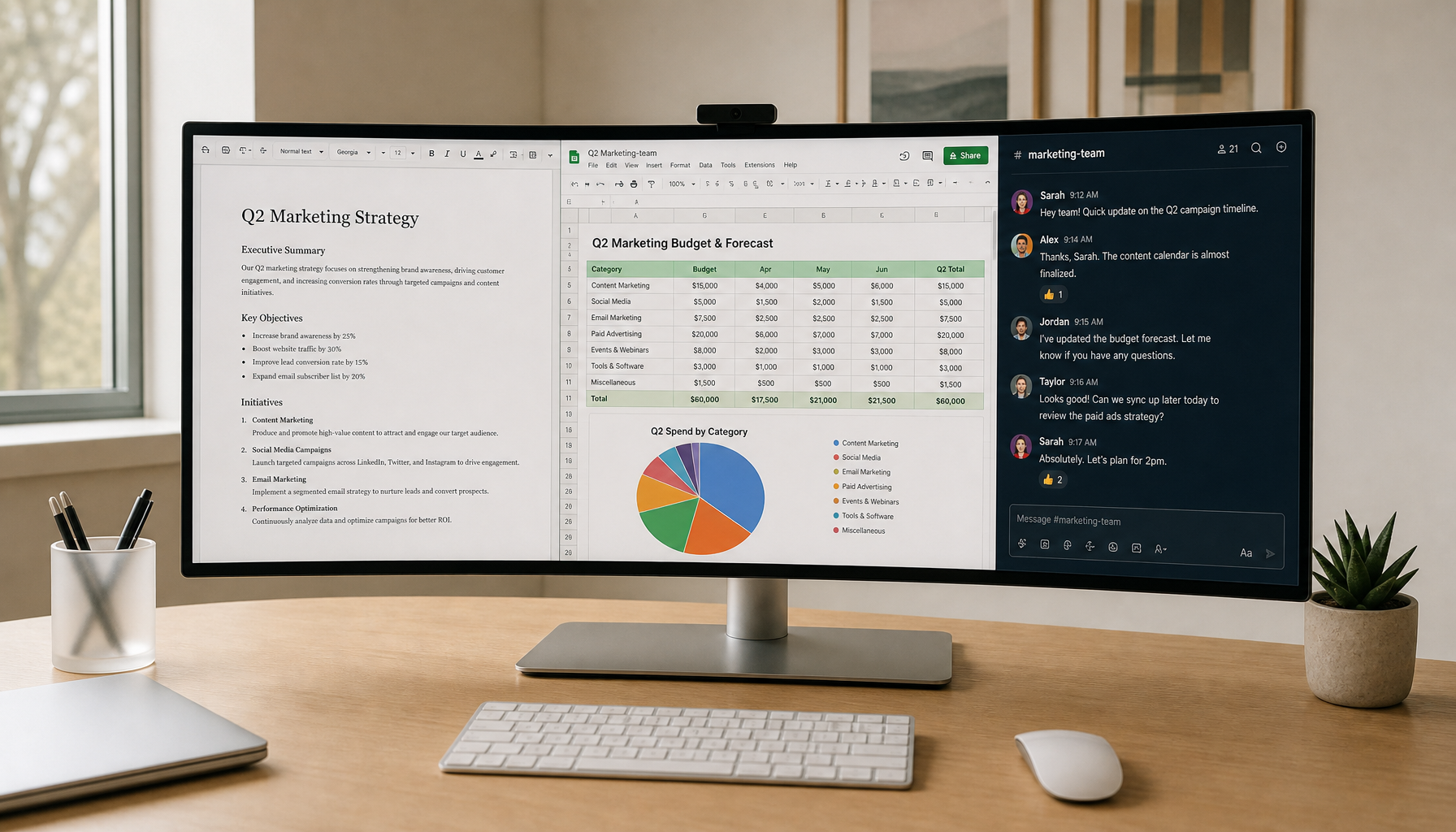
Build differences are best framed as stand quality, ergonomic flexibility, and overall refinement rather than a blanket statement that one brand is simply "better built." In practice, premium brands often feel more deliberate in how the stand adjusts, how the menu system is organized, and how the product presents on a desk. That matters most if the monitor is your everyday work display.
KTC can still be compelling because many models give buyers the functional basics without charging for the prestige layer. If the included stand gives you the tilt, swivel, height, or VESA support you need, the remaining difference may not justify a much higher premium. If it does not, then a premium brand may be buying the exact convenience you are missing.
The difference is often more visible in desk use than in the panel itself. That is why a review like KTC monitor build and ergonomics notes is useful: it points readers toward the practical gap, not just the spec sheet.
A concrete example is the M27T6S. It shows how KTC can package a 27-inch Mini-LED monitor around performance and flexibility rather than luxury branding. That does not make it the right answer for everyone, but it is a good check-before-buying example for value-focused shoppers.
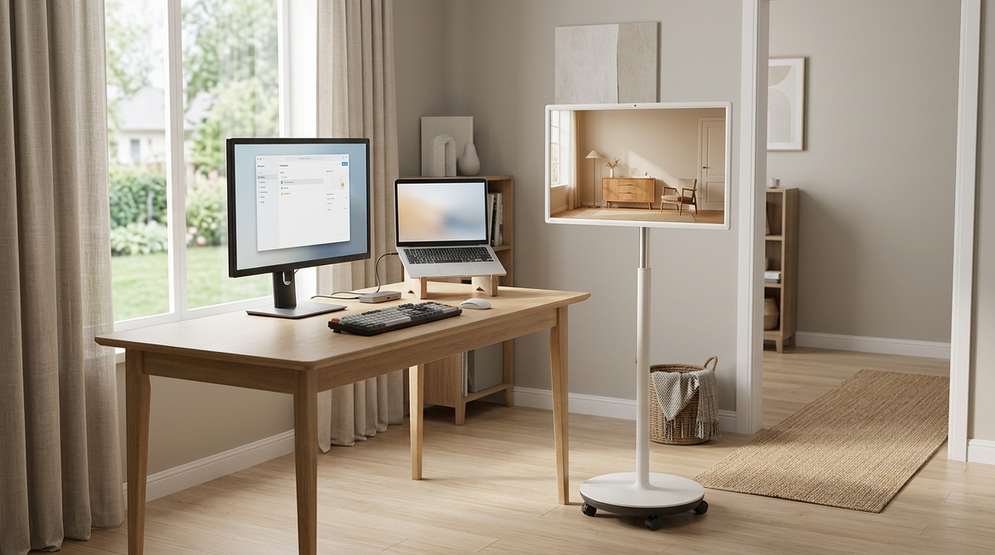
If your desk is tight, the included stand and cable routing matter more than the panel headline. If you are comparing different KTC options, the All Monitors collection can help you sort by size, refresh rate, and panel type before you decide whether a premium brand is worth the extra spend.

If you are comparing KTC monitor vs Dell LG ASUS for a main desk setup, ask one simple question: does the premium model actually make your daily interaction easier, or are you paying mainly for nicer industrial design and more confidence? If the answer is the latter, KTC may be the better value. If the answer is the former, the premium option can still be worth it.
Support, Warranty, and Returns
Support is one of the clearest ownership differences. KTC's official FAQ states a 3-year warranty and an email-based support path at support@ktcplay.com. That is a meaningful baseline if you want a direct manufacturer path instead of a maze of reseller handoffs.
The important caveat is that a warranty term is not the same thing as effortless service. Premium brands may still feel easier because their support structures are more familiar, more centralized, or more predictable in day-to-day use. But that advantage is conditional, not automatic. A well-documented KTC case can still be straightforward if you keep the receipt, serial label, and photos from day one.
Before checkout, it is worth verifying the claim path, the return window, and whether the seller or manufacturer handles the issue first. KTC's own FAQ and support entry points are the right places to confirm those basics. For official returns language, use the store's return guidance rather than assuming marketplace rules apply.
That is why support is not just a legal footnote. It changes the real cost of ownership. If the premium brand's service confidence is important to you, that can absolutely be worth paying for. If not, KTC's 3-year warranty may be enough when paired with careful unboxing and early testing.
Firmware, Features, and Compatibility Checks
Feature comparison is where many shoppers get tripped up. A spec sheet may list HDR, high refresh, VRR, multiple inputs, or USB features, but the real question is whether those features work cleanly with your PC, console, cables, and desk setup. This is where premium brands sometimes have an edge, not always in raw capability, but in broader software maturity and smoother device interaction.
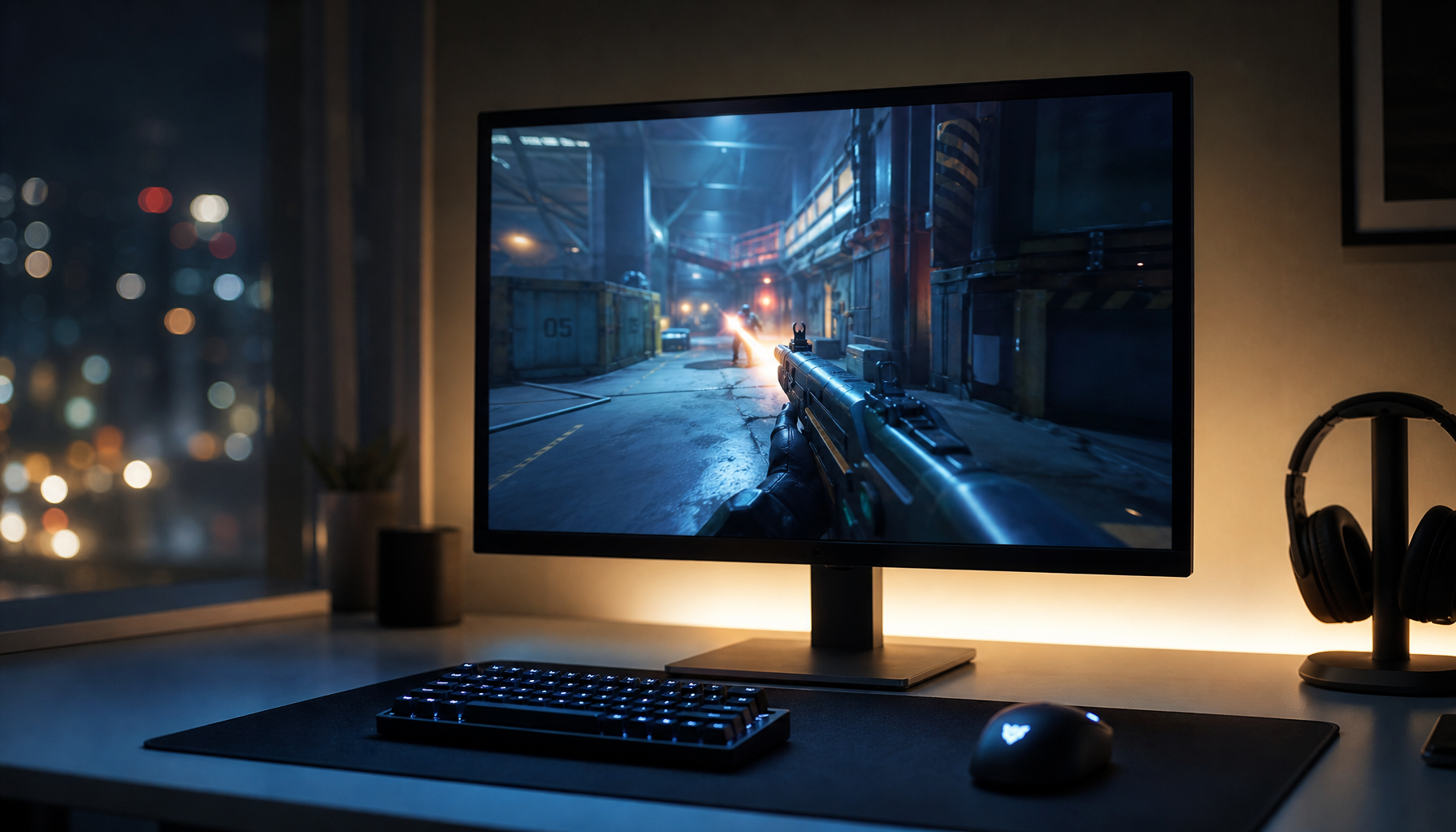
KTC can still be a strong option if the feature set matches your actual needs. A model like the M27T6S Mini-LED 27" 200Hz monitor shows how KTC can focus on a gaming-first combination of 27-inch size, 2K resolution, Mini-LED backlighting, and high refresh. But the sensible buyer still checks the details: does your GPU support the target refresh, does your console accept the chosen input mode, and does the monitor's OSD behave the way you want?
If you want a setup follow-up after purchase, KTC's calibration guide is a useful companion piece. For broader sourcing context, the brand's OEM value pillar helps explain why the value story exists in the first place.
The decision rule is simple. If you need the smoothest software ecosystem and the least checking after delivery, premium brands may be safer. If you are comfortable confirming ports, refresh support, HDR behavior, and menu logic before or after checkout, KTC is often the better deal. That is especially true for buyers comparing KTC monitor vs Dell LG ASUS across gaming and mixed-use setups.
Which Buyers Should Choose KTC
Choose KTC if you want to maximize display performance for the money and you do not mind a bit of ownership self-management. That usually means gaming buyers, spec-focused shoppers, and anyone comparing a lower-priced KTC against a much pricier premium OLED or 5K option. If the premium model's main advantage is brand confidence rather than features you will actively use, KTC is often the more rational buy.
Choose KTC if you want a monitor that can be a practical everyday device and a strong gaming display without forcing you into premium-brand pricing. It is also a good fit if you are the kind of buyer who reads support pages, saves packaging, tests the screen early, and compares real desk needs instead of buying on logo reputation alone.
If you want a broader browsing path after narrowing the decision, the Above $200 Monitors collection is a sensible place to compare stronger KTC options, while All Monitors is better when you want to filter by size, panel type, or refresh rate.
Choose premium brands instead if you want the most polished ownership experience, a more established software ecosystem, or a service path that feels familiar from the first day. In a KTC vs premium monitor value comparison, premium is usually the comfort pick; KTC is usually the value pick.
Final Takeaway
KTC is the better value choice when you want strong display hardware and are willing to verify the basics yourself. Premium brands are the better reassurance choice when you want smoother ownership, more polish, and a support experience you trust more instinctively. If the price gap is large, KTC is often hard to ignore. If the premium difference buys you daily convenience, that markup may still be justified.
FAQs
How Does KTC Compare to Dell, LG, or ASUS for Gaming Value?
KTC can be a strong gaming value if you care most about refresh rate, HDR capability, and specs per dollar. The tradeoff is that premium brands may still feel easier to live with if you want a more familiar support path and a smoother setup experience.
What Do You Usually Give Up When You Buy KTC Instead of a Premium Brand?
Most buyers give up some combination of ownership polish, support convenience, and ecosystem maturity. That does not mean the monitor is weak. It means the extra money often buys confidence, convenience, or a more refined desk experience.
Can a KTC Monitor Be a Better Buy for Office or Creator Work?
Yes, if your priority is display quality for the money and you are comfortable checking the stand, color mode, and input features before buying. Premium brands can still be a better fit if your workday depends on a smoother support experience or more predictable software behavior.
Why Does Warranty and Return Policy Matter So Much in This Comparison?
Because the warranty and return path change the real cost of ownership. A lower price can stop feeling like a bargain if the return window is awkward or the service process is slow. That is why support details matter as much as panel specs.
What Should I Check Before Buying a KTC Monitor?
Confirm the return window, warranty wording, port compatibility, desk fit, and whether the included stand or VESA setup matches your workspace. If you are comparing KTC monitor vs Dell LG ASUS, those practical checks often matter more than the marketing language.