



HDR preview is only as trustworthy as the brightness range your display can actually reproduce. If the panel cannot handle highlights, full-screen brightness, and black levels, tone mapping turns the preview into an interpretation instead of a reference.
Brightness Range Sets the HDR Ceiling
HDR rendering is built around a wider span between deep shadows and bright highlights. A monitor that peaks at 400 nits can show an HDR signal, but it cannot preview a 1,000-nit highlight without reshaping it.
That reshaping is tone mapping: the display or operating system squeezes values beyond the panel’s range into what the screen can output. This is why a 600-nit monitor may make sunlight, chrome reflections, explosions, or bright UI bloom look flatter than intended, even when HDR is technically enabled.

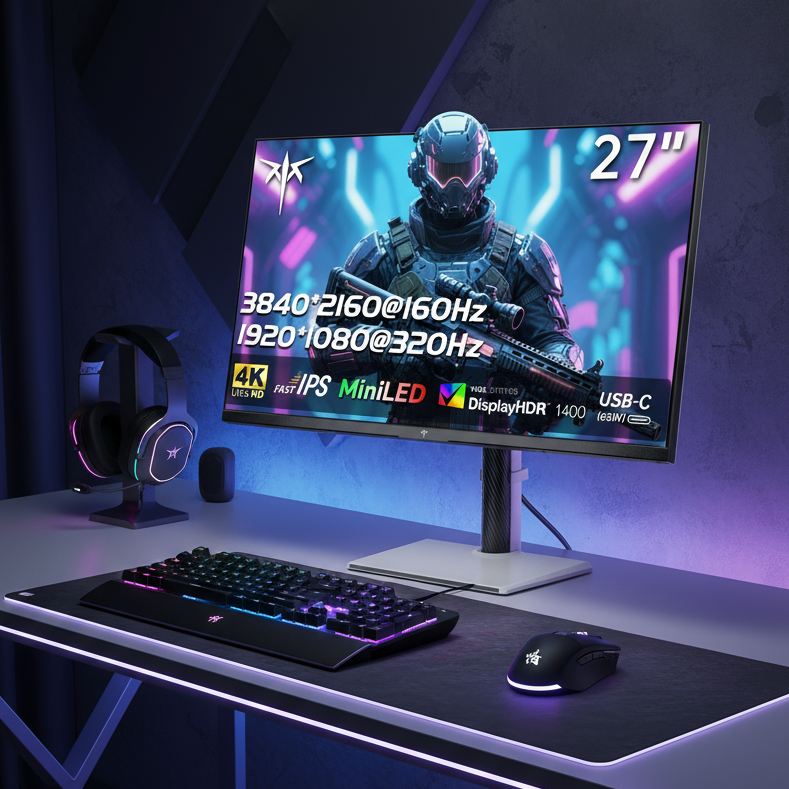
For serious preview work, many creators look for at least 1,000 nits peak brightness, while displays below 600 nits are often a compromise for HDR evaluation in bright or mixed lighting. DisplayHDR tiers help separate basic HDR compatibility from more capable HDR performance.
Peak Brightness Is Not the Whole Preview
A spec sheet peak number usually describes a small bright patch, not a full bright scene. A monitor may flash a 1,000-nit sparkle but drop far lower when a snowy landscape, white webpage, or bright game sky fills the screen.

That matters for rendering preview because HDR is not only about “pop.” It is about judging whether the whole image holds believable contrast, skin tones, cloud detail, and shadow separation at the same time.
Before trusting a display, consider four brightness behaviors together: peak brightness for small highlights such as sparks, sun glints, and reflections; sustained brightness for bright areas held over time without heavy dimming; full-screen brightness for large bright scenes, office windows, and creator timelines; and minimum brightness for dark-room comfort and shadow visibility.
A display with aggressive automatic dimming can make the same HDR scene look different as window size or scene brightness changes. That is a poor foundation for consistent creative decisions.
Tone Mapping Can Hide Rendering Problems
When the display runs out of brightness, it must decide what to sacrifice. It may clip highlights, roll them off gently, darken the midtones, or lift shadows to preserve visibility.
For game developers and visual creators, that can hide real rendering issues. A specular highlight that should feel sharp may turn into a dull patch. A shadow that should carry texture may look clean only because the monitor is crushing near-black information.

The operating system can also apply HDR tone mapping using display information and content metadata before the final desktop image is composed, so system configuration matters as much as the panel.
A brighter non-certified HDR mode may look more dramatic, while a certified mode may prioritize accuracy over raw punch.
Black Level Limits the Other End
HDR preview fails from the dark side, too. If a monitor has weak native contrast or limited local dimming, blacks rise toward gray, reducing the perceived gap between shadows and highlights.

IPS productivity displays can be excellent for color consistency and viewing angles, but many lack the black depth needed for convincing HDR. VA, OLED, and Mini LED options often deliver stronger perceived contrast, though each has tradeoffs in motion, dimming artifacts, brightness stability, or cost.
Local dimming is especially important on LCD HDR monitors because it lets the backlight brighten one zone while dimming another. Without it, high brightness can wash out dark scenes instead of expanding dynamic range.
How to Judge a Monitor for HDR Preview
For HDR rendering preview, do not buy by the HDR label alone. Match the display to the job.
Choose 1,000-nit-class HDR for serious highlight judgment, Mini LED for strong brightness in bright rooms, or OLED for dark-room contrast and pixel-level blacks. For office-first displays and portable smart screens, prioritize accurate SDR plus honest HDR expectations over inflated marketing.
Before previewing HDR work, use this quick setup pass:
- Enable HDR in the operating system and the monitor’s on-screen menu.
- Use the most accurate HDR mode, not vivid or simulated HDR.
- Run HDR calibration after selecting the monitor mode.
- Check real HDR content with bright highlights and shadow texture.
- Keep separate SDR and HDR modes for productivity, gaming, and creative review.
A high-performance display does not make HDR decisions for you. It gives you enough brightness range, contrast control, and stability to see what your render is really doing.