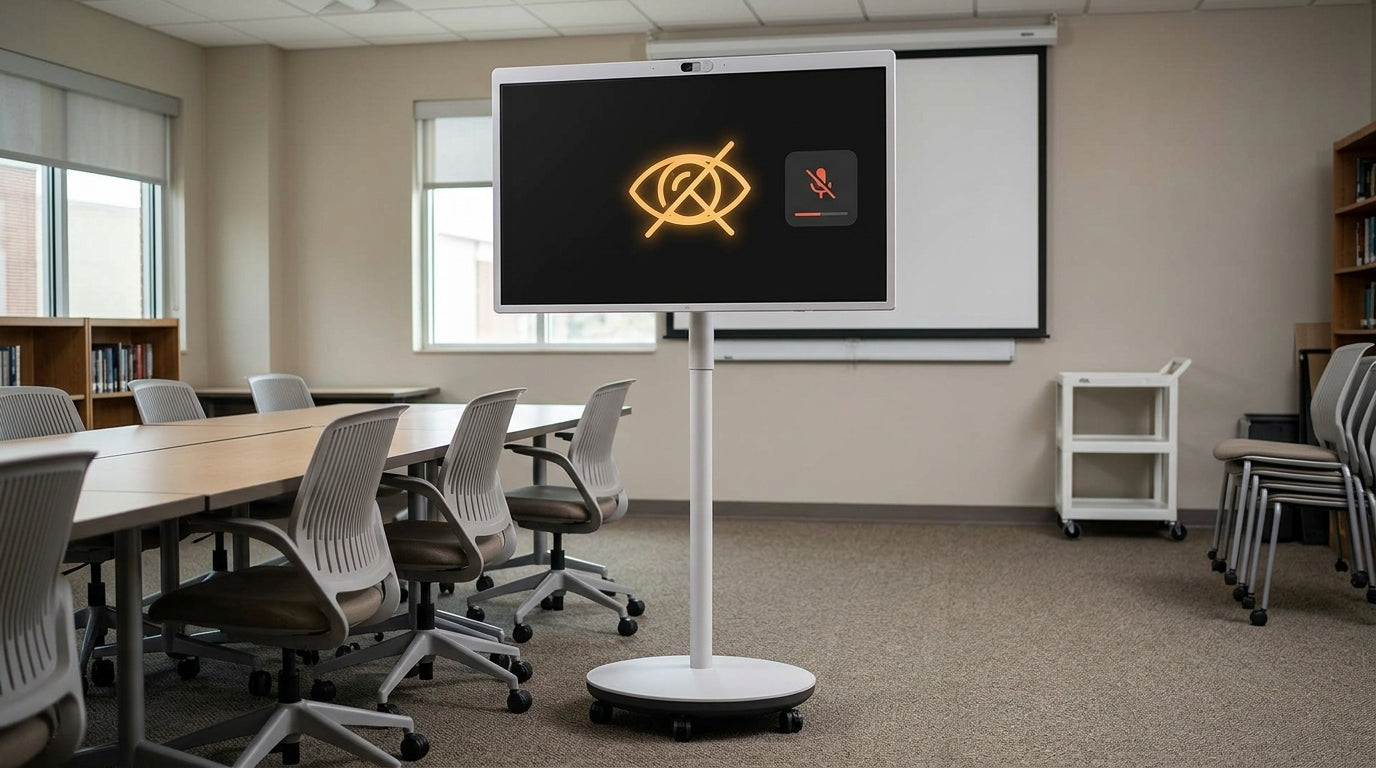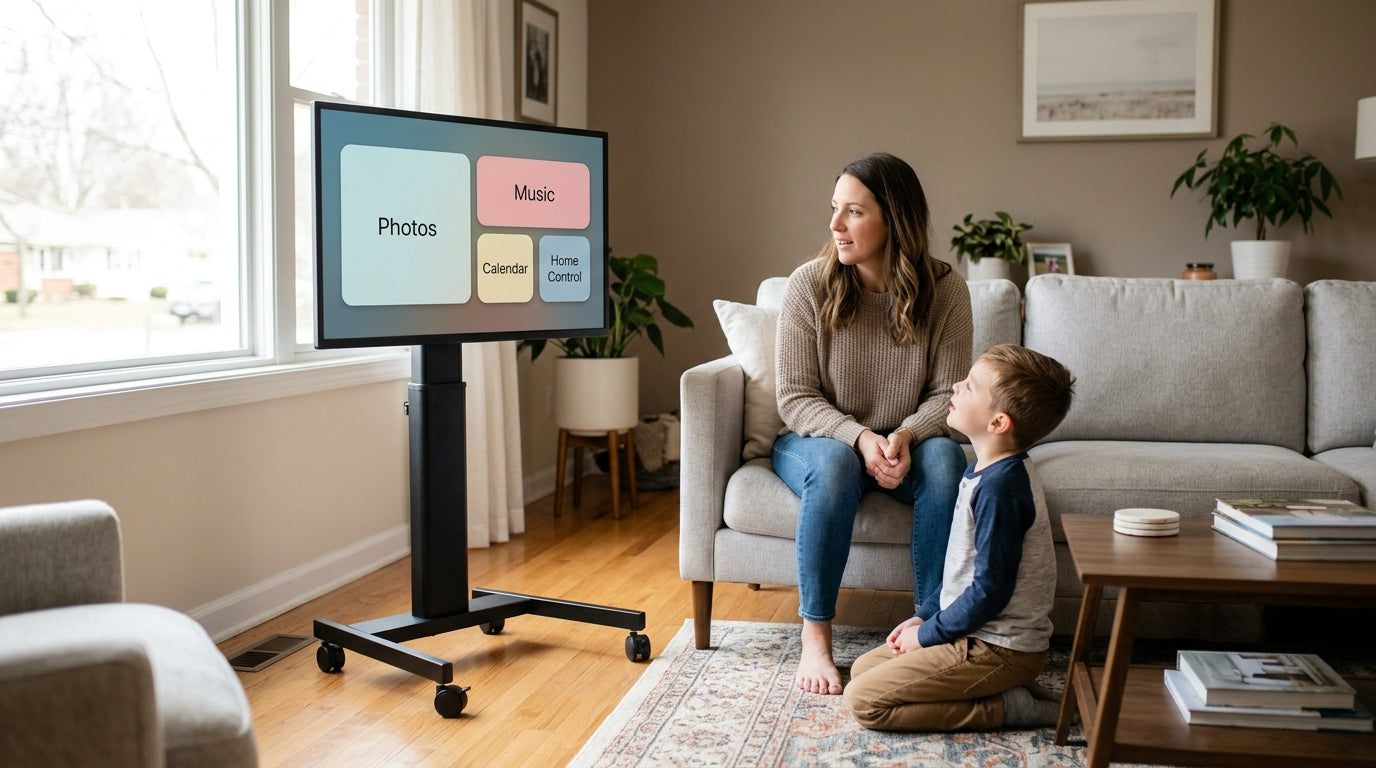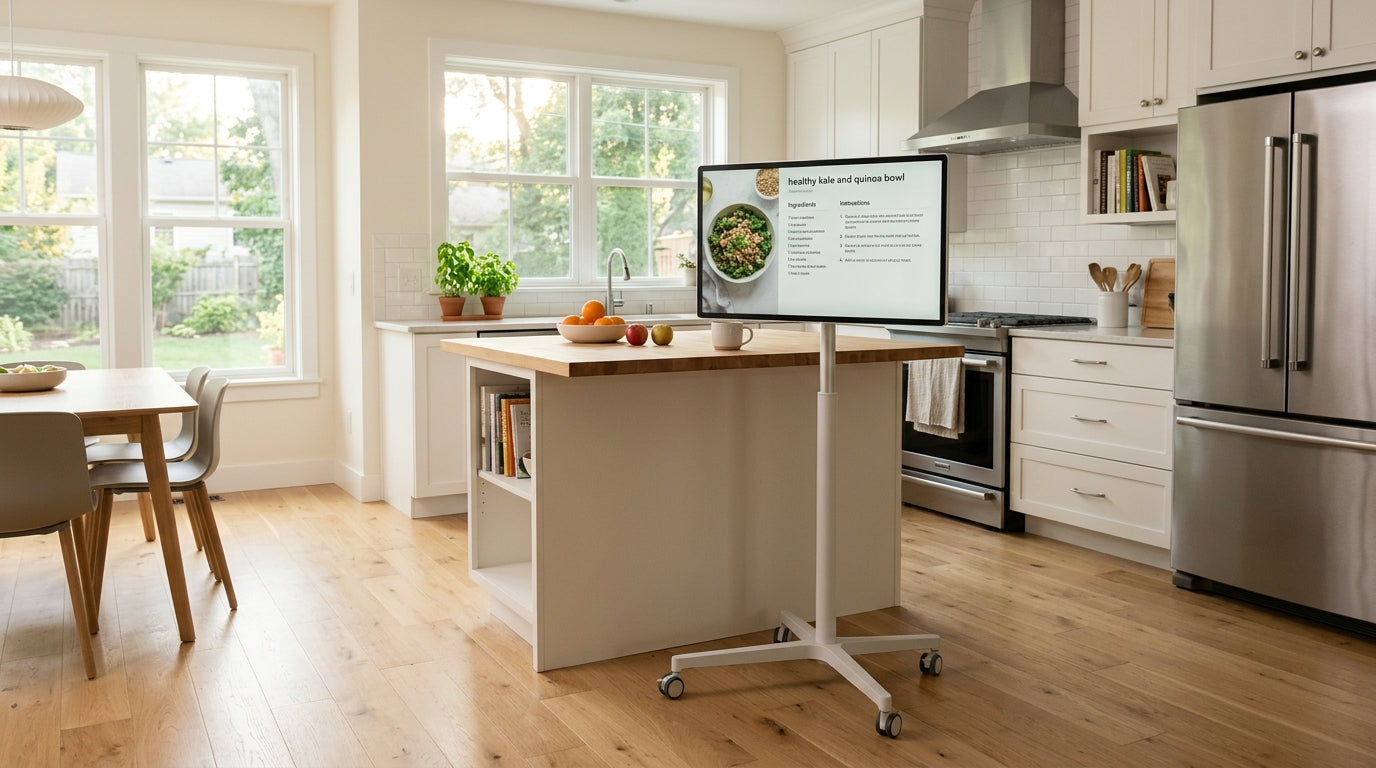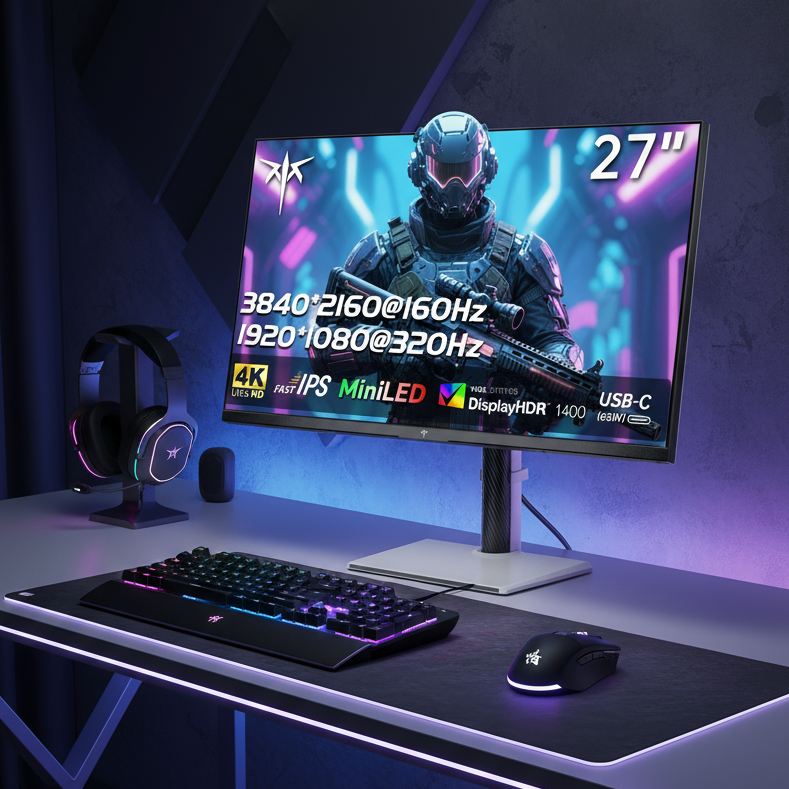



Portable smart display battery life usually drops faster than people expect once the screen moves from one room to another. Brightness, wireless features, background apps, and volume are the first things to check, and the best results usually come from changing the biggest loads first instead of trying every setting at once.

Why Battery Life Drops Faster Than Expected
For most owners, the biggest battery surprise is not one setting. It is the way the day changes. A screen that lasts longer during reading can drain much faster during video calls, streaming, or casting because the display stays active and the system does more work.
Google's Android battery-saving guidance points to brightness as a major power drain, while Google's battery and background activity help also notes that wireless connections and background apps keep drawing power. That makes room-to-room use harder to predict than desk-only use.
A useful rule of thumb is simple: if the screen is bright, loud, connected, and busy, runtime usually falls faster. If you want the quickest improvement, start with the heaviest loads first.
One practical shortcut is to treat this as a filtering problem. If you mainly use the display in one dim room, you can usually run it more comfortably at moderate settings. If you move it across bright and noisy spaces, battery life will feel less stable unless you build a routine around it. For category browsing, the Mobile Touch Screen collection is a good starting point.
Settings That Save the Most Power
The first setting to change is usually brightness. In many indoor rooms, maximum brightness is more than you need, so lowering it often gives the biggest practical gain. That does not mean the screen becomes hard to use. It means you are matching output to the room instead of paying for light you do not notice.

If the display offers automatic brightness or preset picture modes, use them as a convenience tool, not a magic fix. They are most helpful when your use pattern changes from desk work to couch use to evening streaming. That kind of switch is where a preset can prevent you from leaving the panel unnecessarily bright.
Volume matters too, but it often matters less than the panel itself. Lower audio can help at the margins, especially for long streaming sessions, yet the screen usually remains the main battery user. If you are deciding what to change first, brightness usually beats volume.
Wireless activity is another quiet drain. Wi-Fi, Bluetooth, and casting all keep the system awake more often than the screen alone suggests. If you are not using a wireless feature, turn it off for the session instead of leaving it active by habit.
For readers who want a practical follow-up on screen comfort while still thinking about power use, Ergonomic Brightness: Balancing PC Monitor Contrast for Extended Sessions is a relevant companion. The same basic idea applies here: the right brightness is the one that fits the room, not the highest setting the panel can reach.
Charging Habits That Protect Runtime
- Check the battery level before you unplug and move the display. Starting a heavy-use session at a lower charge than expected is one of the easiest ways to feel like the battery is "bad" when it is really just undercharged.
- Use the supplied power path or a compatible charger that matches the published input rating. For the larger MEGAPAD model, that means matching the listed power needs rather than guessing with a random adapter.
- Avoid making deep drain a daily habit. A battery can tolerate normal use, but regular empty-to-full cycles are not the best routine if you want stable day-to-day runtime.
- If the display will sit unused for a while, store it with a moderate charge instead of leaving it empty or pushing it hard at the extremes.
If you want a simple check on the adapter side of the equation, the article on USB-C power delivery basics helps you verify whether a cable or charger is actually doing what you expect. That matters because charging problems often look like battery problems. For deeper cable details, see USB-C Cable E-Marker Chips: How They Affect Power, Data, and Video Capability.
Model Differences That Change Daily Use
| Model | Published Battery Claim | Best Fit | Daily-Use Trade-Off |
|---|---|---|---|
| KTC MEGAPAD 27" FHD Android 14 Google EDLA Smart Touch Monitor with 9500mAh Battery | Up to 6 hours | Shorter move-around sessions | Better for room-to-room use when you expect breaks and charging windows |
| KTC MEGAPAD 32" 4K Android 13 Google EDLA Smart Touch Monitor with 9500mAh Battery | Up to 11 hours | Longer unplugged sessions | More forgiving if you need the screen to stay mobile through a larger part of the day |
| H15F9 portable monitor | No built-in battery | Always-plugged second screen use | Not a battery comparison point, because it needs continuous external power |
The main takeaway is not that one number is "better" in every case. It is that runtime claim, screen size, and workload have to be judged together. A larger battery can still feel short if brightness, casting, and app use stay high. A smaller or simpler setup can feel more practical if you do not need long unplugged sessions.
If you are comparing battery-powered smart displays, the Mobile Touch Screen collection is the most direct place to compare the category. The 32-inch MEGAPAD is especially worth checking if your use case is closer to all-day household mobility than occasional relocation.
The KTC MEGAPAD 32" 4K Android 13 Google EDLA Smart Touch Monitor with 9500mAh Battery is the clearest fit when you want a battery-powered smart display that can handle longer daily sessions without feeling tied to an outlet. Its listed runtime is a manufacturer-stated maximum, so treat it as a planning ceiling rather than a promise for every room and every brightness level.
A Daily Battery Routine That Actually Works
For most owners, the easiest routine is the one that fits the way the screen actually moves.
Before You Unplug
Check the battery level before you roll the display away from the charger. If you are about to start video calls, streaming, or casting, make sure the charge level gives you room to finish the session without panic charging.
During Mixed Work and Entertainment
Use a lower brightness preset for desk work or indoor viewing, then raise it only when the room really demands it. If the display has wireless features you do not need for the moment, turn them off. That keeps the battery focused on the part of the setup you are actually using.
Before Storing for a While
If the display will sit unused, power it down and leave it with a reasonable charge level. That is usually better than parking it empty or leaving it under constant strain.
This is where rolling display setup habits matter more than one-off tweaks. Portable smart display battery life is easier to manage when charging and movement become part of the routine, not a reaction to a low-battery warning.
Final Checks Before You Blame the Battery
Before you assume the battery itself is wearing out, normalize the easy variables first. Check brightness, volume, Wi-Fi, Bluetooth, casting, and recently opened apps. Then confirm that the charging cable and adapter match the device's published power needs.
If runtime still seems unusually short after those checks, the issue may be a true battery problem or a configuration mismatch that needs support. For the 32-inch model, the product page lists a 12-month warranty and support path, which is the right place to start if normal settings do not explain the drain.
If you want the simplest decision rule, use this: if you need long unplugged sessions, choose a battery-powered smart display with a runtime claim that fits your day, and keep brightness and wireless use under control. If you mainly use the screen near power, a simpler externally powered display may be the better fit. Portable smart display battery life improves most when these habits become automatic rather than reactive.