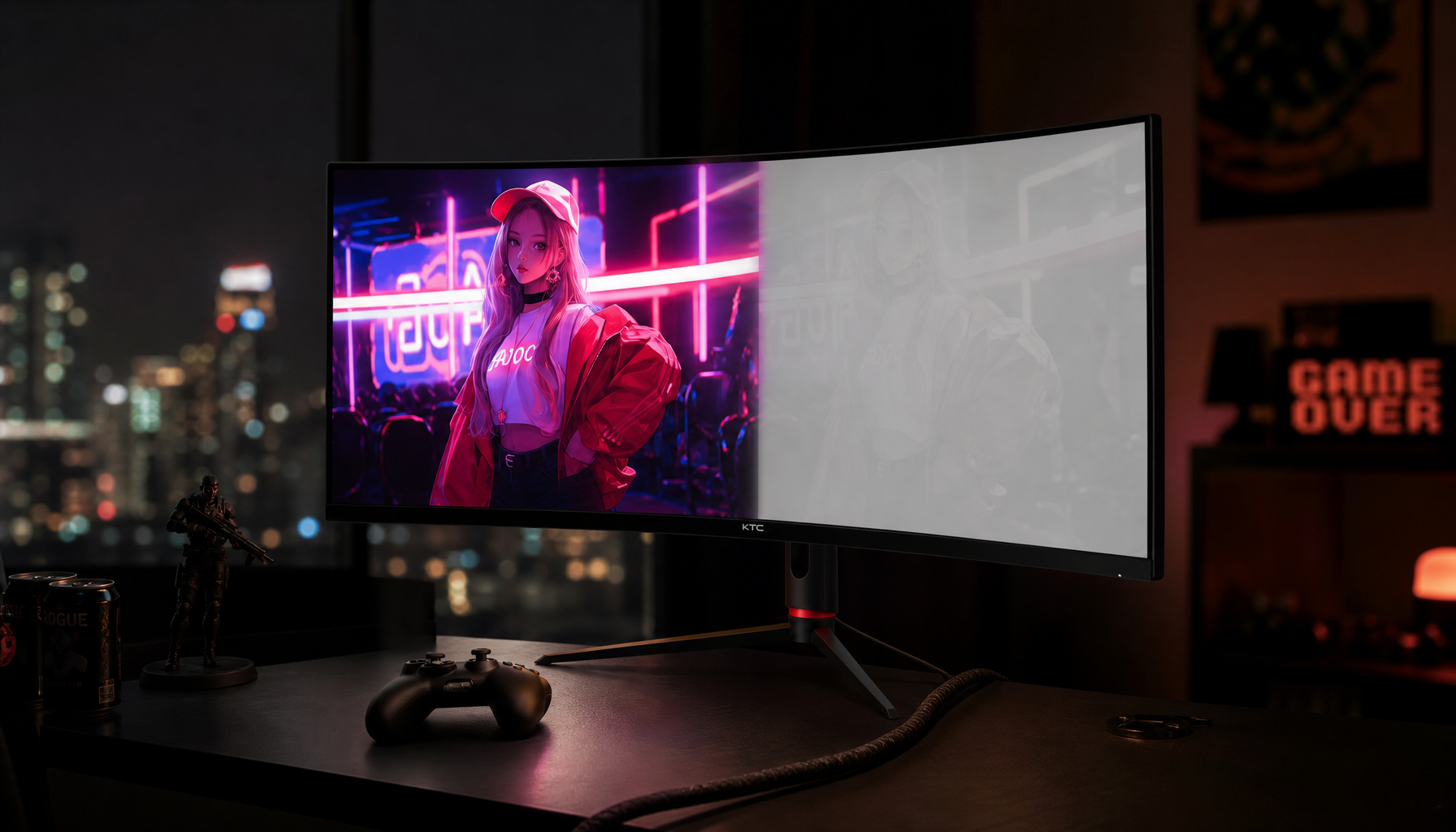
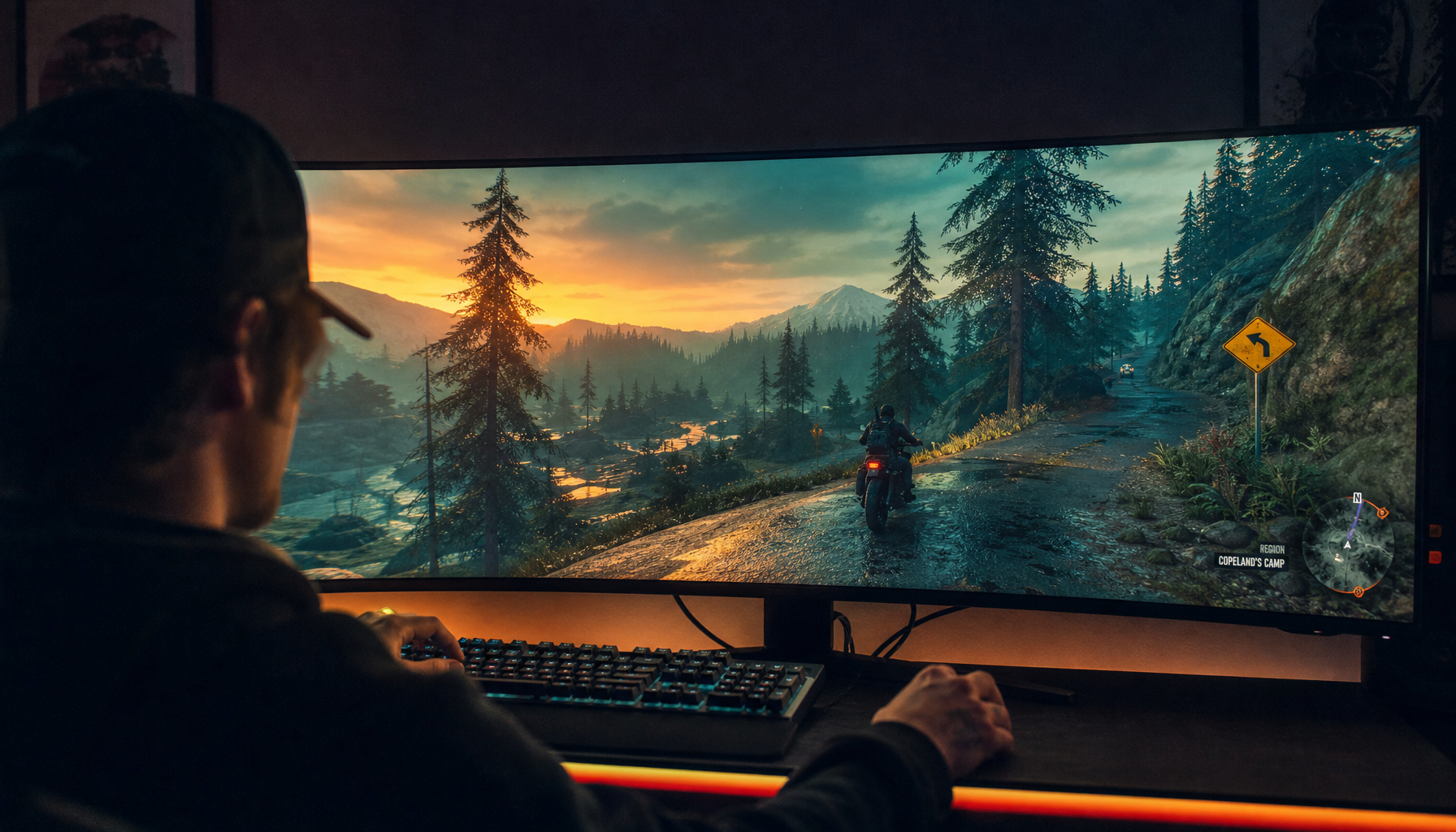
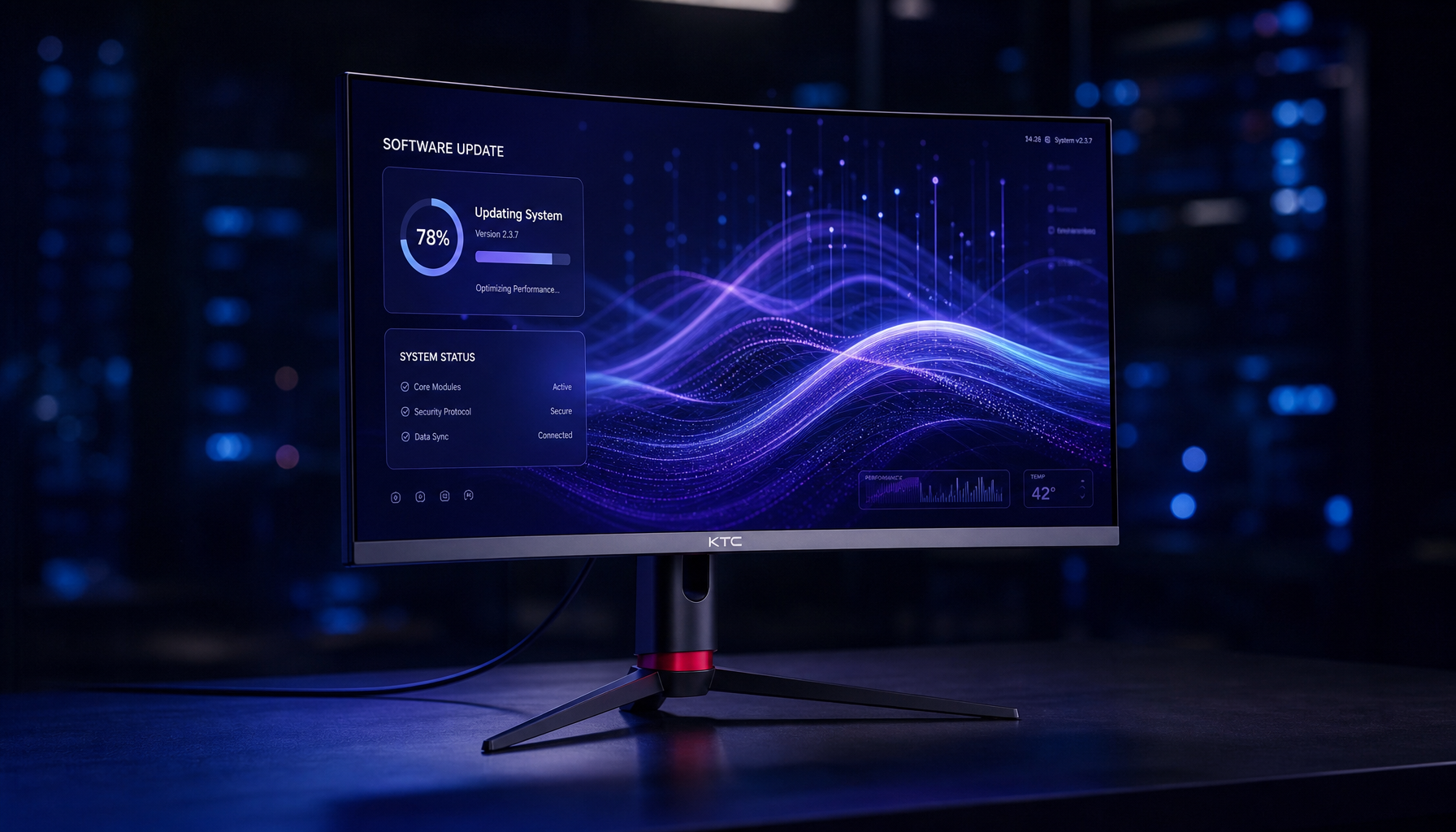
Modern OLED gaming monitors are far more resistant to burn-in than early models thanks to advances in materials like deuterium and built-in hardware protections. For most gamers and mixed-use buyers in 2026, burn-in is no longer a guaranteed failure but a manageable risk that drops sharply when you follow a few practical habits and use the monitor's automated features.

The 2026 Reality: Why OLED Burn-In Is No Longer a 'Guaranteed' Failure
The core fear many buyers still carry is that OLED panels will inevitably degrade from normal use. This worry stems from early hydrogen-based OLED technology that was more vulnerable to heat and electrical stress. As this official OLED.EX overview explains, modern panels use deuterium—a heavier isotope of hydrogen—to achieve roughly 30% greater stability against thermal degradation and brightness stress.
This material upgrade, often marketed as OLED.EX, translates into higher sustainable brightness without accelerating pixel wear as quickly. For prospective high-end gaming monitor buyers, the trust deficit from 2020-era reports is largely outdated. In controlled lighting setups typical for immersive gaming, the risk profile has shifted from "likely within a year" to "possible only under prolonged misuse."
That said, OLED is not burn-in proof. It remains burn-in resistant under modern conditions, and extreme static, high-brightness use can still reduce panel lifespan. The first self-check is your primary usage: if you are mainly a gamer with varied content rather than a productivity worker staring at static white windows all day, OLED's advantages in contrast and motion usually outweigh the residual risk.
Fact vs. Fiction: Separating Temporary Image Retention from Permanent Burn-In
Many users panic when they see a faint ghost image after leaving a static HUD or taskbar on screen. In reality, this is usually temporary image retention—uneven pixel voltage that a short refresh cycle can correct—rather than permanent burn-in, which involves irreversible organic material wear.
Long-term testing helps separate the two. According to RTINGS.com's longevity results from 100 TVs, real-world mixed usage (gaming, browsing, and video) rarely produces visible permanent damage even after thousands of hours. The often-cited "torture tests" with 20-hour news tickers create misleading expectations; those scenarios do not reflect typical gamer or streamer behavior.
A practical test you can run yourself: if the ghost disappears after powering off the monitor for 10–15 minutes or running a quick pixel refresh, it was retention, not burn-in. This distinction matters because it prevents unnecessary worry and shows that built-in maintenance features address the majority of everyday issues before they become permanent.
KTC OLED Care: Engineering Around Human Behavior and Heat
KTC addresses both material limits and human habits with a layered protection approach. Their 'OLED Expert' mode runs a targeted 1-minute calibration cycle that corrects minor voltage offsets caused by localized heat spikes, avoiding the longer downtime of traditional 5–10 minute pixel refreshers. This reduces what users often call the "toggle tax"—the friction of remembering to run maintenance manually.
Complementing this is a fanless heatsink design that manages 1000-nit peak brightness without the dust-trapping issues of active cooling fans. By keeping internal temperatures lower through passive dissipation, the design supports the deuterium panel's improved stability while minimizing mechanical failure points.
A standout feature is the distance sensor, which automatically triggers standby or maintenance when you step away from the desk. As shown in reviews of KTC models, this automation ensures static content does not linger unnecessarily during AFK breaks common in streaming or long sessions.
The chart below visualizes how these features shift the maintenance experience.
KTC Hardware-First Design vs. Maintenance Friction
Tiered comparison of how KTC's hardware choices shape maintenance effort and longevity protection across the configured cycle, trigger, and cooling path.
View chart data
| Category | Maintenance friction | Longevity protection |
|---|---|---|
| Cycle duration | 1.0 | 1.0 |
| Trigger mechanism | 1.0 | 3.0 |
| Cooling method | 1.0 | 3.0 |
| Longevity protection | 1.0 | 3.0 |

These engineering choices work around real user behavior: many skip manual cycles because of OSD complexity, but automation and quick cycles make protection nearly invisible in daily use.
Actionable Prevention: Habits for High-Brightness Gaming and Desktop Use
Even with strong hardware, your habits determine long-term panel health. For gamers, keep HUD opacity at 50–70% or use dynamic/minimal interfaces that change frequently. Auto-hiding the taskbar and enabling dark mode for Windows or browsers dramatically reduces static bright elements that drive localized wear.
When mixing HDR gaming with desktop work, toggle back to SDR for productivity. This prevents the higher voltage demands of HDR from accelerating degradation during hours of static windows. Streamers and competitive players with persistent maps or health bars benefit most from the distance sensor, which handles AFK periods automatically.
Brightness is another lever: while modern panels handle 1000-nit peaks better, keeping average brightness at 60–80% in controlled rooms extends lifespan without sacrificing much perceived quality. These steps, combined with letting the monitor run its automated cycles, keep risk low for the typical 3–4 year enthusiast ownership window.
The Safety Net: Why the 3-Year Warranty Changed the Purchase Decision
By 2026, a 3-year burn-in warranty has become the industry standard for premium OLED monitors. This shift reflects manufacturer confidence in the combined improvements of better materials, heatsinks, and automated refresh systems. It effectively moves the primary financial risk from you to the brand during the period when most enthusiasts upgrade anyway.
KTC's background manufacturing panels for major brands adds another layer of quality assurance. Their OEM experience helps ensure consistent panel uniformity and reliable implementation of protection features. While RMA success still depends on following warranty terms—such as not disabling automated features—the 3-year coverage removes much of the "what if" anxiety that previously kept buyers away.
Choosing Your Tech: When to Buy OLED vs. High-Zone Mini-LED in 2026
The decision between OLED and high-zone Mini-LED ultimately depends on your room and priorities. OLED excels in dark or controlled lighting where its perfect blacks and fast pixel response deliver unmatched immersion and motion clarity for gaming. If your setup allows moderate brightness and varied content, OLED's contrast advantage makes it the clearer choice once you apply the prevention habits above.
Mini-LED remains the stronger option for very bright rooms needing 2000-nit capability or for users with heavy static productivity workloads like coding or spreadsheets. The $600–$700 price boundary often flips the value: at current street prices, a well-featured OLED frequently offers better overall performance per dollar for gamers than last-generation Mini-LED panels.
Check your lighting first. In a typical gaming den with bias lighting, our guide comparing the two technologies shows OLED usually wins for fun and responsiveness. For zero-worry all-day desktop use in direct sunlight, high-zone Mini-LED avoids even the residual risk.
If you decide OLED fits, KTC's All-OLED collection includes models like the 27" 240Hz G27P6 that incorporate the protection features discussed. Pair it with good habits and the built-in tools, and burn-in should stay a non-issue for years.
How Does Pixel Refresh Differ from Pixel Cleaning on OLED Monitors?
Pixel refresh (or OLED Expert mode on KTC panels) is a short, frequent voltage calibration that corrects minor uniformity shifts caused by heat. Pixel cleaning is typically a deeper, longer compensation cycle run after many hours of use. The quick refresh minimizes downtime while the deeper cycle handles accumulated stress—using both on schedule provides the best protection.
Is Burn-In Still a Major Concern for Competitive Gamers Using HUDs in 2026?
For competitive play with static HUD elements, risk is low-to-moderate if you lower HUD opacity, use the distance sensor for breaks, and run automated refreshes. Tests show varied gaming content rarely causes visible burn-in within the standard 3-year warranty window, though extremely static interfaces over thousands of hours can still contribute to wear.
Does Turning Down Brightness Significantly Extend OLED Lifespan?
Yes, lowering average brightness from maximum to 60–80% reduces heat and electrical stress on the organic layer, which is the primary driver of degradation. Many users find this setting still delivers excellent HDR pop in controlled rooms while meaningfully improving long-term uniformity.
What Should I Do If I Notice a Ghost Image on My New OLED Monitor?
First, power the monitor completely off for 10–30 minutes. If the image persists, run the built-in pixel refresh or OLED Expert cycle. Temporary retention almost always clears; if it does not after multiple cycles, contact support as it may indicate an issue covered under the 3-year warranty.
Can I Safely Use an OLED Monitor for Both Gaming and Full-Time Office Work?
It depends on your lighting and habits. In bright offices with lots of static white windows, Mini-LED is often the lower-risk choice. For mixed use in controlled lighting, OLED works well if you enable dark mode, auto-hide UI elements, and rely on distance sensors and automatic maintenance to handle the productivity hours.