DLSS Frame Generation can make 4K 160Hz gaming viable on high-end NVIDIA GPUs by dynamically boosting frame rates to match your monitor's refresh rate, but it works best when your base performance stays above 45–60 FPS. For most enthusiast gamers in 2026, this combination delivers exceptional visual fluidity in single-player titles without turning a premium 4K 160Hz monitor into an overkill purchase, provided you pair it with the right GPU and understand the latency trade-offs.

The 2026 Synergy: 4K 160Hz Meets AI Frame Generation
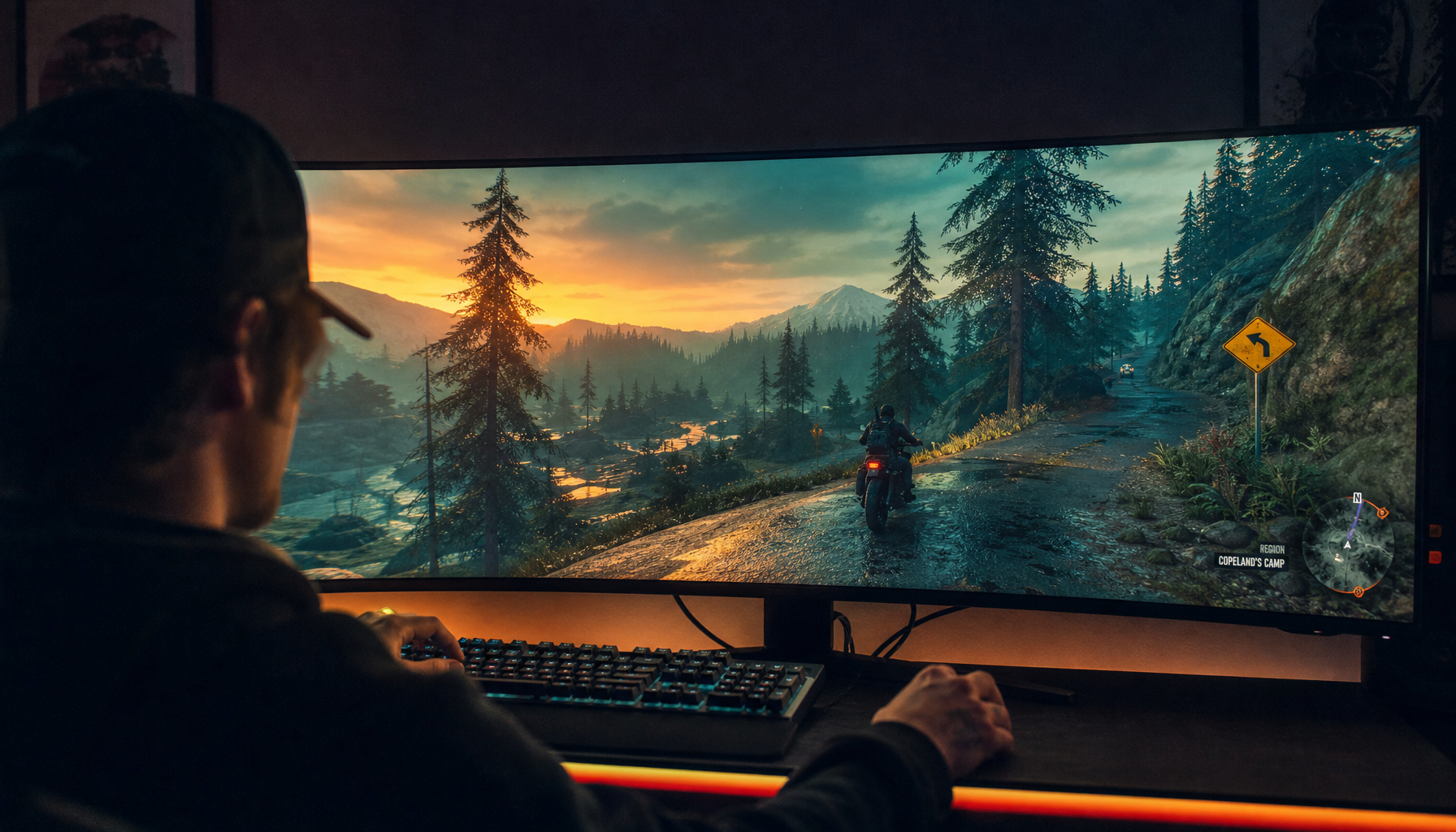
Native 4K at 160 frames per second has long remained out of reach for all but the most powerful GPUs, especially in demanding path-traced games. DLSS Frame Generation changes that equation by using AI to generate additional frames, effectively decoupling rendered output from the display's refresh target. This technology lets a high-refresh 4K panel deliver smooth motion even when the GPU renders at a lower native rate.
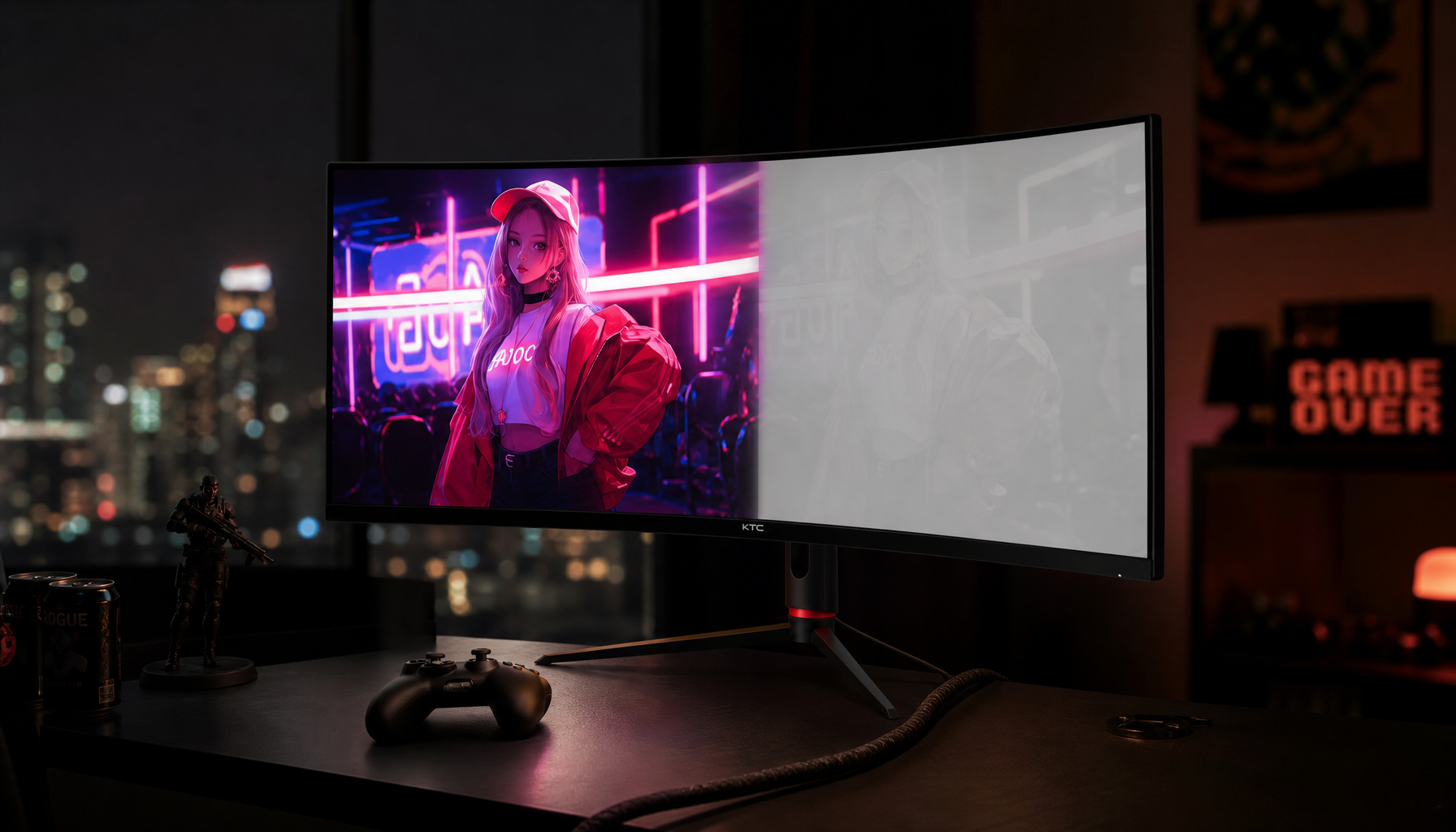
The practical result is that monitors capable of 4K 160Hz become more future-proof. Models like the KTC 27" 4K 160Hz/320Hz 90W Gaming Monitor | H27P6 and the Mini-LED KTC Mini LED 27" 4K 160Hz HDR1400 Gaming Monitor | M27P6 serve as strong canvases for these AI features, supporting the bandwidth and variable refresh rates needed for seamless operation.
This synergy matters most for gamers upgrading both GPU and display. Without frame generation, many RTX 50-series cards would struggle to maintain high frame rates at 4K with maximum settings. With it, the same hardware can target 160Hz more consistently in supported titles.
What Is DLSS 4.5 Dynamic Multi-Frame Generation?
DLSS 4.5 introduces Dynamic Multi-Frame Generation, which automatically scales the frame multiplier—up to around 6x in some scenarios—to hit the monitor's refresh-rate ceiling. Unlike earlier fixed 2x frame generation, the dynamic version adjusts in real time based on GPU load and target output.
Many 2026 AAA titles now treat frame generation as an always-on component for advanced lighting techniques such as path tracing. The latest “Preset L” model also improves sharpness on HUD elements and text, reducing the shimmering that once plagued high-resolution upscaling.
For practical buying decisions, this means a 4K 160Hz monitor pairs best with an RTX 50-series card that can maintain a reasonable native floor. As explained in this guide to matching your monitor to your graphics card, the display's capabilities only shine when the GPU feeds it usable data.

The 60 FPS Floor: Why Base Performance Still Matters at 4K
Frame generation cannot fully compensate for a very low native frame rate. The concept of “input density” explains why: each real rendered frame carries actual user input and simulation data. When the multiplier grows too large, the game can feel disconnected even if the counter shows 160 FPS.
A base of 60 FPS before frame generation remains the gold-standard heuristic for responsive 4K 160Hz play. At this level the multiplier stays modest (roughly 2.6x), preserving near-native feel. Dropping to 45 FPS still produces fluid visuals for many players, but mouse-driven actions often feel heavier. Below 30 FPS the experience enters a collapse zone where lag and artifacts become obvious despite the high final counter.
Minimum Base FPS for a Good 4K 160Hz Experience
This chart shows the practical floor for base frame rate when using frame generation at 4K 160Hz: 60 FPS is the safest target, 45 FPS is workable but heavy, and 30 FPS is a collapse zone for responsiveness and artifacts.
View chart data
| Scenario | 30 FPS | 45 FPS | 60 FPS |
|---|---|---|---|
| Sluggish | 3.0 | 0.0 | 0.0 |
| Heavy | 0.0 | 2.0 | 1.0 |
| Gold Standard | 0.0 | 0.0 | 3.0 |
This threshold helps filter monitor purchases. If your current GPU cannot reach roughly 45–60 FPS natively in the titles you care about, a 4K 160Hz panel may feel disappointing even with frame generation enabled. The pattern above clarifies that visual fluidity and input responsiveness begin to decouple below the 60 FPS base.
Smoothness vs. Speed: Understanding the Latency Tradeoff with Reflex 2
Frame generation inherently adds latency because it predicts and inserts frames after the GPU has finished rendering. NVIDIA Reflex 2 helps by using predictive “frame warp” techniques that can reduce overall system latency by up to 75% in generated-frame scenarios, according to Tom's Hardware testing.
Even with these improvements, the difference between visual smoothness and true input responsiveness remains real. Many players notice a subtle “floaty” sensation in fast-twitch actions when the base frame rate is low. This is why competitive players often prefer native high-frame-rate modes over heavy frame generation.
For most single-player or story-driven games the added fluidity outweighs the minor latency cost. In competitive shooters the same technology can become a liability. Reflex 2 narrows the gap but cannot create input data that never existed in the base render.
Dual-Mode Versatility: When to Switch to 1080p 320Hz
Many modern 4K 160Hz panels, including the KTC H27P6, also support a 1080p 320Hz mode. This dual-mode capability lets you keep one monitor for both immersive 4K play and low-latency esports.
Genre largely determines the better choice. Cinematic RPGs and single-player AAA titles with heavy ray tracing benefit most from 4K 160Hz plus frame generation, delivering stunning visuals and smooth motion. Tactical shooters such as Valorant or CS2 reward the raw speed and minimal latency of native 320Hz at 1080p.
Action RPGs often sit in the middle. If your base frame rate allows a multiplier of 2x or lower, 4K usually feels preferable. When the multiplier climbs higher, the competitive edge of native high refresh becomes more noticeable. As detailed in our guide on matching monitors to game types, understanding your primary genres prevents buyer’s remorse.
Hardware Checklist: Getting the Most from Your 4K 160Hz Display
Achieving clean 4K 160Hz requires sufficient video bandwidth. Most panels rely on Display Stream Compression (DSC) over either DisplayPort 1.4 or HDMI 2.1 to deliver the signal without quality loss, as outlined in technical comparisons of these standards.
On Mini-LED models such as the M27P6, users often encounter a “toggle tax”—manually switching HDR and local dimming zones when moving between gaming and productivity. The inconvenience can annoy hybrid users enough to affect long-term satisfaction.
GPU pairing also matters. RTX 50-series cards are the natural partners for this refresh tier because they deliver the native performance floor that frame generation builds upon. Lower-tier cards may reach the advertised refresh rate on paper but deliver a less responsive experience in practice.
For broader setup advice, review the ultimate guide to choosing a gaming monitor.
Decision Guide: Is a 4K 160Hz Monitor Right for Your Setup?
A 4K 160Hz monitor represents a sensible forward-looking choice for the next 3–5 years of GPU releases if your library leans toward cinematic or story-driven games and your GPU can sustain a 45–60 FPS native floor. The combination of DLSS 4.5 Dynamic Multi-Frame Generation and high-refresh panels makes 4K high-fidelity gaming more accessible than ever.
If you mainly play competitive shooters or your current GPU struggles to reach 45 FPS in demanding titles, a high-refresh 1440p or 1080p monitor may deliver more consistent satisfaction. The guide comparing 4K for competitive gaming helps clarify when resolution works against you.
Between KTC options, the Mini-LED M27P6 suits gamers who prioritize contrast and HDR impact in single-player titles. The Fast IPS H27P6 offers excellent value for players who value dual-mode flexibility and switch frequently between 4K immersion and 320Hz competitive play. Check your typical base frame rates in the games you play most before deciding—the number will tell you whether the premium 4K 160Hz tier will feel transformative or merely expensive.
Is DLSS Frame Generation Worth It for 4K Gaming?
Yes for most single-player AAA experiences where visual fidelity and smoothness matter more than absolute minimum latency. It is usually not worth it for competitive esports titles where every millisecond of input lag affects performance.
How Does Frame Generation Affect Input Lag on 4K 160Hz Monitors?
It adds latency compared with native rendering, but NVIDIA Reflex 2 can reduce the penalty substantially. The net effect feels acceptable in most non-competitive games yet remains noticeable in fast-paced shooters when the base frame rate is low.
What GPU Do You Need for DLSS Frame Generation at 4K 160Hz?
An RTX 50-series card is the practical minimum to maintain a 45–60 FPS native floor in modern titles. Lower-tier GPUs can technically enable the feature but often produce a sluggish experience despite high final frame-rate counters.
Can You Use DLSS Frame Generation Effectively in Competitive Games?
It is generally not recommended. Competitive players usually prefer native high-refresh modes at lower resolutions to minimize latency and preserve input precision.
What Monitor Features Are Required to Run 4K 160Hz with Frame Generation?
You need HDMI 2.1 or DisplayPort 1.4 with DSC support, variable refresh rate compatibility, and low response times. Dual-mode capability on panels like the H27P6 adds versatility for switching between 4K and high-speed 1080p.
Does Turning On Frame Generation Reduce Visual Quality at 4K?
Modern implementations with Preset L maintain excellent HUD and text clarity. Minor artifacts can appear at very high multipliers, but the overall image quality usually exceeds what native rendering could achieve at the same performance level.